What Are 7.1 Speakers? A Complete Beginner’s Guide
Confused by the numbers and decimals of home theater audio? You’ve probably seen terms like 5.1, 7.1, and Dolby Atmos, and felt a little overwhelmed. If you’re looking to upgrade from basic TV speakers or a simple soundbar to a truly cinematic, immersive sound experience, you’ve come to the right place. Understanding what 7.1 speakers are is the key to unlocking a new level of audio that puts you right in the middle of the action.
This guide will break down everything you need to know. We’ll demystify the technology, explain the role of each speaker, and provide a step-by-step guide to setting up your own system for breathtaking sound.
Key Takeaways (TL;DR)
- What it is: A 7.1 surround sound speaker system uses eight total audio channels: seven speakers and one subwoofer.
- The Speakers: It includes a center channel, front left/right, side surround left/right, back surround left/right, and a subwoofer.
- The Benefit: The two extra rear speakers (compared to 5.1) create a more complete, 360-degree sound field for superior audio panning and immersion.
- Best For: Medium to large rooms where you can properly space the speakers, and for movie lovers and gamers who want the most accurate sound placement.
- Requirement: You need an Audio/Video (AV) Receiver that can decode and power at least seven channels.
The Core Concept: What Are 7.1 Speakers Exactly?
A 7.1 speaker system is an audio setup that uses eight discrete channels to create an immersive surround sound experience. The name “7.1” is a simple breakdown of its components:
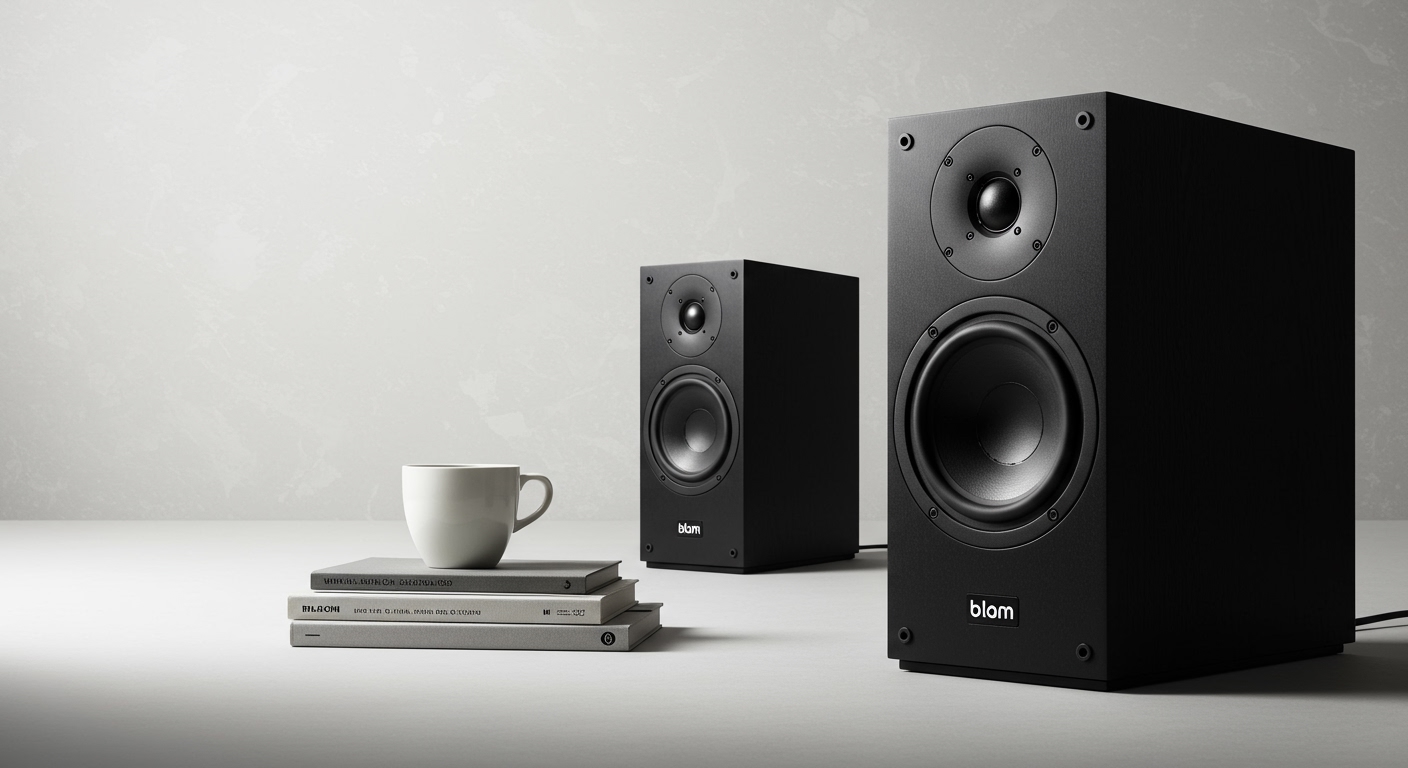
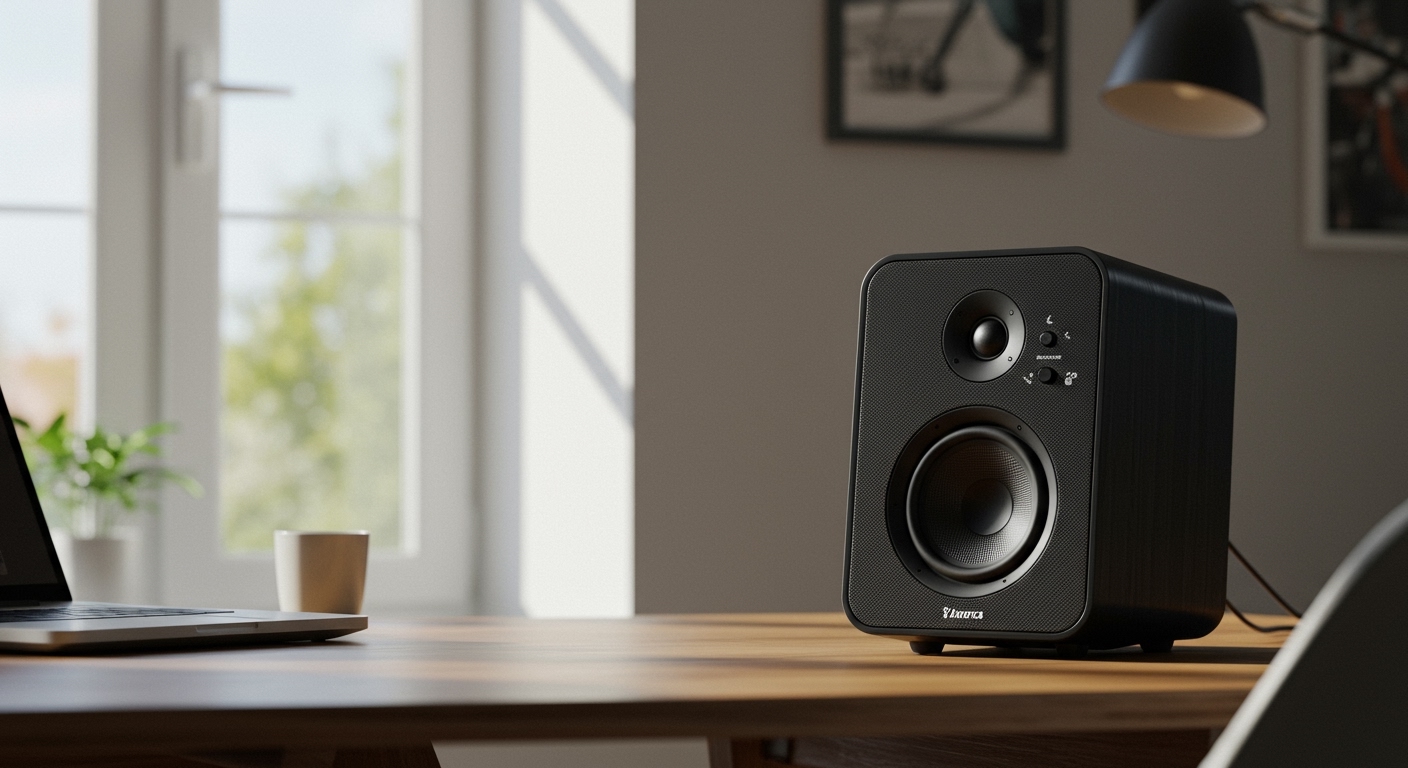
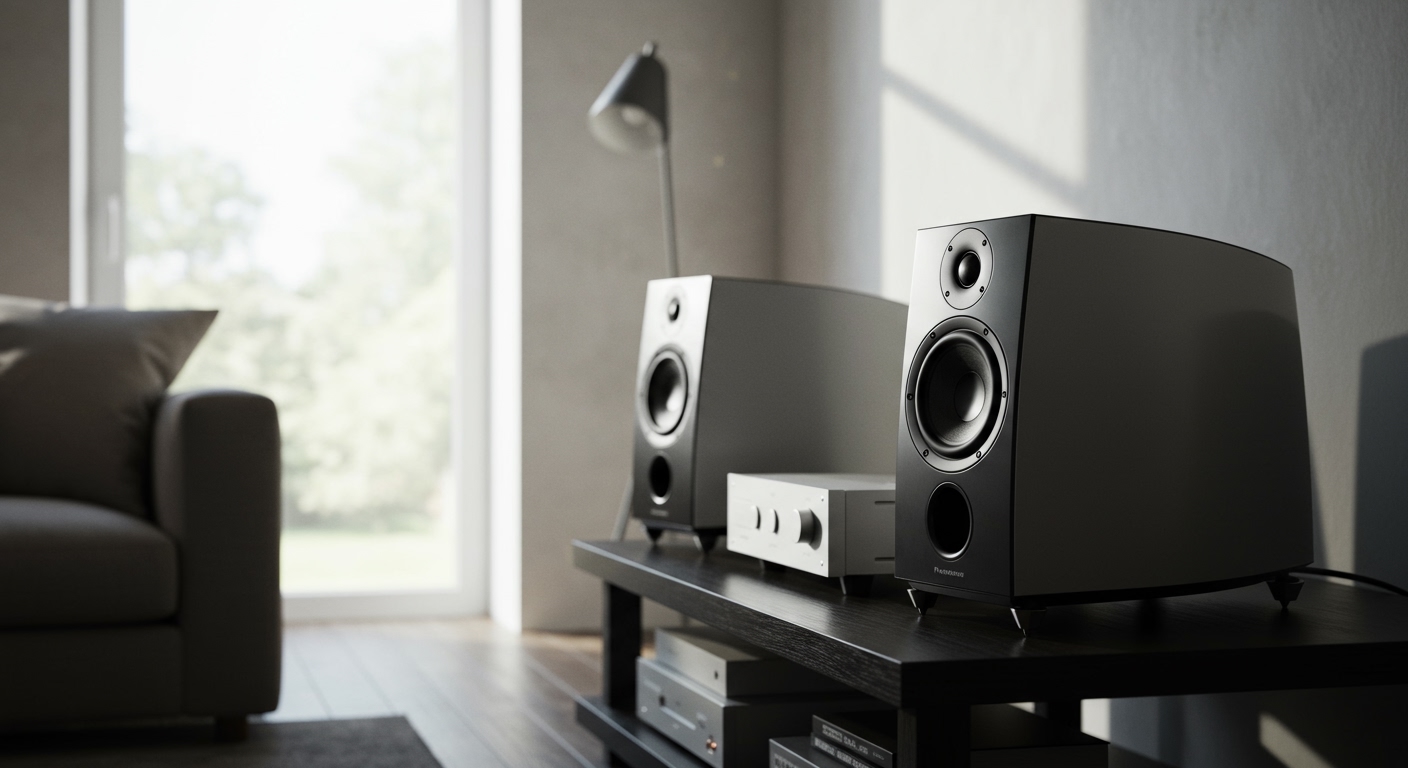
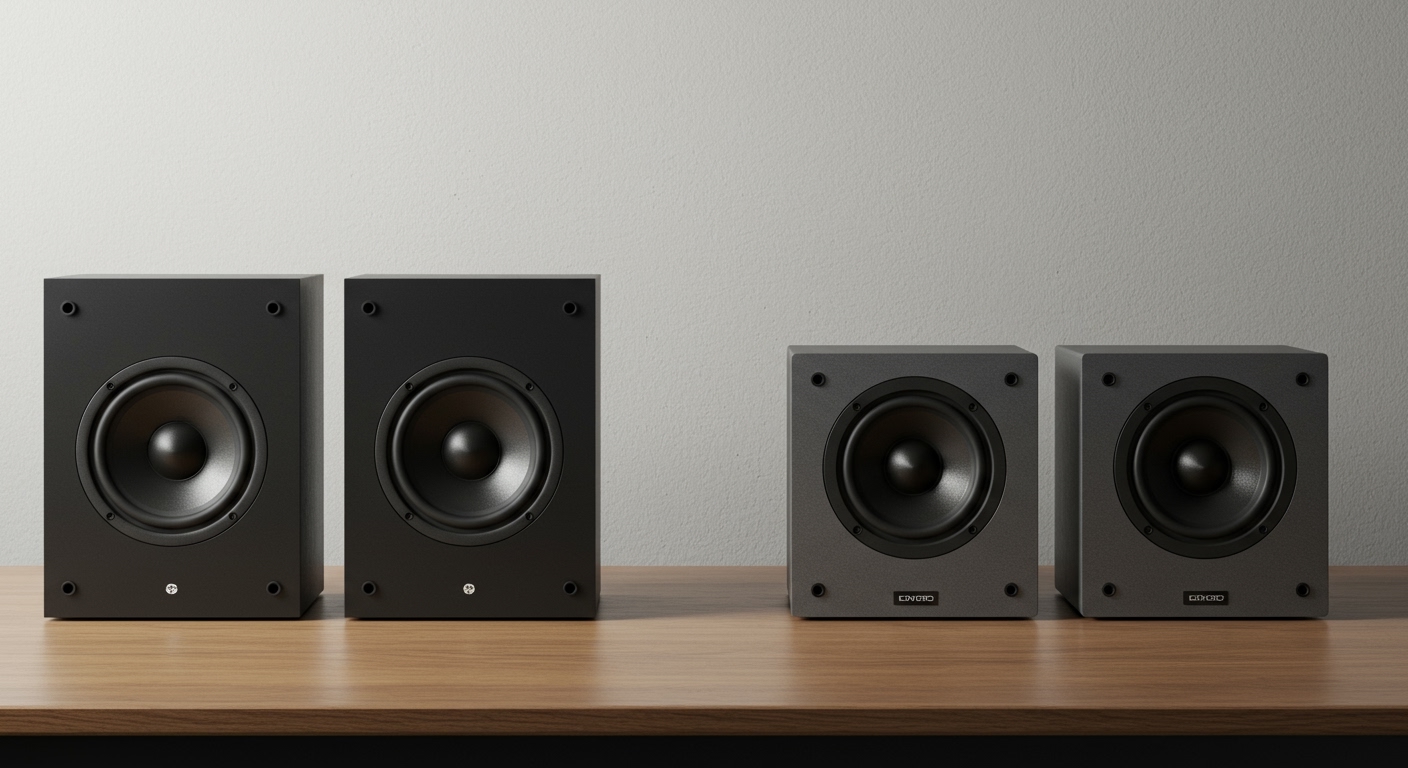
- The “7” refers to the seven main speakers, often called “satellite” or “bookshelf” speakers. These produce the mid-range and high-frequency sounds, such as dialogue, music, and ambient effects.
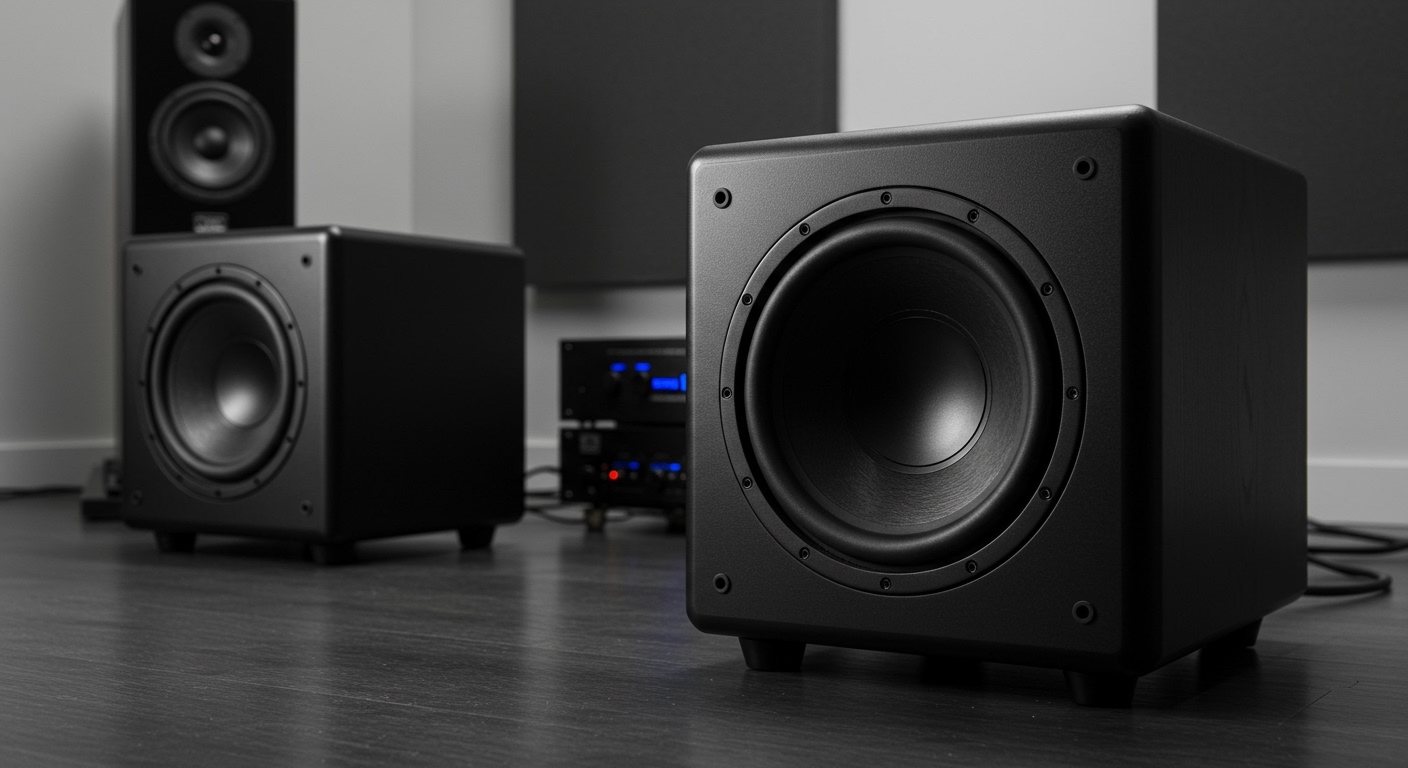
- The “.1” refers to the single subwoofer. This speaker is dedicated to handling the Low-Frequency Effects (LFE) channel, which provides the deep bass, rumble, and explosions you feel in movies and games.
The primary difference between a 7.1 system and the more common 5.1 system is the addition of two extra speakers: the Surround Back channels. These speakers sit behind you, working with the side surround speakers to create a seamless, enveloping bubble of sound.
Anatomy of a 7.1 Surround Sound Speaker System
To truly understand what 7.1 speakers are, you need to know the specific job of each component. Each speaker has a dedicated role in building the soundstage around you.
- Front Left & Right Speakers: These are the workhorses of your system. They handle the main musical score and the majority of on-screen sound effects that pan left and right. In my experience, investing in high-quality front speakers pays the biggest dividends.
- Center Channel Speaker: This is arguably the most important speaker for movie watchers. It is positioned directly above or below your screen and is responsible for reproducing almost all of the dialogue. A good center channel ensures voices are crisp and clear, even during loud action scenes.
- Side Surround Left & Right Speakers: Placed to the sides of your listening position, these speakers create a sense of space and envelopment. They handle off-screen sounds, ambient noise, and effects that move alongside you, making you feel like you’re in the environment.
- Back Surround Left & Right Speakers: This is the key upgrade that defines a 7.1 system. Placed behind you, these two speakers fill in the rear soundstage. They are crucial for effects that fly over and behind you, like a helicopter passing overhead or footsteps approaching from the rear.
- Subwoofer (LFE Channel): The subwoofer provides the visceral impact. It’s not just about loud booms; a quality subwoofer adds depth and texture to the entire soundtrack, from the subtle rumble of an engine to the powerful thud of an explosion.
How 7.1 Surround Sound Delivers Immersive Audio
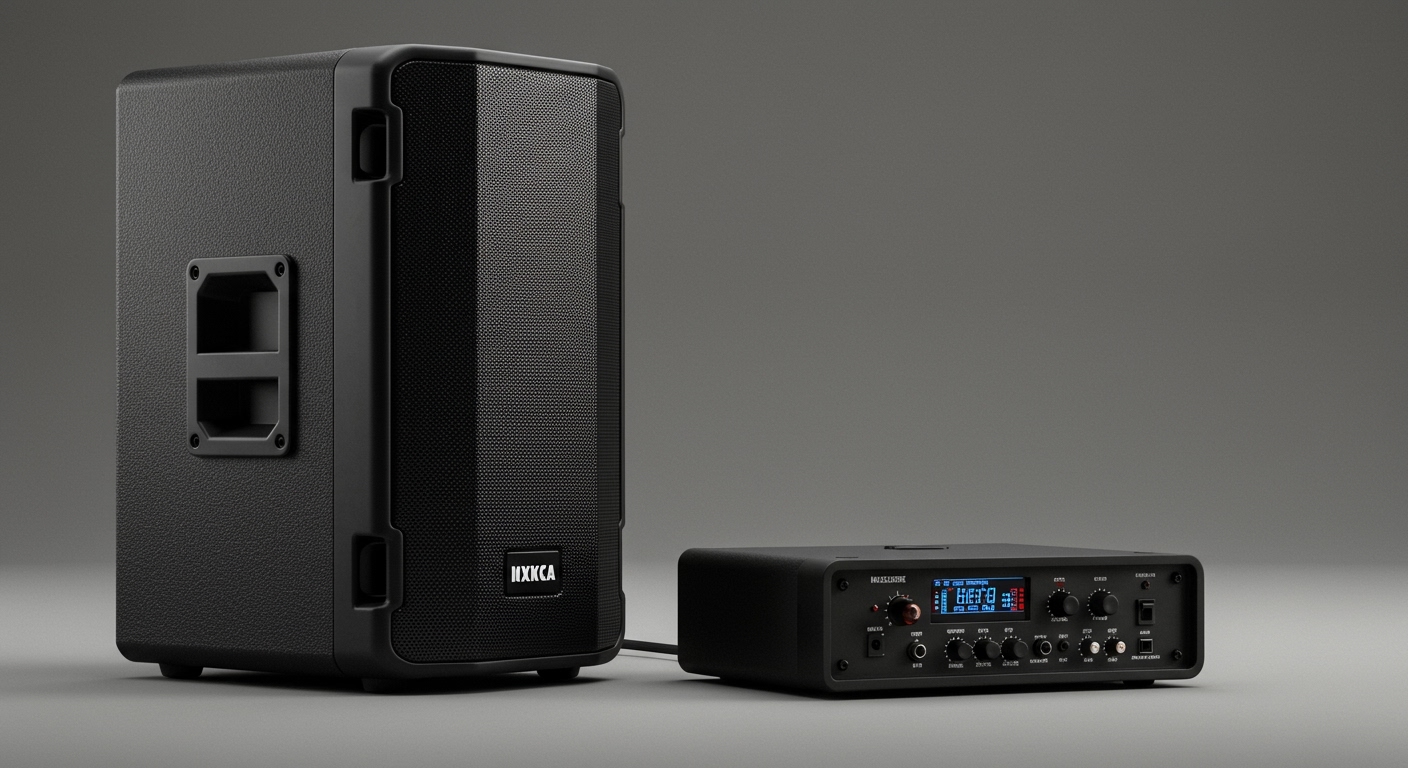
A 7.1 system works by playing audio from seven discrete channels encoded into a movie’s soundtrack. Your AV Receiver is the brain of the operation; it reads the audio data from a Blu-ray, streaming service, or game, and intelligently sends the correct sound to the correct speaker.
This is made possible by advanced audio formats like:
- Dolby TrueHD
- DTS-HD Master Audio
These are “lossless” formats found on most Blu-ray discs that contain the full, uncompressed audio data for all 7.1 channels. When the receiver decodes this information, it can place sounds with pinpoint accuracy in the 3D space around you. The result is a seamless soundscape where a car can drive from the front-right speaker, pass by your side-right speaker, and disappear behind you via the back-right speaker.
From my own testing, the difference is most noticeable in complex action sequences. In a 5.1 system, a sound moving from side to back can feel like it “jumps” across the rear wall. With 7.1, that transition is perfectly smooth, making the illusion completely convincing.
Setting Up Your 7.1 Speakers: A Step-by-Step Guide
Proper speaker placement is critical to getting the most out of your 7.1 system. Simply placing speakers randomly in a room will not work. Here is a practical, step-by-step guide based on industry standards from Dolby and my own setup experience.
Step 1: Establish Your “Sweet Spot”
First, determine your primary listening position—the main chair or center of the couch where you’ll be sitting. All speaker placements will be relative to this spot.
Step 2: Position the Front Three (LCR)
Your Front Left, Center, and Right speakers form the front soundstage.
- Center Channel: Place it directly above or below your TV, angled slightly toward your ears.
- Front Left/Right: Place these equidistant from the TV and from each other, forming an equilateral triangle with your sweet spot. “Toe-in” the speakers (angle them slightly inward) to point directly at your listening position.
Step 3: Place the Side Surround Speakers
These speakers should be placed directly to the left and right of your listening position.
- Angle: 90 to 110 degrees from the center of the screen.
- Height: Position them at, or slightly above, ear level when you are seated.
Step 4: Place the Back Surround Speakers
These are the speakers that make your system a true 7.1 setup.
- Angle: Place them behind you at an angle of 135 to 150 degrees from the center of the screen.
- Height: They should also be at or slightly above ear level.
Step 5: Find the Best Subwoofer Spot
Subwoofer placement is less about direction and more about how bass interacts with your room’s acoustics.
- The “Sub Crawl”: This is a pro-tip I always recommend. Place the subwoofer in your main listening chair (the sweet spot). Play a bass-heavy music track and crawl around the perimeter of the room. The spot where the bass sounds the smoothest and most powerful is the best place to put your subwoofer.
Step 6: Connect Everything to Your AV Receiver
Run speaker wire from each speaker to the corresponding binding posts on the back of your AV Receiver. Be sure to match the positive (red) and negative (black) terminals correctly for all eight channels.
Step 7: Calibrate Your System
Modern AV receivers come with powerful room correction software.
- Place the included microphone in your sweet spot at ear level.
- Run the automatic calibration program (e.g., Audyssey, Dirac Live, YPAO).
- The receiver will play test tones through each speaker, measuring the distance, level, and frequency response to automatically optimize the sound for your specific room.
1 vs. 5.1 vs. Dolby Atmos (5.1.2): What’s the Difference?
This is a major point of confusion for many home theater buyers. While the numbers look similar, these systems offer different types of immersion.
| Feature | 5.1 Surround Sound | 7.1 Surround Sound | 5.1.2 Dolby Atmos |
|---|---|---|---|
| Total Channels | 6 (5 speakers + 1 sub) | 8 (7 speakers + 1 sub) | 8 (5 speakers + 1 sub + 2 height) |
| Speaker Layout | Front L/R, Center, Surround L/R | Front L/R, Center, Surround L/R, Back L/R | Front L/R, Center, Surround L/R, Height L/R |
| Immersion Type | Horizontal Plane | Full Horizontal Plane | Horizontal Plane + Vertical (Overhead) |
| Key Benefit | Standard surround sound | Superior rear sound panning | Adds overhead, “object-based” audio |
| Best Use Case | Small to medium rooms | Medium to large rooms | Modern movies with Atmos soundtracks |
The key takeaway:
- 7.1 improves upon 5.1 by adding rear speakers for better horizontal, 360-degree sound.
- Dolby Atmos (and its competitor DTS:X) is fundamentally different. It adds height speakers (the “.2” in 5.1.2) to create sound that comes from above you. It’s an “object-based” format, meaning sound designers can place an audio object (like a bee) anywhere in 3D space, and your receiver will route it to the appropriate speakers to create the effect.
Is a 7.1 Speaker System Worth It for You?
Now for the practical question: do you actually need a 7.1 surround sound speaker system? Here’s a checklist to help you decide.
You should consider a 7.1 system if:
- ✅ You Have a Medium to Large Room: You need enough space behind your seating area to properly place the rear surround speakers. In a small room, the effect can be lost.
- ✅ You Are a Physical Media Enthusiast: Blu-ray and 4K UHD discs are the most reliable sources for high-quality **DTS-HD Master