Dio Node Multiroom Wi-Fi Speakers: An Honest Review
The dream of whole-home audio is a powerful one. Imagine walking from your kitchen to the living room, then upstairs to your bedroom, with your favorite playlist or podcast following you seamlessly, filling every space with rich, uninterrupted sound. It’s a level of immersion that a single Bluetooth speaker can never provide. Many companies have tried to perfect this experience, but it often comes with complex setups, intrusive microphones, or a high price tag. Enter the Dio Node Apple AirPlay 2 Compatible Multi-Room Wi-Fi Home Speakers. This 3-pack system promises to deliver that auditory dream with incredible simplicity, a focus on privacy, and an elegant design, all tailored specifically for the Apple ecosystem. But does it live up to its ambitious claims?
We’ve taken a deep dive into the Dio Node system, exploring its features, performance, and what real users are saying. In this comprehensive review, we’ll break down everything you need to know to decide if this is the right multiroom sound system to transform your home into an auditory haven, or if the dream remains just out of reach.
Product Overview: What Are the Dio Node Speakers?
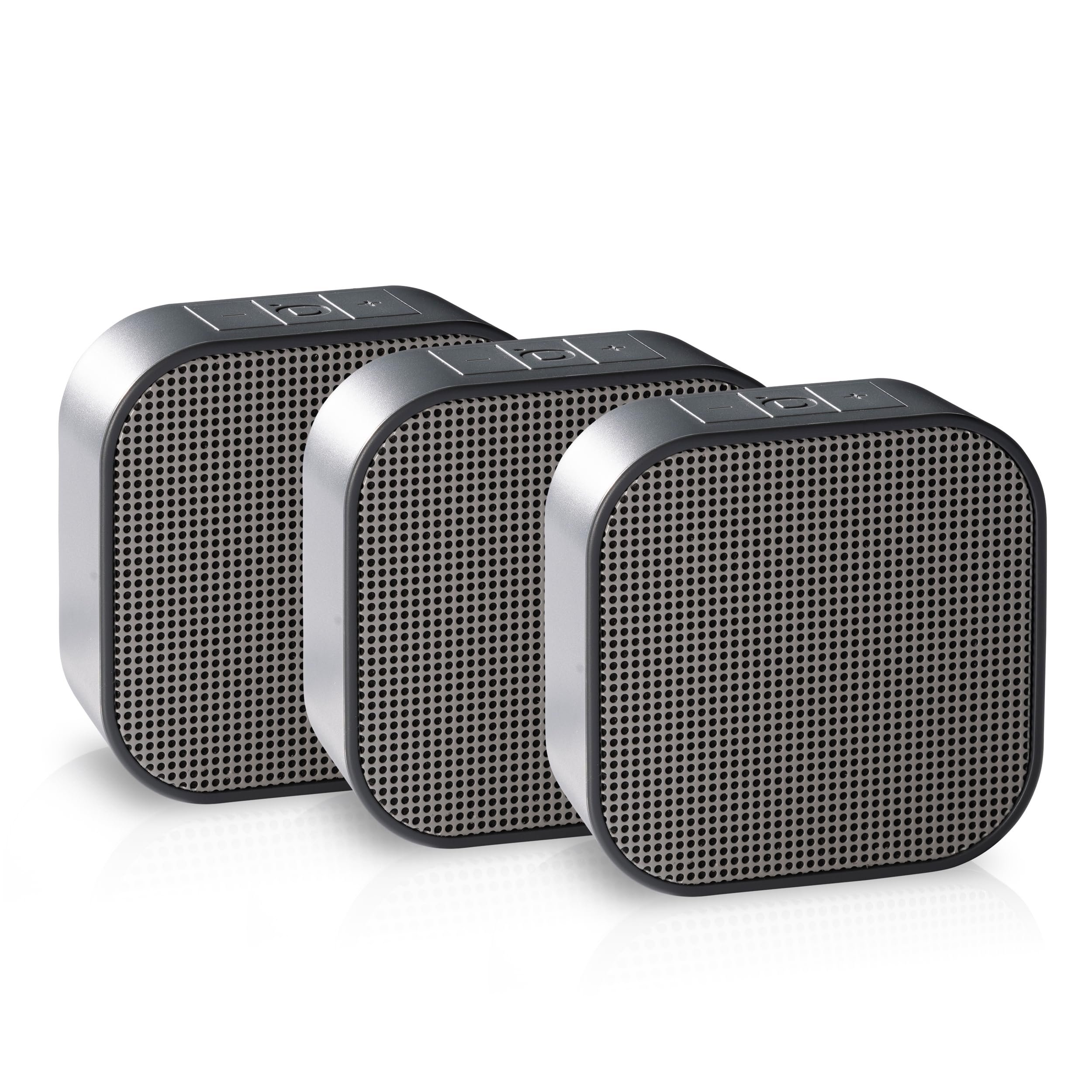
At its core, the Dio Node system is a set of Wi-Fi-enabled speakers designed to work together to create a multiroom audio experience. Unlike traditional Bluetooth speakers that pair one-to-one with a device, these speakers connect to your home’s Wi-Fi network. This allows them to communicate with each other and with your devices more reliably and over a greater distance, enabling synchronized playback across multiple rooms.
The key technology powering the Dio Node is Apple AirPlay 2. This is Apple’s proprietary streaming protocol that allows users to stream audio (and video) from their iPhone, iPad, Mac, or Apple TV to compatible speakers. AirPlay 2 is the magic that enables the multiroom functionality, letting you select which speakers to play music on, control volume for individual speakers or groups, and do it all from the Control Center on your Apple device. This deep integration is the system’s biggest selling point and also its most significant limitation.
One of the most notable design choices is the complete absence of a built-in microphone. In an era where most smart speakers are actively listening for a wake word like “Alexa” or “Hey Google,” Dio Node takes a firm stance on privacy. This is not a smart assistant; it is a dedicated, high-quality audio playback device. The focus is purely on receiving and playing sound, not on listening to you.
The manufacturer claims a setup time of “less than a minute,” aiming for an experience so simple that anyone, regardless of their tech-savviness, can get it up and running. The speakers themselves are crafted with a minimalist aesthetic, designed to blend into your home decor rather than stand out as a piece of tech. Available in 1, 3, and 5-packs, the system is designed to be scalable, whether you’re starting with a single room or outfitting your entire house.
Pros: The High Notes of the Dio Node System
Based on the product’s features and positive user experiences, there are several compelling reasons to consider the Dio Node speakers, especially if you’re heavily invested in the Apple ecosystem.
Flawless Integration with Apple AirPlay 2
This is, without a doubt, the star feature. If you live and breathe Apple, the Dio Node experience is designed to feel like a natural extension of your existing devices. Streaming is not handled through a clunky third-party app. Instead, you can play audio from literally any app on your iPhone—Spotify, Apple Music, YouTube, Audible, Pocket Casts—and simply tap the AirPlay icon to send it to your speakers. The ability to manage speakers directly from the iOS Control Center is incredibly convenient, allowing for quick adjustments without having to unlock your phone and navigate to a specific app.
An Incredibly Simple and Fast Setup Process
The promise of a setup that takes less than a minute is a bold one, but it’s entirely plausible thanks to AirPlay 2. The process is typically as simple as plugging the speaker in, bringing your iPhone close, and waiting for a pop-up to appear asking if you want to add the new speaker to your Home network. You give it a name (e.g., “Living Room,” “Kitchen”), and you’re done. This removes the frustrating process of manually connecting to a speaker’s temporary Wi-Fi network and entering passwords, which plagues many other smart home devices. This plug-and-play nature makes it highly accessible for everyone.
A Strong Commitment to User Privacy
The “no microphone” design is a significant differentiator in today’s market. Many consumers are justifiably wary of having always-on listening devices scattered throughout their homes. With Dio Node, that concern is completely eliminated. These speakers are designed for one purpose: to play audio. This privacy-conscious approach provides peace of mind and simplifies the product, making it a secure choice for bedrooms, offices, and any other private space in your home.
Elegant, Decor-Friendly Design
Dio Node clearly put thought into the physical appearance of their speakers. They are not flashy or ostentatious. Instead, their minimalist form, neutral color palette, and compact size allow them to blend into the background. Whether your home is modern, traditional, or eclectic, these speakers are designed to complement your space rather than command attention. They function as both an audio device and a subtle piece of home decor, which is a major plus for those who care about aesthetics.
True Multi-Room Audio Synchronization
When the system works as intended, it delivers on its core promise. As highlighted by positive user feedback, the audio sync between speakers is perfect. You can have multiple speakers playing the same song in different rooms—or even a large indoor/outdoor space—without any perceptible echo or delay. This creates a truly immersive and continuous soundscape, which is fantastic for hosting parties or simply enjoying music as you move about your day.
A Scalable and Flexible System
The availability of 1, 3, and 5-packs allows you to build a system that fits your specific needs and budget. You can start with a single speaker in your main living area, add a 3-pack later to cover the kitchen and bedroom, and eventually expand to a 5-pack for full home coverage. This scalability means you’re not locked into a massive initial investment and can grow your sound system over time.
Cons: The Areas Where Dio Node Falters
Despite the appealing design and features, the Dio Node system is not without its serious drawbacks. Negative user experiences point to some fundamental issues that could be deal-breakers for many potential buyers.
Alarming Reports of Connectivity and Reliability Issues
This is the most critical flaw reported by users. A multiroom audio system is only as good as its connection. Unfortunately, there are significant complaints about speakers randomly cutting out, dropping from the network, or failing to play in sync. One moment you might have three speakers playing perfectly, and the next, only one is producing sound, even though your device shows all three are connected. These constant connectivity and updating problems completely undermine the “seamless” experience the product promises and can lead to immense frustration.
Underwhelming Sound Quality for the Price
The product description boasts of “rich, lossless sound” and an “immersive” experience. However, user feedback suggests the reality is far more modest. One of the most damning criticisms is that the sound quality is comparable to a cheap, $20 Bluetooth speaker. At a price of $239 for a 3-pack (roughly $80 per speaker), this is a major disappointment. Buyers expecting deep bass, crisp highs, and a room-filling sound profile are likely to be underwhelmed. The audio performance may be adequate for casual background music but falls short for anyone who considers themselves an audiophile.
Exclusively for the Apple Ecosystem
While the deep AirPlay 2 integration is a pro for iPhone users, it’s a massive con for everyone else. These speakers are not compatible with Android phones or Windows PCs in any meaningful way. There is no Bluetooth fallback or Chromecast support. This makes the Dio Node system a non-starter for households with a mix of devices. If you have a family member or guest with an Android phone, they will be unable to play music on your speakers. This severely limits the product’s versatility and makes it a poor choice for anyone not fully committed to Apple.
Potential for Frustrating Software Updates
The negative reviews specifically mention “updating issues” alongside connectivity problems. Modern Wi-Fi speakers rely on firmware updates to fix bugs and add features. A buggy or unreliable update process can be a nightmare, causing speakers to become unresponsive or exacerbating existing connectivity issues. The fact that this was highlighted as a pain point suggests that maintaining the system may not be as seamless as setting it up.
Customer Reviews Analysis: A Tale of Two Experiences
With only 17 reviews currently available, it’s difficult to draw a definitive, statistically significant conclusion. However, the existing feedback paints a picture of a deeply polarized user experience. There appears to be very little middle ground.
On one side, you have users for whom the product works exactly as advertised. They praise the effortless setup, the perfect audio sync for events like parties, and the overall convenience. For this group, the Dio Node delivers on its promise of simple, effective multiroom audio.
On the other side, you have users who have had a disastrous experience. Their reviews are filled with frustration over the core functionality of the product. The constant dropouts and connectivity failures make the system virtually unusable for its intended purpose. The added complaint about poor sound quality only adds insult to injury, making them regret their purchase.
What could cause such a stark difference? Several factors could be at play:
- Wi-Fi Network Quality: AirPlay 2 is highly dependent on a stable, robust home Wi-Fi network. Users with older routers, weak signals, or network congestion may be the ones experiencing the most significant connectivity issues.
- Quality Control: It’s possible there are inconsistencies in manufacturing, leading to some customers receiving “dud” units with faulty hardware.
- Firmware Bugs: A particular version of the speaker’s firmware could be unstable, affecting some users while others on an older, more stable version have no problems.
Regardless of the cause, the presence of such severe negative feedback regarding the product’s primary function is a major red flag. It suggests that buying the Dio Node system is a gamble on whether you will receive the seamless experience or a frustrating paperweight.
Who Should Buy This Product?
Based on our analysis, the ideal customer for the Dio Node speakers is very specific:
You should consider the Dio Node system if:
- You and everyone in your household exclusively use Apple products (iPhone, iPad, Mac).
- You have a very strong, modern, and reliable home Wi-Fi network.
- You prioritize simplicity, privacy, and aesthetics above audiophile-grade sound quality.
- You are willing to take a risk on the reported connectivity issues in the hopes that you get a “good” experience.
- Your primary use is for ambient background music rather than critical, focused listening.
Conversely, you should avoid this product if:
- Your household uses Android phones or Windows PCs.
- You demand high-fidelity, rich, and powerful audio from your speakers.
- Your home Wi-Fi can be spotty or unreliable at times.
- You are not willing to troubleshoot connectivity issues and expect your technology to work perfectly out of the box.
- The thought of your music cutting out in the middle of a party or relaxing evening is a deal-breaker.
Final Verdict
The Dio Node Apple AirPlay 2 Compatible Multi-Room Wi-Fi Home Speakers are built on a fantastic concept. The idea of a simple, private, and elegant multiroom audio system that integrates seamlessly with the Apple devices we already use every day is incredibly appealing. The privacy-first design is a refreshing and commendable choice in the current market.
However, a product’s concept is only as good as its execution, and this is where the Dio Node appears to stumble. The reports of severe connectivity issues and lackluster sound quality are too significant to ignore. For a multiroom system, reliability is not a feature—it is the entire foundation. When that foundation is shaky, the whole experience collapses. The fact that the audio performance is compared to a speaker a quarter of the price further erodes its value proposition.
While some users have had a flawless experience, the risk of ending up with a frustrating, unreliable system is substantial. At a price of $239, it’s a costly gamble. For that money, consumers should expect consistent performance and sound quality that clearly surpasses entry-level Bluetooth speakers.
Ultimately, while we love the dream that Dio Node is selling, we cannot recommend it without serious reservations. If you fit the very narrow profile of an ideal customer and are willing to take the risk, it might work for you. For everyone else, there are likely more reliable and better-sounding multiroom audio solutions on the market.