Understanding the Core Difference: Active vs. Passive Speakers
Before we dive into how to combine active and passive speakers, it’s crucial to understand what makes them fundamentally different. The distinction is simple but has major implications for how they’re connected and powered.
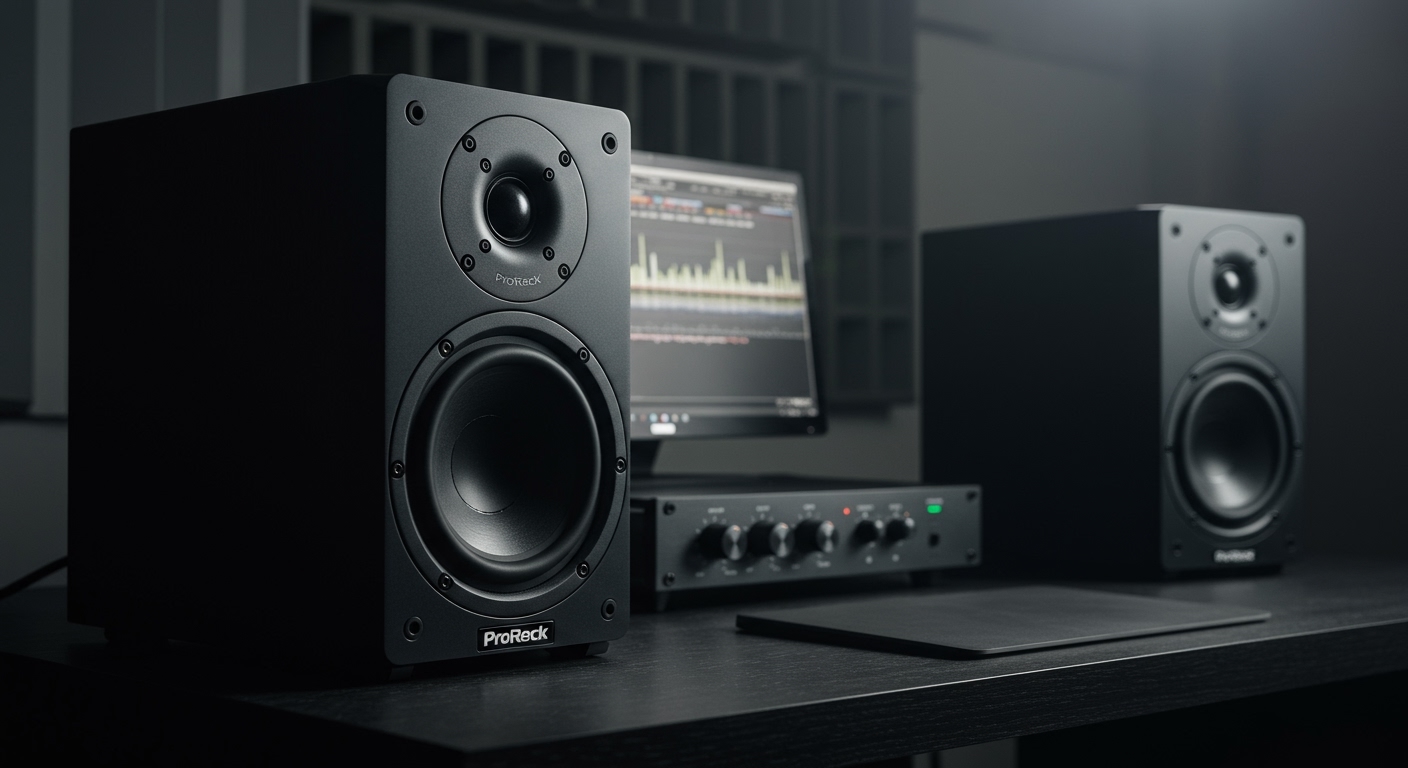
An active speaker, often called a “powered speaker,” has a built-in amplifier. All you need to do is plug it into a power outlet and provide a sound signal (like from your phone, computer, or mixer), and it works.
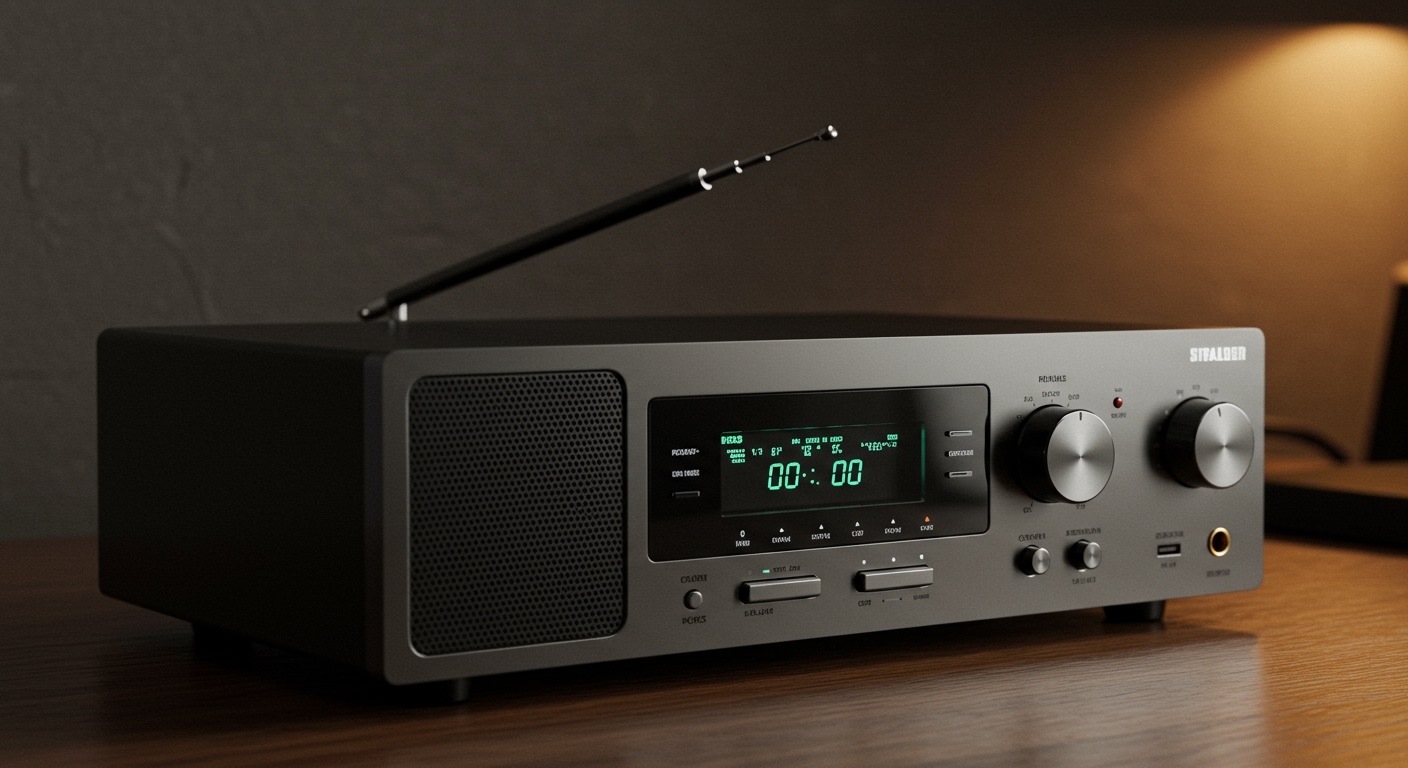
A passive speaker, on the other hand, has no internal power source. It’s essentially just the speaker cone and crossover in a box. It needs an external amplifier to take the sound signal, boost its power, and drive the speaker.
From my experience in both studio and live sound setups, the number one mistake beginners make is failing to respect this difference. Trying to power a passive component with another active component that isn’t designed for it is a recipe for disaster.
Active vs. Passive Speakers: A Quick Comparison
Here is a table breaking down the key differences to help you visualize them:
| Feature | Active Speakers | Passive Speakers |
|---|---|---|
| Amplifier | Built-in, internally matched to the speaker drivers. | Requires a separate, external power amplifier. |
| Crossover | Often active and integrated before the amplifier. | Passive, using capacitors and inductors. |
| Connections | Power cord + line-level input (XLR, TRS, RCA). | Speaker wire terminals (binding posts, banana plugs). |
| Pros | All-in-one solution, simple setup, optimized components. | Lighter weight, more flexibility to upgrade amps. |
| Cons | Heavier, more complex to repair, single point of failure. | Requires more components, setup can be complex. |
| Best For | Studio monitors, DJ setups, portable PA systems. | Home Hi-Fi systems, custom installations, large venues. |
Can You Mix Active and Passive Speakers? The Direct Answer
Yes, you can mix active and passive speakers in the same sound system, but you absolutely cannot connect them directly to each other. For instance, you can’t run a speaker cable from an active speaker’s output to a passive speaker’s input.
Doing so sends an amplified, speaker-level signal into a component that is only designed to receive a weak, unamplified line-level signal. This mismatch will almost certainly overload and damage the internal amplifier of your active speaker, and potentially harm the passive speaker as well.
I’ve seen firsthand a fried amplifier in a perfectly good JBL EON powered speaker because someone tried to daisy-chain a passive Yamaha monitor off of it. It’s an expensive and entirely avoidable mistake. The key is to send separate, appropriate signals to each speaker type from a central source.
How to Connect Active and Passive Speakers Together (The Safe Way)
To use active and passive speakers together safely, you need a device that can manage and route your audio signals before they reach the speakers. This central hub is typically an audio mixer or a pre-amplifier.
Here are the correct, step-by-step methods to do it without risking your equipment.
Method 1: Using an Audio Mixer (The Best & Most Common Method)
An audio mixer is the ideal tool for this job. It takes your audio sources (microphone, computer, turntable), allows you to adjust their levels, and sends the combined signal out through multiple outputs. This is how we manage complex systems in professional environments.
Here’s how to connect active and passive speakers together using a mixer:
- Connect Your Source: Plug your audio source (e.g., your laptop’s headphone jack or a DJ controller’s output) into an input channel on your mixer. Common cables for this are RCA or 1/4″ TRS.
- Connect the Active Speakers: Locate the mixer’s Main Outputs. These are typically XLR or 1/4″ TRS jacks that send out a line-level signal. Run cables from these outputs directly to the line-level inputs on your active speakers.
- Connect the External Amplifier: Your mixer might have a second set of outputs, like “Control Room Out” or “Sub Out.” Run another set of cables from one of these line-level outputs to the inputs on your external power amplifier—the one that will drive your passive speakers.
- Connect the Passive Speakers: Using standard speaker wire, connect the outputs of your external power amplifier to the input terminals on your passive speakers. Be sure to match the polarity (red to red, black to black).
- Power On & Set Levels:
* Turn the volume down on all components.
* Power on your equipment in this order: Mixer -> External Amplifier -> Active Speakers.
* Play your audio source and slowly bring up the master fader on the mixer.
* Adjust the volume on your external amp and the volume knobs on your active speakers until you achieve a balanced sound.
This setup ensures that the active speakers receive the line-level signal they need, and the passive speakers receive the speaker-level signal they need, all managed from one central point.
Method 2: Using a Pre-Amplifier with Multiple Outputs
In many home Hi-Fi systems, a pre-amplifier (or a receiver with “pre-outs”) serves a similar function to a mixer. If your preamp has more than one set of stereo pre-outs, you can use it to combine active and passive speakers.
- Connect Source to Preamp: Connect your turntable, CD player, or streamer to the inputs on your pre-amplifier.
- Connect to Power Amp: Use one set of RCA pre-outs to connect to your main power amplifier.
- Connect Passive Speakers: Connect your passive speakers to this power amplifier using speaker wire.
- Connect Active Speakers: Use the second set of RCA pre-outs (often labeled “Zone 2” or “Tape Out”) to connect directly to the inputs of your active speakers.
This method is common for audiophiles who might want to run a main pair of high-end passive speakers and a secondary pair of active speakers in another room or for A/B testing.
Method 3: Using a Speaker-to-Line-Level Converter (Advanced)
This is a less common solution, but it’s a viable option if you only have an amplifier with speaker-level outputs. A speaker-level to line-level converter is a small box that takes a high-power amplified signal and safely “steps it down” to a low-power line-level signal.
- Connect your passive speakers to your amplifier’s main speaker outputs as usual.
- Connect the converter to the same speaker outputs on the amplifier (many amps have A/B speaker terminals, which is perfect for this).
- Run an RCA or TRS cable from the converter’s output to your active speaker’s input.
I generally advise against this method unless necessary. It adds another component to the signal chain that can potentially color the sound. A small, inexpensive mixer from a brand like Behringer or Mackie is a much more flexible and clean solution.
Why Combining Active and Passive Speakers Can Be Problematic
Even when you connect active and passive speakers correctly, there are challenges to be aware of. Getting a cohesive, balanced sound from two fundamentally different speaker systems can be tricky.
- Timbre Mismatch: Timbre (pronounced “tam-ber”) is the unique sonic character or tone of a speaker. A speaker from Klipsch will sound very different from one made by Bowers & Wilkins. When you mix and match, these differences can be jarring, creating an inconsistent listening experience across the room.
- Volume and Gain Matching: This is the biggest hurdle I’ve faced in mixed setups. The volume of your active speakers is controlled by a knob on the back, while the volume of your passive speakers is controlled by the external amplifier. You have to manually balance these two separate volume controls, which can be frustrating. A mixer helps, but it still requires careful gain staging.
- Phase and Latency Issues: Active speakers often have internal Digital Signal Processing (DSP) which can introduce a tiny amount of delay (latency). If this latency doesn’t match the signal path of your passive speakers, you can run into phase issues, where sound waves from the different speakers cancel each other out, resulting in a thin, weak sound.
Practical Scenarios: When Does It Make Sense to Mix Speaker Types?
Despite the challenges, there are many professional and practical situations where you might need to use active and passive speakers together.
- Live Sound Reinforcement: It’s very common to use a powerful set of active main speakers (like the QSC K12.2) for the audience while running