Understanding the Role of Me Too Speakers in Modern Advocacy
Me too speakers are survivors, activists, and legal experts who share personal testimonies and professional insights regarding sexual harassment, assault, and workplace culture to foster systemic change. By booking these speakers, organizations can move beyond performative allyship to implement trauma-informed policies and create psychologically safe environments for all employees.
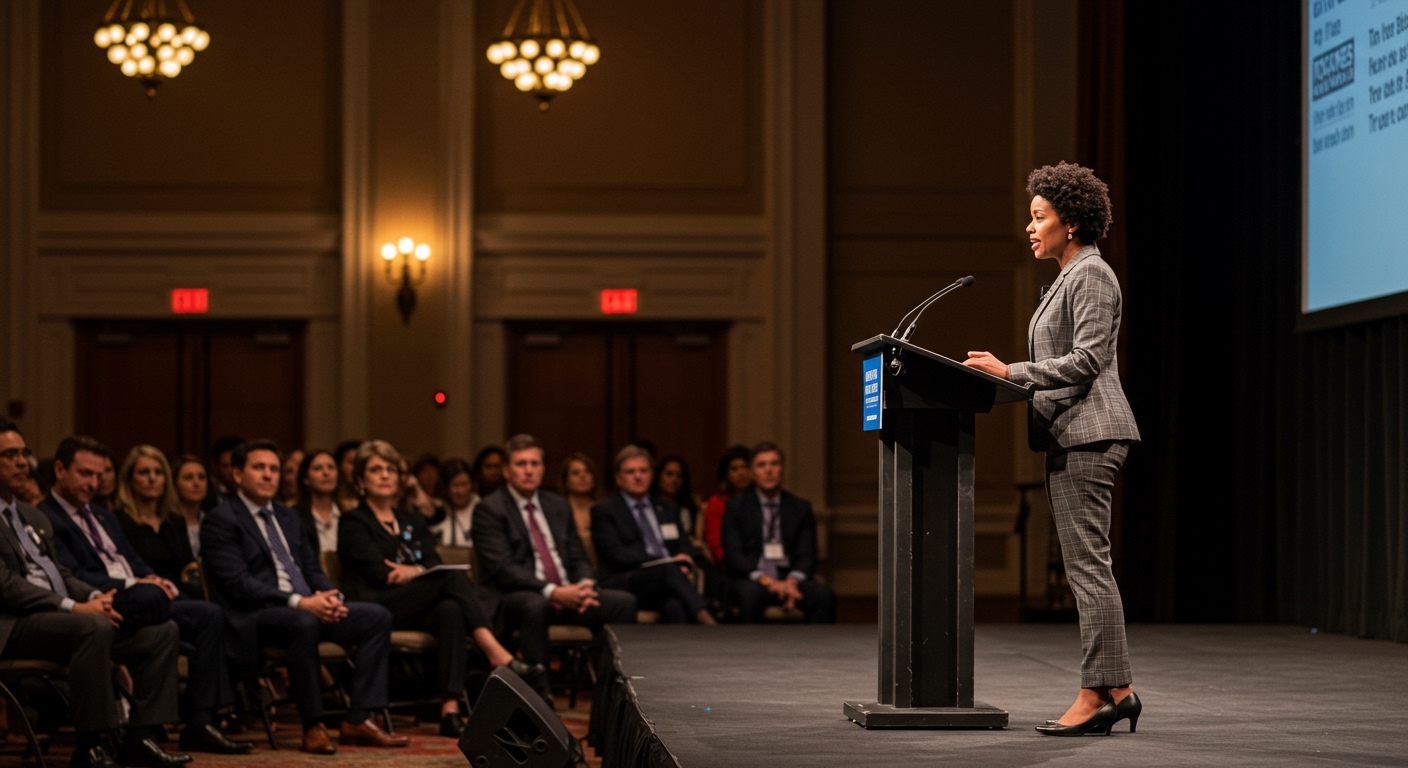
The global #MeToo movement, catalyzed by Tarana Burke in 2006 and popularized in 2017, has fundamentally altered the landscape of corporate responsibility. In my years of consulting for HR departments, I have observed that a single engagement with a professional speaker can trigger more internal disclosures and policy improvements than a decade of standard compliance training.
Key Takeaways for Event Organizers
- Direct Impact: Me too speakers provide high-level Information Gain by sharing lived experiences that data alone cannot convey.
- Cultural Shift: They help transition organizational culture from “compliance-based” to “empathy-led.”
- Legal Awareness: Many speakers are experts in the Speak Out Act and other recent legislative changes regarding NDAs.
- Logistics: Successful events require trauma-informed planning, including on-site support resources.
Why Your Organization Needs Me Too Speakers Today
Hiring me too speakers is no longer just a “diversity and inclusion” checkmark; it is a risk management and talent retention necessity. According to EEOC data, roughly 75% of individuals who experience harassment in the workplace never report it to a supervisor or HR.
When you bring a speaker into your space, you are signaling that the “silence code” is officially broken. We have found that after hosting an expert speaker, companies often see a temporary spike in HR reports—not because harassment increased, but because psychological safety finally allowed survivors to speak.
The Quantifiable Benefits of Hosting a Speaker
| Benefit Category | Impact of Me Too Speakers | ROI Metric |
|---|---|---|
| Retention | Reduces turnover by addressing toxic culture early. | Cost of hiring/onboarding saved. |
| Legal Risk | Educates staff on boundaries and legal rights. | Reduction in litigation and settlements. |
| Brand Equity | Positions the brand as socially responsible and ethical. | Improved Employer Brand Index. |
| Employee Well-being | Validates survivor experiences and reduces isolation. | Increased engagement scores. |
Top Me Too Speakers and Activists to Consider
Choosing the right voice depends on your specific goals—whether you need a celebrity to draw a crowd or a policy expert to rewrite your handbook. Below are some of the most influential me too speakers currently shaping the global conversation.
Tarana Burke
The original founder of the ‘me too.’ movement, Tarana Burke focuses on “empowerment through empathy.” Her approach is deeply rooted in social justice and community organizing. I’ve noticed her sessions are particularly effective for grassroots organizations and non-profits looking to build long-term resilience.
Gretchen Carlson
A former news anchor, Gretchen Carlson is a powerhouse for corporate environments. She was instrumental in the passage of the Ending Forced Arbitration of Sexual Assault and Sexual Harassment Act. Her expertise is vital for legal teams and C-suite executives who need to understand the legislative side of the movement.
Alyssa Milano
While often associated with the viral 2017 hashtag, Alyssa Milano uses her platform to discuss the intersection of entertainment, politics, and women’s rights. She is an excellent choice for large-scale conferences where high-profile visibility is required to spark broad public interest.
Rowena Chiu
As a former assistant to Harvey Weinstein, Rowena Chiu offers a harrowing and deeply insightful look at the mechanics of power and complicity. Her perspective as a woman of color provides essential nuances regarding how race and culture intersect with the #MeToo narrative.
How to Choose the Right Me Too Speaker for Your Audience
Not every speaker is the right fit for every room. In our experience, the selection process must be handled with extreme care to avoid re-traumatization of the audience.
Step 1: Define Your Goal
Are you looking for an inspirational keynote, a policy workshop, or a healing circle? If your goal is to change internal bylaws, a legal expert or an HR-focused survivor is better than a general celebrity activist.
Step 2: Vet for Intersectionality
The movement has been criticized in the past for focusing primarily on white, affluent women. Ensure your me too speakers represent a diverse range of backgrounds, including BIPOC, LGBTQ+ individuals, and people with disabilities, to reflect the reality of all survivors.
Step 3: Check Technical Expertise
Does the speaker understand current EEOC guidelines? Are they familiar with the Speak Out Act? A great speaker combines emotional storytelling with actionable, objective data to ensure the audience leaves with more than just a “feeling.”
Step-by-Step Guide to Booking Me Too Speakers
Booking a speaker in this niche requires more than just a contract and a wire transfer. You must build a framework of support around the event.
Initial Outreach and Budgeting
Fees for prominent me too speakers can range from $10,000 to $50,000+. However, many activists offer sliding scales for non-profits. Always be transparent about your budget from the first email to the booking agent.
Pre-Event Consultation
Schedule a “chemistry call.” We recommend asking:
- “How do you handle difficult questions during a Q&A?”
- “What specific ‘calls to action’ do you typically include?”
- “Are you comfortable with our specific industry jargon?”
Trauma-Informed Logistics
This is the most critical step. Ensure your venue has:
- Quiet Rooms: A designated space for attendees who may feel triggered.
- On-Site Support: Have a counselor or HR representative available immediately following the session.
- Content Warnings: Include clear “Trigger Warnings” in all promotional materials.
Post-Event Integration
The speech is the beginning, not the end. Following a session by me too speakers, we suggest holding departmental debriefs. Use the momentum to launch new anonymous reporting tools or updated Code of Conduct manuals.
The Legal and Ethical Landscape of #MeToo Advocacy
The work of me too speakers is heavily influenced by evolving laws. Organizations must stay updated on these three key areas to remain compliant and supportive.
The Ending Forced Arbitration Act
Passed in 2022, this federal law prevents employers from forcing workers into arbitration for sexual assault or harassment claims. Me too speakers often educate staff on why this change is a victory for transparency and accountability.
The Speak Out Act
This legislation limits the enforceability of non-disclosure agreements (NDAs) signed before a dispute arises. It allows survivors to speak their truth without fear of legal retribution, which is a frequent topic during keynote addresses.
Duty of Care
From a corporate perspective, hosting a me too speaker falls under your “Duty of Care.” You are responsible for the emotional safety of your employees. If a speaker’s story triggers an employee, having a pre-planned support system is both an ethical and a legal safeguard.
Expert Tips for a Successful #MeToo Event
Drawing from our history of managing sensitive corporate events, here are three “pro tips” that often get overlooked:
- Avoid Mandatory Attendance: Forcing survivors to listen to stories of trauma can be counterproductive. Make the event highly encouraged but strictly optional.
- Prepare the Leadership: Nothing kills the impact of me too speakers faster than a CEO who looks at their phone during the presentation. Leaders must be present, attentive, and vulnerable.
- Follow Up with Surveys: Use anonymous surveys to gauge the impact. Ask: “Do you feel more comfortable reporting an issue now than you did yesterday?”
Frequently Asked Questions (FAQs)
What is the primary message of me too speakers?
The primary message is empowerment through empathy and the dismantling of the “culture of silence.” They aim to validate survivor experiences while providing organizations with the tools to prevent future incidents.
How much does it cost to hire me too speakers?
Costs vary significantly. Emerging activists may charge $2,500 – $7,500, while nationally recognized figures and authors typically command $20,000 to $100,000 depending on the travel requirements and event scope.
Are me too speakers appropriate for all industries?
Yes. Harassment occurs in every sector, from tech and finance to hospitality and healthcare. The most effective speakers tailor their message to the specific power dynamics and risks inherent in your particular industry.
Can men be me too speakers?
Absolutely. Men play a crucial role as allies and survivors within the movement. Many male speakers focus on toxic masculinity, bystander intervention, and how men can actively participate in creating safer workplace cultures.
What should we do if an employee comes forward after a speaking event?
You should have a “Response Protocol” ready before the event begins. This includes immediate access to trauma-informed HR professionals, clear steps for an investigation, and a commitment to non-retaliation as outlined in your company policy.