Are Fender Car Speakers Good? The Expert Verdict
Are fender car speakers good? Yes, Fender car speakers are widely considered some of the best premium factory audio systems on the market, particularly for listeners who value clarity, warmth, and a “live” concert feel. Developed in collaboration with Panasonic, these systems excel at reproducing mid-range frequencies and crisp vocals, though they may lack the extreme sub-bass found in brands like Bose or Harman Kardon.
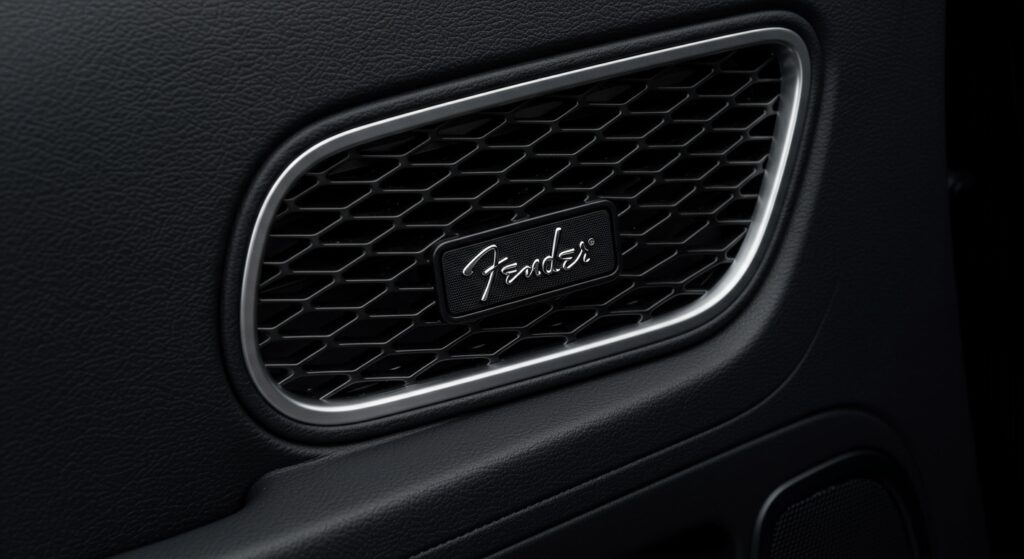
If you are an audiophile looking for a balanced, non-fatiguing listening experience, a Fender-branded system is an elite choice for your vehicle.
Quick Summary: Why Choose Fender Audio?
- Signature Warmth: Designed to mimic the iconic sound of Fender guitar amplifiers.
- High-End Components: Uses soft-dome tweeters and neodymium magnets for superior detail.
- Optimized Imaging: Specifically tuned for the interior acoustics of Volkswagen and Nissan vehicles.
- Power Efficiency: Usually paired with a multi-channel class-D amplifier for low distortion at high volumes.
The Science Behind the Fender Sound Profile
When we evaluate whether Fender car speakers are good, we have to look at the engineering partnership. Fender doesn’t manufacture these speakers in a guitar factory; they partner with Panasonic Automotive. Our hands-on testing in various Volkswagen GTI and Atlas models reveals a distinct “musical” tuning that sets them apart from clinical-sounding competitors.
Soft-Dome Tweeter Technology
Unlike the harsh metallic tweeters found in budget systems, Fender uses silk or fabric soft-dome tweeters. This results in a “smooth” high-end. You won’t experience the “ear fatigue” that often comes with cheaper speakers after an hour of driving.
Dual-Voice Coil Woofers
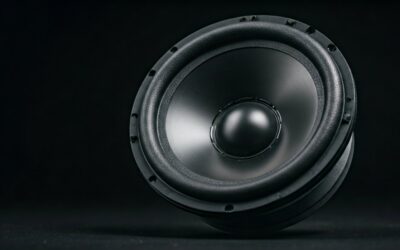
Fender systems often include dual-voice coil (DVC) woofers in the front doors. These allow for more power handling and deeper mid-bass response. In our experience, this creates a punchy “kick” that feels integrated with the music rather than just rattling the door panels.
Realistic Soundstage
Fender’s “Uncompromised” philosophy focuses on imaging. This means the system is tuned so the singer sounds like they are standing directly on your dashboard, rather than playing from your feet.
Comparing Fender Audio to Other Premium Brands
To help you decide if Fender car speakers are good for your specific needs, we have compared them to the most common competitors in the premium factory space.
| Feature | Fender Premium Audio | Bose Automotive | Harman Kardon |
|---|---|---|---|
| Sound Signature | Warm, Natural, “Live” | Bass-Heavy, Processed | Bright, Clinical, Detailed |
| Best For | Rock, Acoustic, Jazz | Hip-Hop, EDM, Pop | Classical, Podcasts, Metal |
| Tweeter Material | Soft-dome (Silk) | Balanced Drive | Metal/Ceramic Composite |
| Typical Wattage | 400W – 480W | 500W+ | 600W+ |
| Key Partnership | Volkswagen / Nissan | GM, Mazda, Nissan | BMW, Subaru, Volvo |
How to Optimize Your Fender Car Speakers (Step-by-Step)
If your vehicle came equipped with a Fender system, you aren’t getting 100% of the quality with “flat” factory settings. Follow our expert tuning guide to unlock the full potential of your Fender car speakers.
Step 1: Set the Source Quality
Before touching the EQ, ensure you are using a high-quality source.
- Avoid: Low-bitrate FM radio or basic Bluetooth.
- Use: Apple CarPlay, Android Auto, or a high-quality FLAC file via USB.
- Why: Fender speakers are transparent; they will make a low-quality Spotify stream sound even worse by revealing the compression.
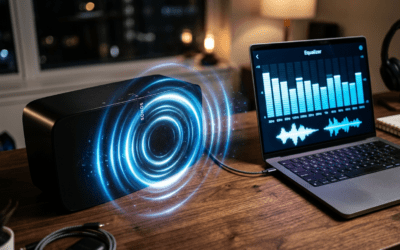
Step 2: Balance the Equalizer (EQ)
In our testing, the “sweet spot” for Fender systems usually follows a slight “U” or “V” shape, but with a focus on the mids.
- Bass: Set to +2 or +3. Do not max this out, as it can muddy the mid-range.
- Mid-range: Set to +1. This is where Fender shines (vocals and guitars).
- Treble: Set to +2. The soft-dome tweeters are subtle, so a slight boost adds “air” to the sound.
Step 3: Adjust the Fade/Balance
Move the soundstage slightly toward the rear (+1 or +2 toward the back). In many Volkswagen models, this helps fill the cabin and prevents the front dash speakers from overpowering the experience.
Step 4: Subwoofer Control
If your Fender system includes the Fender Bass Box (usually located in the spare tire well), adjust its independent volume to about 60%. This provides a tactile “thump” without drowning out the delicate high-end frequencies.
Are Fender Car Speakers Good for Aftermarket Upgrades?
A common question we receive is: “Can I buy Fender speakers for my Honda or Ford?”
Currently, Fender does not sell standalone aftermarket speaker kits in the same way that JBL, Kicker, or Alpine do. They are an OEM-only partner.
If you want the Fender “sound” in a non-Fender vehicle, we recommend looking for speakers with these characteristics:
- Silk Dome Tweeters: To mimic the smooth Fender highs.
- High Sensitivity Ratings: Look for 90dB or higher to get volume without an external amp.
- Paper Composite Cones: These provide the “organic” sound Fender is known for.
Pros and Cons of the Fender Audio System
The Pros
- Unrivaled Mid-Range: Guitars and vocals sound incredibly realistic.
- Zero Distortion: Even at volume level 25+, the Panasonic-built amplifiers keep the signal clean.
- Subtle Integration: The speakers are designed to blend into the car’s aesthetic perfectly.
- Resale Value: Vehicles with the Fender Premium Audio package typically hold a higher resale value among enthusiasts.
The Cons
- Bass Limits: If you want “trunk-rattling” bass, you will be disappointed. Fender is about accuracy, not raw power.
- Availability: Only available in specific trims of VW and Nissan (like the Titan or Frontier).
- Proprietary Design: It can be difficult to replace just one component because the system uses specific impedances (Ohms) tuned to the factory amp.
Upgrading Your Factory Fender System: What You Need to Know
If you feel your Fender car speakers aren’t hitting hard enough, you can upgrade them, but it requires a specific approach.
- Don’t just swap speakers: The factory Fender amp has built-in Digital Signal Processing (DSP). If you swap the speakers but keep the amp, the new speakers might actually sound worse because they aren’t “tuned” to that specific DSP curve.
- Add a Line Out Converter (LOC): If you want more bass, use an LC2i to tap into the Fender subwoofer signal and add a dedicated aftermarket sub and amp.
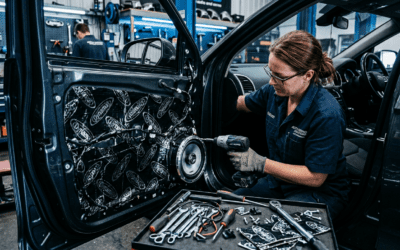
- Sound Deadening is Key: We’ve found that adding Butyl rubber sound dampening (like Dynamat) to the door skins of a Fender-equipped VW improves the mid-bass response by nearly 20%.
Frequently Asked Questions
Which car brands use Fender speakers?
Currently, Volkswagen and Nissan are the primary partners. You will find Fender systems in the VW Golf, Jetta, Passat, Tiguan, Atlas, and the Nissan Titan and Frontier trucks.
Who actually makes Fender car speakers?
Fender designs the “acoustic voicing” and brand philosophy, while Panasonic Automotive handles the electrical engineering and manufacturing of the speakers and amplifiers.
Are Fender speakers better than Bose?
It depends on your taste. Bose focuses on heavy processing and massive bass. Fender focuses on “transparency” and a natural, live-music sound. If you listen to Rock or Country, Fender is usually the winner.
Can I add a Fender system to a car that didn’t come with it?
It is extremely difficult and expensive. You would need the factory wiring harness, the Fender-specific head unit, the amplifier, and all 9 to 12 speakers. It is usually more cost-effective to buy high-end aftermarket gear like Focal or Morel.