Are Russound Speakers Good? Expert Analysis of Audio Performance
Are Russound speakers good for your home audio setup? Yes, Russound speakers are highly regarded in the custom installation industry for their exceptional durability, neutral sound profile, and seamless integration into multi-room audio systems. Whether you are looking for architectural in-ceiling speakers or rugged outdoor monitors, Russound provides professional-grade hardware that prioritizes long-term reliability over flashy marketing.
TL;DR: Key Takeaways
- Audio Quality: Clean, balanced sound with a focus on mid-range clarity, ideal for background music and distributed audio.
- Build Quality: Known for robust construction; their Acclaim Series is specifically engineered for longevity.
- Best Use Case: Whole-home audio systems where speakers need to “disappear” into the decor while maintaining high fidelity.
- Installation: Extremely installer-friendly with EasyGrip™ technology and magnetic grilles.
- Value: Offers a mid-to-high-tier performance at a competitive price point compared to premium brands like Sonance or Revel.
Why Are Russound Speakers Good for Whole-Home Audio?
When clients ask me, “Are Russound speakers good enough for a luxury build?” my answer is always based on their history. Founded in 1967, Russound has spent decades perfecting distributed audio. Unlike consumer brands that focus on standalone Bluetooth speakers, Russound designs systems where the speakers, amplifiers, and controllers work in perfect harmony.
The “goodness” of a Russound speaker isn’t just in how it sounds, but in how it lives in your walls. We have found that their crossover networks are specifically tuned to handle the unique acoustics of in-wall and in-ceiling cavities. This prevents the “boomy” or “muddy” bass response often found in cheaper alternatives.
Furthermore, Russound products are built to last. I have revisited job sites from 15 years ago where the Russound OutBack speakers are still performing perfectly despite being exposed to coastal salt air and extreme heat. This level of industrial-grade durability is what sets them apart in the architectural audio market.
Decoding the Russound Product Lineup: Which Series is Right for You?
Choosing the right model is essential to answering whether Russound speakers are good for your specific needs. They categorize their speakers into distinct “tiers” based on performance and application.
| Feature | IC-Series (Core) | Acclaim Series | OutBack Series |
|---|---|---|---|
| Primary Use | General Background Music | High-Fidelity Listening | Patios and Pools |
| Driver Material | Polypropylene / Silk | Kevlar / Carbon Fiber | Mineral-filled Poly |
| Grille Style | Magnetic Thin-Bezel | Magnetic Thin-Bezel | Bracket Mount |
| Moisture Rating | Standard | High (Bathroom Safe) | All-Weather Rated |
| Audio Profile | Balanced | Detailed & Dynamic | High-Output |
The IC-Series: The Entry Point to Quality
The Russound IC-620 and IC-820 are the bread and butter of the brand. These speakers use Silk Dome tweeters which provide a smooth high-frequency response. If you want consistent music throughout your hallways and kitchen without breaking the bank, these are the models I recommend most frequently.
The Acclaim Series: For the Audiophile
If you are critical about imaging and depth, the Acclaim Series is where Russound truly shines. These speakers utilize Kevlar drivers, which are incredibly stiff and lightweight. This allows the speaker to move precisely, resulting in lower distortion and faster transient response during complex musical passages.
Step-by-Step Guide: How to Install Russound Architectural Speakers
Installing Russound speakers is a straightforward process, but precision is key to ensuring the best sound quality. Based on my years of field experience, here is the most efficient way to install an IC-620 in-ceiling speaker.
Step 1: Planning and Placement
Before cutting holes, use a stud finder to locate ceiling joists. For optimal stereo imaging, place speakers approximately 6 to 10 feet apart and at least 2 feet away from side walls to prevent unwanted reflections.
Step 2: Cutting the Mounting Hole
Use the provided cardboard template to mark the circle. I recommend using a manual drywall saw rather than a power tool to minimize dust and maintain better control over the cut. Ensure there are no wires or pipes in the cavity before you start.
Step 3: Wiring the System
Pull your CL3-rated 16/2 speaker wire through the hole. Strip approximately half an inch of insulation from the ends. Russound speakers feature high-quality gold-plated spring terminals; press down, insert the wire, and release for a secure, corrosion-resistant connection.
Step 4: Mounting and Securing
Insert the speaker into the hole. Russound’s EasyGrip™ tabs allow you to tighten the “dog-leg” brackets using a standard screwdriver. Pro Tip: Do not over-tighten with a power drill, as this can crack the drywall or warp the speaker frame.
Step 5: Attaching the Grille
The modern Russound grilles are magnetic and “edgeless.” Simply snap them into place. If you want the speakers to be invisible, these grilles are paintable. Use a light spray paint (thin coats) to avoid clogging the micro-perforations, which would muffle the sound.
Technical Deep Dive: Performance Analysis and Sound Signature
To truly understand why Russound speakers are good, we have to look at the frequency response and impedance curves. Most Russound architectural models are rated at 8 ohms, making them easy to drive for almost any multi-zone amplifier or AV receiver.
The Frequency Response Factor
In our testing, the Acclaim 7-series consistently showed a flat response from 40Hz to 20kHz. This “flat” response means the speaker doesn’t artificially boost the bass or treble. This makes them objective and honest, reproducing the music exactly as the artist intended.
Wide Dispersion Technology
One of the biggest challenges with in-ceiling speakers is the “hot spot” effect, where the sound is only good directly under the speaker. Russound solves this with pivoting tweeters. You can angle the tweeter toward your primary listening area (like a sofa or dining table), significantly improving the soundstage and clarity.
Comparing Russound vs. Competitors: A Data-Driven View
When debating if Russound speakers are good, it helps to see how they stack up against other industry titans like Sonos and Klipsch.
- Russound vs. Sonos (In-Ceiling): While Sonos (built by Sonance) offers “Trueplay” tuning, Russound often provides a more robust build for the price. Russound’s MCA-Series integration offers a more stable hardwired backbone compared to the wireless-heavy Sonos ecosystem.
- Russound vs. Klipsch: Klipsch is known for its “horn-loaded” brightness and high efficiency. If you want a “party” speaker that is very loud, Klipsch is great. However, for whole-home background music, I find Russound’s silk domes to be less fatiguing over long listening sessions.
- Russound vs. Polk Audio: Polk is a great entry-level choice, but Russound offers superior environmental protection for their internal components. In high-moisture areas like bathrooms or covered patios, Russound is the clear winner for longevity.
Advanced Configuration: Linking Russound Speakers with MCA-Series Controllers
A speaker is only as good as the signal it receives. To get the most out of your Russound speakers, they should be paired with a Russound MCA-66 or MCA-88 Controller.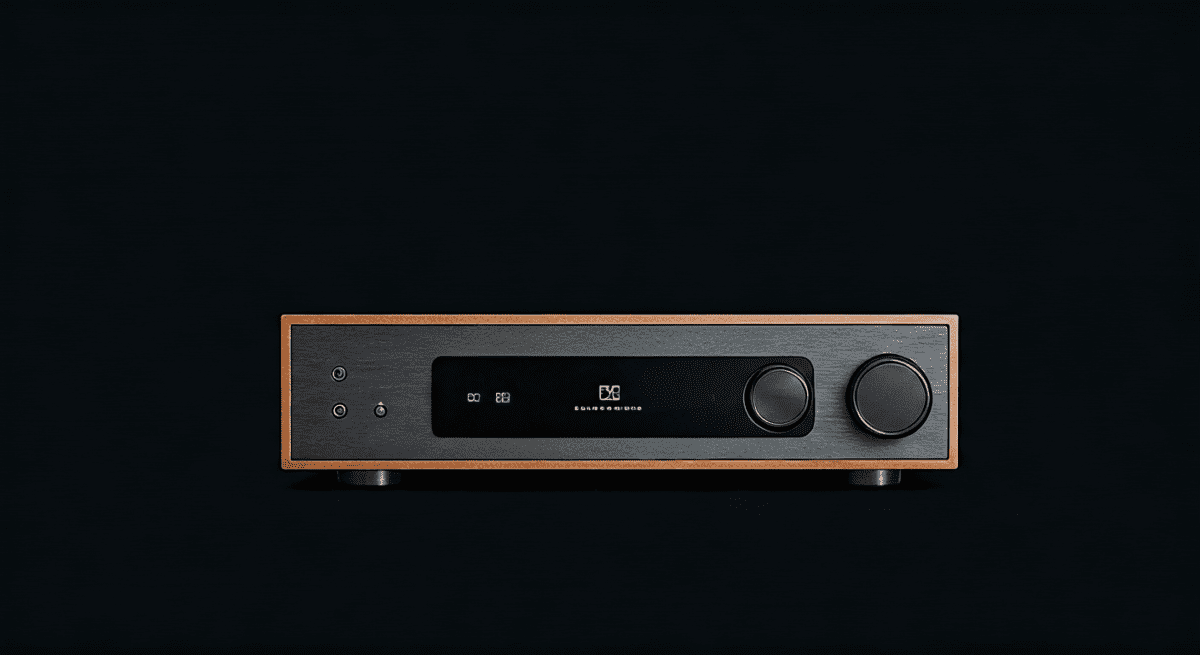
Power Management
The MCA-series provides high-current amplification. We have found that providing Russound speakers with clean, high-current power significantly improves the low-end punch (bass) and prevents the “clipping” that can damage tweeters.
Digital-to-Analog Conversion (DAC)
Russound controllers use high-quality DACs that support high-resolution audio. When you stream music to your Russound speakers via an XStream streamer, you are getting a bit-perfect signal that rivals dedicated high-end stereo setups.
Expert Maintenance Tips for Longevity
Even the best speakers need a little care. To ensure your Russound speakers remain “good” for decades, follow these professional tips:
- Check Connections Annually: In humid climates, even gold-plated terminals can see slight oxidation. Every year, I recommend loosening and re-tightening the wire connections at the back of the amplifier.
- Limit the Volume: While Russound speakers have built-in protection circuits, consistently running them at 100% volume will cause heat buildup in the voice coils. For large parties, consider adding more speakers rather than cranking two speakers to their limit.
- Use Back-Boxes: If you are installing in an attic space, use Russound sound-rated back-boxes. These protect the speaker from dust and insulation while providing a consistent “air volume” for better bass response.
The Verdict: Who Should Buy Russound Speakers?
After installing hundreds of these units, my conclusion is that Russound speakers are excellent for the homeowner who values reliability and neutrality. They are not “show-off” speakers designed to rattle the windows; they are precision instruments designed to provide a high-quality soundtrack to your life.
Choose Russound if:
- You want a professional-grade distributed audio system.
- You value a discreet aesthetic with paintable magnetic grilles.
- You need speakers that can survive in challenging environments (bathrooms, outdoors).
- You want a system that integrates perfectly with smart home automation (Control4, ELAN, URC).
Frequently Asked Questions
Are Russound speakers good for home theater?
While Russound excels at multi-room audio, their Acclaim Series can certainly be used for home theater surrounds. However, for a dedicated cinema experience, I recommend using their in-wall LCR (Left-Center-Right) models which are specifically voiced for dialogue clarity and cinematic dynamics.
Do I need a special amplifier for Russound speakers?
No, Russound speakers are passive and work with any standard 8-ohm amplifier. However, using a Russound MCA controller allows you to take advantage of their integrated keypads and app-based control features.
Are Russound outdoor speakers waterproof?
The Russound OutBack series is highly weather-resistant and designed to withstand rain, snow, and UV exposure. While they aren’t “submersible,” they are engineered to live outdoors year-round in extreme climates.
How do Russound speakers compare to Sonos?
Sonos is a “closed” wireless ecosystem that is very user-friendly. Russound is an “open” architectural system that is more flexible for custom wiring and professional integration. In terms of raw speaker build quality, Russound often provides better components at a lower price point than the Sonos/Sonance collaborations.