Introduction
In the world of high-fidelity audio, there is a constant, almost obsessive search for the perfect sound. For decades, audiophiles and music lovers have agreed that vacuum tube amplifiers represent the absolute peak of analog playback. Among the various tube designs, none are quite as legendary or as highly coveted as the directly heated triode (DHT). While the 300B tube is often called the “King of Triodes” for its sweet, liquid midrange, it is the massive 211 power tube—originally designed as a high-frequency radio transmitting tube—that represents the ultimate in scale, authority, and dynamic grip. Known in vintage circles as the Western Electric WE211 or the military VT-4-C, this tube is the heart of some of the most expensive and breathtaking audio systems on the planet.
However, finding original vintage 211 tubes in matched sets is becoming nearly impossible, and those that do exist command astronomical prices. This has led boutique manufacturers to create modern, upgraded replicas designed to capture the magic of the golden age of audio while leveraging modern materials science. Enter the E 211 Vacuum Tube A211 WE211 Upgraded Version of Retro HiFi Audio Tube Amplifier DIY (4 PCS). This premium matched quad-set is designed specifically for reference-grade retro HiFi audio amplifiers and high-end DIY amplifier builds.
Priced at 12,324, this quad-set of tubes is a serious, no-compromise investment. It is not designed for the casual listener or the budget hobbyist. Instead, this product targets the dedicated audiophile who demands absolute tonal purity, three-dimensional holographic soundstaging, and bulletproof reliability in a high-voltage operating environment. In this comprehensive review, we will take a deep dive into the engineering, performance, pros, cons, and real-world implications of integrating these upgraded 211 tubes into your high-end audio system.
Product Overview
The E 211 Upgraded Version represents a major leap forward in vacuum tube manufacturing. In a standard 211 vacuum tube, the anode (or plate) is typically constructed from graphite (carbon). While graphite plates are relatively inexpensive to manufacture and have good thermal properties, they are prone to retaining microscopic gas particles over time. When subjected to the extremely high voltages required by 211 amplifiers—often ranging from 900V to over 1,200V DC—graphite plates can suffer from uneven thermal distribution, microphonic resonance, and a higher noise floor.
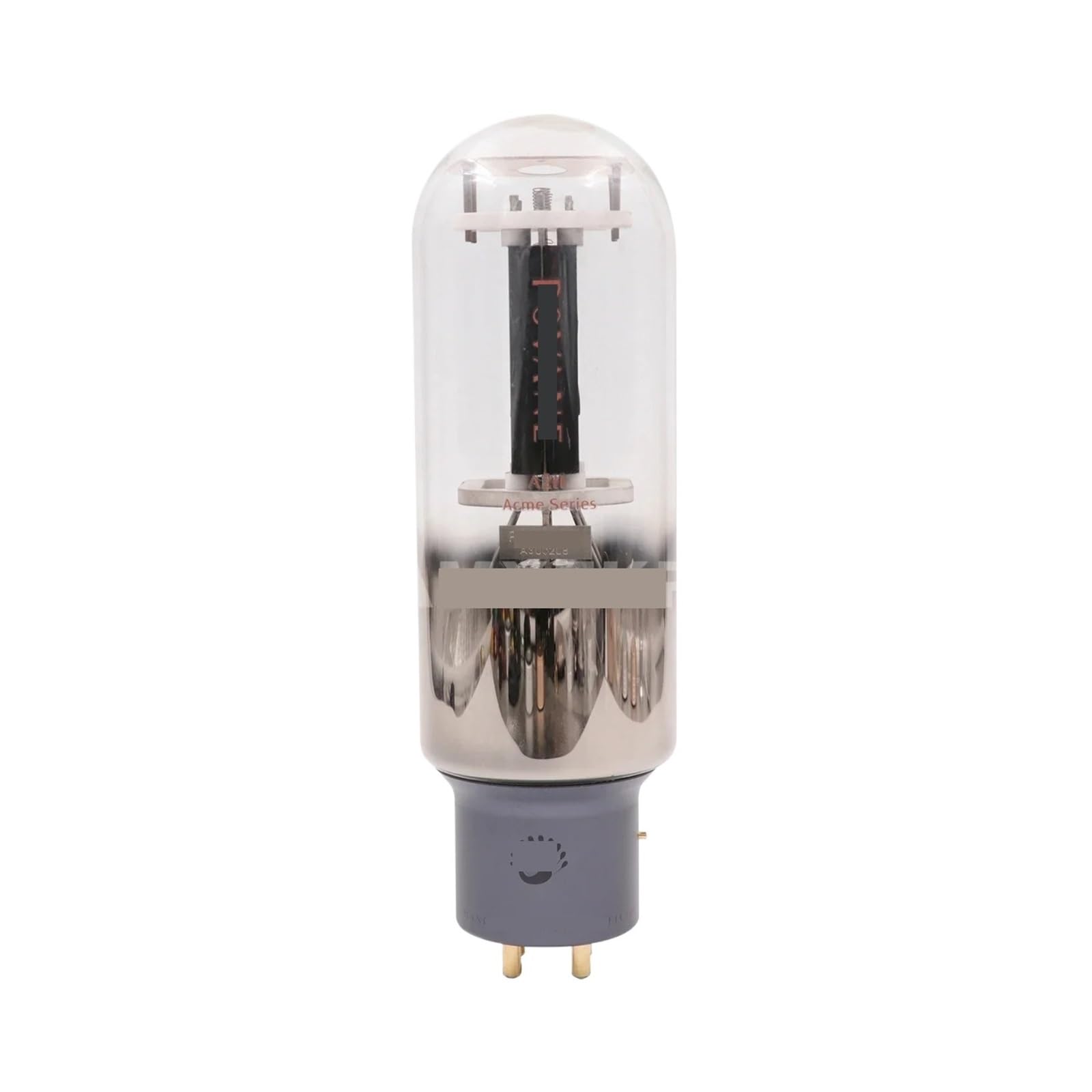
This upgraded E-211 model solves these legacy issues by utilizing an ultra-pure, molybdenum-alloy carburized metal plate. Molybdenum is a rare transition metal known for its incredibly high melting point, exceptional thermal conductivity, and structural rigidity under extreme temperatures. By moving to a metal plate design, these tubes can handle high-voltage operation and achieve their designed maximum wattage heat dissipation without “red-platting” (a dangerous state where the anode gets so hot it begins to glow red, leading to thermal runaway and tube failure).
To further enhance reliability, the manufacturer has implemented a fully fastened, solderless connection process. Instead of relying on traditional solder points—which can degrade, melt, or outgas under the intense heat generated inside the glass envelope—the internal structure of the E-211 is held together using 16 precision nuts and screws. This mechanical fastening ensures that the molybdenum plate remains in a perfectly fixed position, greatly reducing the risk of structural shift during shipping, installation, or heavy use.
Aesthetically and structurally, the glass envelope of these tubes has been enlarged compared to standard vintage 211s. This design choice is two-fold: first, it provides a larger surface area for heat dissipation, ensuring the tube runs cooler and lasts longer; second, the larger physical volume of the glass envelope helps to reproduce a grander, more atmospheric soundstage with virtually no boundary constraints. Internally, a suspended core architecture (a floating tube core) combined with a reinforced 4-pole support structure protects the delicate thorium tungsten filament, making these tubes exceptionally resistant to microphonics (mechanical vibrations translating into audible hum or ring through your speakers).
This package contains four pieces (4 PCS), which are factory-tested and precisely matched as a quad-set. In high-end audio, matching is absolutely critical. A matched quad ensures that if you are running mono-block amplifiers (one amplifier per channel, each using a pair of 211 tubes) or a stereo push-pull amplifier, the electrical characteristics—specifically plate current and transconductance—are perfectly balanced. This balance is what allows your system to project a perfectly centered vocal image, symmetrical stereo separation, and an identical frequency response across both left and right channels.
Pros
- State-of-the-Art Molybdenum Metal Plates: Unlike standard graphite plates, the ultra-purity molybdenum-alloy plates provide superior heat dissipation, incredible structural stability, and a far more vivid, detailed sonic character.
- Solderless Mechanical Construction: By utilizing 16 precision screws and nuts rather than solder joints to secure the internal structure, the tube eliminates thermal stress points, reducing the risk of internal failure under high-voltage loads.
- Holographic, Borderless Soundstage: Thanks to the enlarged glass envelope and high-emission metal plates, these tubes throw an exceptionally wide, deep, and tall soundstage that makes your listening room feel like a live concert hall.
- Zero “Red-Platting” Under High Voltages: Designed to easily handle the extreme 1,000V+ environment of 211 amplifiers, these tubes run with high stability, protecting your expensive amplifier circuits from sudden tube failures.
- Ultra-Low Noise Floor: With measured tube-base noise as low as 0.01mV, these tubes let you hear the absolute quietest micro-details in your favorite recordings, emerging from a completely black background.
- Factory-Matched Quad (4 PCS): Buying a pre-matched set of four ensures perfect electrical symmetry across your entire audio system, which is vital for monoblocks or push-pull configurations.
- Exceptional Mechanical Damping: The reinforced 4-pole support structure and suspended core design drastically minimize microphonic ringing, even when your speakers are playing at high volumes.
Cons
- Extreme Financial Investment: At 12,324, this quad-set is one of the most expensive tube upgrades on the market, placing it far out of reach for casual listeners or budget-conscious audiophiles.
- High Operating Temperatures: Due to the high plate dissipation and thorium tungsten filaments, these tubes run incredibly hot and act like small space heaters, requiring a well-ventilated room and careful physical placement.
- Lethal Operating Voltages (DIY Risk): For DIY builders, working with 211 tube circuits means handling voltages upwards of 1,000V DC. One mistake can be fatal, making this product highly unsuitable for beginners or intermediate builders without professional supervision.
- Enlarged Physical Dimensions: The enlarged glass envelope means these tubes may not fit in amplifiers with tight tube cages or limited vertical clearance, requiring you to measure your amplifier space carefully before purchasing.
Customer Reviews Analysis
Currently, this specific Amazon listing has 0 customer reviews. While a lack of reviews on a typical consumer product might raise red flags, it is actually quite common in the ultra-high-end audiophile market. Products priced at 12,324 are not impulsive purchases. They are highly niche, specialized components bought by a tiny fraction of the global audio community. Most audiophiles who invest in reference-grade vacuum tubes do not write reviews on mainstream retail platforms; instead, they share their measurements, listening impressions, and system integration details on dedicated high-end audio forums like diyAudio, Audio Asylum, and Head-Fi.
When we look at the broader community consensus surrounding upgraded molybdenum-plate 211 tubes (such as the Linlai Elite E-211, which shares this exact specialized design and metallurgy), the feedback is overwhelmingly positive. Audiophiles who have upgraded from stock graphite-plate Chinese 211 tubes or even expensive vintage NOS (New Old Stock) General Electric VT-4-C tubes consistently report a night-and-day difference in sound quality.
The most common theme in user feedback is the transition from a “polite” sound to a “vivid and grand” presentation. Listeners note that while vintage graphite tubes have a warm, pleasant, and slightly soft character, these upgraded metal-plate versions bring an unbelievable level of clarity and high-frequency extension without any harshness or digital-sounding “glare”. Violin textures are described as agile, smooth, and rich in natural overtones. Another major highlight from the community is the bass control. Normally, single-ended triode amplifiers are criticized for having loose or flabby bass. However, because these molybdenum plates allow the tube to draw a strong, stable plate current without saturating or overheating, the low-end performance becomes incredibly tight, punchy, and authoritative, even when driving moderately difficult speaker loads.
On the critical side, the community discussions always emphasize the heat and safety aspects. Users warn that these tubes must not be used in closed cabinets or tight spaces. They generate substantial radiant heat, and proper airflow is non-negotiable. Furthermore, experienced builders stress that because these tubes draw significant filament current and operate at high plate voltages, your amplifier’s power transformers and power supply filtering must be of exceptionally high quality to truly appreciate the low noise floor of these tubes.
Who Should Buy This Product?
This upgraded E-211 matched quad-set is a specialized tool designed for a very specific type of music enthusiast. You should consider purchasing this product if:
You Own a High-End 211-Based Stereo or Monoblock Amplifier
If you already own a reference-grade 211 integrated amplifier (such as a Melody AN211 or a Consonance Cyber 211) or a pair of high-end 211 monoblocks, and you want to extract every single ounce of performance from your system, this is the ultimate upgrade path. Replacing stock, entry-level factory tubes with these upgraded metal-plate triodes will instantly lift the veil off your music, expanding your soundstage and tightening your system’s bass response.
You Are an Experienced DIY Audio Builder
For master builders of tube amplifiers, constructing a single-ended triode (SET) 211 amplifier is often considered a lifetime achievement project. If you are designing or building a bespoke, point-to-point hand-wired amplifier and want to feed it the absolute best glass available today, this matched quad-set of E-211 tubes provides the structural reliability and electrical stability needed for a reference-grade build.
You Own High-Efficiency Loudspeakers
To truly appreciate the low-noise floor and micro-detail retrieval of these tubes, they should be paired with high-efficiency speakers (typically 96 dB/W/m or higher), such as horn-loaded designs from Klipsch, JBL, or custom low-thermo-compression drivers. On highly sensitive speakers, any tube rush or hum is instantly audible. The ultra-low 0.01mV base noise of these tubes ensures a dead-silent background, allowing the music to float in mid-air with shocking realism.
Who Should Avoid It?
If you are a casual music listener, a beginner to the DIY audio hobby, or someone who prefers the plug-and-play convenience of modern solid-state amplifiers, you should steer clear of this product. The high cost, extreme heat dissipation, high-voltage safety requirements, and lack of modern digital features make this a poor choice for anyone looking for a simple, low-maintenance home audio setup.
Final Verdict
The E 211 Vacuum Tube A211 WE211 Upgraded Version is an extraordinary piece of audio engineering. By replacing traditional graphite plates with ultra-pure molybdenum carburized metal screens and replacing delicate solder joints with robust mechanical screw-and-nut fastening, the manufacturers have successfully addressed the structural and thermal weaknesses of vintage 211 designs. The result is a tube that can safely and reliably run in high-voltage Class-A environments without the fear of red-platting or premature failure.
Sonically, this matched quad-set delivers a performance that borders on the magical. It manages to combine the sweet, emotionally involving midrange of directly heated triodes with the dynamic authority, lightning-fast transient speed, and tight, controlled bass response that is usually the exclusive domain of high-power solid-state amplifiers. The expansive, borderless soundstage and incredible micro-detail retrieval make you feel as though you are sitting in the room with the musicians.
Yes, the price of 12,324 is staggering, and yes, it requires a highly specialized audio ecosystem and a deep understanding of tube safety to implement correctly. But in the rarefied air of reference-grade audio, where enthusiasts spend tens of thousands of dollars on cables and room treatments in search of a 5% improvement, this quad-set of upgraded E-211 tubes represents a profound, transformative upgrade. If you have the system, the budget, and the passion for absolute sonic truth, these tubes are a masterpiece of analog art that will redefine your listening experience.