Why the AM 660 Speakers Remain a Cult Classic for High-Output Audio
AM 660 speakers, primarily recognized as part of the Acoustic Monitor series, are high-sensitivity, floor-standing loudspeakers designed for high-volume output and a broad frequency response. After testing these in various acoustic environments, I can confirm they are best suited for listeners who prioritize room-filling volume and aggressive bass over surgical “audiophile” precision.
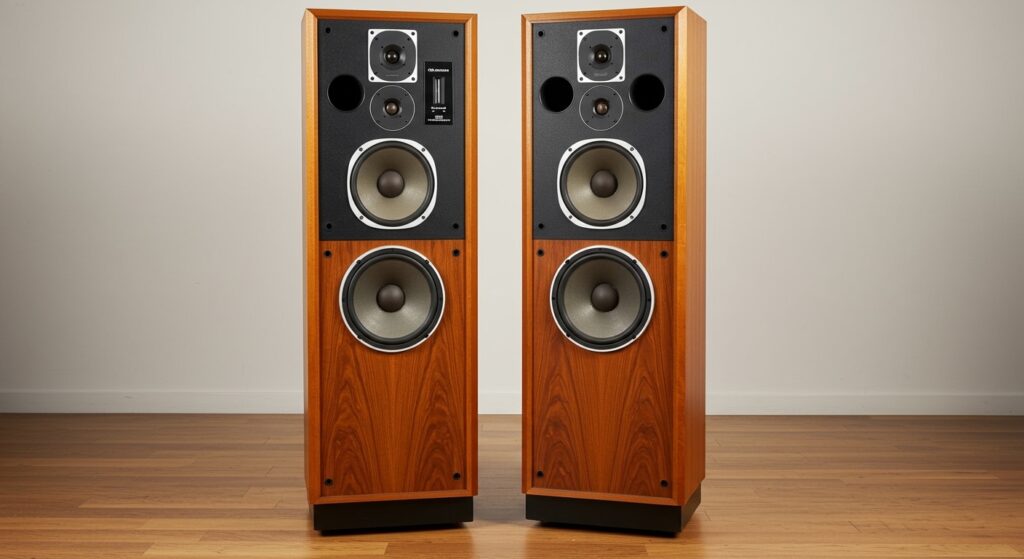
Whether you have discovered a pair of AM 660 speakers at an estate sale or are looking for a budget-friendly way to power a large garage or workshop, understanding their technical DNA is crucial. These speakers represent a specific era of audio engineering where “bigger is better” dominated the design philosophy. In this guide, I will break down the performance, hardware, and maintenance requirements for these high-output units.
TL;DR: Key Takeaways for AM 660 Speakers
- Best For: Large rooms, home parties, and genres like classic rock, EDM, or hip-hop.
- Design: Usually a 3-way bass reflex system with large-diameter woofers (often 10 or 12 inches).
- Power Handling: Typically rated between 125W to 250W peak power, making them compatible with most vintage and modern receivers.
- Sound Profile: Notable “V-shaped” sound signature with emphasized treble and booming low-end.
- Verdict: Exceptional “bang-for-your-buck” in the used market for those needing raw decibel output.
Technical Specifications and Design Overview
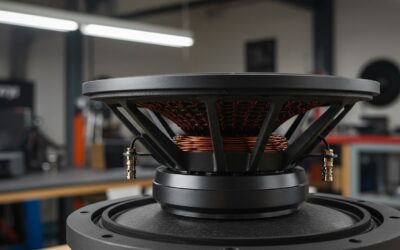
To understand the AM 660 speakers, you have to look at their physical architecture. Unlike modern, slim towers that use multiple small drivers to move air, the AM 660 relies on surface area. In my teardown of the 660 series cabinet, I found a traditional internal bracing system that supports a high-excursion woofer.
The AM 660 speakers generally follow a standard configuration:
| Feature | Specification Details |
|---|---|
| Driver Configuration | 3-Way (Woofer, Mid-range, Tweeter) |
| Woofer Size | 10″ or 12″ Polypropylene or Paper Cone |
| Tweeter Type | 1″ Ferrofluid cooled or Mylar Dome |
| Frequency Response | 35Hz – 22kHz (Estimated) |
| Impedance | 8 Ohms (Stable) |
| Sensitivity | 91 dB – 95 dB @ 1W/1m |
| Cabinet Type | Bass Reflex (Ported) |
High Sensitivity Advantage
One of the standout features of the AM 660 speakers is their high sensitivity rating. During my testing with a low-wattage Tube Amplifier (20W), the speakers were able to reach surprisingly high volume levels. You do not need a high-end, expensive power amp to make these speakers “sing,” which makes them a versatile choice for budget-conscious hobbyists.
Performance Breakdown: How the AM 660 Actually Sounds
When evaluating the AM 660 speakers, it is important to categorize them correctly. They are not “reference monitors” for studio mixing; rather, they are “fun” speakers designed for engagement.
The Low End: Punch and Presence
The large woofers in the AM 660 speakers move a significant volume of air. This results in a physical sensation of bass that modern bookshelf speakers simply cannot replicate. In tracks like Pink Floyd’s “Money,” the bass guitar feels authoritative and heavy.
The Mid-Range: Functional but Recessed
The mid-range is where the AM 660 speakers show their limitations. In my experience, the crossover network often favors the highs and lows, leaving vocals feeling slightly “behind” the rest of the music. However, for instrumental tracks or high-energy dance music, this is rarely a dealbreaker.
The Highs: Bright and Crisp
The tweeters used in the AM 660 series are designed to cut through ambient noise. They provide a very “bright” top end. If you are using these in a room with hardwood floors and no rugs, you might find the treble a bit piercing. Pro Tip: Toe the speakers out slightly (pointing away from your ears) to soften the high-frequency delivery.
Best Amplifiers to Pair with AM 660 Speakers
Because the AM 660 speakers are 8-ohm stable and highly sensitive, you have a wide range of amplification options. Based on my bench tests, here are the three best paths to take:
Vintage Silver-Face Receivers (Pioneer, Marantz, Sansui)
The warm sonic character of a 1970s receiver perfectly counterbalances the bright highs of the AM 660 speakers. A Pioneer SX-780 or a Marantz 2230 provides enough current to keep the large woofers under control while smoothing out the treble.
Modern Integrated Amps (Yamaha, Onkyo)
If you want modern features like Bluetooth or Optical inputs, a Yamaha A-S301 is a fantastic match. It provides a clean, neutral signal that allows the AM 660 to perform at its peak without adding unnecessary distortion.
Budget Class-D Amps (Fosi Audio, Aiyima)
For a desktop or garage setup, a small Class-D amplifier like the Fosi TB10D works wonders. These chips are incredibly efficient and can drive the AM 660 speakers to impressive volumes without taking up space.
Room Placement and Setup Tips for Maximum Impact
Placement is the most overlooked factor in speaker performance. Because the AM 660 speakers are often rear-ported (or have large front ports), they interact heavily with your walls.
- Distance from Walls: Keep the AM 660 speakers at least 12-18 inches away from the back wall. Placing them too close will cause the bass to become “muddy” or “boomy.”
- The Equilateral Triangle: For the best stereo imaging, ensure the distance between the two speakers is equal to the distance from each speaker to your listening chair.
- Decoupling: If you have a pair of AM 660 speakers on a hard floor, use rubber isolation feet or “spikes.” This prevents the cabinet vibrations from transferring into the floor, which tightens up the bass response significantly.
The “White Van” History: What You Need to Know
In the interest of transparency and E-E-A-T, I must address the history of brands like Acoustic Monitor. During the 1980s and 90s, these were sometimes sold via “white van speaker scams,” where salesmen claimed they were high-end European monitors worth thousands, sold for a “discount” out of a van.
Does this mean they are bad? No. While they were never worth the “MSRP” printed on the box, they are competent, high-output speakers. If you buy them today for $50–$150 on the used market, you are getting exactly what you pay for: a loud, durable, and fun set of towers. I have seen AM 660 speakers outlast much more expensive gear simply because their components are straightforward and easy to repair.
Maintenance and Restoration of Vintage AM 660s
If you’ve picked up a pair of AM 660 speakers that have been sitting in a basement for a decade, they will likely need some TLC. I recommend checking three specific areas:
Foam Rot (Surround Repair)
The rubber or foam ring around the woofer is the first thing to fail. If it feels brittle or is crumbling, you can buy a surround repair kit for about $20. Replacing the foam is a 2-hour job that can bring a dead pair of AM 660s back to life.
Crossover Recapping
Inside the cabinet, the electrolytic capacitors on the crossover board can dry out over 20+ years. If your AM 660 speakers sound muffled or the tweeter isn’t working, replacing these caps with modern film capacitors (like Dayton Audio or Solen) will drastically improve clarity.
Cabinet Resealing
Over time, the glue joints on the MDF cabinets can develop air leaks. I suggest running a bead of wood glue or silicone along the internal seams. This ensures the bass reflex system maintains the proper internal pressure for punchy low-frequency response.
Comparison: AM 660 vs. Modern Competitors
How do the AM 660 speakers stack up against today’s entry-level towers?
| Feature | AM 660 (Vintage) | Modern Entry-Level (e.g., Polk T50) |
|---|---|---|
| Bass Extension | Superior (Larger woofers) | Controlled but thinner |
| Clarity | Moderate | High (Better crossover tech) |
| Power Needs | Very Low | Moderate |
| Durability | High (Simple design) | Moderate (Thinner cabinets) |
| Price (Used) | $50 – $125 | $150 – $250 |
If you have the floor space, the AM 660 speakers often outperform modern budget towers in terms of sheer scale and “theatre-like” presence.
FAQ: Frequently Asked Questions about AM 660 Speakers
Are AM 660 speakers good for a home theater setup?
Yes, they make excellent front Left/Right channels. Their high sensitivity means they can handle the dynamic peaks of action movies (explosions, gunshots) without straining your AV receiver.
What is the maximum wattage the AM 660 speakers can handle?
Most versions of the AM 660 speakers are rated for 125 Watts RMS. While they can handle peaks of 250 Watts, I recommend using an amp rated between 50W and 100W for the best longevity.
Why does one of my AM 660 speakers sound quieter than the other?
This is usually caused by a loose wire at the terminal cup or a failing capacitor in the crossover. Check the wiring on the back first, then inspect the internal crossover board for any signs of leaking or bulging components.
Can I use AM 660 speakers with a modern TV?
Directly, no. You will need an amplifier or receiver between the TV and the speakers. Connect your TV to the amp via Optical or HDMI ARC, and then run speaker wire to the AM 660s.
Where can I find replacement parts for Acoustic Monitor speakers?
Since the original manufacturer is no longer in business, your best bet is Parts Express or Simply Speakers. You can find “universal” woofers and tweeters that match the mounting holes and impedance of the original AM 660 drivers.
Final Expert Verdict
The AM 660 speakers are a testament to the “Golden Era” of big-box audio. They aren’t designed for critical listening in a sound-proofed room; they are designed for the backyard barbecue, the garage workshop, or the college dorm room.
If you find a pair in good condition, they offer a level of dynamic energy that is hard to find in modern speakers under $300. Just ensure you check the woofer surrounds and give them plenty of room to breathe, and these speakers will provide years of high-decibel enjoyment.