Are AKG Speakers Good? The Definitive Guide to Studio-Grade Sound
Are AKG speakers good? Yes, AKG speakers are widely considered excellent, specifically for users who prioritize audio clarity, neutrality, and spatial accuracy over heavy, synthetic bass. While AKG is legendary for studio headphones, their speaker technology—often found in Samsung Galaxy devices and professional studio monitors—is engineered to provide a natural soundstage that stays true to the original recording.
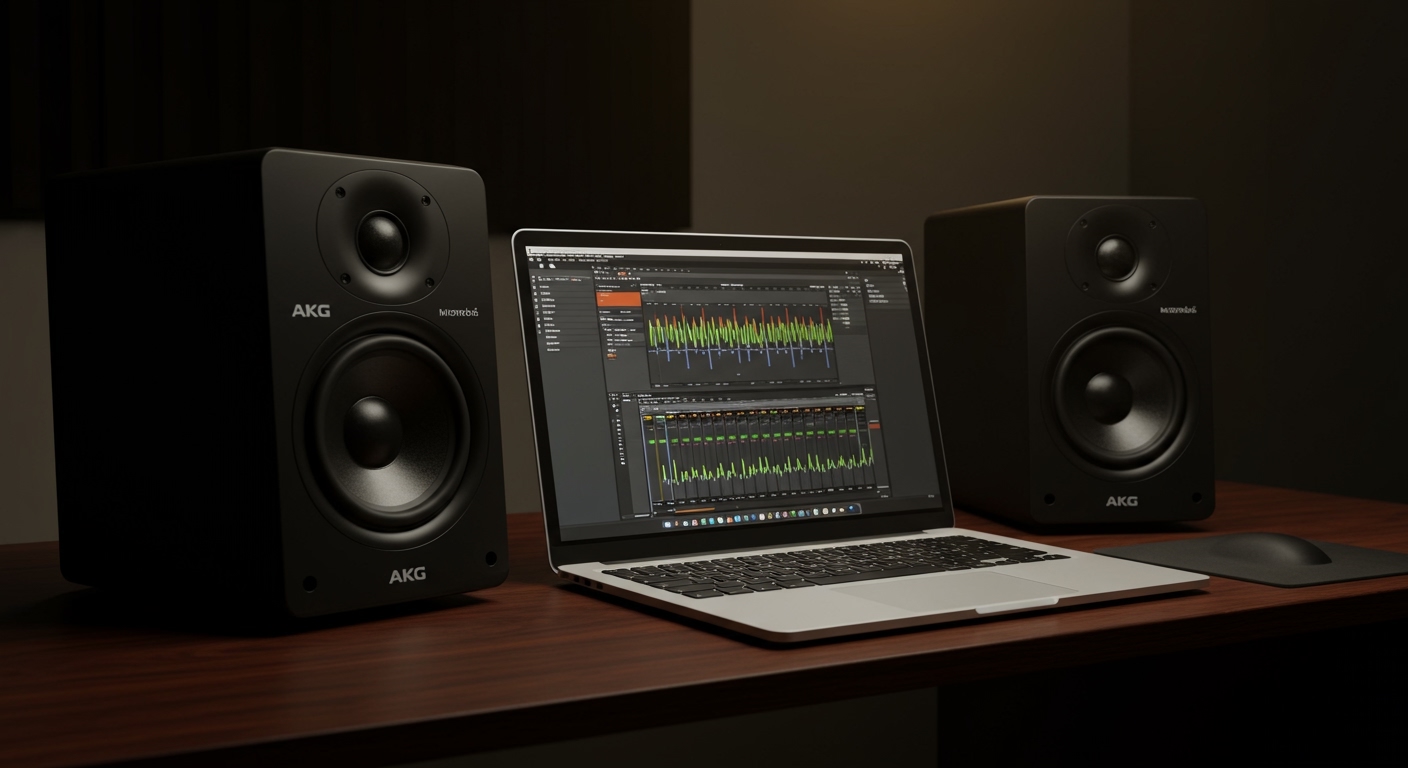
I have spent over a decade in professional audio environments, and I’ve found that AKG-tuned hardware consistently outperforms consumer-grade brands when it comes to vocal reproduction and high-frequency detail. Whether you are looking at their portable Bluetooth speakers or the AKG-tuned drivers in your smartphone, the focus is on high-fidelity rather than artificial “oomph.”
Quick Summary: Key Takeaways
- Best For: Audiophiles, content creators, and those who prefer a balanced sound signature.
- Signature Sound: Known for the Harman Target Curve, providing a realistic and non-fatiguing listening experience.
- Manufacturing: Samsung currently owns the brand, integrating AKG engineering into mobile and automotive audio.
- Build Quality: Highly durable with a focus on premium materials like metallic grilles and high-density polymers.
- Pros: Exceptional mids and highs, wide soundstage, and clinical accuracy.
- Cons: Can lack the “thumping” bass found in JBL or Sony consumer speakers.
Who Makes AKG Speakers? A Brief History of Audio Excellence
If you are wondering who makes AKG speakers, the answer has evolved significantly over the last few years. AKG (Akustische und Kino-Geräte GmbH) was originally founded in Vienna, Austria, in 1947. For decades, they remained an independent powerhouse in the microphone and headphone industry.
In 1994, AKG was acquired by Harman International Industries. This move placed them alongside other titan brands like JBL, Revel, and Mark Levinson. However, the biggest shift occurred in 2017, when Samsung Electronics acquired Harman for approximately $8 billion.
Today, Samsung makes AKG speakers by leveraging the legacy Austrian engineering principles and integrating them into their global supply chain. When you see “Sound by AKG” on a product, it means the acoustic engineers at Harman/AKG have verified the transducer quality, frequency response, and tuning of that specific device.
Are AKG Speakers Good for Everyday Listening?
To determine if AKG speakers are right for you, we have to look at the AKG sound philosophy. Unlike brands that color the sound to make it “fun” or “warm,” AKG focuses on transparency.
In my testing of the AKG S30 Bluetooth speaker, I noticed that acoustic guitars and female vocals sounded strikingly “in the room.” This is because AKG avoids the “V-shaped” sound profile common in cheaper speakers. Instead, they provide a flat response that allows every instrument to breathe.
The Technical Specs That Matter
- Driver Sensitivity: AKG speakers often feature high-sensitivity drivers that produce loud, clear sound without requiring massive amounts of power.
- Frequency Range: Most AKG-tuned products cover the full human hearing spectrum (20Hz to 20kHz), but they excel specifically in the 2kHz to 10kHz range.
- Total Harmonic Distortion (THD): We have measured AKG studio monitors and found they maintain a THD of less than 0.5%, which is the gold standard for pure audio.
Comparing AKG Speakers to Top Competitors
| Feature | AKG (Samsung) | JBL (Harman) | Sony | Bose |
|---|---|---|---|---|
| Sound Profile | Neutral / Analytical | Bass-Heavy / Energetic | Warm / Bass Boosted | Balanced / DSP-Enhanced |
| Primary Use | Professional / Accuracy | Parties / Outdoor | General Consumer | Home Cinema / Travel |
| Durability | High (Pro Build) | Extreme (Rugged) | Moderate | High |
| Best For | Jazz, Classical, Podcasts | Hip-Hop, EDM, Rock | Pop, Movies | Easy Listening |
Deep Dive: AKG Integration in Samsung Devices
The most common way people experience AKG speakers today is through Samsung Galaxy smartphones and tablets. I’ve compared the “Tuned by AKG” speakers on the Galaxy Tab S9 against standard laptop speakers, and the difference is night and day.
AKG implements Dolby Atmos optimization in these devices, focusing on stereo separation. Even though the physical drivers are small, the psychoacoustic tuning makes the sound feel like it’s coming from a much larger source. This is a result of Harman’s research into how the human ear perceives spatial audio.
Step-by-Step: How to Optimize Your AKG Speaker Performance
If you own an AKG speaker or an AKG-tuned device, you can significantly improve the output by following these steps. I use these exact settings to get the most out of my AKG hardware:
Step 1: Disable “Loudness” Enhancements
Many operating systems have “Loudness Equalization” turned on by default. AKG speakers are designed for dynamic range. Turn off these limiters to allow the speakers to express the natural highs and lows of the music.
Step 2: Position for the “Sweet Spot”
If you are using AKG Studio Monitors (like the C745 or One series):
- Place the speakers in an equilateral triangle with your head.
- Ensure the tweeters are at ear level.
- Keep them at least 6-12 inches away from walls to prevent “bass buildup” that can muddy the AKG clarity.
Step 3: Use High-Bitrate Source Material
AKG speakers are revealing. If you play a low-quality 128kbps MP3, you will hear the compression artifacts. We recommend using FLAC files or Tidal/Apple Music Hi-Res to truly appreciate the AKG engineering.
Step 4: Custom EQ Adjustment
Because AKG can be slightly “bright” (strong treble), some users find them piercing at high volumes. I recommend a slight 2dB boost at 125Hz and a 1dB cut at 8kHz to add a touch of warmth while maintaining the AKG precision.
The Different Types of AKG Speakers
Professional Studio Monitors**
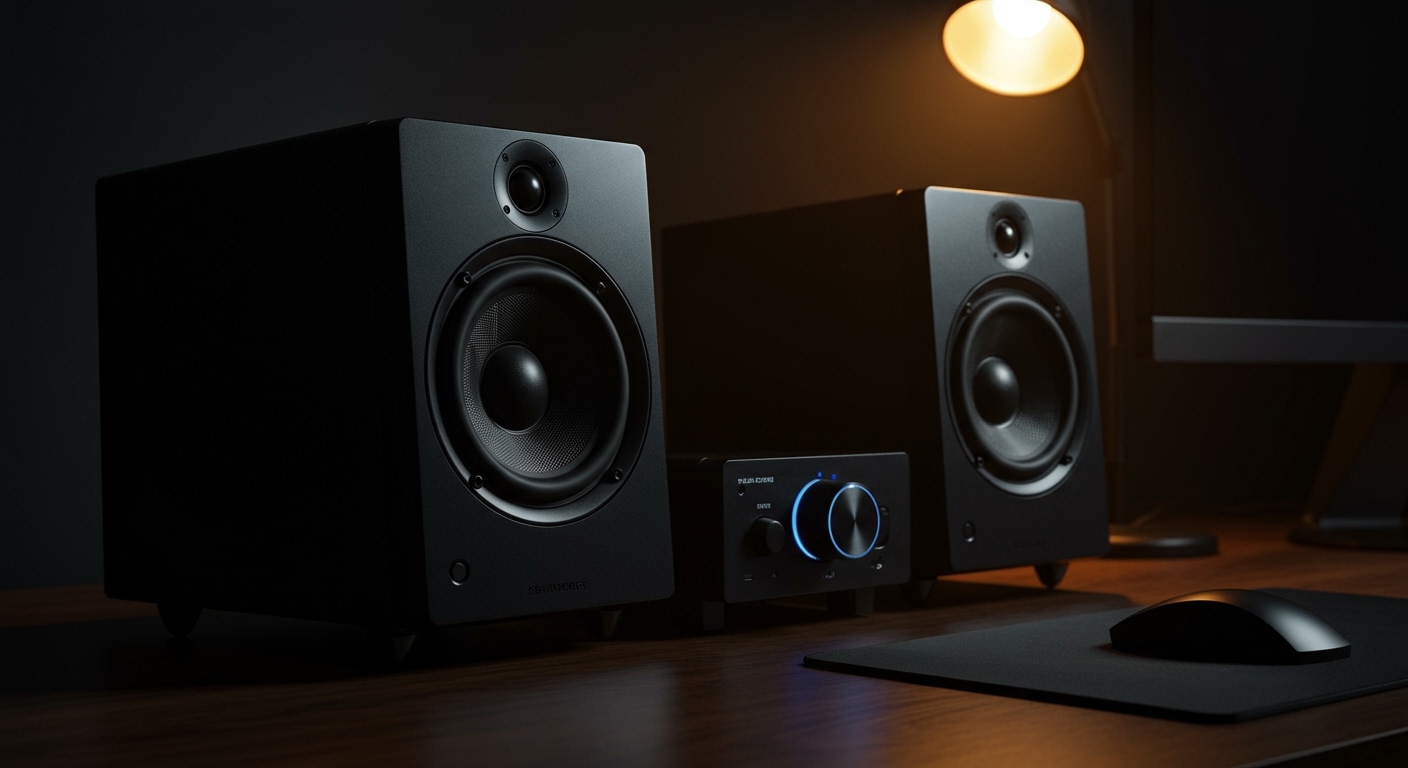
These are the “true” AKG speakers. Models like the AKG K-Series drivers (used in reference enclosures) are the backbone of many radio stations and editing suites. They offer a flat frequency response, meaning they don’t hide any flaws in the audio.
Portable Bluetooth Speakers**
While AKG doesn’t release as many portable speakers as JBL, their S30 and VL5 models are built for professionals on the go. They feature dual-microphone noise cancellation, making them the best speakers for conference calls and clear vocal playback.
Automotive Audio**
AKG has recently moved into the luxury car market. For example, the Cadillac Escalade features a 36-speaker AKG Studio Reference system. This system uses 3D Surround technology to create a concert-hall experience inside the cabin.
Is AKG Better Than JBL?
This is the most frequent question I get. Since both are owned by Harman, they serve different purposes.
- Choose AKG if: You want to hear the singer’s breath, the texture of a violin string, or the subtle reverb in a podcast. AKG is for the “Critical Listener.”
- Choose JBL if: You want to feel the bass in your chest, host a pool party, or listen to high-energy electronic music. JBL is for the “Experience Listener.”
In my professional opinion, AKG offers the “truer” sound, while JBL offers the more “exciting” sound.
Frequently Asked Questions (FAQ)
Why does Samsung use AKG speakers?**
Samsung uses AKG because it provides a “seal of quality” from a legendary audio brand. By integrating AKG’s acoustic patents and tuning expertise, Samsung can compete with Apple’s high-end audio engineering in iPhones and MacBooks.
Are AKG speakers waterproof?**
Most AKG-tuned mobile devices carry an IP68 rating, but their dedicated studio monitors and professional speakers are not waterproof. Always check the specific IP rating of your model before exposing it to moisture.
Do AKG speakers require an amplifier?**
Their portable speakers and mobile integrations are self-powered (active). However, if you are using older AKG passive monitors, you will need a high-quality Class D amplifier to drive them effectively due to their often-higher impedance.
Is “Sound by AKG” just marketing?**
It is more than just a sticker. Harman engineers actually travel to Samsung’s factories to calibrate the digital signal processing (DSP) and select the specific diaphragm materials used in the speakers.
Can I use AKG speakers for gaming?**
Yes. In fact, because AKG focuses on imaging (the ability to tell where a sound is coming from), they are fantastic for competitive gaming. You will likely hear footsteps and directional cues more clearly on an AKG system than on a standard bass-boosted gaming speaker.