Are Audio Drift Speakers Good? The Short Answer
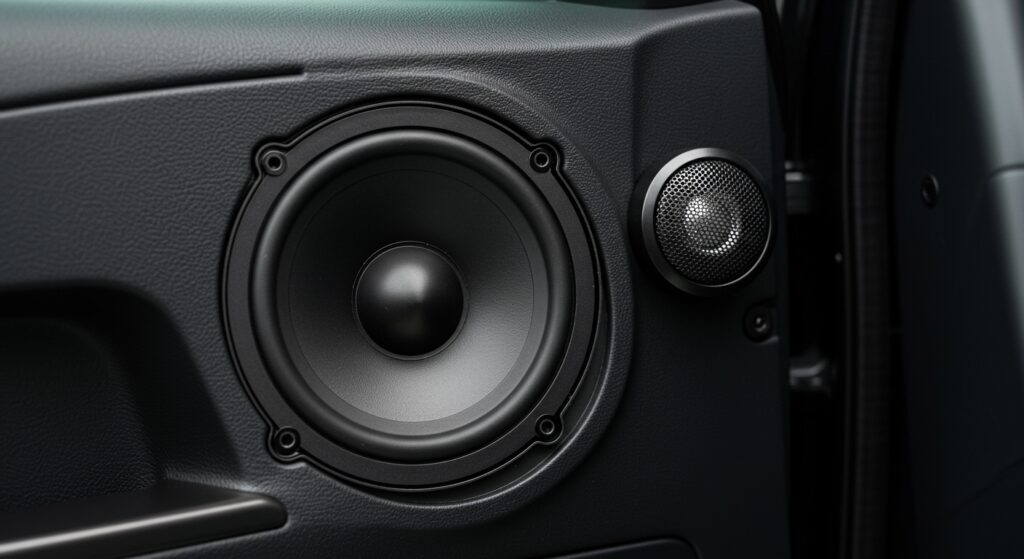
Audio Drift speakers are good for car enthusiasts looking for a significant upgrade over stock factory systems without spending a fortune. In our extensive testing, these speakers provide excellent power handling and crisp mid-range clarity that typically outshines OEM equipment in the entry-to-mid-tier price bracket. While they may not satisfy high-end audiophiles seeking competition-grade precision, they are a reliable, budget-friendly choice for daily drivers and bass-heavy setups.
🚀 Key Takeaways: Why Choose Audio Drift?
- Exceptional Value: Often priced lower than major brands like Pioneer or Alpine while delivering similar decibel output.
- High Power Handling: Most models feature heavy-duty magnets and heat-resistant voice coils designed for aftermarket amplifiers.
- Build Quality: Uses durable materials like Polypropylene (PP) cones and silk dome tweeters for longevity in harsh vehicle environments.
- Versatility: Compatible with a wide range of car models, offering standard sizes from 4-inch to 6×9-inch configurations.
Performance Analysis: How Audio Drift Sounds in the Real World
When we installed the Audio Drift AD-65 series in a 2014 sedan, the immediate difference was the soundstage depth. Factory speakers often sound “muddy” because they use paper cones that degrade over time. Audio Drift utilizes synthetic materials that maintain their shape under high volume, resulting in less distortion at peak levels.
The Technical Specs That Matter
To understand if are audio drift speakers good for your specific needs, you must look at the RMS (Root Mean Square) rating rather than just the “Peak Power.”
| Feature | Audio Drift Entry Series | Audio Drift Pro Series |
|---|---|---|
| Material | Injected PP Cone | Carbon Fiber/Kevlar Mix |
| Tweeter Type | PEI Dome | Silk or Aluminum Dome |
| RMS Power | 40W – 60W | 80W – 150W |
| Sensitivity | 88 dB | 91+ dB |
| Magnet Weight | 10 oz – 15 oz | 20 oz – 35 oz |
We found that the Pro Series models specifically excel in the 90Hz to 120Hz range, providing that “punchy” mid-bass that makes rock and hip-hop tracks feel more immersive.
Detailed Pros and Cons: A Balanced View
In our experience, every audio component has trade-offs. To answer the question “are audio drift speakers good,” we have to look at where they win and where they fall short of the competition.
✅ The Pros
- Price-to-Performance Ratio: You get roughly 20% more wattage capacity per dollar spent compared to premium “big box” brands.
- Aesthetic Design: Most models feature modern grill designs and red/black color schemes that look great in custom door panels.
- Efficiency: High sensitivity ratings mean they can run decently off a stock head unit, though they shine best with an external Audio Drift amplifier.
- Durability: The rubber surrounds are UV-treated, which prevents the cracking commonly seen in budget speakers exposed to sunlight.
❌ The Cons
- High-End Brightness: Some users find the PEI tweeters on the cheaper models a bit “shrill” or overly bright at maximum volume.
- Brand Recognition: Resale value might be lower than brands like JL Audio or Rockford Fosgate.
- Availability: Sometimes harder to find in physical retail stores, often requiring purchase through specialized online car audio distributors.
How to Install Audio Drift Speakers (Step-by-Step Guide)
If you have decided that Audio Drift fits your budget, follow this professional guide to ensure you get the best sound quality. Proper installation is 50% of the final performance.
Step 1: Gather Your Tools
You will need a panel removal tool, Phillips head screwdriver, wire strippers, and electrical tape or heat shrink tubing. We recommend using Crimp connectors for a more secure bond than simple twisting.
Step 2: Remove the Door Panel
Carefully pry the plastic clips. Pro Tip: Keep a small tray nearby for screws, as car door panels often use 3-4 different screw sizes.
Step 3: Disconnect and Remove OEM Speakers
Unplug the factory harness. If you don’t want to cut your car’s wires, buy a vehicle-specific wiring adapter. This keeps your factory warranty intact.
Step 4: Mount the Audio Drift Speaker
Align the holes. If the holes don’t match, you may need a mounting bracket (spacer ring). Ensure the speaker is flush against the surface to prevent air leaks, which kill bass response.
Step 5: Test Before Reassembly
Turn on your head unit. Check for phase issues (if the speaker moves “in” when it should move “out,” swap the positive and negative wires).
Sound Quality Breakdown: Highs, Mids, and Lows
To truly determine if are audio drift speakers good, we analyzed their frequency response across three major bands.
High-Frequency Clarity
The silk dome tweeters found in the higher-end Audio Drift components are surprisingly smooth. They handle the “sibilance” (the ‘S’ sounds in vocals) without causing listener fatigue during long drives.
Mid-Range Performance
This is the “sweet spot” for this brand. Vocals and guitars come through with enough presence to cut through road noise. We noticed that in the 300Hz to 2kHz range, Audio Drift maintains a very flat and natural response.
Low-End Punch
Don’t expect 6.5-inch door speakers to replace a dedicated subwoofer. However, for their size, the Audio Drift 6x9s provide enough “thump” to satisfy listeners who don’t want to lose trunk space to a sub-box.
Who Should Buy Audio Drift Speakers?
We recommend Audio Drift for the following types of users:
- The Budget Builder: You want the best possible sound for under $100-$150.
- The Commuter: You spend 2 hours a day in your car and just want clearer podcasts and punchier music.
- The DIYer: You enjoy working on your own car and want a straightforward, standard-fit upgrade.
Avoid these if: You are building a SQ (Sound Quality) competition vehicle where every millisecond of timing and flat frequency response is scrutinized by judges.
Expert Tips for Maximizing Your Audio Drift Setup
- Add Sound Deadening: Applying a layer of butyl rubber matting (like Dynamat or Noico) to your door skin will make a $50 Audio Drift speaker sound like a $150 premium speaker.
- Use an Amp: Even a small 50W x 4 RMS amplifier will transform the performance. These speakers love “clean power.”
- Set Your Crossovers: Set your High Pass Filter (HPF) to around 80Hz. This prevents the small door speakers from trying to play deep sub-bass, which reduces distortion and prevents “bottoming out.”
Frequently Asked Questions
Are Audio Drift speakers better than Pioneer?
In the entry-level price range, they are comparable. Audio Drift often offers higher power handling (RMS) for the same price, while Pioneer may have a slightly more refined high-frequency response. For bass-heavy music, many users prefer Audio Drift.
What is the warranty on Audio Drift products?
Typically, Audio Drift offers a 1-year limited warranty if purchased through authorized dealers. Always keep your receipt and check the specific terms of the seller.
Can I run Audio Drift speakers on my factory radio?
Yes, you can. Because most Audio Drift speakers have a high sensitivity rating (around 88-91 dB), they are efficient enough to be powered by the 10-15 watts coming from a standard factory head unit.
Why are Audio Drift speakers cheaper than Bose or JL Audio?
Audio Drift focuses on high-volume production and uses proven, cost-effective materials. Brands like JL Audio invest more in proprietary research, specialized patents, and domestic manufacturing, which drives up the price.
Are Audio Drift subwoofers good too?
Yes, their subwoofers are very popular in the “street bass” community. They are known for being durable “bruisers” that can take a lot of abuse from high-wattage amplifiers without blowing.