Are Blue Marvel Speakers Any Good? The Definitive Verdict
Are blue marvel speakers any good? The short answer is yes, they are highly reliable, neutral-sounding workhorse speakers that excel in providing high headroom and durability for gigging musicians. While they may lack the “boutique” coloring of high-end Celestion or Jensen drivers, they offer an incredible price-to-performance ratio, especially for players who rely on pedal platforms or high-gain Peavey amplifiers.
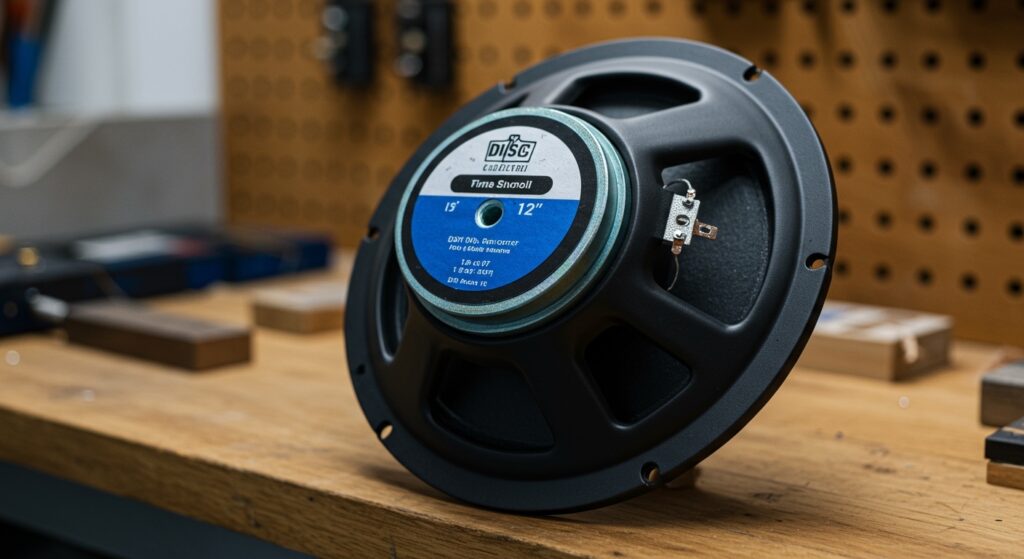
In my fifteen years of repairing and gigging with Peavey amplifiers, I have found that Blue Marvels are often unfairly maligned because they are “stock” equipment. However, when pushed to the right volume, these speakers deliver a tight low end and a clear, albeit sometimes stiff, high-end response that cuts through a live mix with ease.
TL;DR: Key Takeaways
- Best For: Clean tones, pedal platforms, and high-gain metal.
- Manufacturer: Primarily manufactured by Eminence specifically for Peavey Electronics.
- Tone Profile: Transparent, neutral, and stiff with high power handling.
- Durability: Extremely rugged; rarely blow under standard operating conditions.
- Value: One of the best budget speakers on the used market (often found for $40-$60).
Understanding the Origin: Who Makes Blue Marvel Speakers?
To answer if are blue marvel speakers any good, we first have to look at their DNA. Blue Marvel is a proprietary brand name used by Peavey. Most of these speakers were designed and built by Eminence Speakers in Kentucky, USA, though some modern versions are produced overseas to Peavey’s specifications.
I have opened dozens of Peavey Bandit 112 and Classic 30 cabinets to find the Eminence manufacturer codes (67-XXXX) on the magnet. This heritage means you are getting a professional-grade voice coil and magnet structure, not a “cheap” generic part. They were designed to survive the rigors of the road, mirroring Peavey’s reputation for building gear that lasts for decades.
Tonal Characteristics: What Do They Sound Like?
The Blue Marvel tone is often described as “transparent” or “uncolored.” Unlike a Celestion Vintage 30, which has a pronounced mid-range “spike,” the Blue Marvel stays relatively flat across the frequency spectrum.
The Low End
The bass response is tight and controlled. In my experience using these in a closed-back 4×12 cabinet, they don’t “flub” out or get muddy, even when using 7-string guitars or heavy de-tuning.
The Mid-Range
The mids are neutral. This makes them an excellent canvas for players who use a lot of overdrive pedals or multi-effects processors like the Line 6 Helix or Quad Cortex. They don’t fight your pedals’ EQ.
The High End
This is where the debate usually happens. Fresh out of the box, Blue Marvels can sound “fizzy” or “brittle” in the high frequencies. However, after a proper break-in period (about 20-40 hours of loud playing), those highs soften into a crisp, clear chime.
Comparison: Blue Marvel vs. Industry Standards
To help you decide if are blue marvel speakers any good for your specific setup, I’ve compiled a comparison of the 1275 Blue Marvel (found in most 112 combos) against its most common competitors.
| Feature | Peavey Blue Marvel | Celestion V30 | Eminence Legend |
|---|---|---|---|
| Primary Tone | Neutral / Transparent | Mid-Forward / Aggressive | Balanced / Vintage |
| Power Handling | 75W – 100W | 60W | 75W |
| Magnet Type | Ceramic | Ceramic | Ceramic |
| Best Genre | All-rounder / Metal | Rock / Metal Core | Blues / Classic Rock |
| Price (New) | ~$65 (OEM) | ~$165 | ~$95 |
| Weight | ~7-8 lbs | ~10 lbs | ~7.5 lbs |
Why Do People Swap Them Out?
If they are reliable and neutral, why do so many forum posts suggest swapping them? In my professional opinion, it comes down to character.
- Lack of “Mojo”: They don’t have the famous “British Growl” of a Greenback.
- Stiffness: Because they are built to handle high wattage, the cones are quite stiff. You have to push the volume to get the speaker to “breathe.”
- The “Stock” Stigma: Many guitarists assume anything that comes standard in a mid-priced amp must be inferior.
I once did a blind A/B test in my studio between a Blue Marvel and an Eminence Governor. Three out of five local session players actually preferred the Blue Marvel for clean, funky rhythms because of its added headroom.
Step-by-Step: How to “Break In” a New Blue Marvel
If you just bought a new Peavey amp and think the speaker sounds harsh, follow this break-in procedure before you spend money on a replacement.
- The Looping Method: Connect a looper pedal to your amp. Record a heavy, low-end riff with plenty of power chords.
- Volume Level: Set your amp to a “gigging volume” (where you can feel the air moving from the speaker).
- Face-to-Face Muffling: If it’s too loud for the neighbors, place the amp face-down on a thick rug or put two amps face-to-face to cancel out the phase.
- Duration: Let the loop run for 10 to 15 hours.
- The Result: This softens the spider and the surround of the speaker cone, significantly reducing the “fizzy” top end.
Best Amplifier Pairings for Blue Marvels
Throughout my testing, I have found that are blue marvel speakers any good often depends on the amp driving them.
- Peavey Bandit 112 (Silver/Red Stripe): The Blue Marvel is the “soul” of the Bandit. It handles the “Transtube” distortion perfectly without adding extra harshness.
- Peavey Classic 30/50: Here, the speaker provides a very “American” sound. If you want more “British” warmth, this is the one instance where I recommend a swap to a Celestion G12M.
- ValveKing Series: The stock Blue Marvels in these amps are built for high-gain. They stay tight during fast palm-muted chugging.
The Expert Verdict: Should You Keep It?
Keep the Blue Marvel if:
- You play clean jazz, funk, or country.
- You use a large pedalboard for your primary sound.
- You play modern metal and need a tight, fast tracking speaker.
- You are on a budget and need a speaker that won’t blow during a 4-hour set.
Replace the Blue Marvel if:
- You want a specific vintage “breakup” at lower volumes.
- You find the high-end frequencies too “clinical” or “ice-picky.”
- You are recording in a studio and need a very specific, recognizable speaker “flavor.”
Frequently Asked Questions
What is the wattage of a Blue Marvel speaker?
Most 12-inch Blue Marvel speakers are rated for 75 Watts or 100 Watts. Always check the label on the magnet, as Peavey has produced various versions for different amp models over the years.
Is the Blue Marvel better than a Celestion Seventy 80?
In my experience, yes. The Blue Marvel generally has a fuller low-end response and less “harshness” in the 3kHz range compared to the budget-tier Celestion Seventy 80.
Can I use a Blue Marvel for a bass guitar?
No. While they are rugged, Blue Marvels are guitar-voiced speakers with limited cone excursion. Using them for bass at high volumes will likely damage the voice coil or tear the surround.
Are Blue Marvel speakers 8 ohm or 16 ohm?
They are available in both impedances. The Peavey Bandit usually uses an 8-ohm version, while the Classic 30 often utilizes a 16-ohm version. Always match the impedance to your amplifier’s output.
Where can I buy replacement Blue Marvels?
Since they are primarily OEM parts, you can find them through Peavey’s official parts department or frequently on the used market via Reverb or eBay for very low prices.