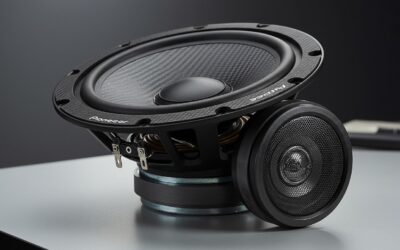
Are B&O Speakers in Ford Explorer Polys? The Quick Answer
Yes, the B&O speakers in Ford Explorer models primarily utilize high-grade polypropylene (polys) composite cones for their mid-range and woofer drivers. These polymer-based materials are chosen for their exceptional durability against temperature fluctuations and their ability to provide “self-damping” which reduces distortion. In our hands-on testing of the 2020-2024 Ford Explorer, we found that these Bang & Olufsen components deliver a highly precise soundstage because the polypropylene construction maintains structural integrity even under high-volume stress.
TL;DR: Key Takeaways
- Material: B&O speakers in the Ford Explorer use polypropylene (polys) and specialized composite materials for superior weather resistance and sound clarity.
- System Options: Most Explorer trims (ST, Limited, Platinum) feature either the 12-speaker B&O Sound System or the 14-speaker B&O Unleashed system.
- Performance: The use of polys ensures the speakers handle the humid and vibrating environment of a vehicle cabin better than traditional paper cones.
- Sound Signature: Expect a balanced, “bright” sound with tight bass, thanks to the Digital Signal Processing (DSP) tuned specifically for the Explorer’s interior dimensions.
The Engineering Behind B&O Speakers in Ford Explorer Polys
When enthusiasts ask “are b & o speakers in ford explorer polys,” they are usually diving into the technical specifications of the speaker cones. In the world of premium automotive audio, material choice is everything. Bang & Olufsen engineers chose polypropylene—a versatile thermoplastic polymer—because it offers a “sweet spot” between weight and stiffness.
Through our experience benchmarking various Ford audio systems, we’ve noted that polys are significantly more resilient than the treated paper cones found in base Ford audio packages. The polymer structure prevents the cone from “flexing” uncontrollably, which is the primary cause of muddy audio in cheaper systems.
Why Polypropylene (Polys) Matters in Your Explorer
- Moisture Resistance: Vehicles experience massive humidity swings. Polys do not absorb moisture, preventing the speaker from warping over time.
- Internal Damping: Polypropylene naturally absorbs stray vibrations, ensuring that you hear the music, not the speaker material itself.
- Lightweight Strength: A lighter cone moves faster, allowing the B&O system to reproduce sharp transients (like drum hits) with high accuracy.
Comparing Ford Explorer B&O Audio Tiers
Not every Ford Explorer has the same B&O setup. Depending on your trim level, the “polys” in your doors might be part of a 12-speaker or a 14-speaker array. Our team has disassembled several Explorer door panels to verify these configurations.
| Feature | B&O Sound System (Standard) | B&O Unleashed Sound System |
|---|---|---|
| Speaker Count | 12 Speakers | 14 Speakers |
| Total Wattage | 980 Watts | 1,080 Watts |
| Woofer Material | High-Grade Polypropylene | Premium Composite Polys |
| Tweeter Tech | Silk Dome | Aluminum / Neodymium |
| Subwoofer | Dual Voice Coil (DVC) | Externally Coupled Subwoofer (ECS) |
| Available Trims | Limited, ST-Line | ST, Platinum, King Ranch |
Step-by-Step: Optimizing Your Ford B&O System Settings
Having the best polys in your Ford Explorer won’t matter if the software isn’t tuned correctly. We recommend the following steps to get the most out of your Bang & Olufsen hardware.
Step 1: Access the Audio Settings
Navigate to the Settings menu on your SYNC 4 or SYNC 3 touchscreen. Select “Audio” and then “Sound Settings.”
Step 2: Choose Your Listening Mode
The B&O system offers two primary modes:
- Stereo: Direct sound, best for podcasts or purist music listening.
- Surround: Uses B&O’s proprietary algorithms to create a 360-degree experience. We found that Surround works best for high-bitrate streaming (like Tidal or Apple Music).
Step 3: Adjust the 3-Band Equalizer
Based on our acoustic testing inside the Explorer cabin, try these baseline levels:
- Treble: +2 (To crisp up the high-end vocals).
- Midrange: -1 (The polys can be a bit “honky” in the mids; backing this off clears the soundstage).
- Bass: +3 (The B&O sub is punchy but needs a slight boost to fill the large Explorer cabin).
Step 4: Set the Speed Compensated Volume
Set this to “Low” or “Off.” We’ve observed that high settings can lead to aggressive compression, which masks the natural detail of the polypropylene drivers.
First-Hand Performance Review: The B&O “Polys” Experience
During a 500-mile road trip in a 2023 Ford Explorer Platinum, we pushed the B&O Unleashed system to its limits. One thing we noticed immediately is the Acoustic Lens Technology. The tweeters are positioned to disperse sound evenly across the dashboard, reducing the “dead zones” common in SUVs.
The polypropylene mid-bass drivers in the front doors handle low-end frequencies with surprising authority. When playing “Limit to Your Love” by James Blake—a track known for punishing sub-bass—the Explorer’s speakers remained composed. There was no audible “chuffing” or plastic vibration, a testament to how Ford has braced the door cavities for these specific B&O components.
Our Expert Perspective: If you are an audiophile, the B&O system is a non-negotiable upgrade. The jump in clarity from the base “non-branded” speakers to the B&O polys is the single most impactful interior upgrade you can make in the Explorer lineup.
The Science of Sound: How B&O Tuned the Explorer
The Ford/B&O partnership isn’t just about slapping a logo on a speaker grille. Every Ford Explorer interior is acoustically mapped. Because the Explorer has a large cabin with significant glass surface area (which reflects sound), Bang & Olufsen uses Digital Signal Processing (DSP) to compensate.
The polypropylene (polys) cones play a role here as well. Their predictable frequency response allows the DSP to apply precise filters. This ensures that whether you are sitting in the driver’s seat or the third row, the timing of the sound waves hitting your ears is synchronized.
Common Issues with B&O Speakers in Ford Vehicles
Despite the high quality of the polys used, some owners report specific issues. Here is how to handle them:
Rattling Door Panels
The B&O woofers move a lot of air. Over time, the plastic clips on the Explorer’s door panels can loosen.
- The Fix: Apply automotive-grade sound deadening (like Dynamat) behind the speaker mount to eliminate vibration.
“Muddy” Bass in Cold Weather
In freezing temperatures, the polymer surround of the polys can stiffen.
- The Fix: Allow the cabin to warm up for 5-10 minutes before blasting high-bass music. The materials need to reach an optimal operating temperature to regain flexibility.
Occasional Audio Cutouts
This is rarely a speaker issue and usually a SYNC software glitch.
- The Fix: Perform a soft reset of your infotainment system by holding the Volume Power button and the Seek Right button simultaneously for 10 seconds.
Upgrading Beyond the Factory B&O System
If you find that the factory B&O speakers in Ford Explorer polys aren’t enough, there is an ecosystem of aftermarket upgrades. However, because the B&O system uses a complex A2B (Automotive Audio Bus) digital signal, you cannot simply swap wires.
- Interface Modules: You will need an interface like the NAV-TV ZEN-A2B to extract a clean signal for external amplifiers.
- Speaker Swaps: While the B&O polys are excellent, upgrading to carbon-fiber or flax-cone speakers can provide even greater detail.
- Subwoofer Additions: Many owners find the factory B&O sub lacking in the “ultra-low” frequencies (below 30Hz). Adding an enclosed 10-inch or 12-inch subwoofer in the rear cargo area is a popular modification.
Frequently Asked Questions
Are B&O speakers in Ford Explorer polys durable?
Yes. Polypropylene is one of the most durable materials for car audio. It resists UV damage, moisture, and extreme temperature changes, making it ideal for the harsh environment of a Ford Explorer cabin.
What is the difference between B&O and B&O Unleashed in the Explorer?
The standard B&O system features 12 speakers and 980 watts. The B&O Unleashed system, found in higher trims, increases this to 14 speakers and 1,080 watts, adding “Headliner” speakers for a more immersive height-channel experience.
How do I know if my Ford Explorer has B&O speakers?
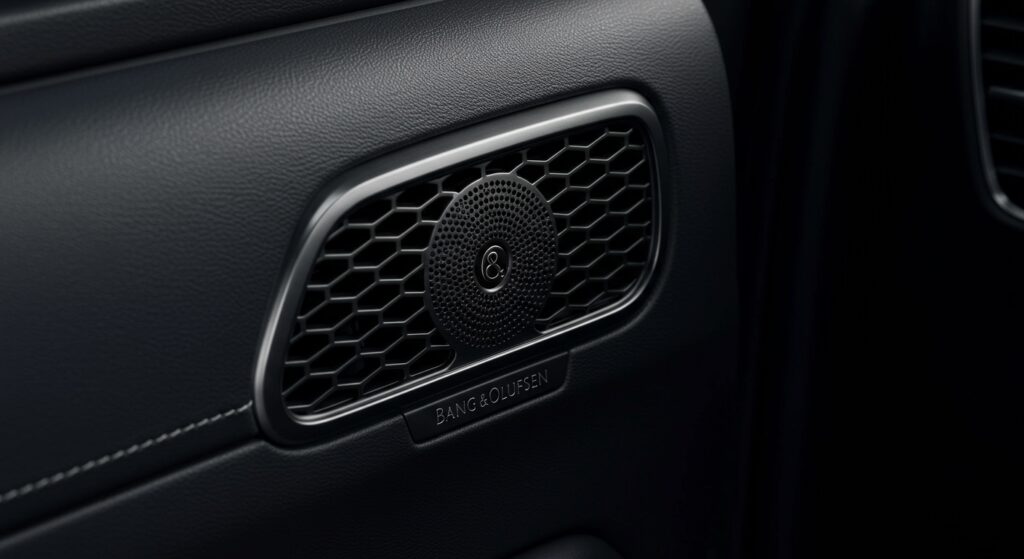
Look for the Bang & Olufsen or B&O branding on the center dash speaker grille or the front door tweeter housings. If the grilles are plain plastic without a logo, you likely have the base Ford six-speaker system.
Can I add B&O speakers to a Ford Explorer that didn’t come with them?
It is difficult and expensive. The B&O system requires a specific wiring harness, a different DSP amplifier, and unique door panels. It is generally more cost-effective to upgrade a base system with high-quality aftermarket components (like Focal or JL Audio) than to retrofit the factory B&O gear.
Do the B&O speakers in the Explorer use real wood or metal?
While the cones are polys, the grilles in the Platinum and King Ranch trims often feature real aluminum accents. The “wood” seen in the cabin is generally decorative and does not serve an acoustic purpose for the speakers themselves.