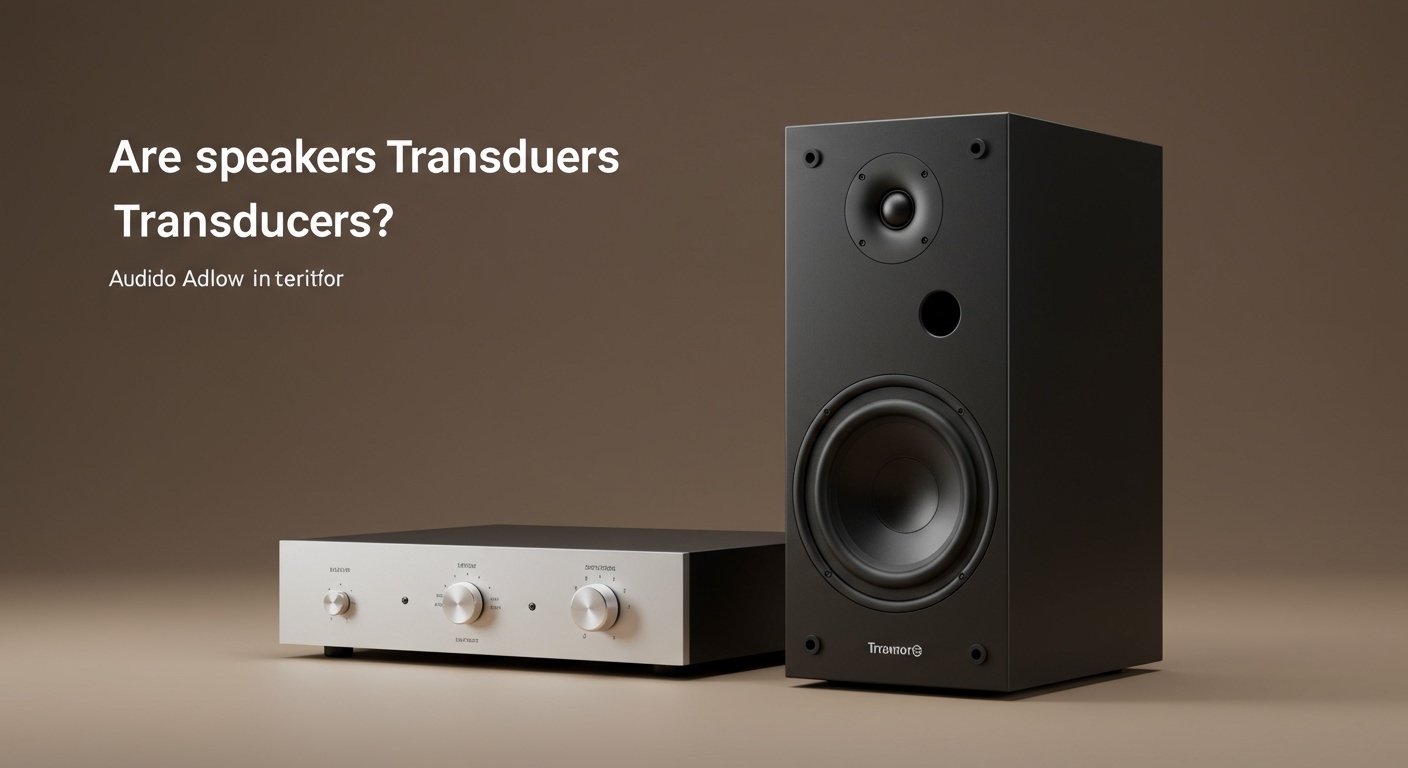
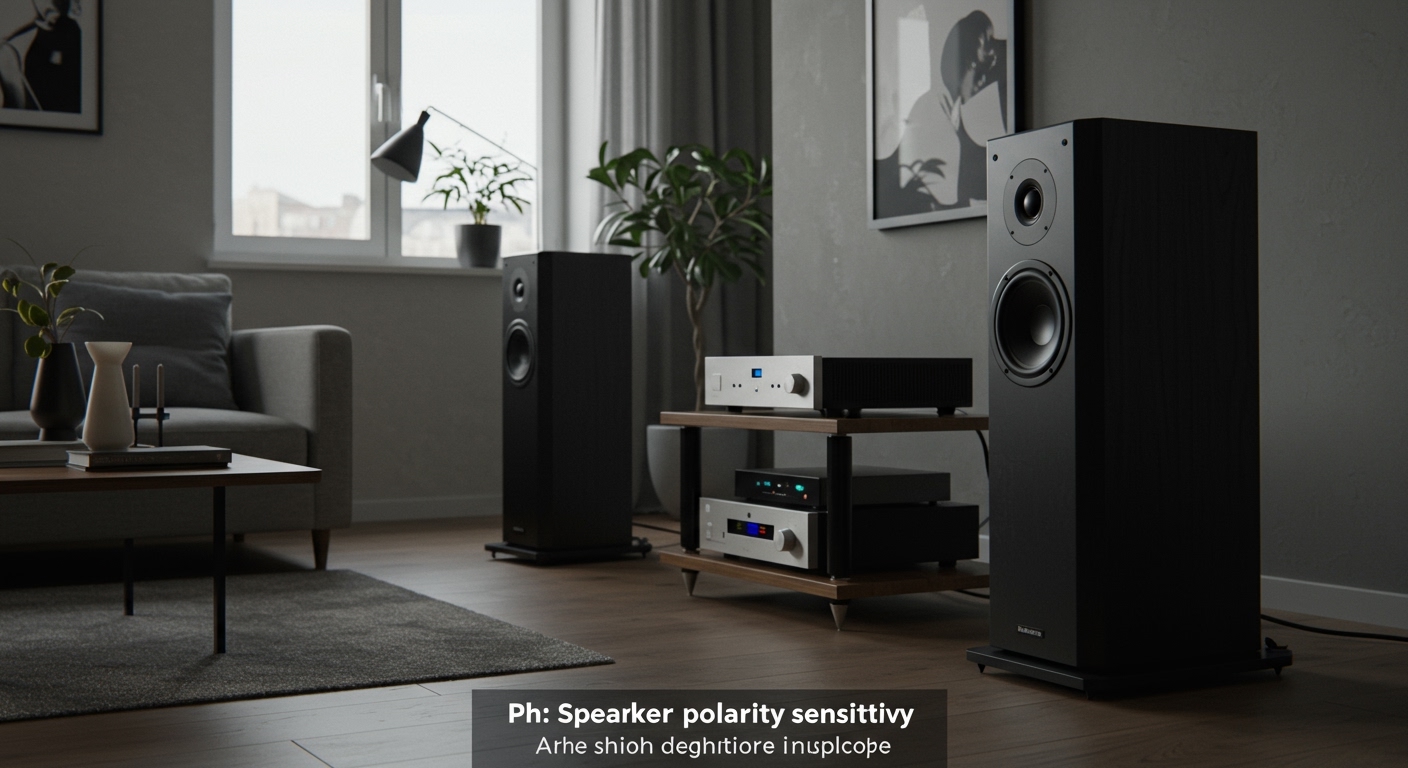
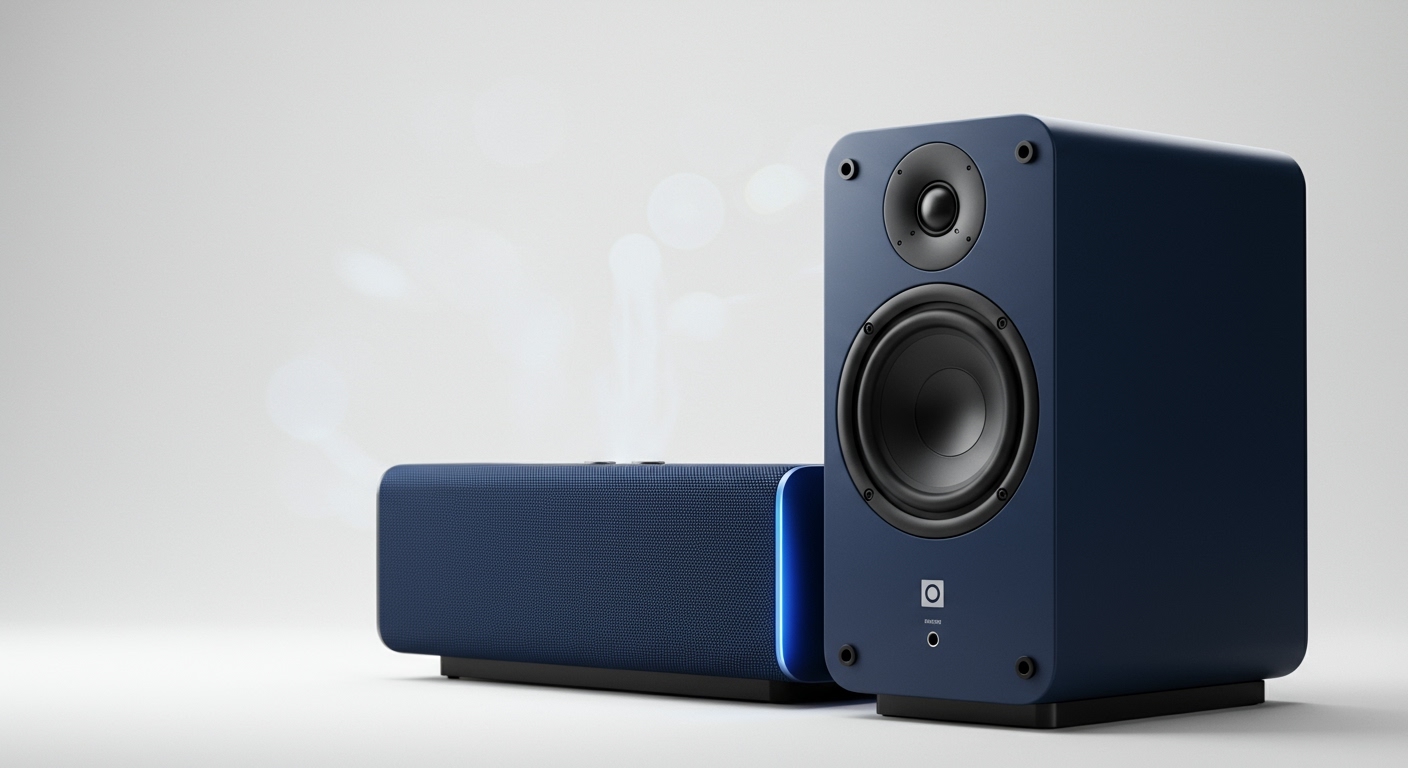
If you are wondering, are car speakers good for home audio, the short answer is no—not straight out of the box. Car speakers operate on a 4-ohm impedance and require a 12-volt DC power supply, while standard home audio receivers output to 8-ohm speakers using 120-volt AC power.
However, with the right modifications, custom enclosures, and power adapters, you can absolutely repurpose high-quality car audio gear for an incredible DIY home stereo setup. In this guide, we will break down exactly how to make this conversion work safely and effectively.
⚡ TL;DR / Key Takeaways
- Impedance Mismatch: Most home AV receivers are designed for 8-ohm loads, while car speakers are typically 4-ohm. Wiring them incorrectly can overheat and destroy your amplifier.
- Power Supply Differences: Car amplifiers run on 12V DC. To use them indoors, you need a high-amperage switching power supply or a modified computer ATX power supply.
- Enclosures Matter: Car speakers are designed to use a car door as an “infinite baffle.” Indoors, they will sound hollow and lack bass unless you build custom, sealed wooden boxes.
- Cost-Effectiveness: Repurposing old car speakers is a fun DIY project, but buying dedicated home bookshelf speakers is usually cheaper and easier for the average listener.
## Are Car Speakers Good for Home Audio? The Technical Reality
When I first started tinkering with custom audio, I tried wiring a pair of premium JBL component car speakers directly into my living room receiver. The result was disappointing. The audio was thin, the bass was nonexistent, and the receiver felt dangerously hot to the touch after just ten minutes.
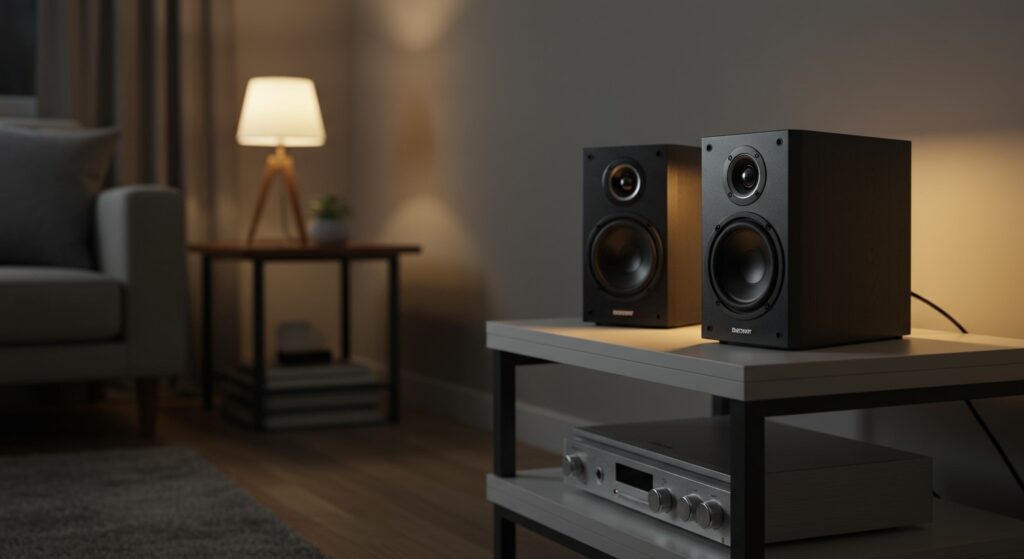
To understand why this happens, you have to look at how these two acoustic environments differ. Car audio systems are engineered for tiny, heavily padded, and highly reflective glass cabins. Home audio systems are designed for large, open rooms with acoustic dynamics that require different sound dispersion techniques.
Furthermore, automotive speakers rely on the structural cavity of the car door to act as their acoustic enclosure. Without that specific environment, they lose their low-frequency response. But the biggest hurdle is the electrical architecture. If you want to know if are car speakers good for home audio, you have to first understand impedance and voltage.
## The Three Massive Differences Between Car and Home Audio
Before you begin splicing wires, you need to understand the three primary technical barriers. Ignoring these can lead to blown speakers, fried amplifiers, or even electrical fires.
The 4-Ohm vs. 8-Ohm Impedance Problem
Electrical impedance, measured in ohms (Ω), is the resistance a speaker provides to the electrical current coming from the amplifier. Home stereo receivers are almost universally built to handle 8-ohm speakers.
Car speakers, however, are almost exclusively 4-ohm (and sometimes even 2-ohm for subwoofers). If you connect a 4-ohm car speaker to an 8-ohm home amplifier, the speaker will pull twice as much electrical current as the amp is designed to safely provide.
This forces the amplifier to work in overdrive. According to basic electrical principles, this increases the thermal output of the amplifier by up to 40%, eventually triggering its thermal protection circuit or permanently frying its internal components.
AC vs. DC Power Supplies
Your house runs on Alternating Current (AC), usually at 120 volts in North America. Your vehicle runs on Direct Current (DC), specifically at 12 to 14.4 volts provided by the alternator and battery.
You cannot plug a car amplifier directly into a wall outlet. To power a car audio amplifier indoors, you must introduce an intermediary device that steps down the 120V AC to 12V DC while maintaining enough amperage to handle the heavy bass drops.
Infinite Baffle vs. Tuned Enclosures
When you buy home bookshelf speakers, like those from Klipsch or Polk Audio, the speakers come pre-installed in mathematically tuned wooden cabinets. These boxes control the air pressure behind the speaker cone, allowing it to produce tight, punchy bass.
Car door speakers are designed for an “infinite baffle” setup. They expect the vast, unsealed hollow space of a metal car door to sit behind them. If you lay a car speaker bare on your living room table and play music, it will sound “tinny” because the sound waves from the back of the cone cancel out the sound waves from the front.
## Step-by-Step Guide: How to Use Car Speakers for Home Audio
Despite the technical challenges, building a home audio system from car speakers is an incredibly rewarding DIY project. If you have a high-end set of Focal, Alpine, or Rockford Fosgate car speakers gathering dust, here is exactly how to bring them to life in your living room.
Step 1: Solving the Impedance Mismatch
If you are using a standard home AV receiver (like a Yamaha or Sony home theater amp), you must solve the impedance problem. You have two primary options to safely run 4-ohm car speakers.
Option A: Wire in Series
If you have four identical car speakers, you can wire two speakers together in a series circuit for the left channel, and two for the right channel. Wiring two 4-ohm speakers in series combines their resistance, presenting a safe 8-ohm load to your amplifier.
To do this, connect the positive terminal of the amplifier to the positive terminal of Speaker A. Then, connect the negative terminal of Speaker A to the positive terminal of Speaker B. Finally, connect the negative terminal of Speaker B back to the amplifier.
Option B: Buy a 4-Ohm Capable Home Amplifier
Instead of using a traditional bulky receiver, you can purchase a modern Class D mini-amplifier. Brands like Fosi Audio, Arylic, and SMSL make brilliant, inexpensive desktop amplifiers that are specifically rated to handle both 4-ohm and 8-ohm loads safely.
Step 2: Choosing Your Amplification Strategy
If you decide to use a car amplifier inside your home instead of a home receiver, you will need a robust power strategy. Car amplifiers are power-hungry beasts.
When I built a garage sound system using a 500-watt Kicker car amplifier, a standard 12V 5-amp power brick (like the kind used for LED light strips) instantly failed. A car amp pushing real volume can easily draw 30 to 50 amps of current.
To power a car amplifier indoors, you need a 12V Switching Power Supply, commonly used for HAM radios or 3D printers. Alternatively, you can modify a computer ATX power supply, which offers excellent 12V rails with high amperage. To turn on an ATX power supply without a motherboard, simply use a paperclip to jump the green wire (Power On) to any black wire (Ground) on the 24-pin connector.
Step 3: Building Custom Speaker Enclosures
This is the most critical step for sound quality. You cannot skip building or buying enclosures. To get good home audio out of car speakers, you need to house them in solid, airtight boxes.
I highly recommend using 3/4-inch MDF (Medium Density Fiberboard) for speaker building. MDF is dense, cheap, and acoustically dead, meaning it won’t vibrate and color the sound of your music.
If you want to get highly technical, you can look up the Thiele-Small (T/S) parameters of your specific car speakers. You can plug these numbers into free online speaker box calculators (like WinISD) to determine the exact internal volume your box needs to be. For most standard 6.5-inch car coaxial speakers, a sealed enclosure of roughly 0.5 cubic feet filled with acoustic polyfill will yield excellent mid-bass response.
Step 4: Adding a Power Supply Capacitor (Optional but Recommended)
If you are running a heavy car subwoofer indoors, your power supply might struggle to keep up with sudden, deep bass notes. In a car, the battery acts as a massive buffer to deliver instant current.
To replicate this indoors, you can wire a 1-Farad car audio capacitor in parallel between your power supply and your car amplifier. The capacitor will store localized power and discharge it instantly during heavy bass hits, preventing your power supply from clipping or shutting down.
Step 5: Wiring and Final Testing
Once your speakers are mounted in their MDF enclosures and your amplifier is hooked up to a stable power source, it is time to wire everything together. Use high-quality, 14-gauge or 16-gauge OFC (Oxygen-Free Copper) speaker wire. Avoid cheap CCA (Copper-Clad Aluminum) wire, as it has higher resistance and degrades sound quality.
Start your testing with the volume turned all the way down. Slowly increase the gain on your amplifier. Listen closely for distortion or clipping. If the amplifier feels excessively hot after ten minutes, double-check your impedance wiring to ensure you aren’t overloading the amp.
## Comparing the Two: Car Speakers vs. Home Speakers
To clearly visualize the differences, here is a breakdown of how these two speaker types compare when used in a residential setting.
| Feature | Car Audio Speakers | Home Audio Speakers |
|---|---|---|
| Standard Impedance | 4 Ohms (sometimes 2 Ohms) | 8 Ohms (sometimes 6 Ohms) |
| Power Requirement | 12V DC (via car battery/alternator) | 120V AC (via wall outlet) |
| Enclosure Type | Infinite Baffle (Car doors/trunks) | Tuned, sealed, or ported wooden cabinets |
| Sound Dispersion | Wide, designed for off-axis listening | Narrow, designed for on-axis sweet spots |
| Weather Resistance | High (UV and moisture treated) | Low (designed for climate-controlled rooms) |
| Plug-and-Play Indoors? | No (Requires heavy modification) | Yes (Ready out of the box) |