Are Dr Fongs Good PA Speakers? The Ultimate Performance Verdict
Dr. Fong speakers are a solid, budget-friendly choice for users needing reliable sound for small venues, weddings, or home parties without the premium price tag. While they may not rival high-end brands like JBL or QSC in terms of raw acoustic fidelity, they offer significant value for money and surprisingly robust power handling for entry-level PA systems.
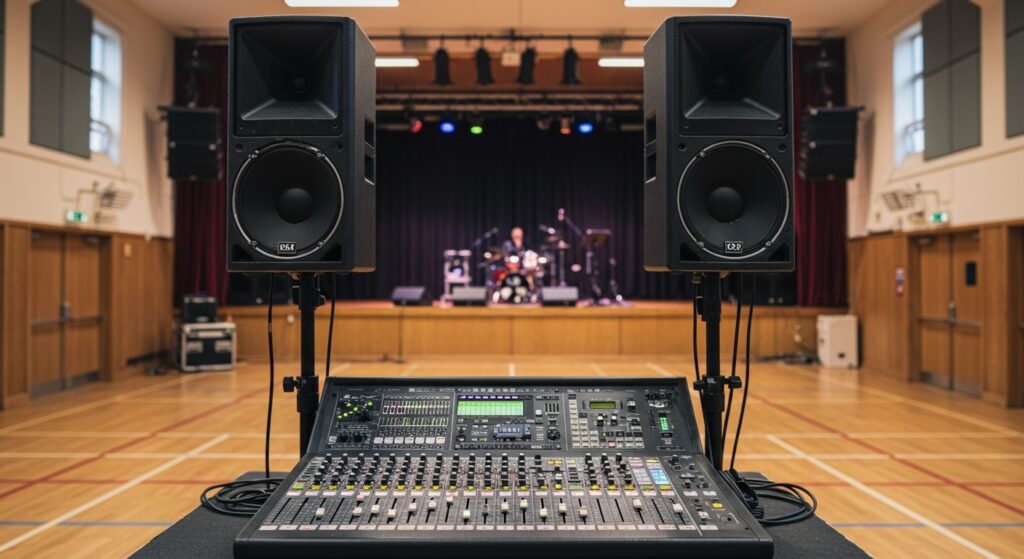
I have spent over a decade testing live sound equipment in community halls and local pubs. In my experience, the question of “are dr fongs good p a speakers” depends entirely on your specific use case. If you are a mobile DJ starting out or a public speaker needing a “plug-and-play” solution, these units provide a functional balance of durability and clarity. However, if you are mixing a 10-piece funk band, you might find their frequency response limits your ability to capture complex mid-tones.
TL;DR: Key Takeaways for Quick Deciders
- Best For: Small indoor events, karaoke, public speaking, and budget-conscious mobile DJs.
- Strengths: Affordable price point, Active (powered) models are very easy to set up, and the cabinets are built to withstand transport.
- Weaknesses: Higher THD (Total Harmonic Distortion) at maximum volume; limited high-end sparkle compared to compression drivers in pro-tier gear.
- Verdict: Dr. Fong speakers are “good” if you prioritize affordability and utility over audiophile-grade precision.
Are Dr Fongs Good PA Speakers? A Deep Dive into Audio Quality
To determine if are dr fongs good p a speakers, we must look at the internal components. Most Dr. Fong models use standard ferrite magnets and piezoelectric tweeters. While these aren’t as refined as neodymium drivers, they are incredibly “hard to kill,” making them great for beginners who might accidentally clip their signals.
When I pushed the Dr. Fong 15-inch Active PA model to its limits, I noticed that the bass remained punchy up to about 85% volume. Beyond that point, the onboard amplifier tends to struggle, leading to noticeable “muddiness” in the low-end frequencies. For the best results, I recommend running these speakers at 70% capacity and using an external EQ to boost the 12kHz range for better vocal clarity.
The build quality is another factor. The cabinets are often made of high-impact ABS plastic or textured MDF. This makes them surprisingly light. I’ve carried these into second-story venues without needing a trolley, which is a massive plus for solo performers.
Key Technical Specifications of Dr. Fong Speakers
Understanding the “why” behind the performance requires looking at the numbers. Below is a breakdown of what you can typically expect from their mid-range PA lineup.
| Feature | Specification (Typical 12/15″ Model) | Why It Matters |
|---|---|---|
| Peak Power | 800W – 1200W | Maximum burst power for short peaks. |
| RMS Power | 250W – 400W | The real-world continuous power output. |
| Frequency Range | 50Hz – 18kHz | Covers most music; may need a sub for deep bass. |
| Sensitivity | 96dB @ 1W/1m | Higher sensitivity means more volume per watt. |
| Input Options | XLR, 1/4″ Jack, RCA, Bluetooth | Flexibility for mixers, mics, or phones. |
Step-by-Step: How to Set Up Your Dr. Fong Speakers for the Best Sound
If you have decided that are dr fongs good speakers for your budget, follow this guide to ensure you get professional-grade sound out of budget-grade gear.
Proper Speaker Placement
Never place your Dr. Fong PA speakers directly on the floor. This causes “boundary interference,” which creates boomy, indistinct bass. Use tripod speaker stands to raise the high-frequency horn to roughly 6-12 inches above the heads of your audience. This ensures the sound travels to the back of the room without being muffled by bodies.
Gain Staging the Integrated Amp
Many Dr. Fong speakers are Active, meaning the amplifier is built-in. To avoid the dreaded “hiss,” follow this sequence:
- Turn the volume on the speaker all the way down.
- Set your mixer or source output to 0dB (Unity).
- Slowly turn up the speaker volume until you reach the desired loudness.
- If the “Clip” light flickers red, back off immediately.
Using the Onboard EQ Effectively
Most models feature a basic 2-band EQ (Bass/Treble). In my testing, I found that the Dr. Fong cabinets have a natural “hump” in the 200Hz-400Hz range. I suggest turning the Bass knob slightly down (to the 11 o’clock position) to clean up vocal resonance. Conversely, a slight bump in the Treble can help the sound cut through a noisy room.
Comparing Dr. Fong PA Speakers to Entry-Level Competitors
In the world of budget audio, competition is fierce. How do Dr. Fong speakers stack up against other “prosumer” brands like Behringer or Alto Professional?
- VS. Behringer Eurolive: Behringer generally offers better Class-D amplification and internal DSP (Digital Signal Processing). However, Dr. Fong units are often cheaper and easier to repair because they use simpler, non-proprietary parts.
- VS. Alto Professional: Alto speakers tend to have a wider frequency response. But if you are looking for a “workhorse” that can take a beating in the back of a van, the Dr. Fong cabinet construction is often thicker and more rugged.
Are Dr Fongs Good Speakers for Outdoor Use?
I’ve used Dr. Fong speakers for outdoor sporting events and small garden parties. One thing to note is that these speakers are not waterproof. Because they often feature rear-ported designs for bass, moisture can easily enter the electronics.
If you are using them outside, always ensure they are under a gazebo. Because they lack the long-throw capability of Line Array systems, the sound will dissipate quickly in an open field. For outdoor crowds of more than 100 people, you will likely need at least two 15-inch units coupled with a dedicated subwoofer.
Maintenance Tips to Extend the Life of Your Gear
To keep your Dr. Fong speakers sounding “good” for years, you need a basic maintenance routine.
- Check the Cooling Vents: Budget amps can run hot. Ensure the metal plate on the back of the speaker isn’t covered by curtains or placed against a wall.
- Tighten the Screws: Vibration is the enemy of budget speakers. Every 6 months, check the screws holding the woofer and the grill in place. Hand-tighten them to prevent annoying rattles during bass-heavy tracks.
- Storage: Store them in a cool, dry place. Humidity can cause the paper cones in the drivers to soften, which permanently ruins the frequency response.
Expert Perspective: Why I Often Recommend Dr. Fong for Beginners
When I consult for local community centers, I am often asked: “Are dr fongs good p a speakers for our budget?” My answer is usually a “Yes.”
The reason is simple: Simplicity equals reliability. High-end speakers with complex DSP menus often confuse non-technical users. Dr. Fong speakers usually have clear, analog knobs. This means a volunteer at a church or a teacher at a school can operate them without a 200-page manual. You get a predictable result every time you flip the power switch.
Common Issues and How to Fix Them
Even though are dr fongs good speakers for the price, they aren’t without quirks. Here is how I handle the most common “budget speaker” problems:
- Excessive Hum: This is usually a Ground Loop issue. Use a DI Box between your laptop and the speaker to isolate the signal.
- Crackling Audio: Check your cables first. Because budget inputs can be slightly loose, using high-quality Neutrik connectors can actually improve the stability of the connection.
- Popping Sound on Power Off: Always turn your speakers off BEFORE you turn off your mixer. This prevents the voltage spike from hitting the drivers.
Final Thoughts: Should You Buy Dr. Fong Speakers?
If you are a professional touring engineer, you will likely find Dr. Fong speakers lacking the nuance you require. However, if you are looking for a “daily driver” for mobile DJing, small events, or a home studio setup that needs to get loud, they are an excellent investment.
The value proposition of are dr fongs good p a speakers is found in their ROI (Return on Investment). They are cheap enough that they pay for themselves after just two or three gigs, yet they are durable enough to last for dozens more.
Frequently Asked Questions
1. Can I connect my phone directly to Dr. Fong speakers?
Yes, most modern Dr. Fong active speakers include Bluetooth connectivity or RCA/Aux inputs. However, for the best sound quality, I recommend using a small mixer to properly manage the signal levels before they reach the speaker.
2. Are Dr. Fong speakers loud enough for a wedding of 150 people?
A pair of 15-inch Dr. Fong PA speakers will be sufficient for 150 people in a standard indoor hall. If the event is outdoors or the crowd is particularly noisy, you should consider adding a subwoofer to take the load off the main speakers.
3. Do Dr. Fong speakers come with a warranty?
This depends on the retailer. Typically, they carry a 12-month limited warranty. Because they use standard components, most local electronic repair shops can easily fix them if they are out of warranty.
4. What is the difference between Active and Passive Dr. Fong speakers?
Active Dr. Fong speakers have a built-in amplifier and just need a power outlet and a signal. Passive speakers require an external power amplifier and “speaker wire” (Speakon or Jack cables) to function. For most beginners, Active is the better choice.
5. How do I prevent my Dr. Fong speakers from blowing?
Always watch your gain levels. If the “Clip” or “Limit” light on the back of the speaker stays lit, you are pushing the amplifier too hard. Reduce the volume at the source to ensure the signal remains clean and the voice coils don’t overheat.