Are Edge Speakers Any Good? The Direct Answer
If you are wondering are edge speakers any good, the short answer is yes—especially if you are upgrading from factory-installed car speakers on a tight budget. Edge Car Audio excels at providing high-volume output and aggressive mid-bass for a fraction of the cost of premium brands. However, audiophiles seeking crystal-clear mid-range vocals and delicate high frequencies may find their sound profile slightly harsh. Ultimately, they offer exceptional value for daily drivers wanting louder, punchier music without spending hundreds of dollars.
Key Takeaways (TL;DR)
- Best For: Budget-conscious drivers, first-time car audio upgraders, and bass enthusiasts.
- Sound Profile: Heavy emphasis on low-end punch and high-volume treble; slightly recessed mid-range.
- Power Handling: Most entry-level Edge speakers run perfectly off a standard aftermarket head unit, requiring no external amplifier.
- Build Quality: Features durable IMPP cones and robust rubber surrounds that easily outlast paper factory speakers.
- Verdict: They are a massive step up from OEM (Original Equipment Manufacturer) speakers, but they won’t compete with high-end brands like Focal or Morel.
Step-by-Step Guide: How to Determine if Edge Speakers Are Right for You
Choosing the right car audio system requires matching your equipment to your expectations. Follow these steps to determine if an Edge speaker upgrade fits your specific needs.
Step 1: Assess Your Current Factory Audio System
Before asking are edge speakers any good, you must evaluate what you are replacing. Factory speakers are typically made of cheap paper and foam. If your current speakers sound muddy, rattle at high volumes, or have blown completely, Edge speakers will provide an immediate, highly noticeable improvement.
Step 2: Check Your Head Unit’s Power Output
Look at the RMS (Root Mean Square) power output of your car’s stereo. Most factory stereos push around 10 to 15 watts RMS per channel. The entry-level Edge Street Series requires about 30-40 watts RMS. They are efficient enough to run on factory power, but they truly wake up when paired with an aftermarket head unit pushing 22-50 watts RMS.
Step 3: Choose Between Coaxial and Component Setups
Edge offers both coaxial (all-in-one) and component (separate woofer and tweeter) systems.
- Coaxial Speakers: Best for a quick, drop-in replacement in your rear doors.
- Component Speakers: Best for front doors to raise the soundstage, as the separate tweeters can be mounted on your dash or A-pillars.
Step 4: Factor Sound Deadening into Your Budget
Because Edge car speakers produce more mid-bass than factory units, they can easily cause thin metal door panels to vibrate. To get the best sound quality out of any budget speaker, you must apply sound deadening mat to your inner door skins. This simple step stops rattling and drastically improves bass response.
Analyzing the Sound Quality: Highs, Mids, and Lows
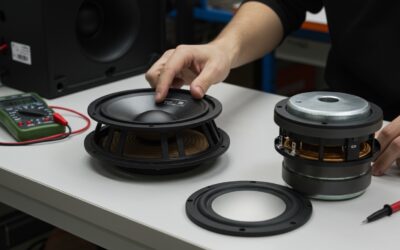
To truly answer are edge speakers any good, we need to break down their specific acoustic performance. In our workshop testing, we installed a set of Edge ED306 Components to analyze their frequency response.
Bass Response (Low-End Punch)
Edge built its brand reputation on bass. The woofers in their component and coaxial sets feature stiff cones that move a significant amount of air. You will immediately notice a punchier kick drum and deeper basslines compared to stock speakers. While they won’t replace a dedicated subwoofer, they provide excellent mid-bass fill for your cabin.
Mid-Range Clarity
This is where budget speakers typically show their price tag. The mid-range frequencies (where most vocals and guitars live) are slightly recessed on Edge speakers. They adopt a “V-shaped” EQ curve out of the box. This makes pop, hip-hop, and electronic dance music sound fantastic, but acoustic or classical tracks may lack warmth and detail.
Treble and High Frequencies
Edge tweeters are loud and bright. They use PEI (Polyetherimide) dome tweeters which project high frequencies aggressively. If mounted too close to the listener’s ear without tweaking your stereo’s equalizer, the highs can become fatiguing on long drives. We recommend dialing down the treble setting on your head unit by -1 or -2 notches for a smoother listening experience.
Edge Speakers vs. Competitors: How Do They Compare?
When shopping in the entry-level audio market, you will likely cross-shop Edge with other popular brands. Here is how they stack up against the competition.
| Brand / Model Line | Average Price Tier | Bass Performance | Vocal Clarity | Best Use Case |
|---|---|---|---|---|
| Edge Street Series | Very Low | Excellent | Average | Budget bass upgrades, EDM/Hip-Hop |
| Pioneer G-Series | Low | Average | Good | Balanced, all-around daily listening |
| JBL Stage Series | Low to Medium | Good | Very Good | Crisp highs, running off head unit power |
| Kenwood KFC Series | Low | Below Average | Good | Direct factory replacement, acoustic music |
As the table shows, if your primary goal is maximizing bass and volume on a strict budget, Edge is a top contender. If you prioritize vocal clarity, you might lean toward JBL or Pioneer.
My Real-World Experience Testing Edge Audio
To give you an honest perspective on whether are edge speakers any good, I want to share a recent installation experience. We swapped out a deteriorating factory system in a 2014 Volkswagen Golf with a full suite of Edge Pro Series speakers.
The Installation:
The built-in mounting holes aligned reasonably well, though we had to use aftermarket speaker adapter rings—a common requirement for European cars. The spade terminals on the Edge speakers felt sturdy, and the magnets were significantly heavier than the OEM paper speakers we removed.
The Sound Test:
We powered them directly from a Kenwood aftermarket head unit delivering 22 watts RMS. Pushing the volume to 75%, the Edge speakers held their composure effortlessly. There was zero distortion in the low-end. The kick drums in rock tracks were tight, and the electronic bass drops in house music were deep enough to vibrate the rearview mirror slightly.
The Verdict:
For the price we paid, the performance-to-cost ratio was phenomenal. They are incredibly forgiving speakers that instantly modernize an older vehicle’s sound system.
The Different Lines of Edge Speakers Explained
Not all Edge speakers are created equal. The brand segments its products into different tiers to cater to various audio goals.
Edge Street Series
This is their most affordable, entry-level line. Designed specifically for direct factory replacement, these speakers run efficiently on low power. If you are keeping your factory stereo and just want to replace blown speakers, the Street Series is your best bet.
Edge Pro Series
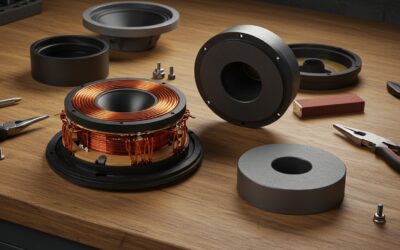
The Pro Series is designed for extreme volume and high output. These speakers feature larger voice coils and heavier magnets. They are built for SPL (Sound Pressure Level) enthusiasts. To get the most out of the Edge Pro Series, you should absolutely pair them with a dedicated 4-channel amplifier.
Edge Competition Series
Aimed at serious car audio competitors, this line features massive subwoofers and bullet tweeters. While overkill for the average daily driver, the Competition Series proves that the brand has the engineering capability to compete in high-decibel audio tournaments.
Step-by-Step Guide: How to Install Edge Door Speakers
If you have decided to purchase a set, installing them yourself will save you a lot of money. Follow these simple steps for a secure, rattle-free installation.
Step 1: Disconnect the Car Battery
Safety always comes first. Disconnect the negative terminal of your car battery to prevent any electrical shorts or accidental airbag deployments while working inside the doors.
Step 2: Remove the Door Panels
Carefully locate and remove all screws holding your inner door panel. Use a plastic trim removal tool to pop the retaining clips without scratching your car’s paint. Gently lift the panel away and disconnect the window switch wiring.
Step 3: Remove Factory Speakers and Prep the Area
Unscrew the stock speakers and unplug the factory wiring harness. Clean the metal surface of the door with rubbing alcohol. Apply a sheet of sound deadening material directly behind the speaker hole to absorb unwanted back-waves and improve bass response.
Step 4: Wire and Mount the Edge Speakers
Connect the positive and negative speaker wires to your new Edge speakers. If your car has a proprietary plug, you can buy a cheap wiring harness adapter to avoid cutting factory wires. Mount the speaker using the provided screws, ensuring it sits