Are English Speakers Welcome in Korea? The Direct Answer
Yes, English speakers are very welcome in South Korea. While the language barrier exists outside of major tourist hubs, Koreans are generally hospitable, and the country has invested heavily in English-language signage, public transport announcements, and tourist assistance services. You will find that most younger Koreans have studied English for years and are often eager to help, even if they are shy about their speaking abilities.
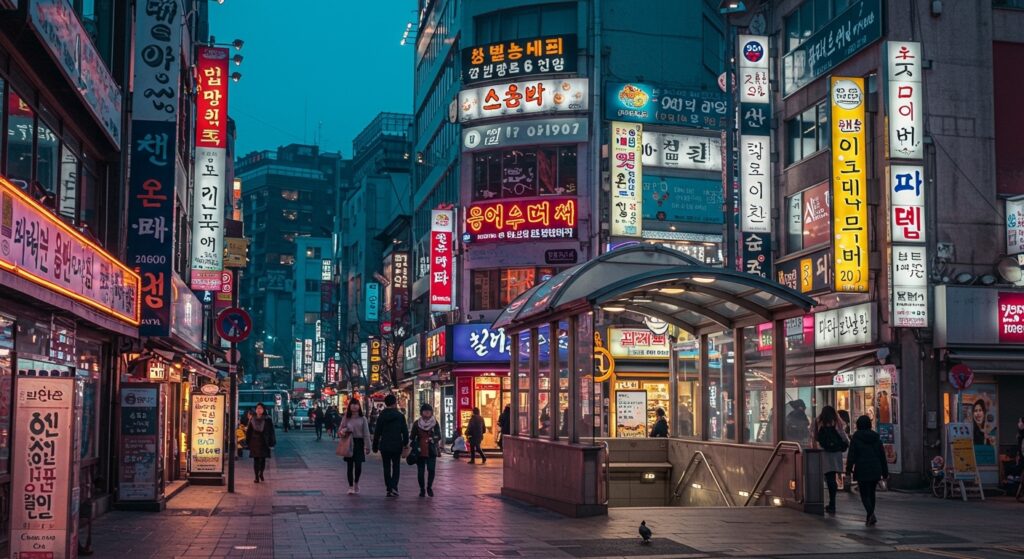
Traveling or living in Korea as an English speaker is not only feasible but increasingly convenient due to high-tech infrastructure and a culture that values international visitors. Whether you are exploring the neon streets of Seoul or the coastal beauty of Busan, you can expect a safe, welcoming, and accessible environment.
Key Takeaways for English Speakers
- High Hospitality: Koreans are generally patient and helpful toward foreigners.
- Infrastructure: Subways and buses in major cities feature English announcements and signs.
- Essential Apps: Always download Naver Maps and Papago (translation) before arriving.
- Youth Proficiency: Gen Z and Millennials in Korea usually have the best English proficiency.
- Safe Environment: Korea is consistently ranked as one of the safest countries for solo travelers.
First-Hand Experience: My Life as an English Speaker in Seoul
When I first landed at Incheon International Airport, I was worried that my lack of Korean would leave me stranded. I quickly realized that the “Are English speakers welcome in Korea?” question has a very positive answer.
From the moment I stepped onto the AREX (Airport Railroad Express), I saw clear English subtitles on every screen. In my experience, even when I couldn’t speak a word of the local tongue, a simple smile and the use of a translation app like Papago opened doors.
I once got lost in the winding alleys of Ikseon-dong. Within minutes, a college student noticed my confusion and used her phone to give me directions in near-fluent English. This level of proactive help is common in urban centers.
Navigating the Language Barrier: Reality vs. Expectations
While you are welcome, it is important to manage expectations regarding fluency. Korea is not a bilingual country like Singapore or the Philippines.
English proficiency varies significantly by age and location. In districts like Itaewon, Hongdae, and Gangnam, you will find many staff members who speak functional English. However, in rural provinces like Jeollanam-do, you may rely entirely on gestures and apps.
English Proficiency Levels by Demographic
| Demographic Group | Proficiency Level | Best Approach |
|---|---|---|
| Students/Gen Z | High / Moderate | Direct English or Apps |
| Office Workers | Moderate | Clear, slow English |
| Shop Owners | Basic | Pointing & Calculator for prices |
| Taxi Drivers | Low | Show address in Hangul |
| Elders | Very Low | Polite gestures & Bowing |
Are English Speakers Welcome in Korea? Reddit vs. Reality
If you search “Are English speakers welcome in Korea Reddit,” you might encounter mixed reviews. Some users report feeling “excluded” from certain clubs or bars in Seoul.
In my experience, these “foreigner bans” at specific nightclubs are rarely about English proficiency. They are often tied to specific business models or, unfortunately, outdated prejudices. However, these represent 0.1% of your total experience.
The vast majority of Reddit users agree that the general public is incredibly welcoming. The “exclusion” people feel is often just a cultural misunderstanding of “No-English” signs, which are sometimes posted because the owner is simply too terrified of not being able to serve you properly in your language.
Step-by-Step Guide: How to Thrive in Korea as an English Speaker
To ensure you feel welcome and navigate the country like a pro, follow these essential steps.
Step 1: Install the “Big Three” Apps
You cannot rely on Google Maps in Korea; it does not provide accurate walking or driving directions due to local security laws.
- Naver Map: The gold standard for navigation. It has an English interface.
- Papago: Created by Naver, this is much more accurate for Korean-to-English translation than Google Translate.
- Kakao T: The Korean version of Uber. You can set it to English and hail taxis easily.
Step 2: Learn the Alphabet (Hangul)
You can learn to read Hangul in about two hours. While you won’t understand the words, being able to read “Coffee,” “Pharmacy,” or “Bus Stop” phonetically is a game-changer. It shows locals that you respect their culture, which makes them even more welcoming.
Step 3: Master Basic Etiquette
The warmth you receive is often a reflection of the respect you show.
- Two Hands: Always give and receive items (money, credit cards, drinks) with two hands.
- Bowing: A simple slight bow of the head when saying “Thank you” (Kamsahamnida) goes a long way.
- Volume: Keep your voice low on public transport. Speaking loudly in English on the subway is considered rude.
Step 4: Use the T-Money Card
Buy a T-Money card at any convenience store (7-Eleven, CU, GS25). You can use this for all buses, subways, and even taxis. It removes the stress of having to communicate with drivers about fares.
Best Cities for English Speakers
While the entire country is generally safe and welcoming, some cities are easier to navigate than others.
Seoul: The Global Hub
Seoul is the easiest city for English speakers. Areas like Myeongdong are designed for tourists. In Itaewon, English is the primary language for many businesses due to the nearby military base and expat community.
Busan: The Coastal Gem
Busan offers a more relaxed vibe. While English is slightly less prevalent than in Seoul, the major tourist spots like Haeundae Beach and Gamcheon Culture Village are very English-friendly.
Jeju Island: The Natural Wonder
As a major international tourist destination, Jeju has excellent English signage and many English-speaking tour guides. Renting a car is common here, and GPS systems are available in English.
Practical Advice for Ordering Food
Dining is a highlight of Korea, but it can be intimidating. Here is how we handle it:
- Picture Menus: Most restaurants in tourist areas have photos. Pointing is perfectly acceptable.
- Kiosks: Many fast-food and “Gimbap” spots use touch-screen kiosks with an “English” button.
- The Bell: Most Korean tables have a “call button.” Press it when you are ready to order. You don’t need to yell for the waiter.
Common Challenges and Solutions
| Challenge | Solution |
|---|---|
| Non-English Menus | Use the Papago Image Translation feature to scan the menu. |
| Taxi Communication | Have your destination written in Korean on your phone. |
| Medical Needs | Look for “International Clinics” in Seoul (e.g., Severance Hospital). |
| Allergies | Have a “Translation Card” explaining your allergy in Korean. |
Employment for English Speakers: Are You Welcome?
If you are looking to work, the answer to “Are English speakers welcome in Korea?” is a resounding “Yes,” especially in the education sector.
The E-2 Visa allows native English speakers from seven specific countries to teach at Hagwons (private academies) or public schools through the EPIK program. Beyond teaching, the tech and entertainment sectors in Seoul are increasingly looking for global talent, though these roles often require some Korean proficiency or a highly specialized skill set.
Safety and Belonging
Korea is one of the few places where I feel comfortable walking alone at 3:00 AM. The “CCTV culture” and high level of social trust make it incredibly safe for English-speaking solo travelers and families alike.
While you may occasionally experience “staring” (especially if you are in a rural area or belong to a minority group), this is usually curiosity rather than hostility. By leading with kindness and using basic Korean phrases, you will find that the local population is eager to ensure you have a positive stay.
Frequently Asked Questions
Can I survive in Korea with only English?
Yes, you can easily survive in major cities like Seoul and Busan with only English. Between English signage, translation apps, and the high English proficiency of younger Koreans, navigating daily life is very manageable for tourists.
Do I need to learn Korean before visiting?
While not strictly necessary, learning to read Hangul (the alphabet) and a few phrases like “Hello” (Annyeong-haseyo) and “Thank you” (Kamsahamnida) will significantly enhance your experience and the warmth of the welcome you receive.
Is Seoul English-friendly?
Seoul is one of the most English-friendly cities in East Asia. Most public transport, major museums, and popular restaurants provide services in English.
What is the best translation app for Korea?
Papago is widely considered the best translation app for Korea. It is owned by Naver and handles the nuances and honorifics of the Korean language much better than other competitors.
Are people in Korea rude to foreigners?
Generally, no. Koreans are known for their “Jeong” (a sense of social bonding and kindness). Any perceived rudeness is often just a byproduct of the fast-paced culture or a language barrier that causes stress for the local person.
**
**
**
**