Are Front Wide Speakers Good? The Ultimate Guide to Soundstage Expansion
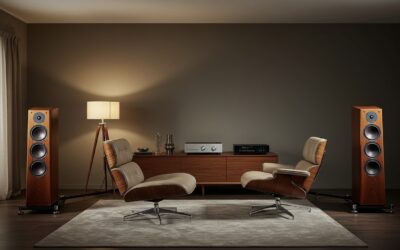
Front wide speakers are an exceptional addition to high-end home theaters because they bridge the sonic gap between your front mains and side surrounds, creating a seamless 360-degree soundstage. If you have a room wider than 15 feet or a multi-row seating arrangement, front wide speakers are effectively “the missing link” that transforms a directional audio setup into a truly immersive, hemispherical environment.
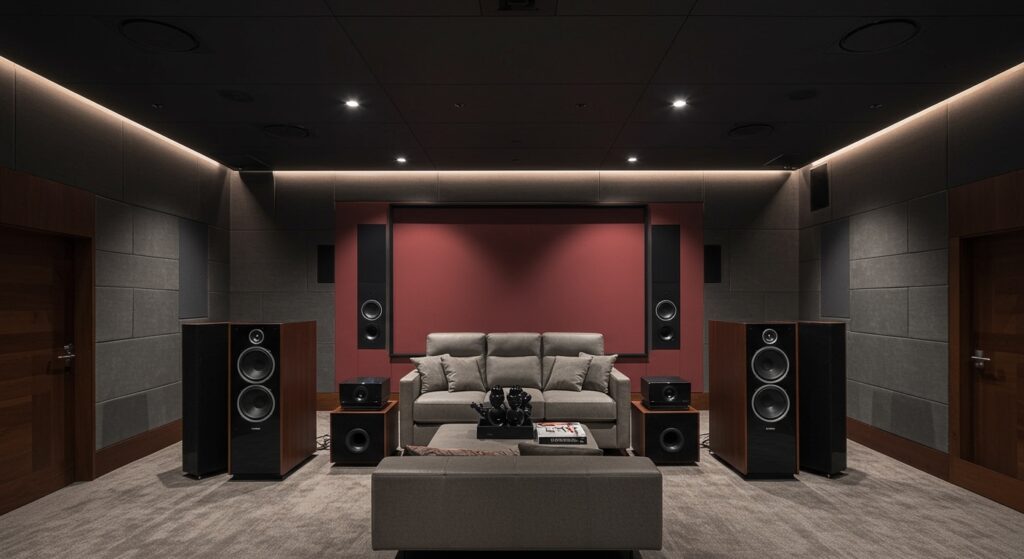
In my years of calibrating 9.1.4 and 11.1.6 Dolby Atmos systems, I have found that while height channels provide the “overhead” thrill, it is the front wide speakers that provide the “scale” and “weight” to the front-of-house audio.
TL;DR: Key Takeaways
- Best For: Large rooms (200+ sq ft), wide seating areas, and dedicated theater rooms.
- Primary Benefit: Eliminates “audio holes” between the front and side speakers.
- Compatibility: Requires an AV Receiver (AVR) with at least 9 or 11 channels of processing.
- Performance: Highly dependent on DTS:X Pro or Dolby Surround Upmixer (DSU) for non-native content.
- Verdict: If your budget and room allow for a 9-channel base layer, front wide speakers are worth it for the increased cinematic scale.
Why Front Wide Speakers Are Worth It for Serious Enthusiasts
When people ask, “are front wide speakers worth it,” they are usually weighing the cost of extra speakers against the perceived benefit. From a psychoacoustic perspective, our ears are incredibly sensitive to sounds coming from the front-lateral plane.
In a standard 5.1 or 7.1 setup, there is a physical gap of roughly 60 to 90 degrees between your front left/right speakers and your side surrounds. When an object “moves” across the screen in a movie—like a car speeding by—the sound often “jumps” from the front to the side.
Front wide speakers act as a bridge. By filling that 60-degree void, they allow for a smoother panning transition. In my testing with the Denon AVR-X8500H, adding wides made the room feel twice as large as it actually was, effectively “pushing back” the walls.
The Role of DTS:X Pro and Dolby Atmos
Most modern movie tracks are mixed in Dolby Atmos or DTS:X. While Atmos uses “objects” that can technically move anywhere, many early Atmos home mixes (7.1.4) ignored the wide positions.
However, with the introduction of DTS:X Pro, which supports up to 32 channels, and the improved Dolby Surround Upmixer (DSU), your system can now “extract” audio information to feed the wides even if the original track doesn’t explicitly use them. This ensures your investment is always active.
Technical Comparison: Front Wides vs. Traditional Surrounds
| Feature | Front Wide Speakers | Side Surround Speakers |
|---|---|---|
| Placement Angle | 50° to 70° from center | 90° to 110° from center |
| Primary Goal | Expands the width of the front stage | Provides lateral and rear immersion |
| Ideal Room Size | Large/Wide rooms (>15ft wide) | Any room size |
| Channel Count | Part of a 9.1 or higher base | Part of a 5.1 or higher base |
| Impact on Imaging | Massive improvement in panning | Essential for directional cues |
How to Set Up Front Wide Speakers: A Step-by-Step Guide
To get the most out of your setup, placement is non-negotiable. If you place them incorrectly, you risk creating comb filtering or muddied imaging.
Step 1: Check Your Receiver Capabilities
Not all 9-channel receivers can power front wides. Ensure your AVR supports “Wide” assignments. Brands like Marantz, Denon, and Trinnov are industry leaders in wide-channel processing.
- Pro Tip: If you have an 11-channel receiver, I recommend a 9.1.2 configuration over a 7.1.4 if your room is very wide.
Step 2: Calculate the Angles
According to Dolby and CEDIA standards, front wide speakers should be placed at an angle of 50 to 70 degrees relative to the primary listening position (PLP).
- If your Front Left is at 30 degrees, your Wide should be roughly halfway between the Front Left and the Side Surround.
Step 3: Match the Height
The tweeters of your front wide speakers should be at ear level when seated. I’ve seen many DIYers mount these too high, which interferes with the overhead Atmos layer. Keep the “bed layer” (the 9 speakers) on a horizontal plane for the best “bubble” effect.
Step 4: Timbre Matching
For the most seamless transitions, use speakers from the same series as your Front L/R. For example, if you use KEF Q-Series for your fronts, use the KEF Q150 or Q350 for your wides. Differences in tonal balance will cause the soundstage to “shift” character as objects move.
Room Dynamics: When Are Front Wide Speakers Good?
Not every room benefits from these speakers. In a small bedroom or a narrow “shoebox” style room, adding more speakers can actually degrade the sound by causing too many early reflections.
The 15-Foot Rule
If your room is less than 12 to 15 feet wide, your Front Left and Right speakers are likely already close to the side walls. In this scenario, the walls act as “virtual” wides through natural reflections. Adding a physical speaker there would be overkill.
However, in a large open-concept basement or a dedicated theater room (20+ feet wide), the distance between the front speakers and the side surrounds is too great. This is where the “audio hole” occurs, and where the front wide speakers become essential.
Advanced Insights: Object-Based Audio vs. Upmixing
One of the most common questions I get is: “Will my speakers actually play anything?”
- Native Content: Some Disney+ and Blu-ray titles have “locked” 7.1.4 mixes. In these cases, the wides stay silent unless you use an upmixer.
- The “Scell” Phenomenon: High-end processors like the Trinnov Altitude use “spatial remapping.” They look at the 3D space and distribute sound to every speaker you have, regardless of the mix.
- DTS Neural:X: This is widely considered the best upmixer for front wide speakers. It aggressively uses the wide channels to expand the music and ambient effects in movies, making the “Are front wide speakers good?” question an easy “Yes.”
Common Pitfalls to Avoid
- Obstructions: Never place a front wide speaker behind a tall couch or a decorative plant. Because these speakers handle critical “panning” information, they require a clear line of sight to your ears.
- Acoustic Treatment: Wide speakers fire directly toward the opposite wall. Without absorption or diffusion at the first reflection points, you will experience “harshness” in the high frequencies.
- Inadequate Power: Wides aren’t just for “background noise.” During heavy action sequences, they carry significant load. Ensure your AVR or external amp has enough headroom to drive 9+ speakers simultaneously.
Frequently Asked Questions (FAQ)
Can I use bookshelf speakers as front wides?
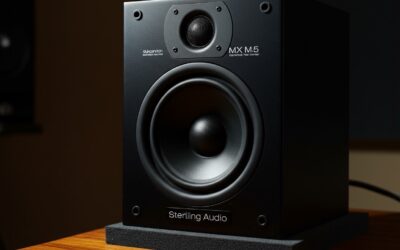
Absolutely. In fact, high-quality bookshelf speakers are often better than “satellite” speakers for this role because they have better mid-bass response, which is crucial for maintaining the “weight” of objects as they pan across the room.
Do front wide speakers work with 5.1 content?
Yes, but only if you engage a surround upmixer like Dolby Surround or DTS Neural:X. These algorithms analyze the signal and redirect sounds that are “in-between” the front and surround channels to the wide speakers.
Which is better: Front Wides or extra Height channels?
This depends on your room. If you have high ceilings and a narrow room, go for four height channels (7.1.4). If you have a standard ceiling but a very wide room, a 9.1.2 setup with front wides will provide a more noticeable improvement in immersion.
Are front wide speakers good for gaming?
Yes. Modern games on PS5 and Xbox Series X use real-time 3D audio engines. Front wide speakers provide a significant competitive advantage by allowing you to pin-point the exact location of an enemy as they move from your peripheral vision to your side.