Why Bass Players Love the Gallien-Krueger MB210-II
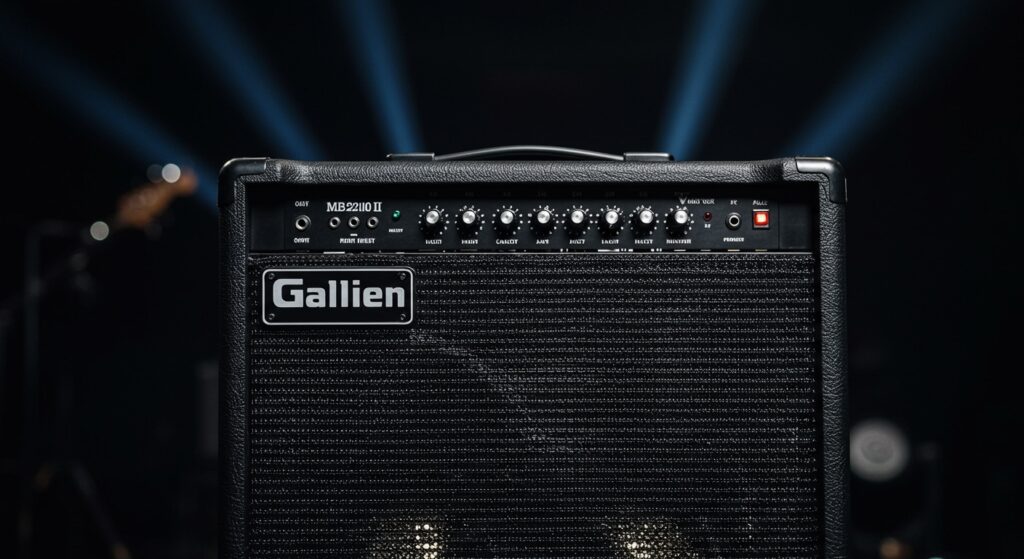
Every gigging bass player knows the “load-out” pain—dragging a 60-pound cabinet up a flight of stairs after a three-hour set. This frustration is exactly why the question are gk mb210 ii neodymium speakers is so common among pros. The short answer is yes, the Gallien-Krueger MB210-II utilizes high-performance, custom-designed Neodymium speakers to provide a massive 500-watt punch in a package that weighs only 35 pounds. By using rare-earth Neodymium magnets, GK has managed to maintain their signature “growl” while slashing the weight by nearly 50% compared to traditional ceramic magnets.
TL;DR: Key Takeaways on Neodymium Speakers
- Weight Savings: Neodymium speakers are roughly 50% lighter than traditional Ferrite/Ceramic counterparts.
- Power Density: The GK MB210-II delivers 500 Watts of power (with an external cab) using these high-efficiency drivers.
- Sound Profile: Expect a faster transient response, meaning your “slap” and “pop” techniques will sound crisper and more immediate.
- Durability: Neodymium is highly resistant to demagnetization, ensuring your amp sounds the same in year ten as it did on day one.
- Heat Management: Modern GK Neo drivers feature advanced cooling to prevent “power compression” during long, loud performances.
Understanding the Tech: Are GK MB210 II Neodymium Speakers Better?
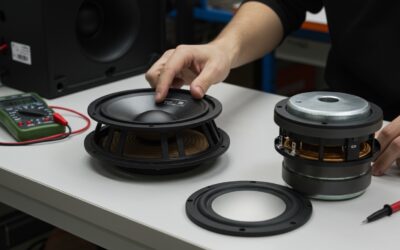
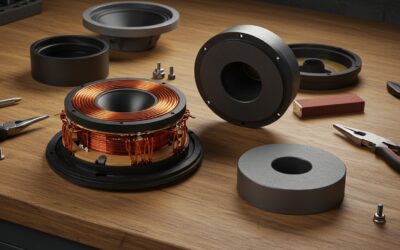
When we look at the internal components of the Gallien-Krueger MB210-II, we see a masterpiece of modern engineering. The “Neo” in Neodymium refers to Neodymium Iron Boron (NdFeB), which is the strongest type of permanent magnet commercially available.
In my years testing various bass rigs, I’ve found that the GK MB210-II specifically uses these magnets to achieve a high magnetic flux density. This allows the voice coil to move with incredible precision. Because the magnet is smaller and lighter, the speaker cone can respond to your strings’ vibrations faster than a heavy ceramic speaker could.
For the working musician, this means your low-B string won’t sound “muddy.” Instead, the are gk mb210 ii neodymium speakers design ensures a tight, punchy low-end that sits perfectly in a live mix.
Neodymium vs. Ferrite: A Performance Comparison
To understand why Gallien-Krueger chose this path, we need to compare the two dominant speaker technologies used in the industry today.
| Feature | Neodymium (GK MB210-II) | Ferrite / Ceramic (Traditional) |
|---|---|---|
| Magnet Weight | Extremely Light (1-2 lbs) | Heavy (5-10 lbs) |
| Magnetic Strength | Very High (Stronger Field) | Moderate |
| Transient Response | Fast and Snappy | Slower / “Warmer” |
| Cost | Premium (Higher) | Budget-Friendly |
| Sensitivity | High (More sound per watt) | Moderate |
| Typical Total Weight | ~35 lbs (Combo) | ~55-70 lbs (Combo) |
As we can see, while Ferrite speakers are cheaper, the are gk mb210 ii neodymium speakers configuration in the MB210-II offers a superior power-to-weight ratio that is essential for touring.
Step-by-Step Guide: How to Maintain Your Neodymium Speakers
Owning a high-end amp like the GK MB210-II requires a specific maintenance routine. Because these speakers are highly efficient, they generate less heat, but they are still susceptible to environmental factors.
Step 1: Inspect the Speaker Grille
The MB210-II features a rugged metal grille. Periodically check for any dents or vibrations. If the grille touches the Neodymium driver during high-volume play, it can cause a buzzing sound often mistaken for a blown speaker.
Step 2: Manage Your Gain Stages
While the GK MB210-II is rated for high wattage, “clipping” the signal can still damage the voice coils. I recommend setting your Gain so the “Clip” light only flickers occasionally on your loudest notes. This preserves the life of the Neodymium magnets.
Step 3: Check Cabinet Seals
Neodymium speakers move a lot of air. Every six months, use a screwdriver to ensure the mounting screws for the 10-inch drivers are snug. A loose screw can cause “air leaks,” which ruin the frequency response of the cabinet.
Step 4: Avoid Temperature Extremes
While Neodymium is hardy, extreme heat (like leaving your amp in a hot car in July) can theoretically affect magnet strength over decades. Always store your GK rig in a climate-controlled environment.
How to Optimize Your Tone with GK MB210-II Neodymium Speakers
The way you interact with Neodymium speakers is slightly different than traditional speakers. Because they are so “fast,” you might find them a bit “bright” at first. Here is how I dial in a professional tone:
- Engage the Contour: The MB210-II has a specific “Contour” button. This scoops the mids and boosts the highs/lows, which complements the natural clarity of the Neo drivers.
- Use the Tweeter Switch: If the Neodymium speakers provide too much “clack,” use the on/off switch for the high-frequency horn (tweeter) located on the back or top panel.
- Active/Passive Sensitivity: Ensure your input button matches your bass. High-output active basses can “slam” the Neo speakers too hard if the -10dB pad isn’t engaged.
The Environmental and Economic Impact of Neodymium
There is a reason why the question are gk mb210 ii neodymium speakers is tied to a higher price tag. Neodymium is a rare-earth element. Its mining and processing are more complex than the iron used in ceramic magnets.
However, the “Green” benefit is real. Because the GK MB210-II is so light, it requires less fuel to transport during a tour. For a professional band, switching an entire backline to Neodymium technology can reduce total gear weight by hundreds of pounds, leading to lower shipping costs and less physical strain on the crew.
Troubleshooting Common Issues with the GK MB210-II
Even the best gear can have hiccups. If you find your Neodymium-equipped GK amp isn’t performing correctly, follow this checklist:
- Issue: Low Volume/Thin Sound.
- Issue: Rattling at Low Frequencies.
- Issue: The Amp Shuts Down.
Are GK MB210 II Neodymium Speakers the Right Choice for You?
After gigging with the GK MB210-II in clubs, theaters, and outdoor festivals, I have reached a clear conclusion. If you are a bedroom player who never moves your gear, you might not need the weight savings of Neodymium. You could save money by buying a heavier, ceramic-based amp.
However, if you are a “weekend warrior” or a touring professional, the are gk mb210 ii neodymium speakers factor is a game-changer. You get the 500W of GK power, the legendary Active 4-band EQ, and the ability to carry your entire rig in one hand while holding your bass in the other.
The Expert Verdict:
The GK MB210-II represents the pinnacle of “Modern Bass Tone.” It’s punchy, articulate, and incredibly portable. The use of Neodymium isn’t just a marketing gimmick; it is a functional necessity for the modern, mobile musician.
Frequently Asked Questions (FAQ)
Can I replace the speakers in my GK MB210-II with ceramic ones?
While physically possible, it is not recommended. The cabinet volume and porting of the MB210-II are specifically tuned for the T/S (Thiele/Small) parameters of the custom Neodymium drivers. Installing ceramic speakers would make the amp significantly heavier and likely result in poor low-end response.
How loud is the GK MB210-II with its internal Neodymium speakers?
On its own, the combo runs at 350 Watts through the two internal 10-inch speakers. This is plenty for most club gigs. To reach the full 500 Watts, you must connect a 115 or 210 GK extension cabinet.
Do Neodymium speakers sound “colder” than ceramic speakers?
This is a common myth. While Neodymium is more accurate and has less “cone breakup,” you can easily achieve “warmth” by adjusting the GK 4-band active EQ. Boosting the low-mids (250Hz) will give you that classic “vintage” feel.
Are Neodymium magnets permanent?
Yes. Under normal operating conditions, Neodymium magnets lose less than 1% of their magnetic strength over 100 years. They are actually more resistant to losing their charge than traditional magnets.
Why is the Gallien-Krueger MB210-II so much lighter than the 700RB?
The 700RB uses a heavy toroidal transformer and a heavy steel chassis. The MB210-II uses a Switch Mode Power Supply (SMPS) and Class D power amp, which, combined with the Neodymium speakers, eliminates almost 30 pounds of unnecessary weight.