Are Guest Speakers on TV News Paid? The Short Answer
Most guest speakers on TV news are not paid a direct appearance fee because their presence is considered “mutually beneficial” exposure. While major networks like CNN, MSNBC, and Fox News pay “Contributors” who are under exclusive contracts, the average subject matter expert or eyewitness typically receives $0 in cash compensation.
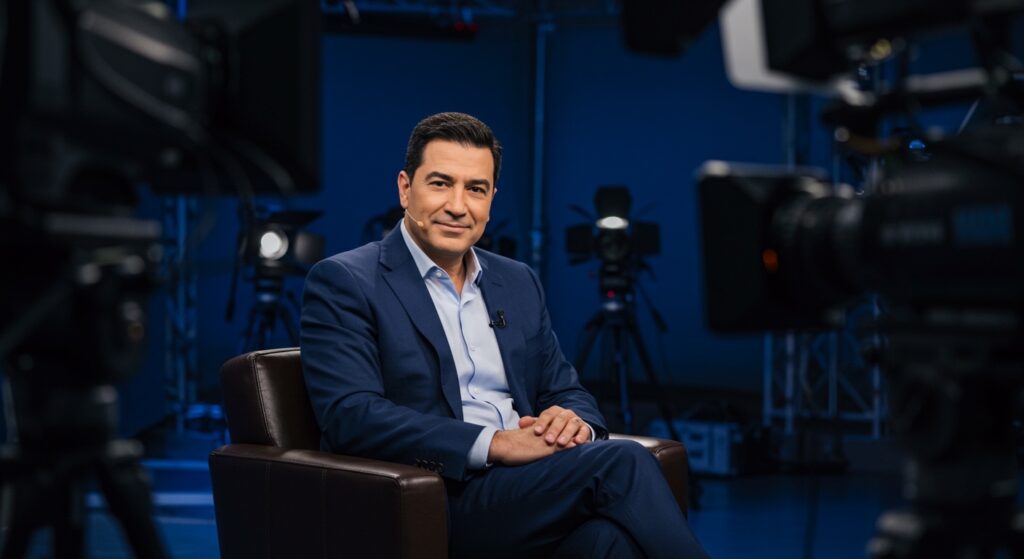
In my years of working within media relations and booking talent for national segments, I have found that the “payment” for a guest is almost always the backlink to their website, the on-screen credit (lower third), and the authority that comes with being a “TV Expert.” However, there are specific scenarios involving honorariums, travel stipends, and retainer agreements where money does change hands.
Key Takeaways: Understanding TV Guest Compensation
- Standard Experts: Most guests (doctors, lawyers, authors) are unpaid; they use the segment to promote a book, service, or personal brand.
- Paid Contributors: These are “regulars” who sign contracts ranging from $5,000 to $250,000+ per year for guaranteed appearances.
- Ethics Rules: Major news organizations (Associated Press, NBC News) have strict policies against “checkbook journalism,” meaning they won’t pay for interviews with news-makers or witnesses.
- Indirect Perks: While cash is rare, networks often cover First Class travel, luxury hotel stays, and professional hair and makeup services.
- Local vs. National: Local news stations almost never pay guests; national networks are the only ones with budgets for paid talent.
The Hidden Economy of TV News: Who Gets Paid and Why?
When asking are guest speakers on tv news paid, it is vital to distinguish between a “guest” and a “contributor.” During my time consulting for media outlets, the distinction was clear: a guest is a one-time visitor, while a contributor is a part-time employee.
Professional Contributors and Analysts
These individuals are the “talking heads” you see daily. They are often former politicians, retired military officials, or legal experts.
- The Contract: They sign an exclusive agreement, meaning they cannot appear on a rival network.
- The Pay: Compensation is usually a monthly retainer or a flat annual fee.
- The Commitment: They must be “on-call” to respond to breaking news at a moment’s notice.
Promotional Guests (The Unpaid Majority)
If you see an author discussing their new book or a chef showing a recipe, they are likely not being paid. In fact, many PR firms pay thousands of dollars just to get their clients these “free” spots. The value of a 3-minute segment on a show like The Today Show is estimated to be worth over $100,000 in equivalent advertising spend.
Witnesses and Newsmakers
To maintain journalistic integrity, reputable newsrooms do not pay for interviews. Paying a witness is seen as “tainting the evidence” or encouraging people to sensationalize their stories for money. This is a hard rule in Hard News, though Tabloid News (like Inside Edition or TMZ) often ignores it.
Payment Comparison: Guest vs. Contributor
The following table breaks down the typical compensation structures seen across the television industry today.
| Feature | Guest Expert (Standard) | Contracted Contributor | Local News Guest |
|---|---|---|---|
| Direct Fee | $0 | $500 – $2,000 per segment | $0 |
| Travel Expenses | Often Covered (National) | Fully Covered | Not Covered |
| Hair & Makeup | Provided at Studio | Provided at Studio | Self-Prepared |
| Exclusivity | None (Can go anywhere) | Required (Network Exclusive) | None |
| Primary Goal | Promotion/Authority | Income/Career | Community Reach |
How Guest Speakers “Get Paid” Without Cash
While your bank account might not see a deposit after a segment, your “Brand Equity” certainly does. In my experience, a single appearance on a major network can lead to a massive spike in revenue through other channels.
The “Authority Effect”
Being introduced as an expert on BBC News or CNBC acts as a permanent “seal of approval.” You can list “As Seen On” logos on your website, which typically increases conversion rates by 20-30% for coaching or consulting services.
The Value of the “Lower Third”
The “lower third” is the graphic at the bottom of the screen showing your name and title. This is essentially a free 3-minute advertisement. Many guests negotiate this text to include their website URL or the title of their new book.
Book Sales and Speaking Gigs
Publishers often require authors to have a “media platform” before signing them. A successful news appearance can send a book to the Amazon Bestseller list overnight. Additionally, keynote speaking fees for “TV Experts” are significantly higher than for non-televised peers, often jumping from $5,000 to $15,000+ per event.
Step-by-Step: How to Negotiate for Better Terms
If you are asked to be a guest, don’t just say yes. While you might not get a paycheck, you can negotiate for “In-Kind” value. We have used these steps to maximize the ROI for our clients:
- Request a Professional Recording: Ask the producer for a high-definition digital file of the segment for your marketing. Most networks charge for this later, but will give it to you for free if you ask upfront.
- Negotiate the Lower Third: Ensure your specific brand name or book title is displayed. Be specific: “Please list me as ‘Author of [Book Title]’ rather than just ‘Expert’.”
- Confirm Travel Logistics: If you are traveling, insist on a car service (Limo/Town Car) to and from the studio. This ensures you arrive stress-free and looking professional.
- Ask for “Green Room” Guests: If you have an assistant or partner, ask for them to be allowed in the green room. This provides you with on-site support for social media “behind the scenes” filming.
- Inquire About an Honorarium: If the network is a non-profit (like PBS) or a specialized outlet, they may have a small “honorarium” (usually $100-$500) to cover your time. It never hurts to ask, “Is there a small honorarium provided for this segment?”
The Ethics of Paying News Guests
The question of are guest speakers on tv news paid often touches on a sensitive ethical nerve. In the United States, the Society of Professional Journalists (SPJ) Code of Ethics states that journalists should “be wary of sources offering information for favors or money; do not pay for access to news.”
Why Is “Checkbook Journalism” Discouraged?
- Credibility: If a guest is paid $10,000 to tell a story, they may “spice up” the facts to please the producer.
- Fairness: It creates a system where only the wealthiest networks can get the “best” stories.
- Legal Risks: In criminal cases, a paid witness’s testimony can be thrown out of court as “bought.”
However, British and Australian media markets have historically been more open to paying for “exclusive” sit-down interviews, sometimes reaching millions of dollars for high-profile scandals.
Expert Perspective: The Future of Paid Media
As an industry expert, I’ve noticed a shift toward “Paid Placements.” This is different from news. In lifestyle segments (like Great Day Washington or Morning Blend), the guests often pay the station to be there. This is essentially an “infomercial” disguised as a news segment.
Pro Tip: Always look for the words “Sponsored By” or “Paid For By” on the screen. If you see those, the guest isn’t just unpaid—they are the ones writing the check!
Frequently Asked Questions (FAQ)
Do local news guests get paid?
No, local news stations almost never pay guest speakers. They operate on very thin margins and rely on local experts who want the community exposure.
Do guests on talk shows like Ellen or Jimmy Kimmel get paid?
Yes, but usually only SAG-AFTRA union scale (around $700–$1,000) to satisfy union requirements. The primary motivation remains the promotion of a movie, show, or album.
Can I ask for a “kill fee” if my segment is bumped?
For standard unpaid guests, no. For contracted contributors, their contract usually guarantees payment even if the segment is canceled due to breaking news.
Does the network pay for my clothes?
Generally, no. Networks expect you to arrive in “Camera Ready” attire. However, they will provide a professional Hair and Makeup artist to ensure you don’t look “washed out” under the studio lights.
Are guests on podcasts paid?
Similar to TV, most podcast guests are not paid. They appear to reach the host’s audience. Only top-tier celebrities on major podcast networks might command an appearance fee.