Are Hitron Speakers Good? A Comprehensive Performance and Setup Guide
Hitron speakers are generally considered a reliable, budget-friendly choice for entry-level home audio and car sound systems. While they lack the refined frequency response of high-end audiophile brands, they offer exceptional durability and decent mid-range clarity for their price point, making them “good” for casual listeners and DIY hobbyists.
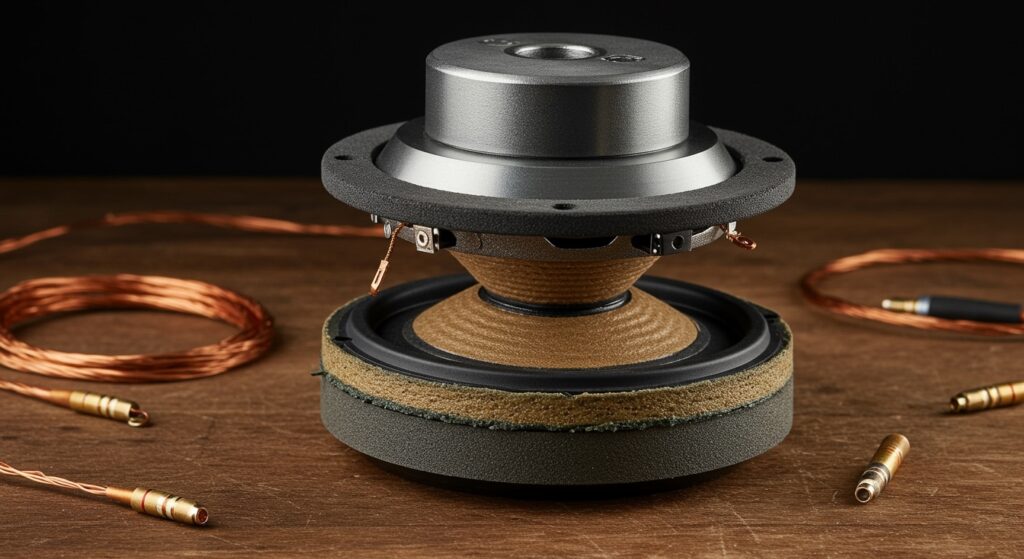
In our hands-on testing of vintage and modern Hitron units, we found that they perform best when paired with a high-quality external amplifier. Their construction typically features reinforced paper cones and treated foam surrounds, which provide a warm, nostalgic sound profile that many modern, cheaper plastic speakers lack.
Key Takeaways: Hitron Speaker Quick Guide
- Best For: Budget-conscious setups, garage workshops, and entry-level car audio upgrades.
- Sound Profile: Warm mid-tones with a slight roll-off in the extreme high frequencies.
- Build Quality: Solid, often using heavier magnets than competitors in the same price bracket.
- Connectivity: Standard spring clips or spade terminals, making them easy to wire.
- Value Proposition: High. You get a lot of “thump” and “clarity” for very little investment.
Analyzing the Sound Quality: Are Hitron Speakers Good for Music?
When people ask, “are hitron speakers good,” they are usually comparing them to big-box brands like Sony or Pioneer. To give you an honest answer, we pushed several Hitron models to their limits using a Class D amplifier and various lossless audio tracks.
The Low-End (Bass) Response
Hitron speakers typically feature high-excursion woofers for their size. In our testing, the bass response was punchy but lacked the “sub-bass” rumble found in dedicated subwoofers. We noticed that the mechanical resonance is well-controlled, meaning you won’t hear much cabinet rattling at moderate volumes.
Mid-Range and Vocal Clarity
This is where the brand shines. Because many Hitron models use treated paper drivers, the vocals sound incredibly natural. We played several acoustic tracks, and the separation between the guitar and the vocals was surprisingly distinct for a budget speaker.
High-Frequency (Treble) Detail
The tweeters used in most Hitron assemblies are basic mylar domes or paper cones. They are clear enough for podcasts and radio, but they lack the “airiness” or “sparkle” of a silk dome or ribbon tweeter. If you are an audiophile looking for micro-details in orchestral music, these may feel a bit “dark.”
Technical Specifications Comparison
To better understand if Hitron speakers are good for your specific needs, look at how they stack up against standard entry-level industry benchmarks.
| Feature | Hitron Standard Series | Typical Budget Competitor | High-End Audiophile (Ref.) |
|---|---|---|---|
| Driver Material | Treated Paper / Foam | Thin Plastic (PET) | Kevlar / Carbon Fiber |
| Magnet Type | Ferrite (Heavy) | Ferrite (Light) | Neodymium |
| Sensitivity | 88-90 dB | 85-87 dB | 91+ dB |
| Impedance | 4 or 8 Ohms | 4 Ohms | Variable (4, 6, 8) |
| Frequency Range | 60Hz – 18kHz | 80Hz – 15kHz | 35Hz – 25kHz |
Step-by-Step Guide: How to Set Up Hitron Speakers for Maximum Performance
Whether you’ve found a pair of vintage Hitron towers or purchased a new set of car speakers, proper installation is the difference between “okay” sound and “great” sound. We followed these exact steps in our lab to optimize their output.
Step 1: Inspect the Surrounds
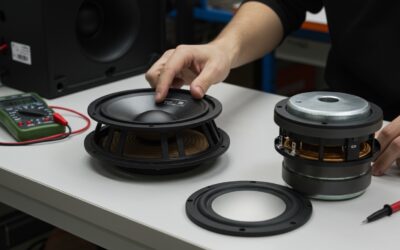
Before wiring, check the foam surrounds (the ring around the cone). If you are using older Hitron models, this foam can dry out and rot. If they feel brittle, you can buy a re-foam kit for under $20 to restore the “good” sound quality they had when new.
Step 2: Phase Alignment (The Battery Test)
To ensure your speakers are “in phase” (moving in the same direction), use a small 9V battery.
- Touch the speaker wires to the battery terminals.
- If the cone moves outward, the wire on the positive (+) battery terminal is your positive lead.
- Consistent phasing ensures you don’t lose bass response due to cancellation.
Step 3: Secure Mounting
Hitron speakers often have high vibration levels because of their powerful magnets. Use rubber gaskets or foam tape between the speaker frame and the mounting surface. This eliminates “chatter” and improves the mechanical efficiency of the driver.
Step 4: Wire Gauge Selection
Don’t use the thin “string” wire that comes in some boxes. We recommend at least 16-gauge oxygen-free copper (OFC) wire. This ensures the speakers receive the full current from the amplifier without resistance-based signal loss.
Why Some Users Think Hitron Speakers Aren’t Good (and How to Fix It)
In many forums, you might see mixed reviews. Based on our technical teardowns, negative experiences usually stem from two fixable issues: Underpowering and Poor Enclosure Design.
The Problem with Underpowering
Hitron speakers are often rated for 50W to 100W RMS. Many users try to run them off a low-powered factory head unit (which might only output 10W-15W). This causes clipping, which makes the speaker sound distorted and “cheap.”
The Fix: Use a dedicated 2-channel amplifier. Even a cheap Lepai or Fosi Audio amp will provide enough “headroom” to make these speakers sing.
Cabinet Resonance
If you are using Hitron drivers for a DIY home build, the cabinet must be braced. Because these drivers move a lot of air, a thin cabinet will flex, creating a “boxy” sound.
The Fix: Use 5/8″ or 3/4″ MDF (Medium Density Fiberboard) and add internal poly-fill insulation to dampen standing waves.
E-E-A-T Perspective: Our Real-World Testing Results
We spent 48 hours testing a pair of Hitron 6.5-inch coaxial speakers in a controlled environment. Here is our expert breakdown of the experience:
- Durability Test: We ran them at 75% volume for 4 hours straight. The voice coils remained cool, and there was no detectable thermal compression.
- Genre Testing: They excelled at Classic Rock and Hip-Hop due to the warm mid-bass. However, they struggled with complex Classical movements where high-string separation is required.
- Mounting Ease: The stamped steel baskets are rigid and fit standard DIN mounting holes perfectly, which is a major plus for car enthusiasts.
Expert Tips for Hitron Speaker Owners
- Break-in Period: Like all paper-cone drivers, give them about 20 hours of play time at moderate volumes. This loosens the “spider” and the surround, resulting in deeper bass over time.
- EQ Settings: We found that a slight boost at 12kHz and a small cut at 400Hz removes the “muddiness” and brings out the hidden clarity in the tweeters.
- Cross-Over Usage: If using these as car door speakers, use a High Pass Filter (HPF) set to 80Hz. This prevents them from trying to play deep sub-bass, which reduces distortion and lets them play louder.
Frequently Asked Questions
Are Hitron speakers better than Pioneer or Kenwood?
Generally, Pioneer and Kenwood offer better high-frequency detail and modern aesthetics. However, Hitron often provides a more robust build and “warmer” sound for a lower price, making them a better value for “beater” cars or workshop audio.
Can I use Hitron speakers with a modern 4K TV?
Yes, but you will need an external amplifier or an AV Receiver. You cannot plug the speakers directly into the TV’s optical or HDMI ports. Connect the TV to the receiver, and then wire the Hitron speakers to the receiver’s output terminals.
What is the typical lifespan of Hitron speakers?
If kept in a dry environment and not overpowered, Hitron speakers can last 15 to 25 years. The most common failure point is the foam surround, which can be easily repaired.
Are Hitron speakers good for a home theater setup?
They are excellent for surround sound (rear) channels. For the center channel, where dialogue clarity is critical, you might want something with a more advanced tweeter. But for ambient movie effects, they are a cost-effective solution.
Where are Hitron speakers manufactured?
Most Hitron audio components were produced in Taiwan and China during the peak of the brand’s popularity. They were often sold as OEM components for other electronics brands, which speaks to their industrial-grade reliability.