Wondering exactly are horn speakers better for your specific audio setup? The direct answer is yes—if you prioritize massive dynamic range, high efficiency, and live-concert realism.
Unlike traditional dome tweeters, horn-loaded speakers use an acoustic flare to amplify sound, meaning they require very little amplifier power to reach thrilling volume levels. However, they are not universally perfect for everyone. If you prefer a highly laid-back, overly forgiving sound, older horn designs might feel too forward or “shouty.”
Having tested dozens of high-end audiophile setups, I can tell you that when paired with the right amplifier and properly positioned, modern horn speakers deliver an unmatched, visceral listening experience.
TL;DR: Key Takeaways
- Extreme Efficiency: Horns produce higher volumes with less wattage, often boasting 95dB+ sensitivity.
- Controlled Directivity: They act like an acoustic spotlight, directing sound at the listener and reducing unwanted room reflections.
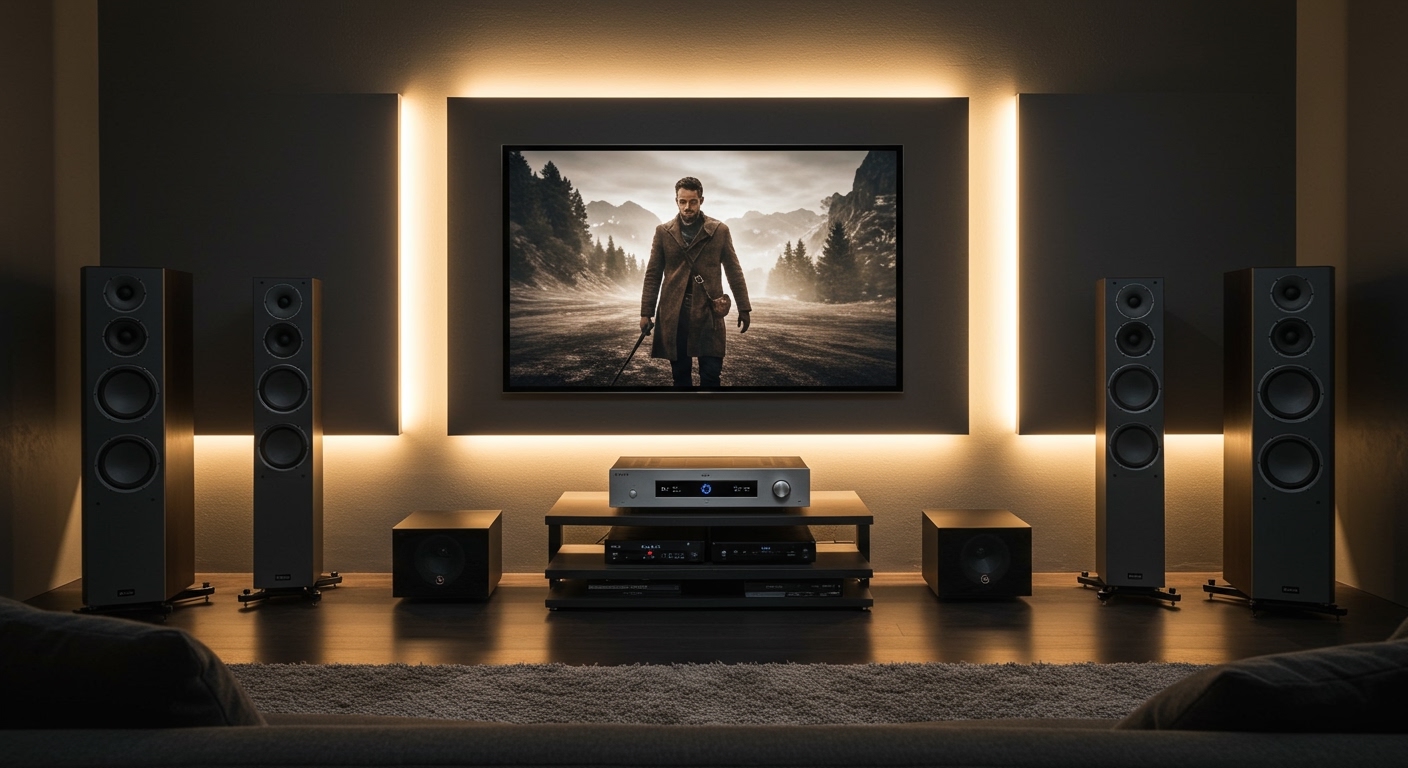
- Unmatched Dynamics: They excel at reproducing sudden volume changes, making them top tier for home theater and live music.
- Ultra-Low Distortion: The acoustic amplifier (the horn) means the internal driver barely has to move, drastically lowering Total Harmonic Distortion (THD).
- Crucial Pairing: To get the best sound, they must be matched with high-quality, low-noise amplifiers like tube amps or warm Class A solid-state receivers.
Why Do Audiophiles Ask: Are Horn Speakers Better?
When you dig into the science of audio reproduction, you quickly realize why so many purists gravitate toward horn designs. The primary function of a horn is acoustic impedance matching.
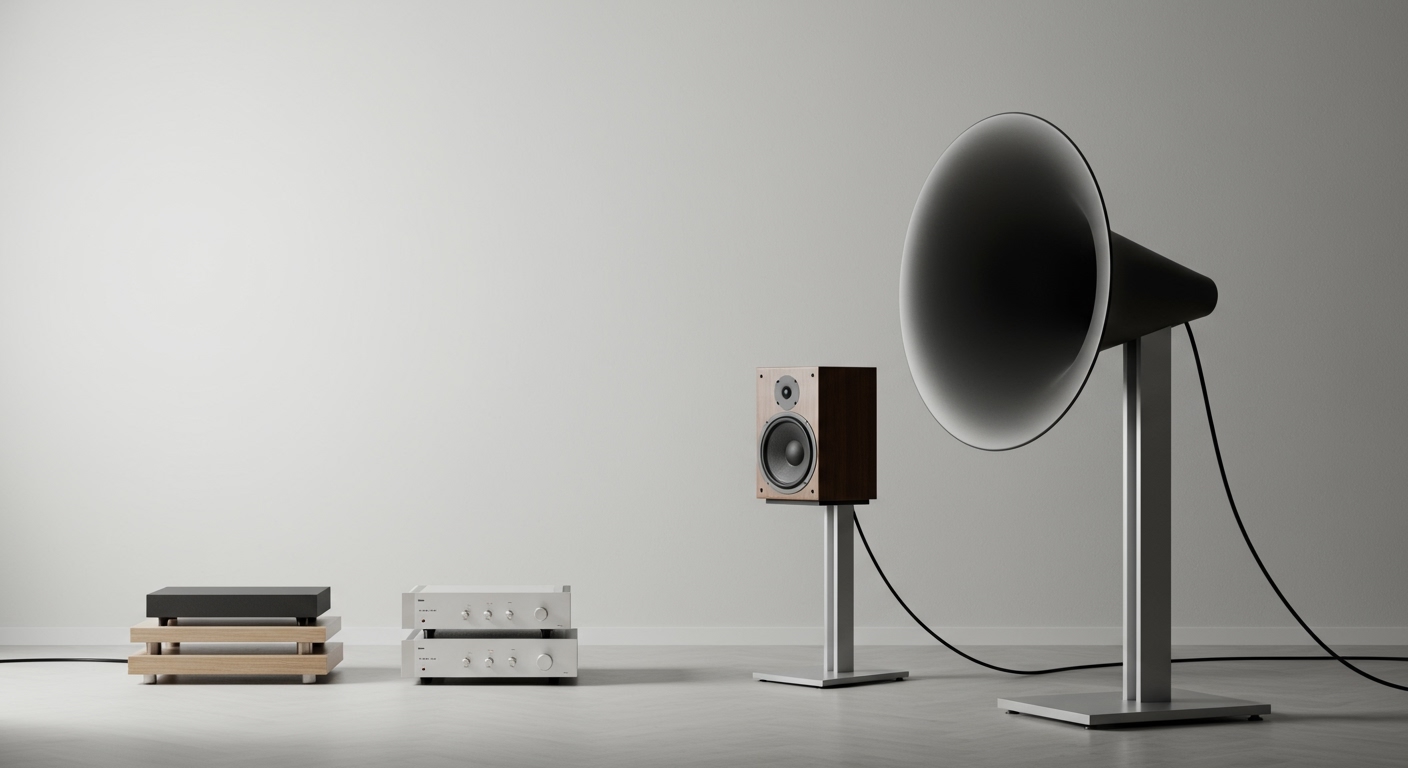
It serves as a bridge between the heavy speaker diaphragm and the light air in your room. By efficiently coupling the driver to the air, the speaker does not have to work nearly as hard. A traditional speaker might have an 86dB sensitivity rating, requiring a massive 100-watt amplifier to sing.
In contrast, a 99dB horn speaker like the Klipsch Cornwall IV can hit the exact same deafening volume with just 5 watts of power. Because the driver moves less to create the same acoustic output, distortion plummets. This is why horn speakers sound so incredibly effortless and “live.”
Step-by-Step Guide: How to Determine If Horn Speakers Are Better For You
Deciding if you should invest in horn speakers requires evaluating your room, your gear, and your ears. Follow this step-by-step blueprint to see if transitioning to horn-loaded audio is the right move for your home.
Step 1: Assess Your Current Amplifier Output
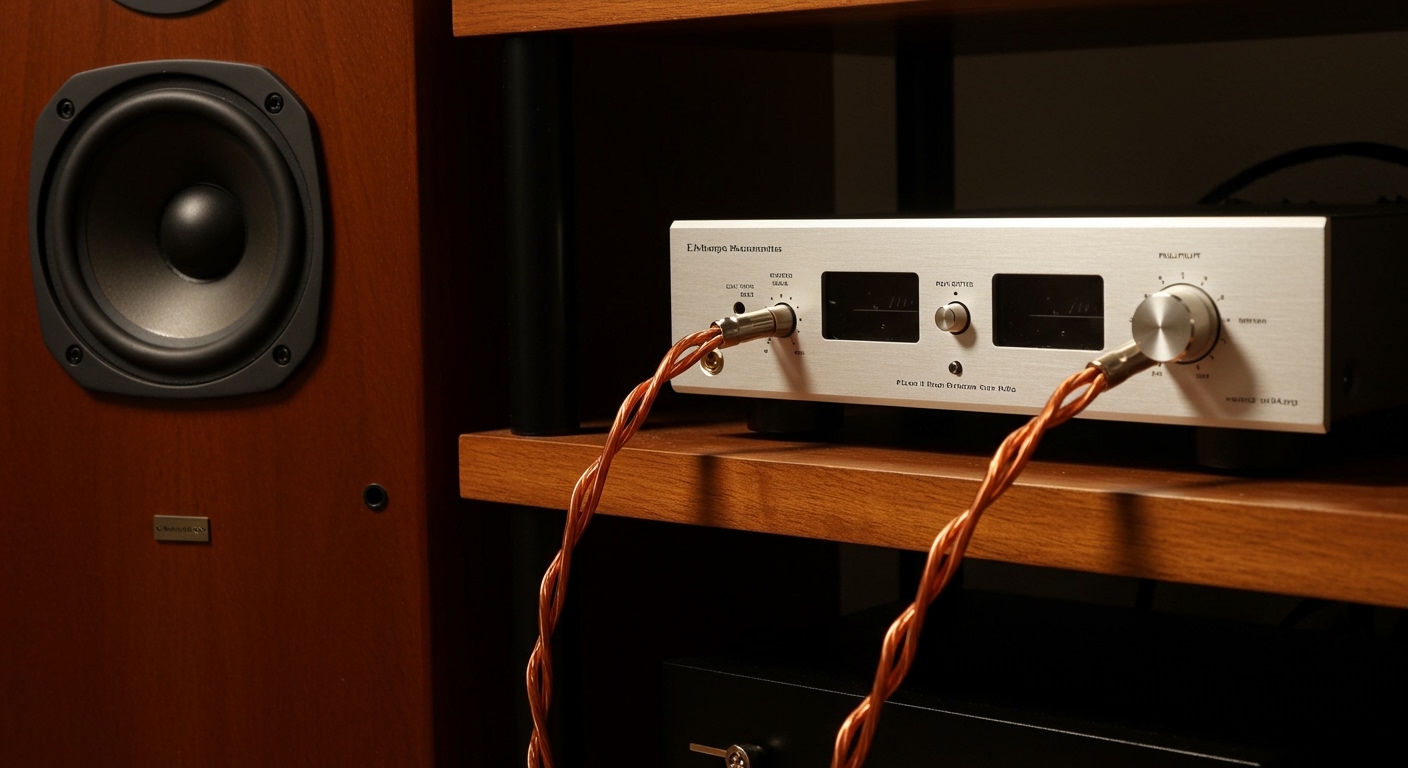
Because horn speakers are hyper-efficient, they are a magnifying glass for your amplifier. If your amp has a high “noise floor” (a subtle hiss when no music is playing), the horn will amplify that hiss loudly.
- Check your wattage: If you own a low-wattage amplifier, like a Single-Ended Triode (SET) tube amp pushing only 3 to 8 watts, horn speakers are absolutely better. They are one of the few designs that can run on micro-wattage.
- Check your amp’s sound signature: Horns pair beautifully with warm, musical amplifiers. Class A and tube amplifiers tame the high frequencies, creating audio magic.
Step 2: Evaluate Your Room Acoustics and Layout
One of the main reasons are horn speakers better in difficult rooms is their controlled directivity. Traditional speakers spray sound everywhere—bouncing off ceilings, floors, and side walls, causing muddy echoes.
- Identify reflective surfaces: Do you have hardwood floors or glass windows? Horns act like a flashlight, beaming sound directly at your seating position.
- Measure your seating distance: Horns project sound brilliantly over long distances. If you sit more than 10 feet away from your speakers, horns will maintain their energy and clarity far better than traditional dome tweeters.
Step 3: Define Your Listening Preferences
Be brutally honest about what you want your system to do. Horns are not shy; they place you in the front row of the concert.
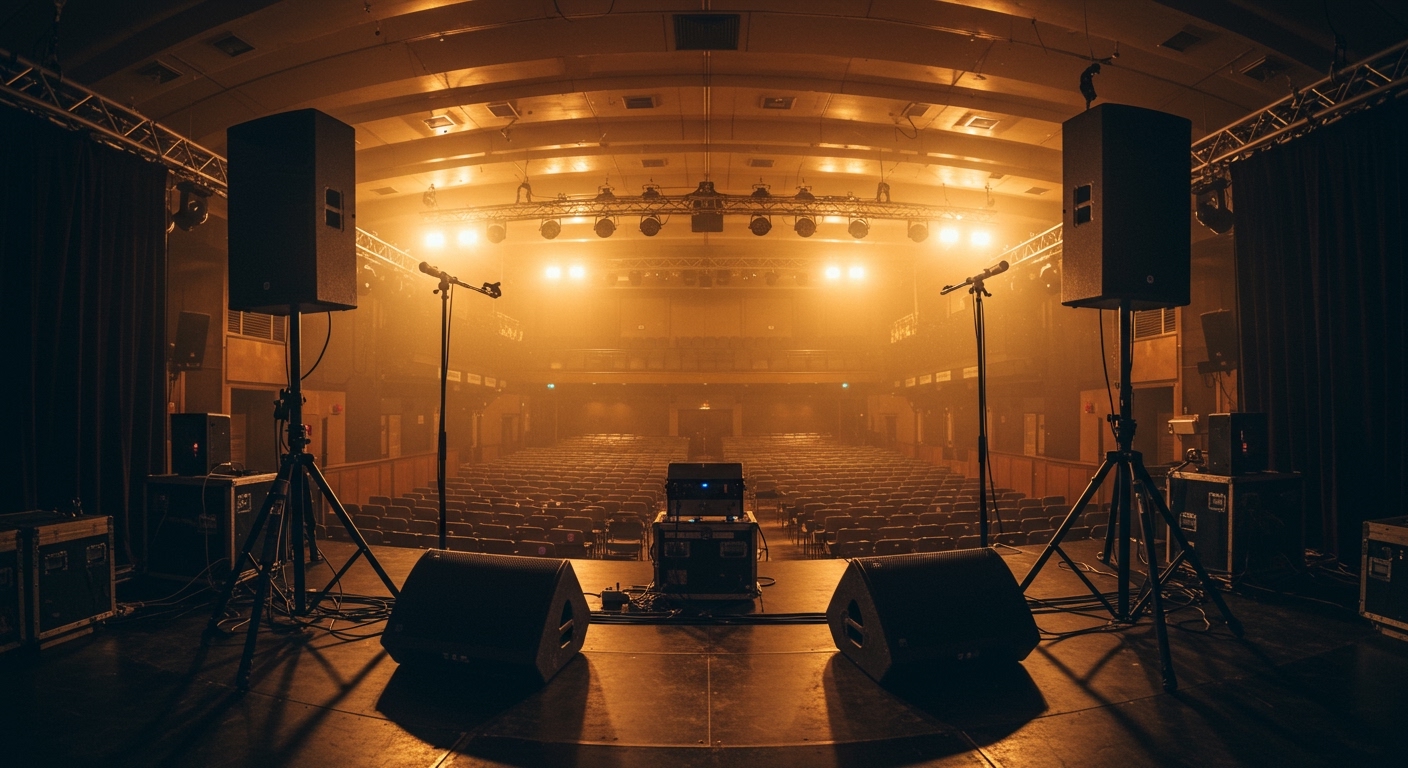
- For live music fans: If you listen to jazz, rock, or acoustic performances, horns will reproduce the snap of a snare drum and the bite of a brass section with terrifying realism.
- For background listeners: If you prefer your music to fade into the background while you read, traditional soft-dome tweeters might be a more relaxing choice.
Step 4: Budget and Space Considerations
Properly designed horn speakers are rarely small. Because bass frequencies require massive horns to amplify properly, most high-end horn speakers use large cabinets with 12-inch or 15-inch woofers.
- Measure your floor space: Ensure you can accommodate wide, vintage-style cabinets.
- Determine your budget: While entry-level options like the Klipsch Reference Premiere series are affordable, true audiophile horns from JBL Synthesis or Avantgarde Acoustic can cost tens of thousands of dollars.
Step-by-Step Guide: Setting Up Horn Speakers for Optimal Sound
If you have decided to take the plunge, getting the best sound out of your horns requires specific setup strategies. Follow these steps to eliminate any harshness and maximize your soundstage.
Step 1: Dial in the “Toe-In” Angle
Because horns are highly directional, where you point them dictates what you hear.
- Start with the speakers facing straight into the room (zero toe-in).
- Play a familiar vocal track.
- Slowly pivot the speakers inward until they point directly at your shoulders.
- Stop when the lead singer’s voice snaps firmly into the center of the room. This creates the legendary “holographic” imaging horns are famous for.
Step 2: Push Them Toward the Corners
Many classic horn designs are specifically engineered for corner placement. The legendary Klipschorn, for example, uses the walls of your room as an extension of the horn itself.
- Place the speakers near the corners of your front wall.
- Leave about 12 to 18 inches of breathing room behind them to prevent muddy bass.
- Experiment with the distance from the side walls to balance the bass response.
Step 3: Manage High-Frequency Energy
If you find the treble too intense, you do not need to replace the speakers. You simply need to tweak the room acoustics.