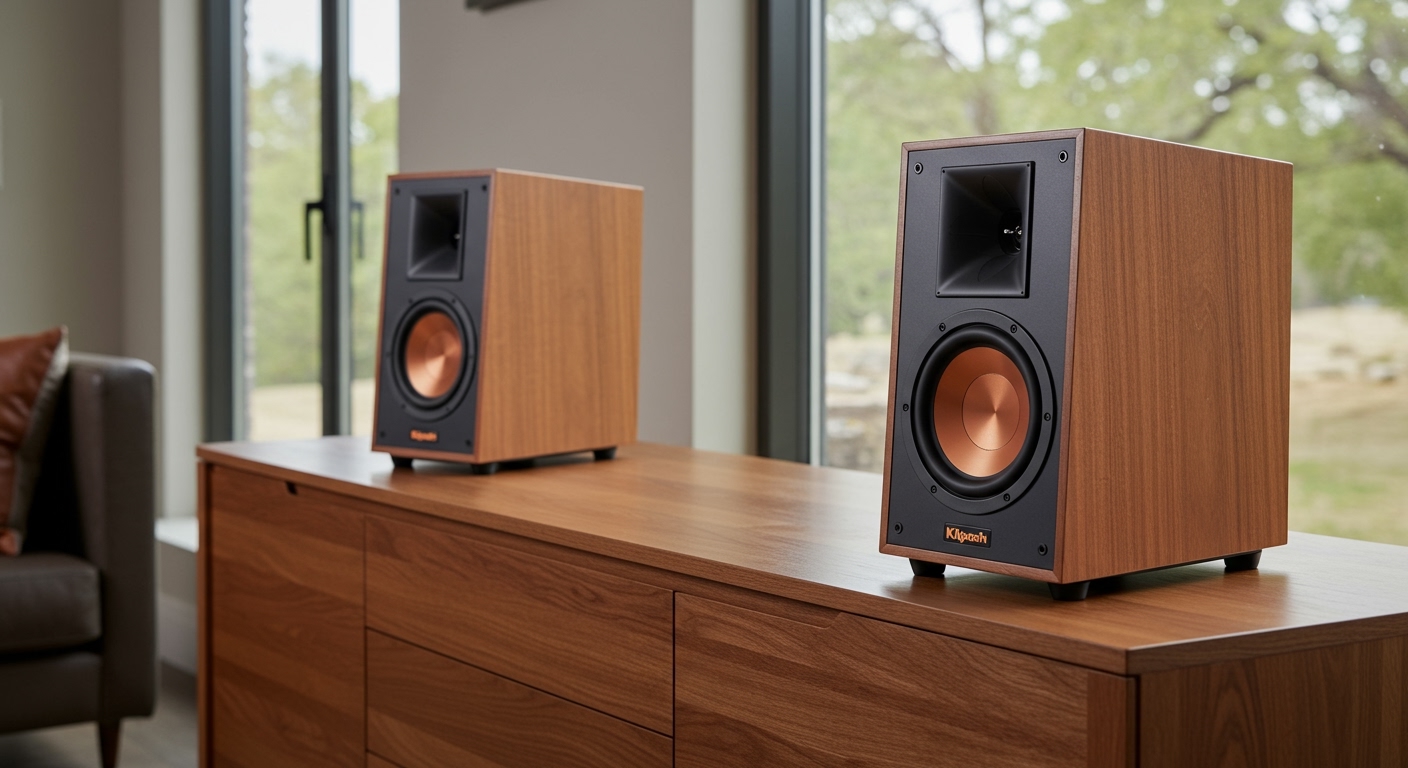
Are In-Ceiling Speakers Good for Home Theater?
In-ceiling speakers are an excellent choice for home theater systems, particularly when used as overhead “height” channels for Dolby Atmos or as surround speakers in multi-purpose rooms. While they provide a sleek, “invisible” aesthetic and a wide soundstage, they are best used to complement high-quality floor-standing or in-wall speakers rather than replacing the front-channel soundstage entirely.
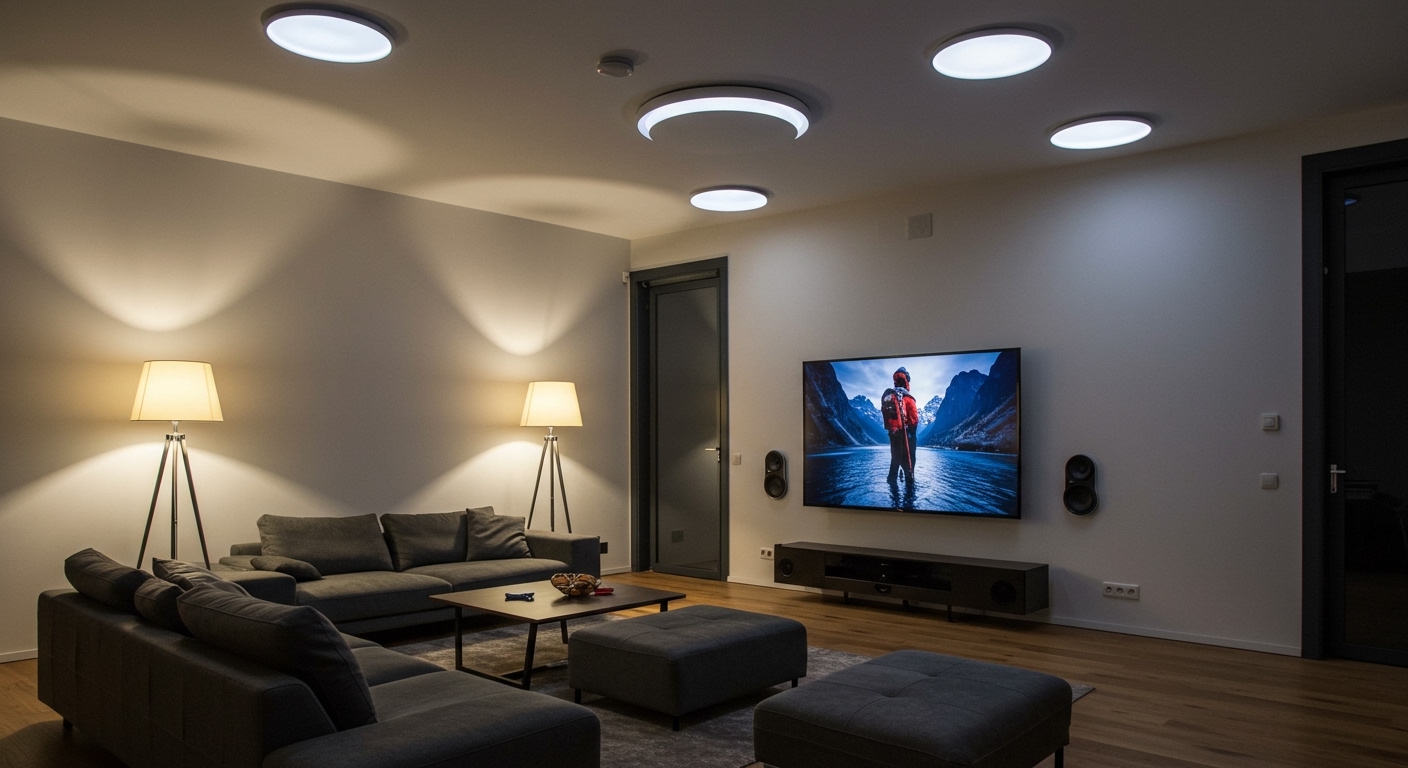
Many homeowners wonder, “are in ceiling speakers goof for a homw theater?” Despite the common typos in search queries, the answer remains a resounding yes—provided you understand their placement and limitations. I have spent over a decade installing these systems, and I’ve found that the key to success lies in choosing aimable tweeters and using integrated back boxes to prevent sound from leaking into the rooms above.
Key Takeaways: Rapid Guide to In-Ceiling Audio
- Best Use Case: Essential for Dolby Atmos and DTS:X height effects to create a 3D “bubble” of sound.
- Aesthetic Advantage: Perfect for minimalist decors where bulky floor speakers are not an option.
- Critical Hardware: Look for speakers with pivoting tweeters to direct high frequencies toward the seating area.
- Installation Tip: Always use CL3-rated speaker wire for in-wall and in-ceiling runs to meet fire safety codes.
- Sound Quality: High-end models from brands like Klipsch, Sonos, and Polk Audio can rival traditional bookshelf speakers in clarity.
The Pros and Cons of In-Ceiling Home Theater Speakers
When clients ask me, “are in-ceiling speakers good for home theater?” I always start by weighing the architectural benefits against the acoustic trade-offs. In a modern living room, bulky black boxes can ruin the interior design, making architectural audio the only viable path.
However, sound naturally travels in a straight line. Because in-ceiling speakers point straight down, the “sweet spot” can be narrow unless the speaker is specifically designed for home theater use.
| Feature | In-Ceiling Speakers | Traditional Floor Speakers |
|---|---|---|
| Visual Impact | Nearly invisible; flush-mount grilles. | High; takes up floor space. |
| Sound Imaging | High-altitude; great for rain/planes. | Ear-level; best for dialogue clarity. |
| Installation | Complex; requires cutting drywall. | Simple; plug and play. |
| Bass Response | Limited; requires a dedicated subwoofer. | Excellent; larger cabinets allow more air. |
| Cost | Moderate to High (including labor). | Variable; ranges from budget to luxury. |
Why “Directional” Features Matter for Audio Quality
The biggest mistake I see in DIY installs is using standard “distributed audio” speakers for a home theater. Most ceiling speakers are designed to spread sound evenly for background music, but home theater requires precise imaging.
To ensure are in-ceiling speakers good for home theater performance in your home, you must select models with angled woofers or swivel tweeters. These allow you to “aim” the sound toward your couch, ensuring the high-frequency details (like breaking glass or whispering) reach your ears directly rather than bouncing off the floor.
Understanding the 15-Degree Rule
Many premium models, such as the Klipsch CDT-5800-C II, feature “Controlled Dispersion Technology.” This allows the woofer to be angled up to 15 degrees. When I install these, I aim them specifically at the primary listening position to create a more realistic front soundstage.
How to Install In-Ceiling Speakers: A Step-by-Step Guide
If you are comfortable with basic power tools, installing your own system is a rewarding weekend project. Based on my field experience, here is the professional workflow for a clean, high-performing install.
Pre-Wire and Tool Preparation
Before cutting, ensure you have the right gear. You will need a stud finder, a drywall saw, CL3 speaker wire, and a fish tape for pulling wires through the ceiling joists.
Locate the Joists
Use your stud finder to locate the ceiling joists. You cannot mount a speaker directly over a joist. I recommend using a small “pilot bit” to drill a hole and poke a coat hanger through to verify the space is clear of obstructions like plumbing or electrical wires.
Trace and Cut
Most speakers, like the Polk Audio RC80i, come with a cardboard template. Tape this to the ceiling and trace it with a pencil. Use your drywall saw to cut the hole, keeping the blade at a slight inward angle for a cleaner finish.
Wire Management
Run your 14-gauge or 16-gauge wire from your AV Receiver (AVR) to the hole. If you are working in a multi-story home, using a flexible drill bit can help you navigate through fire blocks inside the walls.
Mounting and Testing
Connect the wires to the spring clips on the back of the speaker. Insert the speaker into the hole and tighten the “dog-leg” brackets. These clamps grip the drywall from the inside. Before putting the grille on, run a pink noise test from your receiver to ensure the phase is correct.
The Role of In-Ceiling Speakers in Dolby Atmos
If you want the “true” cinema experience, you are likely looking at a Dolby Atmos configuration. In this setup, the question of “are in-ceiling speakers good for home theater” is answered with a definitive “they are required.”
In a 5.1.2 system, the “.2” refers to two overhead speakers. These are responsible for “Object-Based Audio.” Instead of just hearing sound from the left or right, you hear a helicopter fly over you.
- Placement: For a two-speaker Atmos setup, place the speakers slightly in front of the listening position, at a 65 to 100-degree angle relative to the floor.
- Calibration: Use your receiver’s room correction software (like Audyssey or Dirac Live) to timing-align the ceiling speakers with your floor speakers.
Acoustic Challenges: Sound Leakage and “Back Boxes”
One “pro tip” I always give is to consider what is above the home theater. If your theater is in the basement and the master bedroom is directly above it, standard open-back speakers will leak sound upward like a sieve.
Are in ceiling speakers goof for a homw theater without back boxes? Not if you value your privacy. I recommend using MDF back boxes or Dynamat Soundhoods. These enclosures serve two purposes:
- Sound Isolation: They reduce the amount of noise traveling through the floorboards to the room above.
- Bass Consistency: They provide a fixed volume of air for the speaker to “push” against, which significantly tightens the mid-bass response.
Expert Tips for Maximizing Your Investment
Having tested hundreds of configurations, I’ve found these three “secrets” make the biggest difference in overall sound quality:
Use a Powerful Subwoofer
In-ceiling speakers are physically incapable of producing deep, cinematic bass. To make the system feel “big,” you must pair them with a high-quality powered subwoofer (like an SVS PB-1000 Pro). Set your receiver’s crossover to 80Hz or 100Hz to send the heavy lifting to the sub.
Paint the Grilles
Most in-ceiling speakers come with white grilles. To make them truly disappear, use a spray paint that matches your ceiling color. Pro tip: Thin the paint slightly and apply multiple light coats to avoid clogging the tiny perforations in the mesh, which would muffle the sound.
Match Your “Timbre”
If you have Klipsch floor speakers, buy Klipsch in-ceiling speakers. Brands use specific materials for their tweeters (like silk, aluminum, or titanium). Using the same brand ensures that as a sound moves from the floor to the ceiling, the “tone” of the sound doesn’t change.
Frequently Asked Questions (FAQ)
Can I use in-ceiling speakers for my front Left, Center, and Right channels?
While you can, it is not ideal for the primary front stage. Dialogue will sound like it is coming from the “Voice of God” above you rather than from the actors’ mouths on the screen. If you must use them for the front, choose 15-degree angled models to direct the sound toward the seating area.
Do in-ceiling speakers need a special amplifier?
Most in-ceiling speakers are passive, meaning they require a standard Home Theater Receiver (AVR). Ensure your receiver supports the number of channels you plan to install (e.g., a 7.1-channel receiver for a 5.1.2 Atmos setup).
Are expensive in-ceiling speakers worth it?
In my experience, yes—up to a point. Budget speakers often have “harsh” tweeters that cause ear fatigue. Moving into the $200-$400 per speaker range gets you better crossovers and aimable drivers, which are critical for home theater imaging.
How many in-ceiling speakers do I need for a home theater?
For a standard setup, two speakers (5.1.2) are the sweet spot for Atmos. In larger rooms, four speakers (5.1.4) provide a much more seamless overhead transition for moving objects in the soundstage.
**
**
**
**