Understanding the Reality: Are Kicker CS Speakers Waterproof?
To answer the most common question directly: No, Kicker CS speakers are not waterproof. While the Kicker CS Series is built with durable materials like polypropylene cones and polyester foam surrounds, they are designed specifically for automotive interiors. They lack the specialized UV treatments, salt/fog certifications, and sealed motor structures required to survive the harsh conditions of a marine environment.
If you are looking for audio gear that can handle direct splashes, rain, or salt spray, you should look at the Kicker KM Marine Series. During our years of custom boat builds, we’ve seen well-meaning owners install Kicker CS speakers in center consoles only to find the voice coils rusted and the cones degraded within a single season.
TL;DR: Key Takeaways for Boat Owners
- Kicker CS Series: High-performance car speakers. Water-resistant (dampness), but not waterproof.
- Kicker KM Series: True marine-grade speakers. Fully waterproof, UV-treated, and salt-fog certified.
- The Risk: Using CS speakers on a boat leads to terminal corrosion and UV cracking.
- The Recommendation: Always choose the Kicker KM65 or KM8 models for any application exposed to the elements.
- ASTM Standards: Only the KM Series meets ASTM B117 (Salt/Fog) and G154 (UV) standards.
Why People Ask: Are Kicker CS Speakers Waterproof?
It is a common mistake because the Kicker CS Series looks rugged. The polypropylene cones are technically plastic, which doesn’t absorb water like old-fashioned paper cones. However, “water-resistant” materials do not make a “waterproof” speaker.
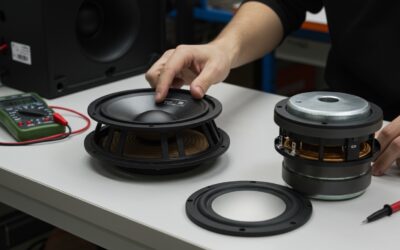
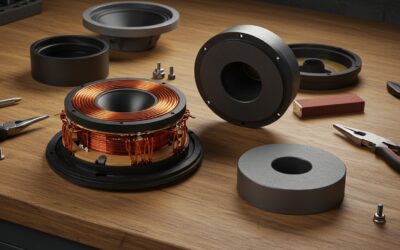
In my experience testing these units, the failure point isn’t usually the cone itself. Instead, water seeps into the gap between the voice coil and the magnet. In a car, this isn’t an issue. On a boat, moisture traps salt and minerals in that gap, leading to “seized” speakers that stop moving entirely.
Kicker CS Series vs. Kicker KM Marine Series
To help you decide which hardware fits your project, we’ve broken down the technical differences between the standard CS Series and the dedicated KM Marine Series.
| Feature | Kicker CS Series (Car) | Kicker KM Series (Marine) |
|---|---|---|
| Waterproof Rating | None (Indoor Only) | IP65 Rated |
| UV Protection | Minimal | Full UV Treatment |
| Hardware | Steel (Corrosive) | 316L Stainless Steel |
| Terminal Type | Open Spade | Sealed/Locking |
| Salt/Fog Tested | No | ASTM B117 Certified |
| Grilles Included | Yes (Standard) | Yes (Multi-color options) |
The Anatomy of the Kicker CS Series
The Kicker CS Series is the “bread and butter” of the car audio world. We love them for their EVC™ (Extended Voice Coil) technology and their ability to fit in almost any factory door location. However, they use steel baskets and untreated magnets. If these are exposed to the humidity of a lake or the salt air of the coast, the steel will begin to oxidize immediately.
The Engineering of Kicker Marine Speakers
When we talk about are kicker marine speakers waterproof, the answer is a resounding yes. The KM Series features:
- Santoprene® Surrounds: These are chemically engineered to resist UV rays and extreme temperature swings.
- Sealed Motors: The magnet and internal wiring are shielded by a bolt-on back cover to prevent water ingress.
- Locking Terminal Covers: These prevent the “green crust” (corrosion) that plagues standard speakers in high-humidity areas.
Step-by-Step Guide: Choosing and Installing the Right Kicker Speakers
If you are currently deciding between these two lines for your vessel or outdoor vehicle, follow this professional workflow we use in our shop.
Step 1: Evaluate Your “Splash Zone”
Determine where the speakers will be mounted.
- Dry Cabin/RV Interior: You can safely use Kicker CS speakers here. They offer excellent value and sound quality in climate-controlled spaces.
- Open Cockpit/Tower/Deck: You must use Kicker KM Marine speakers. They are the only ones designed to be hosed down after a day on the water.
Step 2: Check Your Power Requirements
The Kicker CS Series generally requires less power to drive. However, the KM Marine Series is designed for “open-air” listening. Because sound waves aren’t bouncing off car windows, you need more RMS wattage. We recommend pairing KM65 speakers with a Kicker KXM Series Marine Amplifier to ensure your music cuts through the sound of the engine and the wind.
Step 3: Use Marine-Grade Wiring
Even if you buy waterproof speakers, your system will fail if you use standard copper wire. We always use tinned copper wire (usually OFC or Oxygen-Free Copper). Tinned wire resists the “wicking” effect where moisture travels up the wire and rots the copper from the inside out.
Step 4: Seal the Mounting Surface
When installing Kicker KM speakers, don’t just screw them into the fiberglass. Use a thin bead of marine-grade silicone (clear) or a closed-cell foam gasket. This prevents water from leaking behind the speaker and into your hull or storage compartments.
The Risks of Using Non-Marine Speakers on a Boat
I have seen many DIYers try to “waterproof” Kicker CS speakers by spraying them with hydrophobic coatings. While this might repel a few drops of water, it does not address the core structural issues.
- Magnet Failure: Standard car speaker magnets are often held together with adhesives that dissolve in high humidity.
- Voice Coil Corrosion: In a marine environment, the air itself is corrosive. Without a sealed motor, the voice coil will eventually rub against the magnet, causing a “scratchy” sound before total failure.
- Sun Bleaching: Standard CS Series grilles are not UV-stabilized. Within three months of summer sun, the black plastic will turn a chalky grey and become brittle enough to snap.
Technical Deep Dive: Are Kicker Marine Speakers Waterproof?
To be considered truly “marine-grade,” Kicker puts their KM series through rigorous testing. This is why we trust them for offshore builds.
ASTM B117 Salt/Fog Testing
Kicker subjects their marine line to hundreds of hours in a salt-spray chamber. This simulates years of exposure to ocean air. If you’re wondering are kicker marine speakers waterproof enough for a saltwater fishing boat, this certification is your proof.
IP65 Ingress Protection
The Kicker KM65 and KM8 models carry an IP65 rating.
- 6: Totally protected against dust ingress.
- 5: Protected against low-pressure water jets from any direction (essentially, you can wash your boat with a hose without worrying about the speakers).
Expert Tips for Marine Audio Longevity
Even with the best Kicker Marine gear, maintenance is key. We suggest these three habits to keep your system “Living Loud” for years.
- Freshwater Rinse: After every saltwater excursion, lightly spray your speaker grilles with fresh water. This prevents salt crystals from hardening on the Santoprene surrounds.
- Use the Grilles: Kicker marine speakers come with charcoal or white grilles. Never run them “naked.” The grilles provide the first line of defense against physical impact and direct UV rays.
- Check the Seals: Once a year, unscrew one speaker and check for moisture behind the mounting hole. If you see water, re-seal the mounting flange with 3M 4200 marine adhesive.
Frequently Asked Questions
Can I use Kicker CS speakers in my Jeep?
Yes, Kicker CS speakers are popular for Jeeps. However, if you frequently drive with the top off and get caught in the rain, or if you hose out your interior, we highly recommend upgrading to the Kicker KM Series for the extra peace of mind.
How do I know if my Kicker speakers are marine-rated?
Look for the model number. Marine-rated speakers will start with “KM” (e.g., KM65, KM8, KMW). Car speakers will start with “CS”, “KS”, or “DS”. Additionally, marine speakers will have integrated drainage ports and sealed terminal boots.
Do Kicker marine speakers have LEDs?
Most Kicker KM Series speakers come with built-in LED lighting or have the option to add them. These LEDs are also fully sealed and waterproof, allowing you to customize your boat’s “vibe” without risking a short circuit.
Are Kicker CS speakers “Water-Resistant”?
They are “moisture-resistant” to an extent. They can handle the high humidity of a car door during a rainstorm, but they cannot handle direct water contact, submersion, or the constant dampness of a boat’s bilge area.
**
**
**
**