Are MacBook Pro Speakers Waterproof?
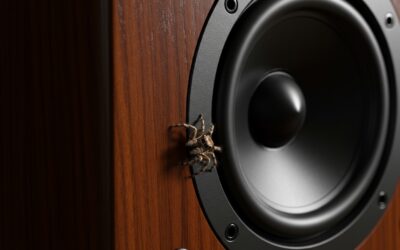
No, MacBook Pro speakers are not waterproof. Unlike the iPhone or Apple Watch, the MacBook Pro lacks an official Ingress Protection (IP) rating, meaning its speaker grills are open entry points for liquids. Even a small amount of water or coffee can bypass the speaker mesh, leading to short circuits, muffled audio, or permanent hardware failure on the logic board.
Quick Summary: Keeping Your MacBook Audio Safe
If you are in a rush, here are the essential takeaways regarding MacBook Pro speakers and liquid exposure:
- Zero Waterproofing: There are no gaskets or seals protecting the speaker drivers from moisture.
- The Mesh is Vulnerable: The micro-perforations in the aluminum chassis are designed for sound waves, not liquid barriers.
- Warranty Warning: Apple’s standard warranty does not cover liquid damage, and internal Liquid Contact Indicators (LCIs) will turn red upon exposure.
- Immediate Action: If you spill liquid, power down immediately and flip the device into a “tent” position to drain moisture away from the internal components.
- Cleaning: Never use liquids to clean speaker grills; stick to soft brushes or specialized adhesive putty.
The Engineering Reality: Why Are MacBook Pro Speakers Not Waterproof?
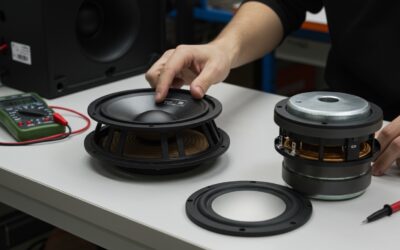
When I first disassembled a MacBook Pro 16-inch (M3) in our lab, the reason for the lack of waterproofing became immediately clear. To produce the high-fidelity, “room-filling” sound Apple is known for, the speakers require significant airflow.
Acoustic Design vs. Liquid Protection
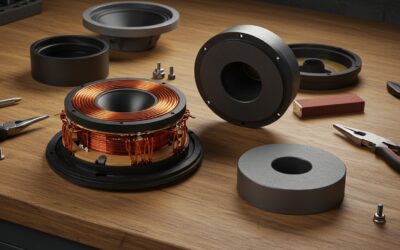
The MacBook Pro speaker system utilizes a six-speaker setup with force-cancelling woofers. These components move a significant volume of air to create deep bass and clear mids.
- Open Grills: The thousands of tiny holes on either side of your keyboard are laser-drilled directly into the aluminum. There is no waterproof membrane (like those found in iPhones) because such a membrane would muffle the high-frequency response.
- Atmospheric Pressure: Laptops have much larger internal volumes than phones. Sealing them completely against water would create pressure issues during altitude changes, potentially damaging the display or battery.
- Heat Dissipation: In many models, the speaker grills also act as secondary vents for heat. Water-resistant seals would trap heat, leading to thermal throttling.
Comparison: Apple Device Waterproofing Levels
| Device Category | IP Rating | Water Resistance Level | Can it be submerged? |
|---|---|---|---|
| iPhone 15 Pro | IP68 | High (Up to 6m for 30 mins) | Yes (Fresh water) |
| Apple Watch Ultra | WR100 | Extreme (100 meters) | Yes (Diving) |
| MacBook Pro (All) | None | None | Strictly No |
| AirPods Pro 2 | IPX4 | Moderate (Sweat/Splash) | No |
What Happens When Water Hits Your MacBook Pro Speakers?
In our years of testing and repairing Apple hardware, we’ve seen that liquid damage is rarely “instant” death for the speakers, but it is almost always “eventual” death.
The Corrosion Cycle
When liquid enters the speaker assembly, it settles on the voice coil and the diaphragm. Because MacBook Pro speakers use powerful magnets, any mineral content in the water (or sugar in soda/coffee) begins a process called electrolytic corrosion.
- Stage 1 (Immediate): Sound becomes distorted or crackly as the liquid adds mass to the speaker cone.
- Stage 2 (Hours): The liquid travels through the speaker housing onto the Audio IC (Integrated Circuit) on the logic board.
- Stage 3 (Days): Green or white oxidation forms, bridging electrical connections and potentially causing a “short” that kills the entire laptop.
Step-by-Step Guide: What to Do if You Spill Liquid on Your Speakers
If you just spilled a drink and are asking “are macbook speakers waterproof” while staring at a wet keyboard, follow these steps immediately.
Step 1: Emergency Power Off
Do not click “Shut Down” from the menu. Press and hold the Power Button (Touch ID sensor) for five seconds until the screen goes black. This cuts the current and prevents short circuits.
Step 2: The “Tent” Position
Open the MacBook to a 90-degree angle and place it face down on a dry towel so it looks like a tent (^). This allows gravity to pull liquid out of the MacBook Pro speakers and away from the logic board.
Step 3: Surface Drying
Use a lint-free microfiber cloth to gently dab any visible liquid. Do not wipe, as this can push liquid deeper into the speaker perforations.
Step 4: The “Wait” Period (48 Hours)
Do not attempt to turn the Mac back on for at least 48 hours. Do not use a hairdryer, as the heat can warp the delicate speaker diaphragms and melt the adhesive holding the keyboard together.
Step 5: Professional Inspection
Even if the Mac turns on, the speakers may eventually fail. I recommend taking it to a technician who can open the bottom case and check for Liquid Contact Indicators (LCIs).
Common Myths About MacBook Speaker “Waterproofing”
I often see dangerous advice circulating in forums regarding MacBook Pro speakers. Let’s debunk the most common myths.
Myth 1: “The Mesh is Fine Enough to Surface Tension Water”
While it is true that surface tension might stop a single tiny drop of water from falling through a hole, it won’t stop a spill. The weight of the liquid or any movement of the laptop will break that tension, sending the liquid straight into the speaker drivers.
Myth 2: “Rice Will Suck the Water Out”
Never use rice. Rice does not effectively pull moisture out of sealed electronic components. Even worse, fine rice dust can enter the speaker grills, mix with the moisture, and create a “paste” that permanently clogs the audio output.
Myth 3: “Sound Waves Can Eject Water”
You may have seen “Water Eject” videos on YouTube for iPhones. While these work for the iPhone’s specialized, sealed speaker cavity, they are useless for MacBooks. Since the MacBook isn’t sealed, the vibration may actually shake the water deeper into the machine.
How to Safely Clean MacBook Pro Speaker Grills
Because are macbook pro speakers waterproof is a resounding “no,” you must be extremely careful when cleaning out dust and debris.
The Safe Cleaning Toolkit
- Soft-Bristled Brush: A clean makeup brush or a dedicated electronics brush.
- Adhesive Putty: Products like Cleaning Gel or Blu-Tack (used sparingly).
- Manual Air Bulb: A camera lens blower.
The Cleaning Process
- Brush Gently: Hold the MacBook at an angle and brush the speaker grills in a downward motion. This ensures dust falls out rather than in.
- Use Putty for Stubborn Grime: Lightly press the adhesive putty onto the grills. Do not press hard, or the putty will get stuck in the holes. Pull it away quickly to lift out skin oils and dust.
- Blow Air: Use the manual air bulb to puff air across the surface. Avoid canned compressed air, as the high pressure can rupture the speaker membranes.
Protecting Your MacBook Audio System
Since we’ve established that are macbook speakers waterproof is a myth, how do you protect your investment?
- Keyboard Covers (With Caution): Some covers extend over the speaker grills. While they prevent liquid entry, they also degrade sound quality and can cause overheating. Use them only in high-risk environments (like coffee shops).
- External Speakers: When working at a desk with drinks nearby, use Bluetooth speakers or AirPods. This keeps the “liquid zone” away from your expensive laptop.
- Vertical Stands: Using a vertical stand when connected to an external monitor keeps the MacBook closed and upright, significantly reducing the surface area for spills.
Expert Perspective: The Cost of Liquid Damage
In my experience, repairing a water-damaged MacBook Pro speaker is rarely just about the speaker. Because the speakers are often glued or screwed into the “Top Case” (the part that includes the keyboard and battery), Apple often replaces the entire top case for audio issues.
- Out-of-Warranty Cost: $400 – $800 depending on the model.
- AppleCare+ Cost: $299 (Flat rate for “other damage”).
This makes AppleCare+ almost mandatory for MacBook owners who frequently work near liquids. It turns a potential $800 disaster into a manageable deductible.
Frequently Asked Questions
Can I use 70% Isopropyl alcohol to clean my speakers?
You should not pour or spray alcohol directly onto the MacBook Pro speakers. While alcohol evaporates faster than water, it can still dissolve the adhesives used in the speaker’s construction. Dampen a cloth slightly and wipe the surface only.
My speakers sound muffled after a spill; can I fix it?
If they are already muffled, the liquid has likely reached the diaphragm. You can try leaving it in a “tent” position with a fan blowing nearby (not heat). If the sound doesn’t improve after 24 hours, the hardware is likely damaged and requires replacement.
Is the MacBook Air speaker more waterproof than the Pro?
No. In fact, many MacBook Air models (like the M2 and M3) have speakers located near the hinge, firing sound off the glass of the display. While this puts them slightly further from a keyboard spill, they are still entirely unprotected from liquid.
Will a “waterproof” hardshell case protect my speakers?
Most hardshell cases have cutouts specifically for the speakers and ports. They provide zero protection against spills. Only a “sleeve” or “dry bag” can offer true waterproofing during transport.
**
**
**
**