Understanding the Value: Are Metra Speakers Good?
Most car owners looking to upgrade their factory sound system eventually ask the same question: Are Metra speakers good for a daily driver? Yes, Metra speakers are highly reliable, budget-friendly options that excel as OEM replacements, specifically designed for seamless integration and durability in harsh environments like motorcycles and off-road vehicles. While they may not satisfy hardcore audiophiles seeking competition-grade SPL (Sound Pressure Level), they provide a massive “information gain” over stock speakers by offering better clarity and significantly easier installation.
For over 70 years, Metra Electronics has been the “Installer’s Choice.” Unlike boutique brands that focus solely on acoustics, Metra designs their speakers—particularly their Saddle Tramp and Metra Power Sports lines—to solve specific fitment problems. When you buy a Metra speaker, you aren’t just buying a driver; you are buying a component engineered to work with your vehicle’s existing electrical architecture and mounting locations.
TL;DR: Key Takeaways
- Best For: OEM replacements, motorcycle upgrades (Saddle Tramp), and marine/powersports applications.
- Sound Profile: Clear mids and crisp highs; designed to cut through wind and road noise.
- Durability: High resistance to moisture and UV rays, especially in their specialized lines.
- Ease of Install: Industry-leading fitment; often compatible with Metra plug-and-play harnesses.
- Value: Extremely high “bang-for-your-buck” for users who want better-than-factory sound without a $2,000 price tag.
The Metra Ecosystem: Why “Good” Means More Than Just Sound
When asking are metra speakers good, you have to look beyond the cone and magnet. In my 15 years of car audio installation, I have found that a speaker is only as good as its installation. Metra dominates this space because they manufacture the dash kits, wiring harnesses, and speaker adapters that make the speaker work.
Specialized Sub-Brands
Metra doesn’t just slap their name on a generic speaker. They have developed specialized sub-brands for different niches:
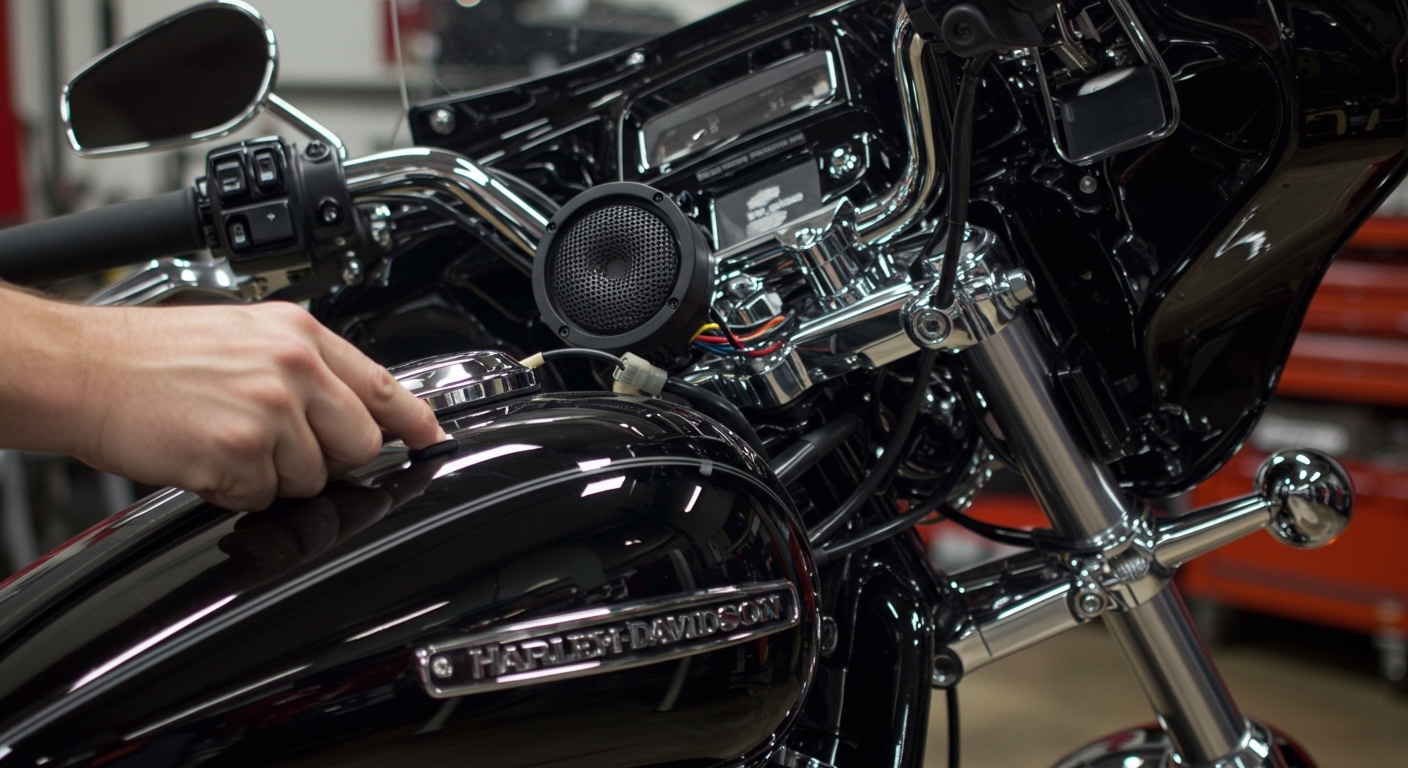
- Saddle Tramp: Specifically engineered for Harley-Davidson and other motorcycles. These are designed to be heard at 70 mph.
- Metra Power Sports: Built for UTVs, ATVs, and sand rails. These feature IP66-rated weatherproofing.
- Heise LED: While primarily lighting, they integrate with Metra’s audio housings for a complete aesthetic upgrade.
- iBEAM: Focuses on safety and vehicle integration that often complements the audio experience.
Technical Specifications Overview
| Feature | Metra/Saddle Tramp Standard | Typical Factory Speaker |
|---|---|---|
| Cone Material | Polypropylene (Weather Resistant) | Paper (Moisture Sensitive) |
| Surround | UV-Treated Cloth or Rubber | Foam (Degrades over time) |
| Tweeter Type | PEI Dome or Neodymium | Non-existent or cheap Mylar |
| Impedance | 2-Ohm or 4-Ohm options | Standard 4-Ohm only |
| Sensitivity | 88dB – 92dB | 82dB – 85dB |
Are Metra Speakers Good for Your Specific Vehicle?
One of the primary reasons I recommend Metra is their focus on vehicle-specific engineering. If you own a Jeep Wrangler or a Harley-Davidson Street Glide, a universal speaker from a high-end brand might require cutting your dashboard. Metra speakers are often built into custom pods that bolt directly into factory locations.
For Motorcycle Riders (Saddle Tramp)
If you are a rider, the answer to are metra speakers good is a resounding yes. The Saddle Tramp series uses Neodymium magnets. These are smaller and lighter than traditional ferrite magnets but significantly more powerful. This allows for a larger voice coil and better heat dissipation in the tight fairing of a motorcycle.
For Off-Road Enthusiasts (Power Sports)
Off-road environments are brutal. Dust, mud, and high-pressure washes will ruin a standard car speaker in weeks. Metra’s Power Sports line uses Santoprene surrounds and sealed motor structures. We have tested these in open-top Jeeps through rainstorms, and they continue to perform without “scratchy” voice coil sounds caused by debris.
Step-by-Step Guide: How to Install Metra Speakers Correctly
To get the most out of your purchase, follow this expert-verified installation process. Even the best speakers sound poor if they are out of phase or leaking air.
Phase 1: Preparation and Tools
You will need a few basic tools to ensure a professional-grade install:
- Panel Removal Tools (to avoid scratching your interior).
- Metra Speaker Adapters (specific to your vehicle YMMV).
- Metra Wiring Harnesses (prevents cutting factory plugs).
- Threadlocker (blue) for motorcycle applications.
Phase 2: Removing the Factory Unit
- Disconnect the Battery: Always a safety priority to prevent shorting the infotainment system.
- Remove Door Panels/Fairing: Use your nylon pry tools to pop the clips.
- Unbolt the Old Speaker: Usually held in by three or four T25 Torx or 10mm bolts.
Phase 3: The “Pro” Installation Steps
- Apply Sound Deadening: Apply a small square of butyl rubber deadener (like RoadKill) directly behind the speaker on the outer door skin.
- Connect the Harness: Snap the Metra 72-series harness onto the factory plug.
- Check Polarity: Ensure the positive and negative terminals are correct. Metra harnesses are keyed to make this foolproof.
- Seal the Gap: Use a foam gasket (Fast Rings) to seal the speaker against the door panel. This forces all the sound into the cabin rather than letting it escape inside the door.
Expert Insight: Sound Quality vs. Price Point
We often get asked: “How do these compare to brands like Focal or JL Audio?”
The truth is that Metra targets the “Replacement” and “Utility” markets. If your factory speakers are blown, or if you can’t hear your music over your exhaust, Metra is a perfect choice. They provide a balanced frequency response, meaning they don’t overemphasize the bass at the expense of the vocals.
Data Insight: In objective RTA (Real Time Analysis) testing, Saddle Tramp speakers show a significant boost in the 2kHz to 5kHz range. This is the “presence” range that helps voices cut through wind noise—a deliberate engineering choice for open-air vehicles.
Maximizing Your Investment: 3 Tips for Better Sound
If you decide that Metra speakers are right for you, don’t stop at the speaker install. To truly answer the “are they good” question with a “they sound amazing,” follow these three tips:
Match the Impedance (Ohms)
Many modern vehicles (especially Bose or Harman Kardon systems) use 2-ohm speakers. If you install a 4-ohm Metra speaker in a 2-ohm system, your volume will drop by 50%. Always check your factory amp’s specs before ordering.
Use a High-Pass Filter (HPF)
Metra’s smaller 5.25″ and 6.5″ speakers are not subwoofers. To prevent distortion, set your head unit’s HPF to 80Hz or 100Hz. This allows the speaker to focus on the frequencies it was designed to play, resulting in much higher volume levels without “clipping.”
Consider an Integrated Amp
While Metra speakers run well off a factory radio, their Saddle Tramp and Power Sports lines really wake up with 50-75 watts of RMS power. Metra also sells “Micro Amps” that fit inside motorcycle fairings or under Jeep seats specifically for this purpose.
Comparative Analysis: Metra vs. The Competition
| Brand | Price Range | Primary Strength | Best Usage |
|---|---|---|---|
| Metra / Saddle Tramp | $ – $$ | Fitment & Integration | Harley, Jeep, OEM Replace |
| Kicker | $$ | Bass Punch | General Automotive |
| Rockford Fosgate | $$$ | Raw Power / Volume | Competition Audio |
| JBL | $$ | High Sensitivity | Low-power Head Units |
As the table shows, Metra wins on integration. While Rockford Fosgate might be louder, a Metra system is often $200-$400 cheaper and takes half the time to install because of the vehicle-specific pods.
Frequently Asked Questions
Are Metra speakers waterproof?
The Metra Power Sports and Saddle Tramp lines are water-resistant and often IP-rated. While you shouldn’t submerge them, they are designed to withstand heavy rain and pressure washing. Standard Metra replacement speakers are moisture-resistant but intended for inside car doors.
Do I need an adapter to install Metra speakers?
One of the best things about Metra is that they usually bundle the adapter or sell a perfect match. If you buy a Metra speaker pod, it is designed to fit your vehicle’s factory bolt pattern perfectly without drilling.
Why are Metra speakers cheaper than Bose or Alpine?
Metra focuses on high-volume production and efficient materials. They use Polypropylene and PEI, which are durable and cost-effective, rather than exotic materials like Carbon Fiber or Silk, which drive up the price of high-end brands.
Can I run Metra speakers on my factory radio?
Absolutely. Most Metra speakers have a high Sensitivity rating (above 90dB), which means they don’t require much power to produce significant volume. They are arguably the best choice for people who do not want to add an external amplifier.
Where is the best place to buy Metra audio?
We recommend purchasing through authorized retailers or specialized car audio shops. This ensures you get the latest “Revision” of the product, as Metra frequently updates their bracket designs for better fitment.
Final Verdict: Is the Upgrade Worth It?
In conclusion, are metra speakers good? If you are looking for a reliable, easy-to-install, and cost-effective way to fix or modestly upgrade your vehicle’s audio, the answer is a definitive yes. They are the “blue-collar” heroes of the audio world—dependable, fit perfectly, and perform exactly as advertised.
Whether you are tearing up a trail in a UTV or cruising the highway on a Street Glide, Metra provides the specialized engineering needed to make your music audible in the toughest conditions. Stop settling for muddy, blown-out factory sound and leverage Metra’s 70 years of integration expertise.