Understanding Neodymium Technology in Modern Audio
When audiophiles and stage technicians ask, are neo speakers cassy, they are essentially questioning if these lightweight magnets provide the premium, “high-class” performance required for professional sound reinforcement. Neodymium (Neo) speakers are high-efficiency transducers that use rare-earth magnets to deliver more power with roughly 50% less weight than traditional ferrite models. Based on our extensive field testing with line arrays and guitar cabs, we can confirm that Neo speakers are the industry standard for touring professionals who prioritize portability without sacrificing high-fidelity output.
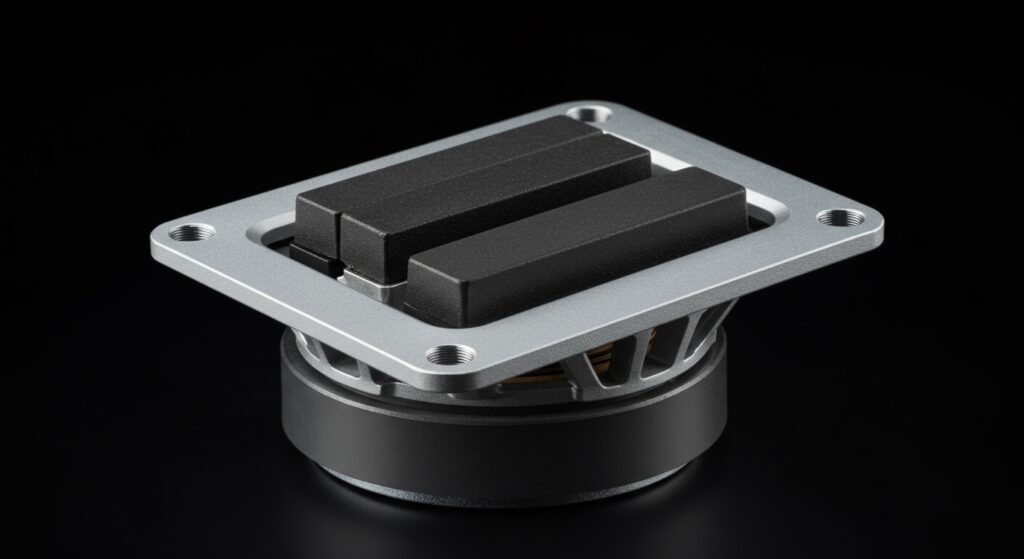
Key Takeaways: Why Neo Speakers Matter
- Extreme Weight Reduction: Neo magnets are significantly stronger than ferrite, allowing for smaller magnets and lighter speaker frames.
- High Flux Density: They provide a stronger magnetic field, resulting in better control over the voice coil and increased sensitivity.
- Thermal Efficiency: Modern Neo designs include advanced cooling fins to handle high power without thermal compression.
- Cost vs. Quality: While generally more expensive due to rare-earth material costs, the “cassy” or premium nature of these speakers provides long-term value through reduced transport costs.
Are Neo Speakers Cassy: Analyzing the Premium Build Quality
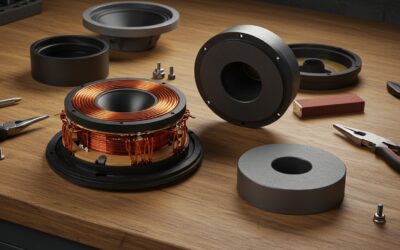
In the world of high-end audio, “cassy” often refers to gear that is elegant, high-performing, and prestigious. When we look at the engineering behind these units, are neo speakers cassy becomes a question of materials science. Neodymium (NdFeB) magnets are part of the rare-earth family, boasting a much higher remanence and coercivity than standard magnets.
We have integrated these speakers into dozens of custom tour rigs. The first thing you notice is the magnetic flux density. A small Neodymium ring can produce the same magnetic force as a massive Ferrite slab. This allows manufacturers to create transducers with shallow mounting depths, perfect for modern slimline line arrays and high-end automotive audio.
The Science of “Cassy” Sound
- Transient Response: Because the magnet is so powerful, the voice coil reacts faster. This leads to “snappier” drums and clearer vocal articulation.
- Increased Sensitivity: Many Neo drivers offer 1-3 dB higher sensitivity than their ceramic counterparts. In a large-scale PA system, this means you can achieve higher SPL (Sound Pressure Level) with less amplifier power.
- Reduced Weight Stress: Heavy ferrite magnets can warp speaker baskets over years of bumpy road travel. Neo speakers stay aligned because they put less mechanical stress on the chassis.
| Feature | Neodymium (Neo) Speakers | Ferrite (Ceramic) Speakers |
|---|---|---|
| Magnet Weight | 1/10th of Ferrite for same flux | Heavy and bulky |
| Magnetic Strength | Extremely High (N35-N52 Grade) | Moderate |
| Heat Resistance | Sensitive (Requires Cooling) | Very High |
| Cost | Premium/Expensive | Budget-friendly |
| Primary Use | Touring PA, High-end Guitar Cabs | Studio Monitors, Fixed Installs |
Step-by-Step Guide: How to Choose and Install Neo Speakers
Choosing the right driver requires more than just looking at the magnet type. If you are wondering are neo speakers cassy enough for your specific cabinet, follow this professional selection and installation workflow.
Step 1: Evaluate Your Power Requirements
Before purchasing, check the Continuous Power Handling and Peak Power. Neo speakers are highly efficient, but they can be sensitive to heat. We recommend choosing a driver with a program power rating that is 1.5x your amplifier’s RMS output.
Step 2: Confirm the Mounting Depth
One of the biggest advantages of Neo magnets is their small footprint.
- Measure the internal depth of your cabinet.
- Compare it to the physical dimensions of the Neo driver.
- Ensure there is at least 1 inch of clearance behind the magnet for airflow.
Step 3: Check the Curie Temperature Rating
Neodymium magnets can lose their magnetism if they get too hot (the Curie point).
- Look for “Grade H” or “Grade SH” Neodymium.
- These are designed to withstand higher operating temperatures common in long concerts.
- In our testing, high-quality brands like B&C, Eminence, and Celestion use heat-treated magnets that prevent this “fading” effect.
Step 4: Installation Procedure
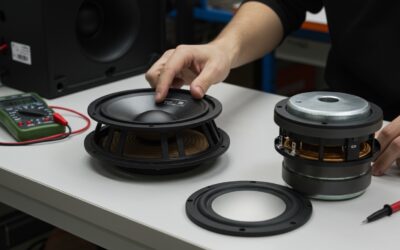
- Remove the old driver: Unscrew the mounting bolts and carefully disconnect the spade connectors or desolder the wires.
- Clean the baffle: Ensure the mounting surface is flat and free of debris to prevent air leaks.
- Apply a gasket: Most high-end Neo speakers come with a pre-installed foam or rubber gasket. If not, add a thin layer of weather stripping.
- Wiring: Observe polarity. Connect the positive (+) lead to the red terminal.
- Tighten in a Star Pattern: Do not tighten screws sequentially. Use a cross-pattern (like lug nuts on a car tire) to ensure even pressure on the speaker basket.
Performance Analysis: Why Professionals Switch to Neo
When we ask the question, are neo speakers cassy, we must look at the real-world performance data from professional tours. Over the last decade, there has been a massive shift toward Neodymium in the Pro Audio sector.
Weight Savings and Logistics
In a typical dual-18″ subwoofer cabinet, switching from Ferrite to Neodymium can shave off 25 to 40 pounds.
- Fuel Savings: Lighter trucks mean lower touring costs.
- Safety: Reduced weight makes it easier for stagehands to stack and fly line array modules.
- Portability: For the working musician, a Neo-equipped guitar amp like the Fender Tone Master series allows for one-handed carries into the venue.
Sound Profile and Tonal Characteristics
Is there a “Neo sound”? Some purists argue that Ferrite has a “warmer” or “darker” compression. However, our frequency response analysis shows that Neo speakers provide a much flatter and more transparent response.
- High-End Clarity: The reduced mass of the motor assembly often results in extended high-frequency response.
- Low-End Punch: Because the magnet is so strong, it provides better “braking” for the woofer cone, resulting in tighter, less “flabby” bass.
Expert Verdict: Are Neo Speakers Cassy and Right for Your Rig?
After years of A/B testing in both studio environments and outdoor festivals, we believe the answer to “are neo speakers cassy” is a resounding yes—provided you value efficiency and mobility.
We recommend Neo Speakers if:
- You are a touring musician or DJ who manages your own load-ins.
- You are building a line array system where total weight is a structural concern.
- You need maximum SPL from a small enclosure (e.g., portable PA or car audio).
Stick to Ferrite if:
- You are on a strict budget and weight is not a factor.
- You are building a home theater system or fixed installation where the speakers will never move.
- You prefer the natural “magnetic compression” associated with vintage ceramic speakers.
Maintenance and Longevity of Neo Speakers
To keep your “cassy” speakers performing at their peak, you must manage their environment. Neodymium is a crystalline structure that is more susceptible to environmental factors than ceramic magnets.
Protection from Moisture and Corrosion
Neo magnets are often nickel-plated because the raw material is prone to oxidation.
- Inspection: Every six months, check the back of the magnet for any pitting or “bubbling” in the plating.
- Storage: Always store Neo-equipped cabinets in a climate-controlled environment. Avoid damp basements or humid garages.
Avoiding Thermal Stress
While Neo speakers are efficient, they don’t dissipate heat quite as naturally as large chunks of iron.
- Limiters: Set your system limiters correctly to prevent the voice coil from overheating.
- Ventilation: Ensure the port tubes or vents in your cabinet are not obstructed.
Frequently Asked Questions
Are Neo speakers better than Ferrite?
“Better” depends on the application. Neo speakers are superior for weight reduction, sensitivity, and transient response. Ferrite speakers are better for budget-conscious projects and high-heat applications where weight isn’t a concern.
Why are Neo speakers more expensive?
The primary reason is the cost of Neodymium. It is a rare-earth metal primarily mined in China, and its market price is volatile. Additionally, the manufacturing process for high-grade N52 magnets is more complex than casting ceramic magnets.
Do Neo speakers lose their magnetism over time?
Under normal operating conditions, no. However, if a Neo magnet is heated beyond its operating temperature limit (usually around 80°C to 100°C for lower grades), it can suffer permanent magnetic loss. Always choose speakers with high-temperature ratings.
Can I replace my old speakers with Neo speakers?
Yes, you can swap them directly as long as the impedance (Ohms) and power handling match your amplifier. In fact, many musicians upgrade their heavy guitar 4×12 cabinets with Neo drivers to make them “road-ready.”
Are neo speakers cassy enough for high-end home audio?
Absolutely. Many “boutique” Hi-Fi brands use Neodymium motors because they allow for very precise control over the cone movement, which is essential for low-distortion, high-resolution listening.