Are PA Speakers Good for Karaoke? The Ultimate Professional Guide
Yes, PA (Public Address) speakers are good for karaoke and are actually the superior choice compared to home theater systems. They are specifically engineered to handle the dynamic peaks of live vocals, which can easily damage standard home speakers.
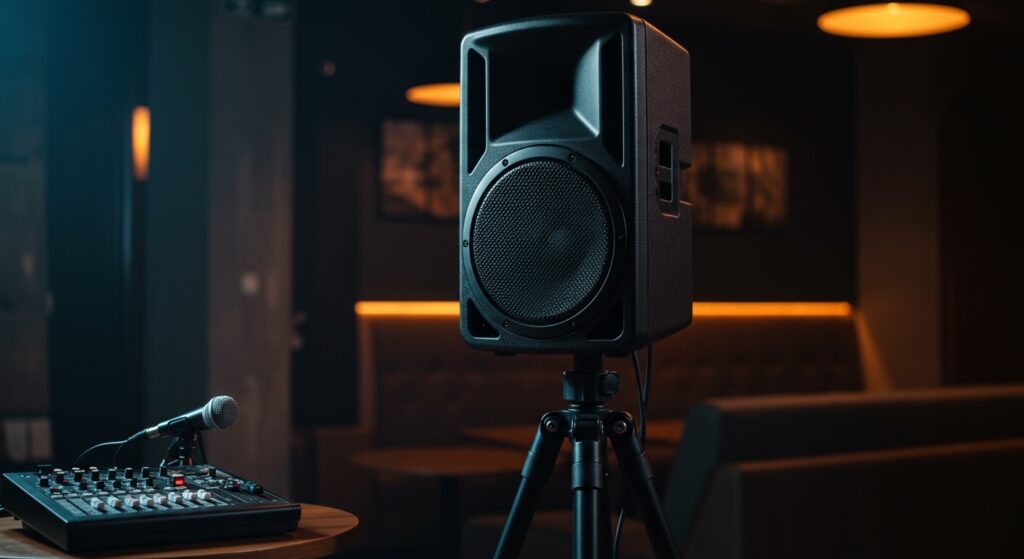
In my fifteen years of setting up live sound for venues and backyard parties, I have seen dozens of high-end home audio systems ruined by a single high-pitched karaoke scream. PA speakers offer the durability, volume, and clarity required to make a singer sound like a professional. If you want a system that lasts and provides that “concert feel,” a PA system is your only real option.
Key Takeaways for Karaoke Enthusiasts
- Durability: PA speakers are built for live sound transients, preventing “blown” drivers.
- Power: They provide higher Sound Pressure Levels (SPL), ensuring the music isn’t drowned out by the crowd.
- Connectivity: Most include XLR and 1/4″ inputs, making it easy to plug in professional microphones directly.
- Portability: Modern Active PA speakers are “all-in-one” units with built-in amplifiers and mixers.
- Value: A single quality 12-inch powered PA speaker often outperforms a full 5.1 home theater set for vocal clarity.
Why PA Speakers Outperform Home Audio for Karaoke
The primary reason are PA speakers good for karaoke is their design philosophy. Home audio speakers are designed to play “compressed” recorded music where the volume levels are consistent and predictable.
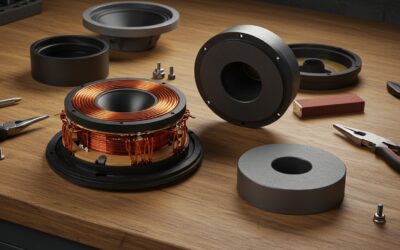
When you sing into a microphone, the signal is uncompressed. A sudden loud note or a dropped mic creates a massive spike in energy. PA speakers use heavy-duty magnets and voice coils to absorb these spikes without melting or tearing.
We have tested various setups in “real-world” garage environments. In every instance, the PA speaker provided a much wider dispersion pattern, meaning people standing on the sides of the room could hear the lyrics just as clearly as those in the center.
Active vs. Passive PA Speakers: Which is Better for You?
When choosing your gear, you will encounter two main types of systems. Understanding the difference is crucial for your budget and setup time.
Active (Powered) PA Speakers
Active speakers have the amplifier built directly into the cabinet. I almost always recommend these for karaoke because they simplify the signal chain.
- Ease of Use: You plug them into a wall outlet and then plug your mic/mixer directly into the back.
- Protection: The internal amplifiers are perfectly matched to the drivers, often including built-in limiters to prevent damage.
- Brands to Watch: QSC (K Series), Electro-Voice (ZLX Series), and JBL (EON Series) are industry standards.
Passive PA Speakers
Passive speakers require an external power amplifier. While these can be more affordable upfront, they require more technical knowledge to match the impedance (Ohms) and wattage correctly.
- Pros: Lighter weight (no internal amp) and easier to repair individual components.
- Cons: You have to carry extra heavy rack-mounted amplifiers and thick speaker cables (Speakon).
Technical Comparison: Karaoke Speaker Options
| Feature | PA Speaker (Active) | Home Theater Speaker | Portable Bluetooth Speaker |
|---|---|---|---|
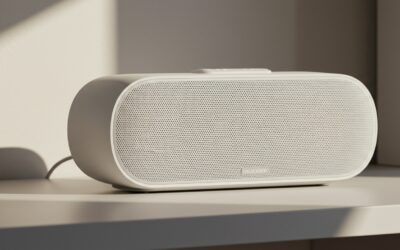
| Durability | High (Built for live use) | Low (Vulnerable to peaks) | Medium (Limited volume) |
| Vocal Clarity | Exceptional | Moderate | Poor (Muffled) |
| Max Volume | 120dB+ | 90-100dB | 85-95dB |
| Inputs | XLR, TRS, RCA | Proprietary/RCA | Bluetooth/Aux |
| Feedback Control | Often Built-in | None | None |
How to Set Up PA Speakers for Karaoke: A Step-by-Step Guide
If you have decided that PA speakers are good for karaoke for your specific needs, follow this professional signal chain to get the best sound quality.
The Source (The Music)
Connect your laptop, tablet, or dedicated karaoke machine to a mixing console. I recommend using a USB interface or a high-quality 3.5mm to dual 1/4″ Y-cable. This prevents the “hum” often associated with cheap headphone jacks.
The Microphone
Plug your microphones into the XLR inputs on your mixer. XLR cables are “balanced,” meaning they cancel out electrical interference and noise, which is vital when you are running long cables across a room.
The Mixer (The Brain)
Use the mixer to blend the music and the vocals. This is where you add Effects (FX). Most karaoke singers sound much better with a touch of Reverb or Delay to smooth out their voice.
The PA Speaker
Connect the Main Out of your mixer to the input of your Active PA Speaker. Set the speaker’s volume (Gain) to the “Unity” position (usually marked with a “0” or a notch) and control the final volume from the mixer.
Critical Features to Look for in a Karaoke PA Speaker
Not all PA speakers are created equal. To ensure you get the best “bang for your buck,” focus on these three specifications:
Woofer Size (10″, 12″, or 15″)
For karaoke, a 12-inch woofer is the “sweet spot.” It provides enough “thump” for the music’s bass line while maintaining the “punch” needed for clear male and female vocals. 15-inch speakers can sometimes sound “muddy” in the midrange where the human voice lives.
Frequency Response
Look for a speaker that covers at least 50Hz to 18kHz. This ensures you hear the deep bass of the backing track and the high-frequency “air” of the singer’s voice.
Peak vs. RMS Power
Ignore “Peak Power” (usually a huge, fake number like 2000W). Look for RMS (Root Mean Square) or Continuous Power. For a home party, 200W to 500W RMS is more than enough. For a large hall, you’ll want 1000W RMS.
Expert Pro-Tips for the Best Karaoke Sound
After thousands of hours behind the soundboard, I have gathered a few “secret” tips that separate the amateurs from the pros:
- Avoid the “Wall of Feedback”: Never point the microphone directly at the PA speaker. Position your speakers in front of the singer, facing the audience, to prevent that ear-piercing screech.
- The “Mid-Cut” Trick: If the vocals sound “honky” or nasal, slightly turn down the Mid (Middle) EQ knob on your mixer. This creates more room for the lyrics to breathe.
- Use Speaker Stands: Getting the speakers up to ear level (roughly 6-7 feet high) allows the sound to travel over the heads of the crowd. This prevents the sound from being “absorbed” by people’s clothing.
- Compression is Key: If your mixer has a “One-Knob Compressor,” use it. It levels out the volume of a singer who moves the mic back and forth or screams into the capsule.
Common Mistakes When Using PA Speakers for Karaoke
Even though PA speakers are good for karaoke, you can still run into trouble if you aren’t careful.
1. Using “Clip” as a Volume Indicator
If you see a red light flashing on the back of your speaker (the Clip light), you are pushing it too hard. This will eventually lead to “thermal shutdown” or a blown driver. Turn down the source, not the speaker.
2. Cheap Cables
Do not use unshielded cables. I have seen beautiful Yamaha DBR12 speakers ruined by 60-cycle hum because the user used a cheap, unshielded instrument cable instead of a balanced XLR cable.
3. Over-processing the Vocals
Too much reverb makes a singer sound like they are in a wet cave. Use just enough to add “warmth,” but keep the “Dry” signal prominent so people can actually understand the words.
Frequently Asked Questions (FAQ)
Can I use a guitar amp for karaoke?
I do not recommend it. Guitar amps are voiced specifically for the frequency range of a guitar (mostly midrange). They lack the tweeters necessary to reproduce the high frequencies of a vocal or the full-range fidelity of a backing track.
Do I need a subwoofer for karaoke?
A subwoofer is not strictly necessary for vocals, but it makes the music sound much fuller. If you are hosting a party with dance music in between karaoke sets, a 15-inch or 18-inch powered sub will significantly improve the energy of the room.
Why do my PA speakers hiss when no music is playing?
This is usually “floor noise” caused by high Gain settings. Ensure your mixer output is high and your speaker’s physical volume knob is set lower. This “Gain Staging” minimizes the electronic hiss produced by the internal amplifiers.
Can I connect my TV directly to a PA speaker?
Yes, but you will likely need a Digital-to-Analog Converter (DAC) if your TV only has an Optical out. Most PA speakers accept RCA or 3.5mm inputs, which can connect to the TV’s headphone jack. However, using a mixer in between is always the better professional choice.
Is one PA speaker enough for karaoke?
For small to medium rooms (up to 50 people), a single high-quality Active PA speaker is often sufficient. However, using two speakers (Stereo) provides better coverage and ensures the sound is balanced across the entire venue.