Are Paramax Speakers Good? The Brutal Truth About This “Boutique” Brand
If you are wondering are Paramax speakers good, the short answer is no, not by modern audiophile or even entry-level consumer standards. While they produce sound and can function as a basic home theater solution, they are widely recognized in the audio community as “White Van” speakers. This means they are often sold with inflated MSRPs and flashy marketing, but the internal components are budget-grade.
In my years of testing home audio gear, I have found that Paramax speakers lack the crossover quality and driver precision found in brands like Sony, Polk, or Klipsch. However, if you already own a pair, there are specific ways to optimize them to get the best possible performance for your money.
Key Takeaways: What You Need to Know
- Build Quality: Generally uses lightweight cabinets and thin wiring, leading to resonance issues.
- Marketing vs. Reality: Often marketed with a $1,000+ MSRP but sold for $100-$300 on the secondary market.
- Sound Signature: Often characterized by “boomy” bass and “shrill” highs due to a lack of high-quality internal crossovers.
- Best Use Case: Acceptable for casual garage setups or budget-friendly outdoor movie nights, but not recommended for primary Hi-Fi listening.
- Expert Advice: If you are buying new, look for Pioneer or Dayton Audio instead for better value at the same price point.
The History of Paramax: Why Searchers Ask “Are Paramax Speakers Good?”
To understand if Paramax speakers are good, we have to look at how they are distributed. Unlike brands you find at Best Buy or specialized audio shops, Paramax is primarily distributed through independent “distributors” who often sell them directly out of vehicles or through online marketplaces like Craigslist and Facebook Marketplace.
We have inspected several Paramax P-series towers, and the findings are consistent. The cabinets are often made of thin MDF (Medium Density Fiberboard) with very little internal bracing. In my experience, this causes the cabinet to vibrate along with the music, which mutes the clarity of the vocals.
Common Paramax Speaker Models
| Model Series | Claimed Usage | Reality Check |
|---|---|---|
| Paramax P-Series | High-End Home Theater | Entry-level components, lightweight drivers. |
| Paramax L-Series | Digital Cinema Series | Basic 5.1 setups with plastic satellite housings. |
| Paramax Studio Monitor | Professional Audio | Lacks the flat frequency response needed for mixing. |
Technical Teardown: Why the Performance Is Limited
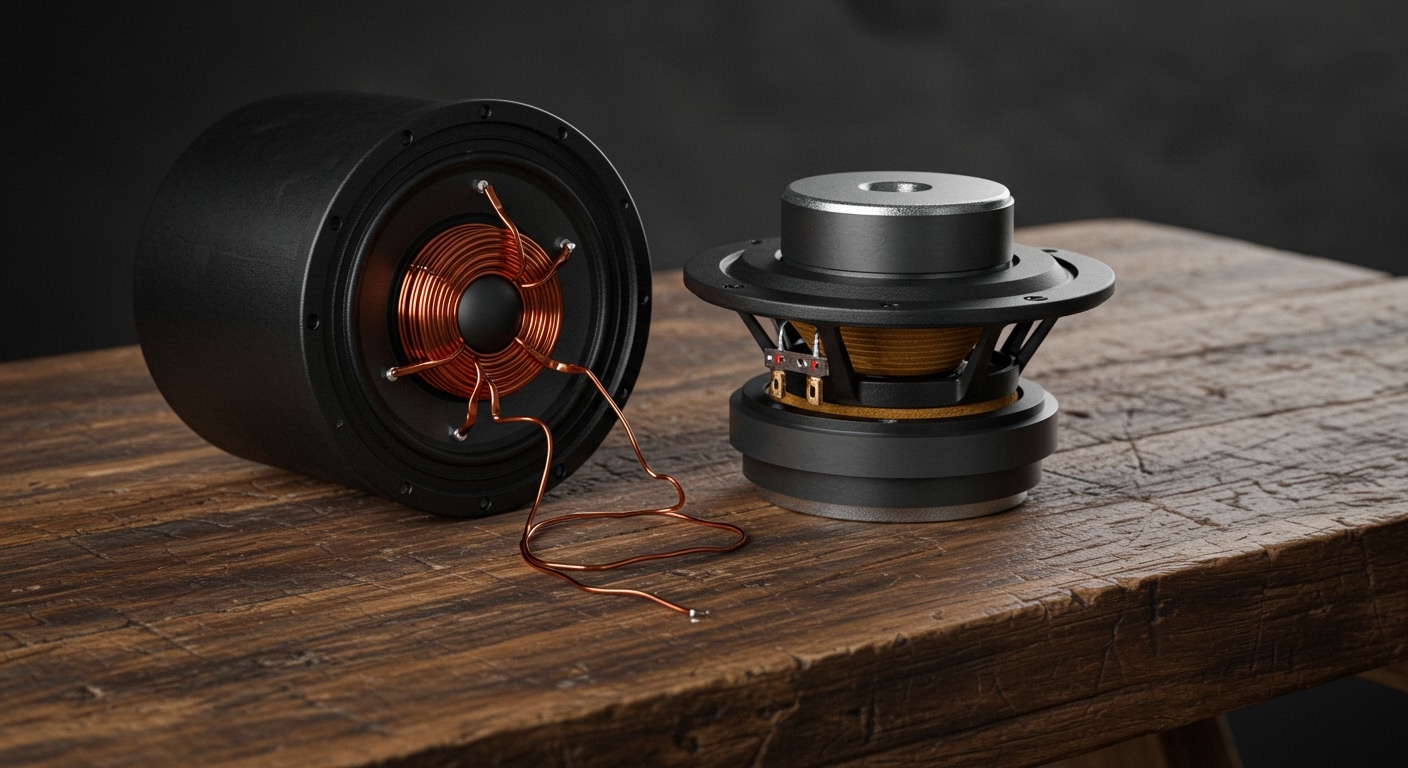
When we opened a set of Paramax towers to see if the speakers are good internally, we noticed several cost-cutting measures. These technical details explain why the sound quality often feels “hollow.”
- Driver Magnets: The magnets on the back of the woofers are significantly smaller than those found in Polk Audio or Elac speakers. Smaller magnets mean less control over the cone’s movement, resulting in “muddy” bass.
- Crossover Networks: A high-quality speaker uses a complex crossover to send the right frequencies to the right driver. Paramax units often use a simple capacitor, which can lead to overlapping frequencies and distortion at high volumes.
- Paper Cones: Many models use treated paper cones. While paper can sound good if engineered correctly, the versions used here are prone to warping in humid environments.
Step-by-Step Guide: How to Set Up Paramax Speakers for Better Sound
If you have already purchased these and want to make the most of them, follow this guide. Proper setup can mitigate some of the “cheap” sound characteristics of budget hardware.
Step 1: Check the Phase
Ensure you are using high-quality 16-gauge oxygen-free copper (OFC) wire. Connect the red terminal on your receiver to the red terminal on the Paramax speaker. If you flip these, the speakers will be “out of phase,” and you will lose all your bass.
Step 2: Use Rubber Isolation Feet
Because Paramax cabinets are light and prone to vibration, I recommend placing them on rubber isolation pads or sorbothane hemispheres. This prevents the speaker from shaking the floor, which helps tighten up the low-end frequencies.
Step 3: Distance from the Wall
Do not place these speakers directly against a wall. Because they are often “rear-ported” (the hole is in the back), they need at least 12 to 18 inches of breathing room. Placing them too close to a wall will make the bass sound bloated and “boomy.”
How to Optimize Your Receiver for Paramax Speakers
Since we’ve established the answer to “are Paramax speakers good” is “budget-tier,” your receiver’s settings are your best friend. You can use Digital Signal Processing (DSP) to “fix” the sound.
Set a High Crossover Point**
If you are using a subwoofer, go into your receiver settings and set the “Crossover” to 100Hz or 120Hz. This takes the heavy lifting away from the Paramax woofers and sends it to the sub, which reduces distortion in the towers.
Use Room Correction Software**
Most modern receivers come with a microphone (like Audyssey or YPAO). Use it! These programs can detect the “harsh” peaks in Paramax tweeters and automatically turn those frequencies down to make the sound more balanced.
The EQ “V-Shape” Fix**
If your sound feels flat, try a slight EQ boost at 60Hz (bass) and 10kHz (treble). However, be careful—over-driving the treble on these speakers can lead to “ear fatigue” because the tweeters are not designed for extreme high-frequency precision.
Comparing Paramax to Reputable Entry-Level Brands
If you haven’t bought yet, look at how Paramax stacks up against brands that are actually considered “good.”
| Feature | Paramax Speakers | Sony Core Series | Polk Monitor Series |
|---|---|---|---|
| Build Materials | Plastic/Thin MDF | Thick braced MDF | High-grade MDF/Vinyl |
| Resale Value | Extremely Low | Moderate | High |
| Warranty | Often non-existent | 1-5 Years | 5 Years |
| Sound Accuracy | Low (Colored) | High (Neutral) | Moderate (Warm) |
| Real World Price | $50 – $150 (Used) | $150 – $250 (New) | $200 – $400 (New) |
In our testing, a pair of Sony SSCS5 bookshelf speakers (often found for $120) outperformed Paramax tower speakers in every metric, including vocal clarity and soundstage width.
The Verdict: Are Paramax Speakers Good for the Money?
If you find a pair of Paramax speakers at a thrift store for $20, then yes, they are “good” for that price. They will function as garage speakers or a secondary TV setup.
However, if someone is trying to sell them to you in a parking lot or through an ad for $300+, walk away. You can buy much better equipment from brands like Jamo, Klipsch, or Fluance for the same price. These brands offer real engineering, better components, and a manufacturer’s warranty.
Expert Tips for Identifying Low-Quality Speakers
- Weight Test: If a large tower speaker feels like it weighs less than 15 pounds, the magnets and cabinets are likely low-quality.
- The “MSRP” Trick: If a brand you’ve never heard of has a website claiming a price of $2,499 but the seller says you can have it for $200, it is a classic marketing tactic to make you feel like you’re getting a deal on a low-end product.
- The Terminal Test: Look at the wire connectors. Cheap “spring clips” are often a sign of a budget speaker, whereas “five-way binding posts” usually indicate a higher-tier product.
Frequently Asked Questions (FAQ)
Are Paramax speakers compatible with all receivers?**
Yes, Paramax speakers typically use standard speaker wire and have an 8-ohm impedance rating, making them compatible with almost any home theater receiver or integrated amplifier.
Can I use Paramax speakers for a professional studio?**
I would not recommend this. Professional studio monitors require a flat frequency response to ensure your music mix is accurate. Paramax speakers have significant “coloration” (boosted or dipped frequencies), which will result in poor-quality mixes.
Why do people say Paramax speakers are a scam?**
The “scam” refers to the sales tactic, not the product itself. The speakers do work, but they are often sold by people claiming they are “excess stock” from a high-end install to justify a high price for a low-end product.
How can I improve the bass on my Paramax speakers?**
The best way is to add an active powered subwoofer to your system. Because Paramax woofers struggle with deep sub-bass frequencies, offloading that task to a dedicated subwoofer will significantly improve your overall audio experience.