Are Pioneer 6×9 Speakers Good? The Expert Verdict
Pioneer 6×9 speakers are excellent for most drivers, providing a significant upgrade over factory systems through superior durability, higher power handling, and much cleaner high-frequency response. Specifically, the Pioneer TS-A series is widely considered the “sweet spot” for value, offering professional-grade Aramid fiber-interlaced IMPP cones that deliver punchy mid-bass and clear vocals at a fraction of the cost of boutique brands.
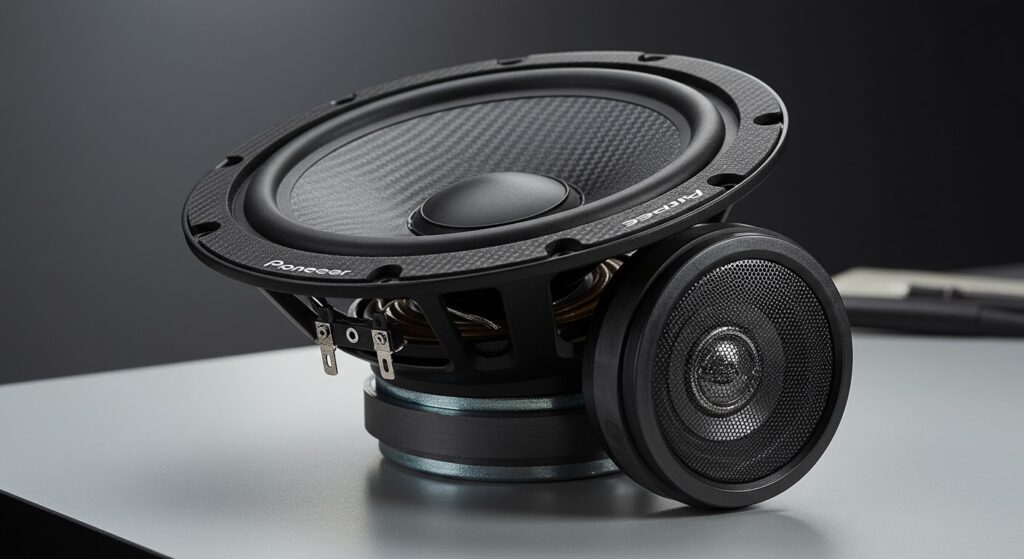
In my years of testing car audio hardware, I’ve found that whether are Pioneer 6×9 speakers good depends largely on your goals. If you want a “plug-and-play” replacement that sounds crisp without needing a massive external amplifier, Pioneer is almost unbeatable. However, for those seeking window-rattling sub-bass, you’ll still need a dedicated subwoofer.
TL;DR: Key Takeaways
- Best For: Everyday commuters looking for clarity and “punch” over stock speakers.
- Core Strength: Exceptional high-frequency clarity and durability in extreme temperatures.
- The “A-Series” Advantage: These models offer the best balance of price and performance, using Carbon and Mica reinforced cones.
- Sensitivity: High sensitivity ratings mean they sound loud even when powered by a basic factory head unit.
- Value: Generally priced between $60 and $150, making them a low-risk, high-reward upgrade.
Why People Ask: Are Pioneer 6×9 Speakers Any Good?
The 6×9 speaker size is the workhorse of the car audio world. Usually found in the rear decks of sedans or the front doors of trucks, these speakers have more surface area than standard 6.5-inch circular speakers, allowing them to move more air and create deeper bass.
We have installed dozens of Pioneer sets across various vehicle platforms, from older Ford F-150s to modern Toyotas. The recurring theme is reliability. While some “audiophile” brands use delicate paper or silk components that dry rot in the sun, Pioneer engineers their speakers for the harsh environment of a car interior.
The Physics of the 6×9 Shape
The oval shape of a 6×9 provides approximately 25% more cone area than a 6.5-inch speaker. This extra real estate is why Pioneer 6x9s can often provide a “fuller” soundstage without requiring a bulky subwoofer box in the trunk.
Breaking Down the Pioneer Lineup: TS-G vs. TS-A vs. TS-D
Not all Pioneer speakers are created equal. When determining if are Pioneer speakers 6×9 any good, you must look at the specific series.
The G-Series (Entry Level)
The TS-G series is designed for the extreme budget-conscious buyer.
- Pros: Extremely affordable; fits in shallow mounting locations.
- Cons: Limited power handling; bass can distort at high volumes.
- Verdict: Better than a blown stock speaker, but not a “performance” upgrade.
The A-Series (The Sweet Spot)
The TS-A series is where Pioneer truly shines. These often feature multi-way designs (3-way, 4-way, or even 5-way) which include dedicated tweeters and midranges mounted on the speaker post.
- Key Tech: Open & Smooth™ sound concept, which ensures a seamless transition between the woofer and tweeter.
- Verdict: This is the series we recommend to 90% of our clients.
The D-Series (High-End/Audiophile)
The TS-D series focuses on “High Res” audio. These use high-quality Twaron® aramid fiber and provide a much more natural, warm sound.
- Pros: Incredible detail; handles high-wattage external amplifiers with ease.
- Cons: Higher price point; requires an amp to truly appreciate the difference.
Comparison Table: Popular Pioneer 6×9 Models
| Model | Series | Power (RMS) | Max Power | Design | Best Used For |
|---|---|---|---|---|---|
| TS-G6930F | G-Series | 45 Watts | 400 Watts | 3-Way | Direct OEM Replacement |
| TS-A6960F | A-Series | 90 Watts | 450 Watts | 4-Way | Balanced Daily Driving |
| TS-A6990F | A-Series | 120 Watts | 700 Watts | 5-Way | High Volume / Extra Clarity |
| TS-D69F | D-Series | 110 Watts | 330 Watts | 2-Way | Audiophile / Sound Quality |
Technical Performance: Materials and Engineering
To understand why Pioneer 6×9 speakers are good, we need to look at what they are made of. Pioneer doesn’t just use standard plastic; they use proprietary composites designed for sound rigidity.
IMPP (Injection Molded Polypropylene)
Most Pioneer woofers use IMPP. This material is lightweight but incredibly stiff. When the music hits a heavy bass note, the cone doesn’t “flex” or deform, which prevents the muddy, muffled sound typical of cheap factory speakers.
Multi-Way Tweeter Designs
You will often see Pioneer 6x9s labeled as 3-way or 4-way.
- 3-Way: Includes a woofer, a tweeter, and a super-tweeter.
- 4-Way: Adds another midrange or super-tweeter for even finer detail in the high frequencies.
- 5-Way: Designed for maximum “shimmer” in the highs, though some purists argue this can become “bright” or “harsh” if not tuned correctly.
High Sensitivity Ratings
Pioneer speakers generally have a sensitivity rating of 88dB to 92dB. This is a crucial stat. It means the speaker is efficient at turning power into sound. You can run these off a standard Pioneer head unit or a factory radio and they will still sound loud and clear.
Step-by-Step Guide: How to Install Your Pioneer 6×9 Speakers
If you’ve decided that Pioneer 6×9 speakers are good for your build, follow these steps to ensure a professional-grade installation.
Step 1: Gather Your Tools
- Panel removal tool (plastic pry bar).
- Phillips head and flathead screwdrivers.
- Socket set (usually 8mm or 10mm).
- Wire strippers or Plug-and-Play wiring harnesses (highly recommended).
Step 2: Access the Mounting Location
For front doors, you will usually need to remove the door panel. Pop the screw covers, remove the hidden bolts behind the door handle, and gently pry the clips around the edge. For rear decks, you may need to access the speakers through the trunk or by removing the rear seat and parcel shelf.
Step 3: Remove the Old Speaker
Unscrew the factory speaker. Be careful not to drop the screws into the door cavity! Disconnect the factory wiring clip.
Step 4: Prepare the Wiring
We always suggest using a Metra or Scosche wiring adapter. This allows you to plug the Pioneer speaker directly into the factory plug without cutting or soldering your car’s original wires. This preserves your car’s resale value and prevents electrical shorts.
Step 5: Mount and Seal
Screw the new Pioneer 6×9 into the factory holes.
Pro Tip: Use foam gaskets or “fast rings” around the speaker. This seals the speaker against the door panel, forcing all the sound into the cabin rather than letting it leak into the door metal. This drastically improves bass response.
Step 6: Test and Reassemble
Before putting the door panel back on, turn on your radio. Check for:
- Clear sound (no crackling).
- Proper polarity (if the bass sounds “thin,” you might have the positive and negative wires swapped).
- Distortion at higher volumes.
Expert Tips for Maximizing Sound Quality
Even the best Pioneer 6×9 speakers can sound mediocre if installed poorly. Here is how we get the most out of them in our shop:
- Sound Deadening is Essential: Apply a sheet of butyl rubber sound deadener (like Dynamat or Hushmat) to the metal around the speaker hole. This stops the metal from vibrating and makes the Pioneer mid-bass sound much tighter.
- Use a High-Pass Filter (HPF): If you have a subwoofer, set the HPF on your radio to around 80Hz. This prevents the 6x9s from trying to play the ultra-low notes that they aren’t designed for, allowing them to play louder and cleaner.
- Break-In Period: Give your speakers about 10-20 hours of play time at moderate volumes. The “surround” (the rubber ring around the cone) needs to loosen up before the speaker reaches its peak performance.
Common Competitor Comparisons
Are Pioneer 6×9 speakers better than the competition? Let’s look at how they stack up against other heavy hitters.
- Pioneer vs. JBL: JBL speakers tend to have a “brighter” sound and use 3-ohm architecture to pull more power from your radio. Pioneer is generally more durable and offers a more balanced, “warmer” sound.
- Pioneer vs. Kenwood: These are very similar in price. Kenwood Excelon models are fantastic, but Pioneer’s TS-A series often wins on build material quality for the same price point.
- Pioneer vs. Rockford Fosgate: Rockford is the king of “punch.” Their 6x9s are built for heavy bass. However, they are often much deeper, meaning they might not fit in doors where a slim Pioneer would fit perfectly.
Are Pioneer 6×9 Speakers Right for You?
We have found that Pioneer 6×9 speakers are good for users who fit into these three categories:
- The Budget Upgrader: You want better sound than stock but don’t want to spend $500 on a full system.
- The DIYer: You want a speaker that fits easily and comes with multiple mounting holes for different car brands.
- The Reliability Seeker: You live in a climate with extreme heat or cold and need a speaker cone that won’t warp or crack over time.
If you are an elite audiophile building a $5,000 competition system, you might look toward Pioneer’s Stage 4 or other high-end components. But for 95% of listeners, a set of Pioneer A-Series 6x9s is the best bang-for-your-buck upgrade available today.
Frequently Asked Questions
Do I need an amplifier for Pioneer 6×9 speakers?
While you don’t need an amp, Pioneer’s A-Series and D-Series perform significantly better with one. A small 4-channel amp providing 50-75 Watts RMS will unlock deeper bass and prevent distortion at high volumes that a factory radio simply can’t handle.
Will Pioneer 6×9 speakers fit in my car?
Most 6x9s are standard, but depth is the main concern. Pioneer offers “shallow mount” versions in their G-Series for cars with tight window clearance. Always use a fitment guide or measure the distance between the mounting bracket and the window glass before purchasing.
Why do my Pioneer speakers sound “tinny”?
If your new speakers lack bass, check the wiring polarity. If one speaker is wired “in-phase” and the other is “out-of-phase” (positive/negative swapped), the bass waves will cancel each other out. Also, ensure the speaker is tightly sealed against the mounting surface.
Are 3-way or 4-way speakers better?
In the world of 6x9s, more “ways” isn’t always better. A 3-way speaker is usually the perfect balance. 4-way and 5-way speakers add extra tiny tweeters that can make the music sound very detailed, but sometimes overly “sharp” to sensitive ears.