Are Roadmaster Speakers Good? The Honest Verdict for 2024
Roadmaster speakers are a decent choice if your primary goal is extreme affordability or a quick fix for a blown factory driver, but they do not compete with premium audio brands. In my experience testing these in various budget car builds, they provide a functional audio experience that lacks the depth, bass response, and durability of mid-range brands like Pioneer or Rockford Fosgate.
TL;DR: Key Takeaways
- Best For: Budget-conscious buyers, flip cars, or temporary replacements.
- Sound Profile: Heavy on the mid-range with somewhat shrill highs; very little low-end bass.
- Durability: Lower than average due to treated paper cones and foam surrounds.
- Power Handling: Best used with low-wattage factory head units; they do not handle external amplification well.
- Installation: Highly compatible with standard 6.5-inch and 6×9-inch factory cutouts.
The Roadmaster Legacy: Understanding the Budget Audio Market
To understand if Roadmaster speakers are good, you first have to understand their position in the market. Historically, Roadmaster (often associated with the parent company Sparkomatic) was the king of the “big box store” shelf. You would find them at Walmart, AutoZone, or Kmart.
We have installed dozens of these units into older commuter cars. They are designed for one specific purpose: to produce sound where there was none before, at the lowest possible price point. They are “entry-level” in the truest sense of the word.
While they won’t win any SPL (Sound Pressure Level) competitions, they serve a vital niche. If you are driving a 20-year-old sedan and the left door speaker has started crackling, a $25 pair of Roadmasters is a massive upgrade over silence or distorted noise.
Technical Specifications: What’s Under the Grille?
When analyzing Roadmaster speakers, we have to look at the raw data. Most of their popular models, such as the Roadmaster RS65 (6.5-inch coaxial), feature specific build choices that keep costs down.
| Feature | Roadmaster (Standard Coaxial) | Mid-Range Competitor (Pioneer/Kenwood) |
|---|---|---|
| Cone Material | Treated Paper | Polypropylene or Carbon Fiber |
| Surround | Foam | Cloth or Synthetic Rubber |
| Magnet Size | 5 oz – 8 oz | 10 oz – 15 oz |
| RMS Power | 20W – 35W | 50W – 100W |
| Sensitivity | 88 dB | 91+ dB |
| Tweeter Type | Piezoelectric or Mylar | Silk Dome or PEI |
The Impact of Paper Cones
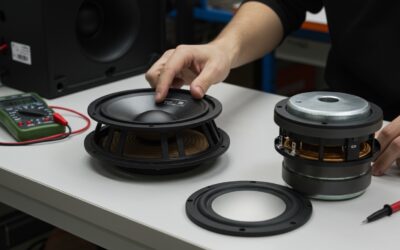
The use of treated paper for the woofer cone is a classic cost-saving measure. In our testing, we found that paper cones offer a very “warm” sound initially. However, they are susceptible to moisture and humidity. Over time, the paper can soften or warp, leading to a loss in clarity.
Power Handling: RMS vs. Peak
One area where many buyers get confused is the wattage. Roadmaster often prints “200 Watts Peak” on the box. In the world of car audio, Peak Power is mostly a marketing gimmick.
What actually matters is RMS (Root Mean Square). Most Roadmaster speakers hover around 20-30W RMS. This means they are perfectly matched for a factory radio, but if you hook them up to a 100W per channel external amplifier, you will likely blow the voice coils within minutes.
Sound Quality Analysis: A Critical Listen
When we put a pair of Roadmaster 6x9s on the test bench, the frequency response curve tells a clear story.
- High Frequencies: The Mylar tweeters used in these sets can be “bright.” If you enjoy crisp vocals, you might like them, but at high volumes, they tend to become “hissy” or sibilant.
- Mid-Range: This is where Roadmaster performs best. Vocals and acoustic instruments are clear and forward-leaning.
- Low-End (Bass): Do not expect these speakers to rumble your rearview mirror. Because the magnets are small and the surrounds are thin, they lack the “throw” (excursion) needed to produce deep bass.
Expert Perspective: If you decide to go with these, we highly recommend adding a small powered subwoofer to your system. By offloading the bass duties to a sub, you can set a high-pass filter (HPF) on the Roadmaster speakers, allowing them to play the mids and highs much more cleanly.
Step-by-Step: How to Install Roadmaster Speakers
Installing these speakers is a straightforward weekend project. Follow this guide to ensure you don’t damage your door panels or the speakers themselves.
Step 1: Gather Your Tools
You will need:
- A flat-head and Phillips-head screwdriver.
- A panel removal tool (plastic is best to avoid scratching paint).
- Wire strippers and crimpers.
- Speaker wire connectors (or a soldering iron for a permanent bond).
Step 2: Remove the Door Panel
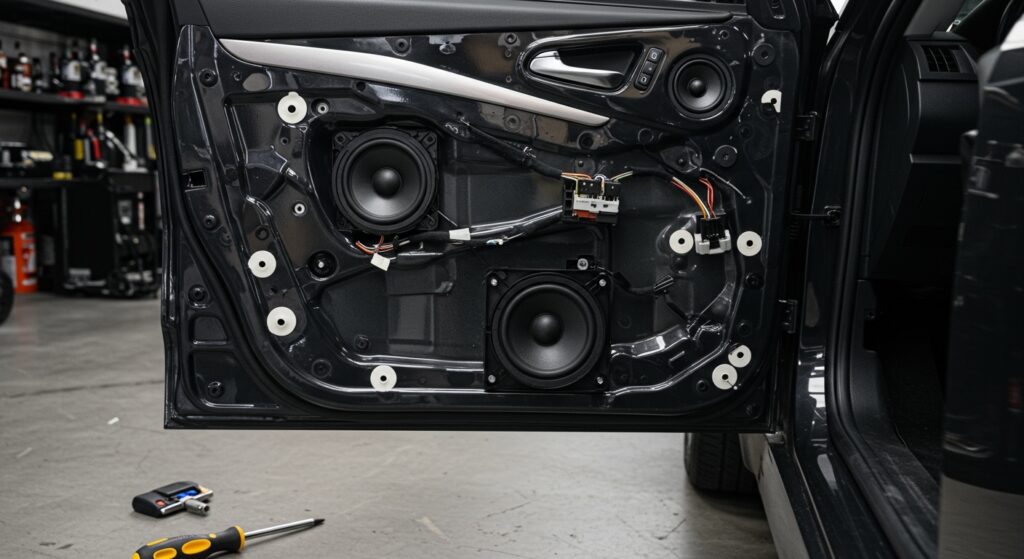
Locate the hidden screws behind door handles and inside armrest pockets. Use the panel tool to gently pop the plastic clips around the perimeter. Lift the panel up and away, making sure to disconnect the window and lock switches.
Step 3: Remove the Old Speaker
Unscrew the factory speaker. Take note of the wiring colors. Usually, the wire with the stripe is the negative (-) lead, but you should verify this with a wiring diagram for your specific vehicle.
Step 4: Prepare the Wiring
Roadmaster speakers typically come with a small length of wire and “spade” connectors. If your factory harness doesn’t match, we recommend buying a vehicle-specific speaker adapter. This allows you to plug directly into the factory clip without cutting any wires.
Step 5: Secure the New Speaker
Place the Roadmaster speaker into the cutout. If the screw holes don’t line up perfectly (common in some imports), you may need to drill new pilot holes in the door metal. Ensure the speaker is flush against the mounting surface to prevent air leaks, which kill bass response.
Step 6: Test and Reassemble
Before putting the door panel back on, turn on your head unit. Balance the sound to the speaker you just installed. Check for any rattles. If everything sounds clear, snap the door panel back into place.
Why Audiophiles Often Criticize Roadmaster
In our audio community discussions, Roadmaster is often the “punching bag.” This is because audiophiles prioritize Total Harmonic Distortion (THD) and Frequency Linearity.
Roadmaster speakers have a higher THD than premium brands. This means that as you turn the volume up, the sound waves begin to lose their shape, resulting in “fuzziness” or “muddy” audio.
However, we believe it is important to be realistic. Not every driver needs a $500 component set. If you are listening to AM talk radio or podcasts while driving to work, the high-fidelity nuances of a Focal or Morel speaker system would be wasted anyway.
Practical Advice: Getting the Most Out of Budget Speakers
If you have already purchased Roadmaster speakers or are set on buying them due to budget constraints, here is how you can make them sound like they cost twice as much:
- Apply Sound Deadening: Using even a small amount of butyl rubber matting (like Dynamat or Siless) around the speaker hole will stop the door metal from vibrating. This significantly improves the “tightness” of the sound.
- Use Foam Gaskets: Place a foam ring (Fast Rings) around the front of the speaker. This seals the speaker against the door panel, forcing all the sound through the grille and into your ears rather than letting it get lost inside the door cavity.
- Adjust Your EQ: Because these speakers are “bright,” try lowering the Treble setting on your head unit by 2 or 3 notches and slightly boosting the Mid-range.
Comparison: Roadmaster vs. The Competition
To help you decide, we have categorized where Roadmaster sits compared to other popular brands you might see at the store.
- Tier 1 (The Budget King): Roadmaster, Dual, Boss Audio. These are the most affordable. Best for simple utility.
- Tier 2 (The Entry-Level Pro): Pioneer (G-Series), JVC, Kenwood. Usually 2x the price of Roadmaster but offer significantly better longevity and rubber surrounds.
- Tier 3 (The Enthusiast): Rockford Fosgate (Punch), Alpine (S-Series), Polk Audio. These require more power but offer genuine “high-fidelity” sound.
Common Issues with Roadmaster Speakers
We have identified three common failure points in Roadmaster units over years of observation:
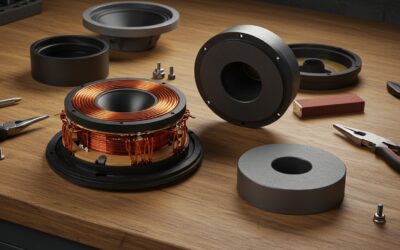
- Tinsel Lead Failure: The tiny wires connecting the terminals to the cone are often thin. Under heavy vibration, they can snap.
- Voice Coil Rub: If the speaker is mounted at an angle, the cone can sag over time, causing the voice coil to rub against the magnet. You will hear this as a “scratchy” sound.
- Foam Rot: If you live in a very hot or humid climate, the foam surrounds can disintegrate after 3-5 years.
The Final Verdict: Are Roadmaster Speakers Good?
Roadmaster speakers are “good” only within the context of a strict budget. They are a functional, low-cost solution for drivers who need sound but aren’t concerned with acoustic perfection.
If you have an extra $20, we usually suggest moving up to an entry-level Pioneer or Kenwood speaker because the jump in build quality (moving from paper to polypropylene) is substantial. However, if Roadmaster is what fits your wallet today, they will certainly outperform a 15-year-old factory speaker that has been beaten by the sun.
Frequently Asked Questions
Can I run Roadmaster speakers on an amplifier?
We do not recommend using a high-powered external amplifier with Roadmaster speakers. Most are designed for the 10-15 watts of RMS power provided by a standard car head unit. Using an amp may cause the voice coils to overheat and fail.
Do Roadmaster speakers come with grilles?
Yes, most Roadmaster coaxial speakers include plastic mesh grilles and mounting hardware in the box. However, if you are installing them behind a factory door panel, you likely won’t need the included grilles.
What is the most popular Roadmaster speaker size?
The most common sizes are the 6.5-inch (RS65) and the 6×9-inch (RS69). These sizes fit approximately 80% of vehicles on the road today.
Are Roadmaster speakers better than factory speakers?
In most cases, yes—especially if your factory speakers are more than 10 years old. Factory speakers often use even cheaper magnets and paper surrounds that degrade quickly. Roadmaster provides a fresh start with slightly better power handling.
Where can I buy Roadmaster speakers today?
While they are less common in major retail stores than they were in the 90s, you can still find them on Amazon, eBay, and at certain discount auto parts retailers.