Are Speakers Considered Electronic Waste? (The Quick Answer)
Yes, speakers are considered electronic waste (e-waste) because they contain internal circuitry, copper wiring, and hazardous components like lead solder and heavy magnets. While some older speakers look like simple wooden boxes, their internal crossovers, voice coils, and drivers classify them as electronic devices that must be recycled according to specific environmental regulations.
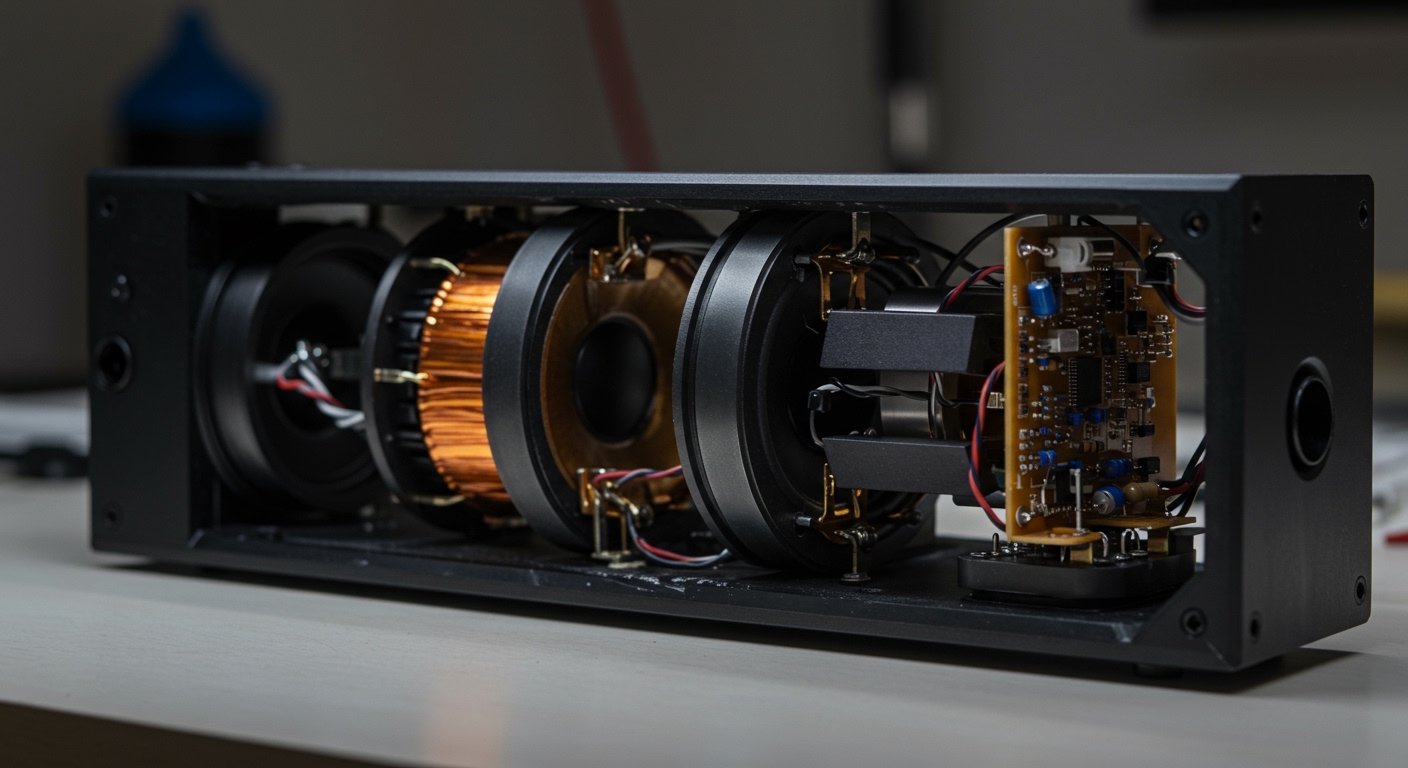
In my years of auditing home theater installations and managing tech hardware cycles, I’ve seen thousands of pounds of high-quality audio gear end up in landfills. This is a massive mistake. Are stereo speakers e waste? Absolutely, and throwing them in your standard trash bin can lead to toxic chemicals leaching into the soil and groundwater.
TL;DR: Essential Speaker E-Waste Facts
- Classification: Speakers are officially categorized as e-waste globally.
- Hazards: They contain lead, cadmium, and neodymium magnets that are harmful to the environment.
- Disposal: Never throw speakers in the trash; use certified e-waste recyclers or manufacturer take-back programs.
- Value: Old speakers often contain high-value materials like copper, aluminum, and gold on circuit boards.
- Best Practice: Prioritize repair or donation over recycling to maximize the product’s lifespan.
Why Are Speakers Electronic Waste?
To understand why are speakers considered electronic waste, we have to look inside the cabinet. Even if a speaker doesn’t plug into a wall (like a passive bookshelf speaker), it is part of an electronic system.
The Anatomy of a Speaker
Most modern and vintage speakers consist of several components that fall under electronic categories:
- Voice Coils: These are made of enamelled copper wire.
- Crossover Networks: These internal circuit boards use capacitors, inductors, and resistors to route sound frequencies.
- Magnets: Powerful ferrite or neodymium magnets are used to move the speaker cone.
- Enclosures: While often wood or plastic, the internal glue and acoustic foam can contain flame retardants.
If you have active speakers (like Bluetooth speakers or Studio Monitors), they also contain power amplifiers and Lithium-ion batteries. These batteries make them significantly more dangerous if crushed in a standard garbage truck, as they can cause fires.
Are Speakers Hazardous Waste?
When people ask, “Are speakers hazardous waste?” the answer depends on their age and type. While they aren’t as dangerous as a cracked CRT monitor or a leaking lead-acid battery, they do pose significant risks.
| Component | Potential Hazard | Environmental Impact |
|---|---|---|
| Solder | Lead (Pb) | Neurotoxic; can contaminate groundwater. |
| Circuit Boards | Brominated Flame Retardants | Persistent organic pollutants. |
| Magnets | Neodymium / Rare Earths | Difficult to mine; ecologically damaging if not recovered. |
| Batteries | Lithium-ion | High fire risk; toxic chemical leakage. |
| Wiring | PVC Coating | Releases dioxins if incinerated. |
Because are stereo speakers considered electronic waste, they are subject to WEEE (Waste Electrical and Electronic Equipment) directives in the UK and EU, and similar state-level laws in the US (like California’s Electronic Waste Recycling Act).
Step-by-Step: How to Properly Dispose of Speakers
If your old sound system has finally kicked the bucket, don’t just leave it on the curb. Follow this professional guide to ensure your stereo speakers e waste is handled responsibly.
Step 1: Determine if They Still Work
Before recycling, we always recommend the “Functional Test.” Plug them into a known working amplifier. If they produce sound but it’s “scratchy,” the foam surrounds might be rotted. This is a $20 fix that can save a $500 pair of speakers from the scrap heap.
Step 2: Check for Manufacturer Take-Back Programs
Many premium audio brands like Sonos, Bose, and Apple (HomePod) have dedicated recycling programs.
- Sonos: Offers a discount on new products if you “recycle” your old ones through their app.
- Best Buy: They accept most speakers for free recycling, regardless of where you bought them.
Step 3: Remove Batteries (If Applicable)
If you are disposing of portable Bluetooth speakers, check if the battery is removable. Most aren’t, but if it is, the battery must be recycled separately at a Call2Recycle drop-off point.
Step 4: Find a Certified E-Waste Recycler
Look for recyclers with e-Stewards or R2 (Responsible Recycling) certifications. These certifications guarantee that your electronic waste isn’t being shipped illegally to developing nations where it is burned in open pits.
Where to Recycle: Common Drop-off Locations
Finding a place to take your speakers electronic waste is easier than most people think. Here are the most reliable options we’ve used in our professional clean-outs:
- Big Box Retailers: Best Buy and Staples are the industry leaders in consumer e-waste collection.
- Local Municipal Collections: Most cities have a “Hazardous Waste Day” once a month.
- Non-Profit Organizations: Groups like Goodwill often partner with Dell Reconnect to recycle broken electronics responsibly.
- Scrap Metal Yards: If you have massive floor-standing speakers with heavy magnets and copper, some scrap yards will pay you for the raw weight of the “electric motors” (the drivers).
Repairing vs. Recycling: Why “Old School” is Better
We often tell our clients: Don’t recycle your vintage speakers!
Modern “smart speakers” have a lifespan of 5-8 years due to software updates. However, high-quality analog stereo speakers from the 70s, 80s, and 90s can last 50+ years with minor maintenance.
When to Repair
- Blown Woofers: Can be “re-coned” or “re-foamed.”
- Dead Tweeters: Usually a simple swap of the internal diaphragm.
- Crossover Failure: Replacing old capacitors is a beginner-level soldering task.
When to Recycle
- Water Damage: If the MDF (Medium Density Fiberboard) cabinet has swollen from moisture, the structural integrity is gone.
- Fire Damage: Smoke residue is toxic and nearly impossible to remove from speaker cones.
- Proprietary Integrated Tech: If the internal digital amp of a cheap “all-in-one” system fries, it’s often more expensive to fix than replace.
The Environmental Impact of Speaker E-Waste
Why does it matter if are speakers e waste or not? The scale of the problem is massive. Global e-waste reached 62 million tonnes in 2022.
When speakers end up in landfills:
- Microplastics: The synthetic cones and plastic housings break down into microplastics.
- Resource Loss: We lose the ability to recover Rare Earth Elements (REEs) found in magnets. Mining these elements is ecologically devastating; recycling them is 10x more efficient.
- Leaching: Rainwater filters through the landfill, picking up lead from the circuit boards and creating “leachate” that can poison local water tables.
Creative Ways to Upcycle Non-Working Speakers
If you’re a DIY enthusiast, you can keep stereo speakers considered electronic waste out of the system entirely by repurposing the cabinets.
- The “Book-Speaker”: Hollow out the cabinet to create a hidden storage box for your bookshelf.
- Pet Furniture: Large vintage floor speakers can be converted into unique cat beds or “caves” by removing the baffles.
- Planters: While we don’t recommend this for outdoor use (due to the MDF glue), sealed speaker boxes make great indoor succulent planters.
- Magnets: Reclaim the magnets for your workshop—they are incredibly strong and great for holding tools.
Frequently Asked Questions
Can I put speakers in my blue recycling bin?
No. Standard curbside recycling is designed for glass, plastic, and paper. Speakers contain complex materials that will jam the sorting machines at a Material Recovery Facility (MRF). You must take them to a dedicated e-waste site.
Are speakers hazardous waste if they are very old?
Actually, older speakers are often more hazardous because they were manufactured before RoHS (Restriction of Hazardous Substances) regulations. They likely contain higher concentrations of lead in the solder and potentially even PCBs (Polychlorinated Biphenyls) in very old capacitors.
Do speakers contain gold?
Yes, but in very small amounts. Gold is often used to plate connectors (like RCA jacks or binding posts) and in the bonding wires of the integrated circuits found in the crossover boards of high-end or active speakers.
Is the wood on speakers considered e-waste?
Technically, the MDF or plywood cabinet is not electronic. However, because it is glued and finished with chemicals, and often houses the electronics, the entire unit is treated as e-waste. Some specialized recyclers may strip the wood, but most will shred the unit and separate materials mechanically.
What should I do with smart speakers like Alexa or Google Home?
Because these contain microphones, processors, and memory chips, they are high-priority e-waste. Always perform a factory reset before recycling to ensure your personal data and Wi-Fi credentials are wiped from the internal storage.