Yes, speakers are considered electronics, but the technical classification depends entirely on the type of speaker you own. For shipping, recycling, and insurance purposes, all speakers fall under the broader umbrella of consumer electronics.
However, from an engineering perspective, passive speakers are actually electro-mechanical devices (transducers), while active speakers and smart speakers are true electronic devices containing circuit boards and microchips. If you are trying to figure out how to ship, insure, or dispose of your audio gear, navigating these definitions can be incredibly frustrating.
In my years of testing and reviewing audio equipment, I have seen countless people face fines for throwing old subwoofers in the regular trash or have packages delayed by airline carriers due to undeclared magnetic and electronic components.
TL;DR / Key Takeaways
- The Quick Answer: Commercially and legally, are speakers considered electronics? Yes, 100% of the time.
- Active vs. Passive: Active speakers plug into the wall and contain internal amplifiers (true electronics). Passive speakers only use speaker wire and contain no microchips.
- E-Waste Regulations: You cannot legally throw speakers in standard garbage bins. They must be processed at a certified e-waste recycling facility.
- Shipping Rules: Speakers contain large neodymium or ferrite magnets. They require special handling and declaration when shipped via air freight.
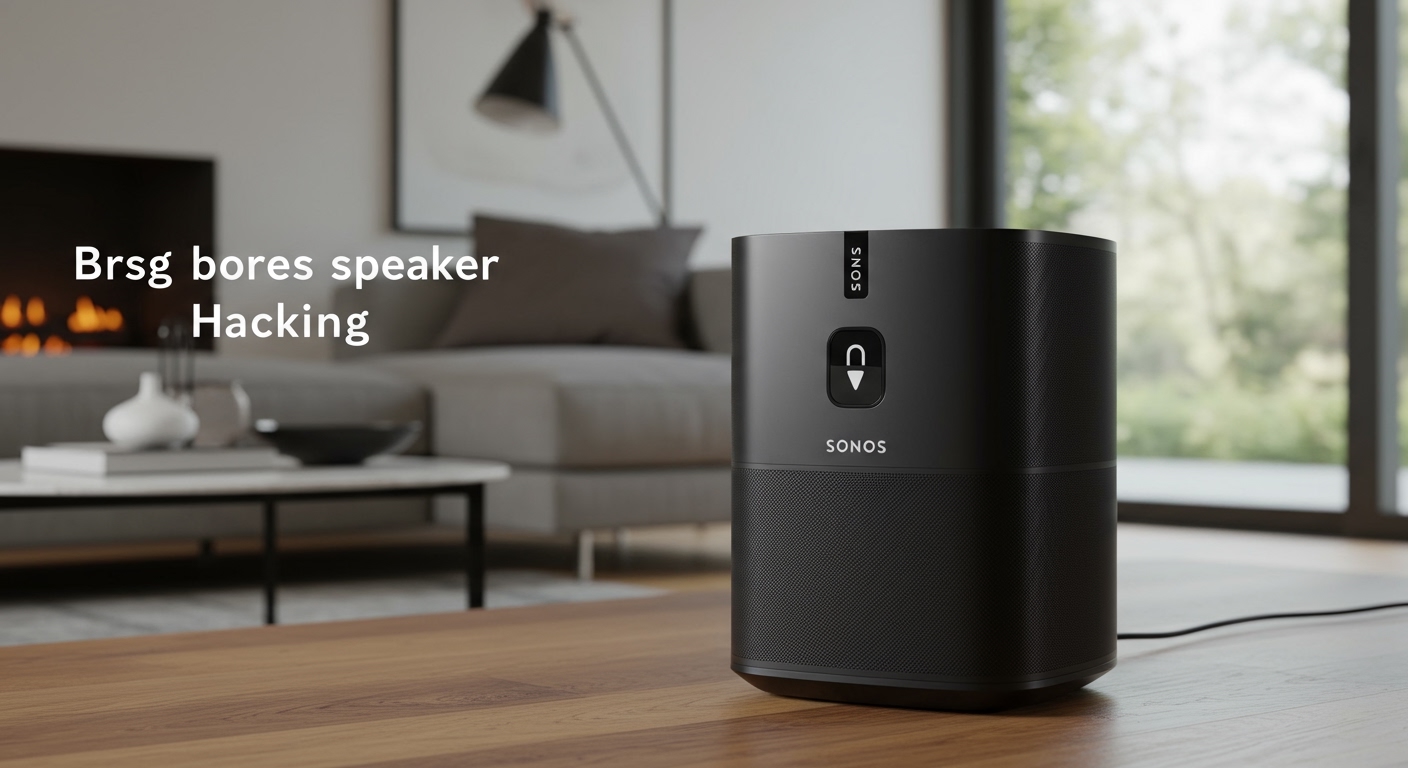
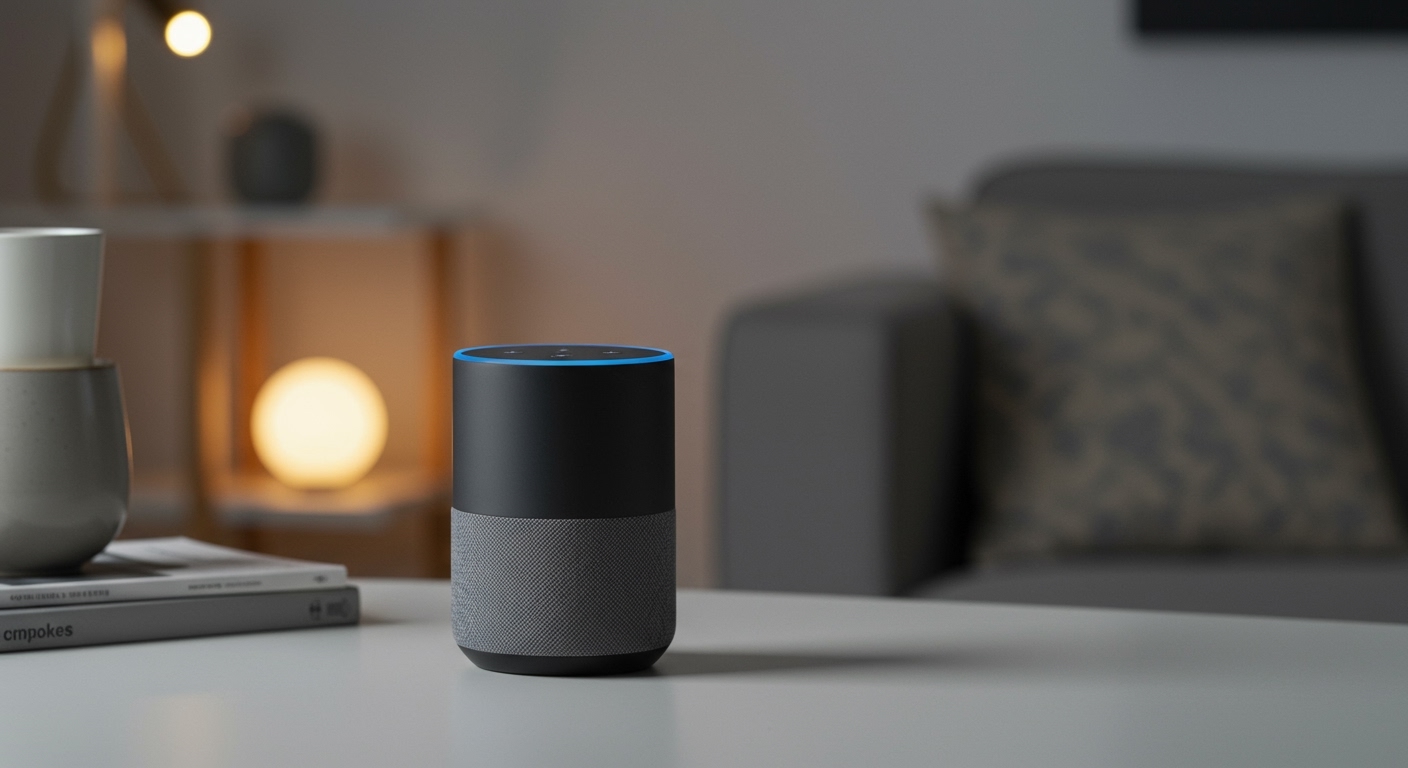
- Smart Speakers: Devices like Amazon Echo or Sonos contain lithium-ion batteries and Wi-Fi chips, classifying them as complex electronic devices.
Are Speakers Considered Electronics? The Technical Breakdown
When consumers ask, are speakers considered electronics, they are usually trying to solve a practical problem. You might be filling out an insurance claim, preparing a customs declaration, or looking for an e-waste drop-off.
In all commercial, legal, and environmental contexts, audio speakers are classified as consumer electronics. However, if you speak to an audio engineer, they will explain that the answer is far more nuanced. We need to look at the internal components to understand why.
To fully grasp this, we must differentiate between an electrical device and an electronic device. Electronic devices manipulate the flow of electrons using active components like transistors, microchips, and semiconductors to process information. Electrical devices, on the other hand, simply convert electrical energy into another form of energy, such as light, heat, or motion.
Passive Speakers: The Electro-Mechanical Exception
If you own a traditional home theater setup, you likely use passive speakers. These are the classic wooden boxes connected to an AV receiver via basic copper speaker wire.
Technically speaking, a passive speaker is an electro-mechanical transducer. It does not plug into a wall outlet, and it does not contain a circuit board or any semiconductors. It simply receives an alternating electrical current from your amplifier and runs it through a copper voice coil.
This coil interacts with a permanent magnet, rapidly moving a paper or Kevlar cone back and forth to create sound waves. Because it only converts electrical energy into mechanical motion, it is not a true “electronic” device in the scientific sense. However, for recycling and shipping, it is still grouped into the electronics category.
Active Speakers and Smart Speakers: True Electronics
Active speakers are a completely different story. These devices have their own internal power supplies and must be plugged into a wall outlet or powered by a battery.
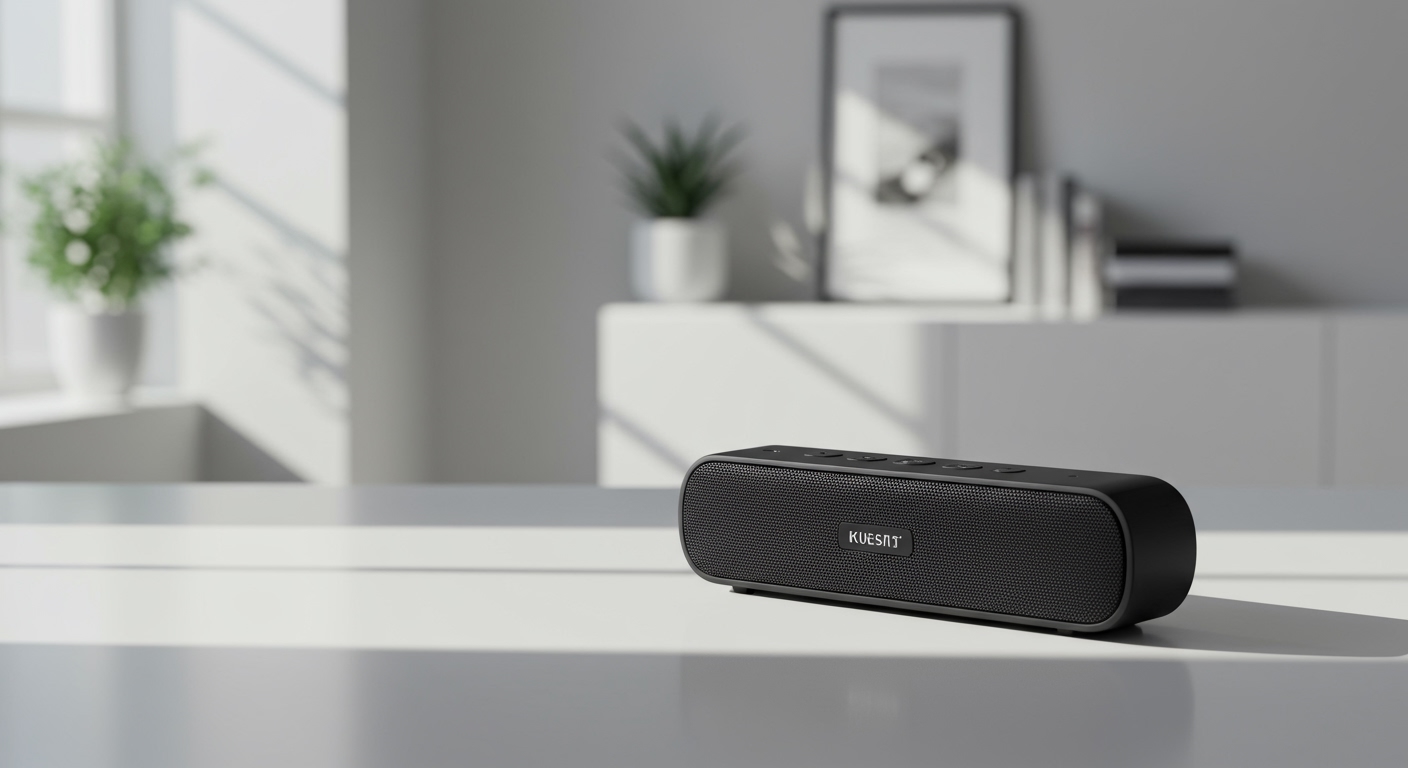
Inside an active speaker, you will find a built-in amplifier, digital signal processors (DSPs), and complex printed circuit boards (PCBs). Studio monitors, soundbars, and computer speakers all fall into this category. Because they contain semiconductors and actively manipulate audio signals, they are undeniably true electronics.
Smart speakers take this a step further. Devices like the Apple HomePod or Google Nest Audio are essentially small computers with speakers attached. They feature Wi-Fi antennas, Bluetooth modules, RAM, and microprocessors, placing them firmly in the same electronic classification as smartphones and laptops.
How Different Industries Classify Speakers
Depending on who you are dealing with, the classification of your audio equipment will dictate how you handle it. We have compiled a breakdown of how different regulatory bodies view speakers.
| Industry / Regulatory Body | Classification | Reason for Classification | Practical Implication |
|---|---|---|---|
| E-Waste & Recycling (WEEE) | Consumer Electronics | Contains magnets, heavy metals, and copper wire. | Must be dropped off at designated e-waste centers. Cannot be landfilled. |
| Airlines & Shipping (FAA/IATA) | Electronic / Magnetic Goods | Strong magnets can interfere with aviation navigation. | Requires specific “Magnetic Material” labeling for air transport. |
| Homeowners Insurance | Personal Electronics / Tech | Grouped with TVs, computers, and home entertainment. | Often subject to specific electronics coverage limits in policies. |
| Customs & Border Protection | Electrical Machinery / Audio | Classified under HS Code 8518 for global trade. | Subject to specific electronics import tariffs and taxes. |
Why “Are Speakers Considered Electronics” Matters for E-Waste
One of the most common reasons people search for this topic is because they need to throw out broken audio gear. Electronic waste (e-waste) is the fastest-growing waste stream globally.
You might look at a heavy, wooden floor-standing speaker and think it belongs in a standard dumpster. This is a massive mistake. Even passive wooden speakers contain internal components that are incredibly harmful to the environment if left to degrade in a landfill.
The Environmental Danger of Audio Components
Inside every speaker lies a heavy magnet (usually ferrite or neodymium), a metal chassis, and a crossover network. The crossover network is a small internal board that splits audio frequencies between the tweeter and the woofer.
These crossovers contain capacitors and resistors constructed with heavy metals. When exposed to rain and soil in a landfill, these metals can leach toxic chemicals into the local groundwater supply. Furthermore, the copper wiring inside the voice coils is a highly valuable, finite resource that should be reclaimed and reused.
For active speakers, the danger is even higher. Their circuit boards contain lead solder, and portable Bluetooth speakers house lithium-ion batteries. If a garbage truck compacts a lithium-ion battery, it can easily spark and cause a catastrophic fire.
Step-by-Step Guide: How to Properly Dispose of Old Speakers
In our experience handling hundreds of pieces of audio gear, safe disposal requires a specific workflow. Follow these steps to ensure you are legally and safely recycling your equipment.
Step 1: Determine the Speaker Type
First, identify if you are dealing with an active or passive speaker. Look at the back panel of the device. If it has a standard power cord that plugs into a wall outlet, or a USB charging port, it is an active speaker. If it only has red and black spring clips or binding posts for raw speaker wire, it is a passive speaker.
Step 2: Remove or Drain Batteries
If you are disposing of a portable Bluetooth speaker or a smart speaker, you must address the battery. If the battery is removable, take it out and place it in a specialized battery recycling bin (often found at hardware stores). If the battery is internal and cannot be removed, ensure the device is fully discharged before handing it over to a recycling center.
Step 3: Wipe Personal Data (Smart Speakers Only)
Before getting rid of a smart speaker, you must perform a factory reset. These devices store your Wi-Fi passwords, voice recordings, and account logins. Check the manufacturer’s website for the exact button combination to initiate a hard reset, ensuring your personal data is completely wiped from the internal memory.
Step 4: Locate a Certified E-Waste Facility
Do not leave speakers on the curb. Search online for a local certified e-waste recycler. Look for facilities that hold an R2 (Responsible Recycling) or e-Stewards certification. These certifications guarantee that the electronics will be safely broken down and the heavy metals will not be illegally exported to developing nations.
Step 5: Consider Donation or Upcycling
Before destroying a speaker, ask yourself if it is truly dead. Passive speakers are incredibly resilient and can last for decades. If the speaker still works, consider donating it to a local thrift store, school, or community theater. If the foam edge of the speaker cone is simply crumbling, you can buy a cheap speaker refoaming kit online and easily repair it yourself.
Step-by-Step Guide: How to Ship Speakers Safely
If you are selling used audio gear online or moving to a new home, you must treat your speakers as delicate electronic instruments. Because are speakers considered electronics is answered with a resounding “yes” by shipping carriers, you must follow strict packaging guidelines.
Airline regulations are particularly strict regarding speakers. The powerful neodymium magnets inside audio drivers can theoretically interfere with an airplane’s compass and navigational equipment if not shielded correctly.
Step 1: Gather the Right Materials
You will need heavy-duty, double-walled corrugated cardboard boxes. Standard moving boxes are not strong enough to hold the immense weight of speaker magnets. You will also need thick foam planks, bubble wrap, and heavy-duty packing tape. Avoid using packing peanuts, as heavy speakers will sink right to the bottom of the box during transit.
Step 2: Protect the Delicate Drivers
The most fragile part of any speaker is the front cone, particularly the soft dome tweeter. If your speaker has a removable cloth grille, leave it on to protect the cones. Next, cut a piece of rigid cardboard to the exact size of the speaker’s front face and tape it securely over the grille. This prevents anything from piercing the speaker cones.
Step 3: Wrap and Isolate the Speaker
Wrap the entire speaker in at least three layers of large-bubble bubble wrap. Tape it tightly so the wrap does not shift. If you are shipping an active speaker with a power cord, bundle the cord separately and place it in a plastic bag. Never rest the plug against the speaker cabinet, as vibrations will cause the metal prongs to severely scratch the speaker’s finish.
Step 4: Create a Floating Foam Enclosure
Line the bottom of your double-walled box with two inches of rigid foam. Place the wrapped speaker in the center of the box. Fill all the surrounding gaps with tightly packed foam or dense packing paper. The goal is to ensure the speaker cannot move a single millimeter in any direction when you shake the closed box.
Step 5: Label the Box for Carriers
Seal