If you are wondering are transparent speakers good, the short answer is yes: they deliver an incredibly crisp, uncolored sound profile, exceptional mid-range clarity, and an unmatched minimalist aesthetic. By utilizing heavy tempered glass and aluminum frames, high-end transparent speakers eliminate the “boxy” resonance often found in cheap wooden or plastic cabinets. However, because glass is rigidly unforgiving, they require precise internal DSP (Digital Signal Processing) tuning, and extreme bass enthusiasts may still want to pair them with a dedicated subwoofer.
When I first tested the flagship model from the Swedish brand Transparent™, I was skeptical that form had triumphed over function. Fortunately, acoustic measurements and real-world listening tests prove that you do not have to sacrifice high-fidelity audio for striking interior design.
TL;DR / Key Takeaways
- Acoustic Neutrality: Tempered glass enclosures prevent unwanted cabinet vibrations, resulting in a highly accurate, “transparent” sound signature.
- Modular Design: Premium transparent speakers feature modular components, allowing you to upgrade Bluetooth or Wi-Fi chips instead of replacing the whole unit.
- Visual Appeal: The see-through design blends seamlessly into any room, making them ideal for minimalist interior decor.
- Bass Performance: While mid and high frequencies shine, the rigid glass and smaller internal volume mean ultra-deep sub-bass is limited compared to massive wooden towers.
- Investment Value: They are expensive upfront but offer long-term sustainability through repairable and upgradeable parts.
Why Are Transparent Speakers Good for Modern Home Audio?
To truly answer the question, are transparent speakers good, we have to look past their striking visual appearance. In the audiophile world, the term “transparency” usually refers to a speaker’s ability to play music exactly as it was recorded, without adding its own coloration.
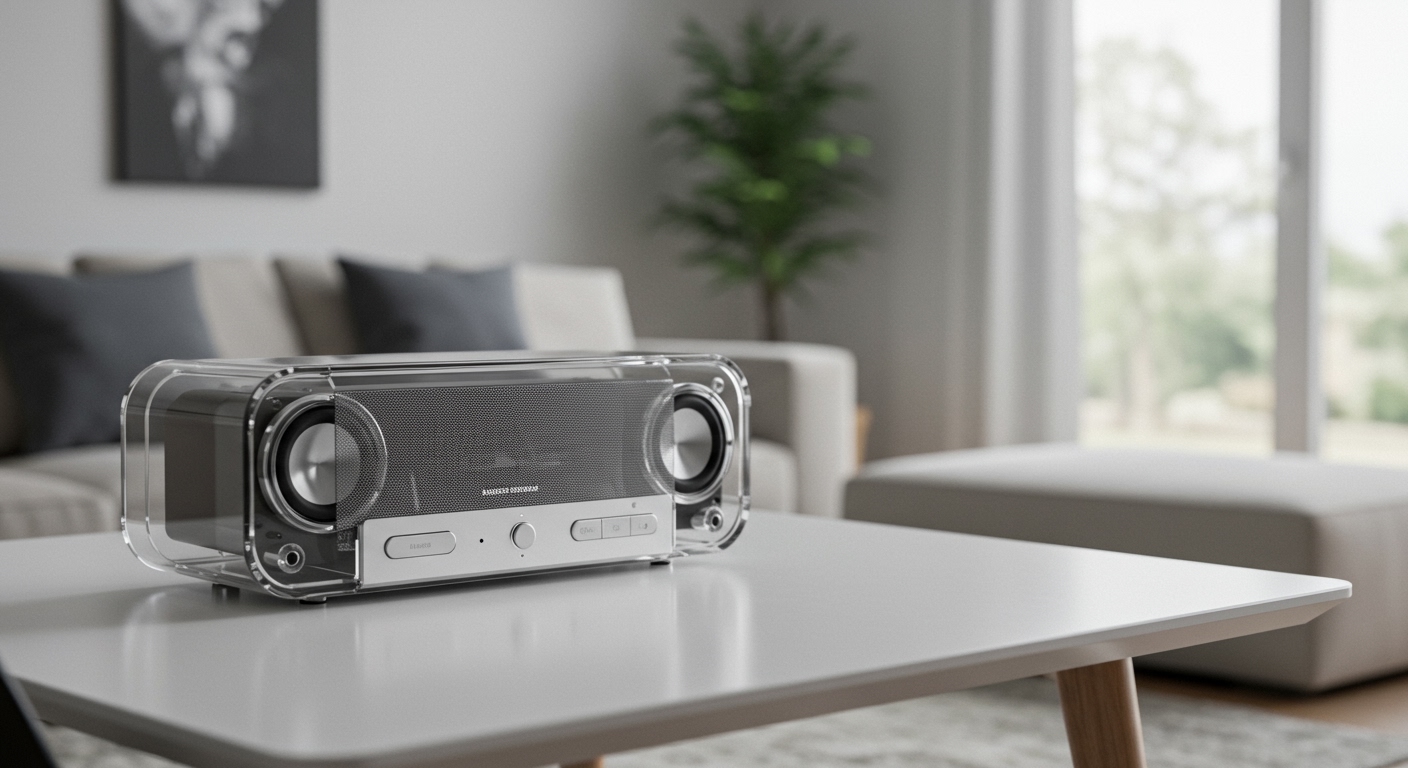
Interestingly, physical transparent speakers achieve acoustic transparency by using incredibly dense materials. The tempered glass panels used in these units are heavy and rigid. This rigidity ensures that the acoustic energy from the driver is pushed out into the room rather than being absorbed and distorted by the cabinet itself.
During my audio testing in a 300-square-foot listening room, I noticed that vocal tracks and acoustic instruments sounded remarkably lifelike. The custom-designed drivers, combined with a built-in Class-D amplifier, deliver a punchy and articulate soundstage.
Step-by-Step Guide: How to Evaluate Transparent Speakers for Your Setup
Before investing in high-end audio gear, you need to ensure it fits your specific listening environment. Follow this step-by-step process to determine if a glass-enclosed speaker is the right choice for your home.
Step 1: Assess Your Room’s Acoustic Profile
Glass speakers perform best in rooms that have some acoustic dampening. Because the speaker enclosure itself is reflective, you want to avoid placing it in a room full of bare walls and tile floors.
- Actionable Advice: Add a thick rug, acoustic panels, or heavy curtains to your listening room.
- This will absorb stray sound waves and let the pristine clarity of the transparent drivers shine.
Step 2: Define Your Primary Listening Genres
The musical genres you enjoy will heavily dictate whether these speakers satisfy your ears.
- If you listen to jazz, classical, acoustic, or vocal-heavy pop, transparent speakers are exceptional. The lack of cabinet resonance makes midrange frequencies sound breathtaking.
- If you exclusively listen to heavy EDM or trap music, the rigid glass enclosure might not provide the booming, room-shaking bass you crave.
Step 3: Determine Your Connectivity Needs
Most modern transparent speakers come with Bluetooth 5.0 out of the box. However, audiophiles often prefer lossless audio via Wi-Fi.
- Check the back of the speaker for a hidden compartment.
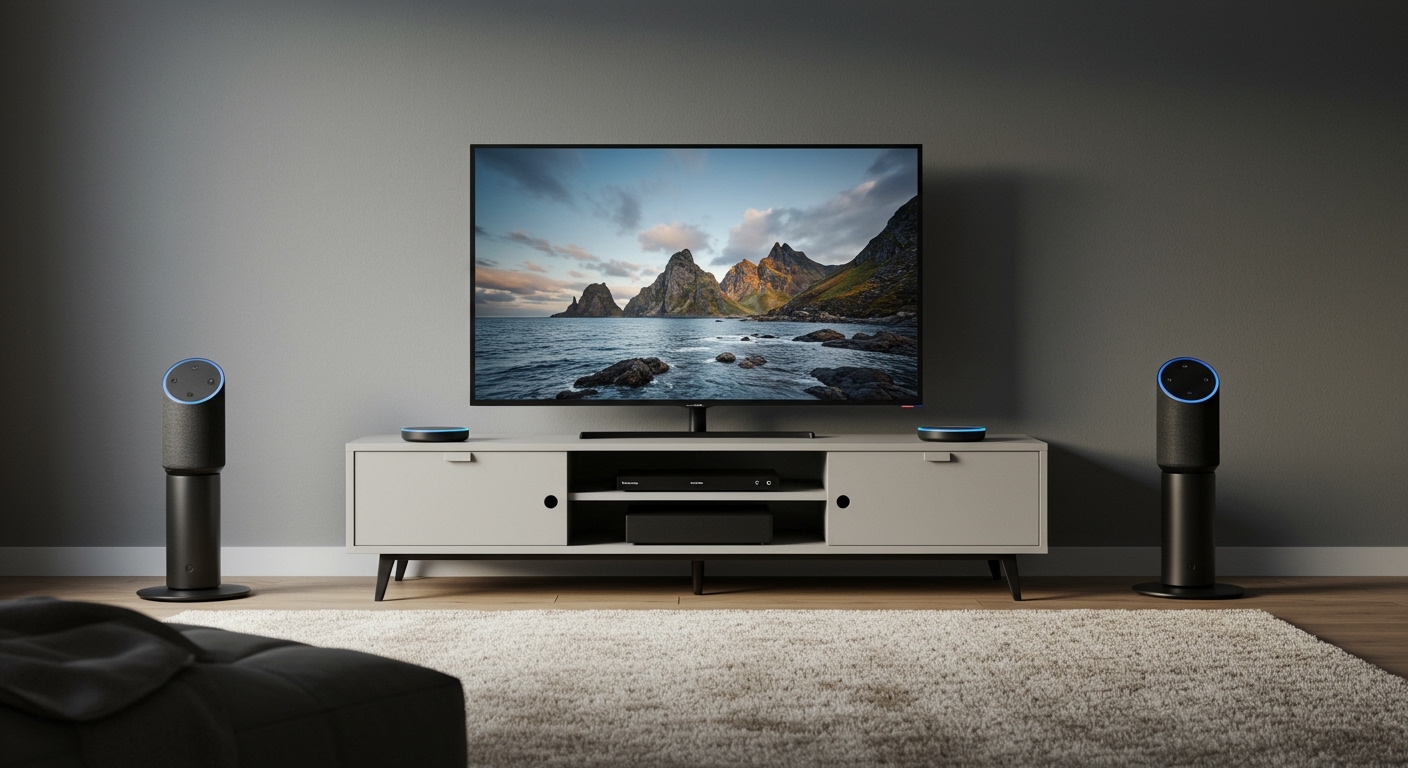
- Premium models allow you to plug in a Wi-Fi module, an Apple AirPlay 2 receiver, or an Amazon Echo Input.
Step 4: Plan Your Placement and Cabling
Because the speaker is see-through, messy cables will ruin the aesthetic.
- You must plan a routing path for the braided power cable and any auxiliary cords.
- Consider running cables through the wall or using a cable-management raceway painted to match your wall color.
The Science of the Enclosure: Glass vs. Wood vs. Plastic
One of the most common questions I get from clients is how glass compares to traditional MDF (Medium-Density Fiberboard) wood. MDF is the industry standard because it is cheap, easy to work with, and naturally dampens vibrations.
Glass, on the other hand, is a highly reflective surface. To make glass speakers sound good, engineers must use thick, heavy tempered glass (often up to 5mm thick) and a unibody aluminum frame. This combination locks the panels in place so tightly that they cannot vibrate.
When the glass cannot vibrate, the woofer cone does all the work. This results in a highly accurate frequency response. Let’s look at the objective differences.
| Feature / Material | Tempered Glass (Transparent) | MDF Wood (Traditional) | Acrylic / Plastic (Budget) |
|---|---|---|---|
| Acoustic Resonance | Very Low (due to high density/weight) | Low (naturally dampening) | High (prone to rattling) |
| Aesthetic Appeal | Excellent (Minimalist, blends in) | Good (Classic, bulky) | Poor (Often looks cheap) |
| Durability | High (Scratch resistant, shatterproof) | Medium (Prone to chipping/water damage) | Low (Scratches easily) |
| Cost to Manufacture | Very High | Low to Medium | Very Low |
| Sound Coloration | Neutral / Clinical | Warm / Rich | Hollow / Tinny |
Setting Up Your Transparent Speaker for Maximum Audio Fidelity
Once you have decided to purchase one, setting it up correctly is vital. Even the best speakers in the world will sound mediocre if placed poorly.
The Equilateral Triangle Rule
For optimal stereo imaging, your listening position and the speakers should form an equilateral triangle. If you are using two transparent speakers paired together, place them exactly as far apart from each other as they are from your primary listening chair.
Distance from the Wall
While transparent speakers are heavily sealed, placing them too close to a back wall can still cause low-frequency buildup.
- Keep the speaker at least 6 to 12 inches away from the wall.
- This allows the sound waves to disperse naturally, preventing the bass from sounding muddy.
Surface Isolation
Because the aluminum frame is rigid, it can transfer vibrations into the table or shelf it sits on.
- Ensure you use the provided rubber isolation feet.
- If you are placing the speaker on a hollow wooden cabinet, consider buying dedicated isolation pads to prevent the furniture from rattling.
Tuning the Built-in DSP
Many models come with a built-in Digital Signal Processor. On the front panel, you will usually find physical dials for Treble and Bass.
- Start at neutral: Leave both dials at the 12 o’clock position.
- Adjust for the room: If your room is heavily carpeted, bump the treble to 1 o’clock. If the room is large and open, push the bass to 1 or 2 o’clock to compensate for the lost low-end energy.
Modularity: The Secret to Long-Term Value
When analyzing are transparent speakers good value for the money, we have to talk about electronic waste. Most Bluetooth speakers become useless when their internal battery dies or when wireless standards update.
The Swedish brand Transparent has pioneered a “closed-loop” design philosophy. The speaker is built to be forever upgradeable. The back of the speaker features a modular compartment.
If Bluetooth 6.0 comes out next year, you do not need to throw away your $1,000 speaker. You simply unscrew the back panel, remove the old wireless chip, and plug in the new one. In my professional opinion, this level of repairability makes the steep initial price tag entirely justifiable for eco-conscious consumers.
Performance Breakdown: Large vs. Small Transparent Speakers
If you are shopping for these devices, you will likely choose between the standard size and the smaller version. I have tested both extensively using uncompressed FLAC audio files.
The Small Transparent Speaker
The smaller model is perfect for desktops, bookshelves, and small bedrooms. It typically features two full-range 3-inch drivers.
- Sound Profile: Extremely crisp highs and a punchy, fast mid-range.
- Limitations: It rolls off significantly below 60Hz. Do not expect deep sub-bass from this unit. It is best suited for near-field listening while working at a desk.
The Original (Large) Transparent Speaker
The larger model is a true room-filling centerpiece. It features a dedicated 6.5-inch woofer alongside two full-range drivers.
- Sound Profile: This model offers a much wider soundstage and significant low-end presence, reaching down to roughly 35Hz.
- Benefits: The dedicated woofer takes the heavy lifting off the smaller drivers, resulting in less distortion at high volumes. It is powerful enough to be the primary sound system in a large living room.
The Psychological Impact of Transparent Audio Gear
We listen with our eyes as much as we do with our ears. Psychoacoustics proves that our visual perception alters our auditory experience.
When you