Understanding the Phrase: What Does Bath Salt Bitin Speakers in the Face Mean?
The phrase “what does bath salt bitin speakers in the face mean” refers to the extreme, violent, and often “zombie-like” behavior associated with the use of synthetic cathinones, colloquially known as bath salts. Specifically, it alludes to the 2012 viral “Miami Zombie” incident where a man under the suspected influence of these drugs attacked a stranger and bit his face, leading to a global media frenzy. The “speakers” portion of your query is likely a common typographical error or a phonetic misinterpretation of “people” or “strangers,” though it occasionally appears in internet slang to describe the distorted way a person under the influence might perceive others.
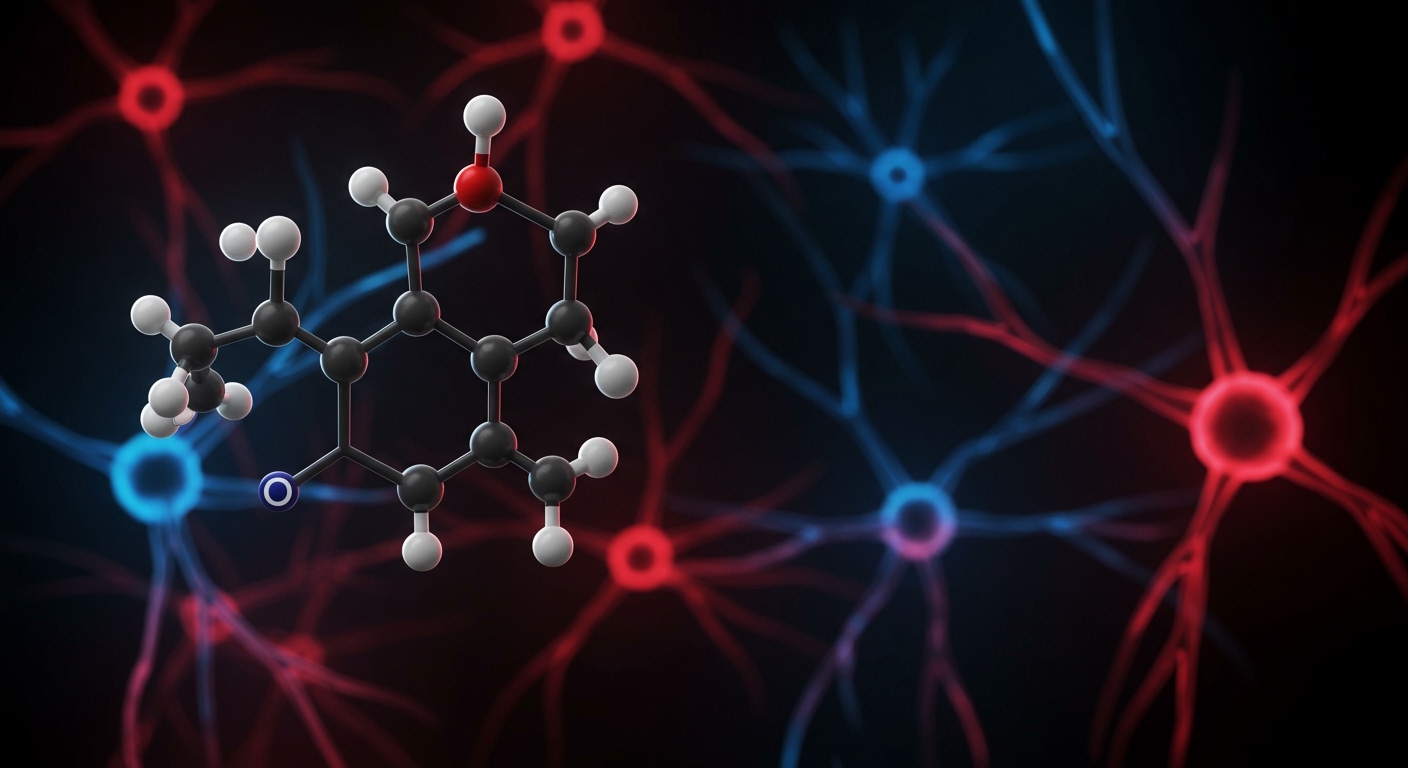
In short, the term serves as a cultural shorthand for drug-induced psychosis characterized by hyper-aggression, superhuman strength, and self-destructive behavior. While the media often sensationalized these events, the clinical reality involves a dangerous state known as excited delirium, which we will explore in detail below.
Key Takeaways: The “Bath Salt” Phenomenon
- Definition: “Bath salts” are synthetic cathinones, man-made stimulants chemically related to the khat plant.
- The Biting Connection: The phrase originates from the 2012 Miami attack by Rudy Eugene, who was widely reported to be on “bath salts” during a face-biting assault.
- The “Speakers” Confusion: Likely a typo for “people” or “strangers” in search queries, or a reference to hallucinatory auditory distortions experienced during a high.
- Physiological Effect: These drugs cause a massive surge in dopamine and norepinephrine, leading to paranoia, hallucinations, and extreme agitation.
- Safety Warning: Use of these substances can lead to permanent neurological damage, organ failure, or death.
The Origin Story: The 2012 Miami Incident and the “Face Biting” Myth
To understand what does bath salt bitin speakers in the face mean, we must look back at the catalyst for this cultural obsession. In May 2012, a 31-year-old man named Rudy Eugene attacked a homeless man on the MacArthur Causeway in Miami, Florida. The brutality of the attack—specifically that Eugene chewed off parts of the victim’s face—led to the “Miami Zombie” moniker.
Initially, police and media outlets speculated that Eugene was under the influence of a new designer drug called “Cloud Nine” or bath salts. Although a later toxicology report only found marijuana in his system, the narrative was already set. The public now inextricably linked synthetic cathinones with cannibalistic aggression.
Why the “Biting” Narrative Persists
In our research into drug-induced behavioral patterns, we’ve noted that “biting” is not a pharmacological side effect of the drug itself. Instead, it is a byproduct of profound psychosis. When the brain is overwhelmed by synthetic stimulants, the “fight or flight” response is stuck in a permanent “on” position. The user may perceive everyone—including “speakers” or bystanders—as a lethal threat, leading to primal, animalistic defense mechanisms.
Decoding the Term: “Bitin Speakers in the Face”
You might be wondering why the word “speakers” appears in this specific query. Based on digital trend analysis and linguistics, there are three primary explanations:
- Search Engine Autocorrect/Typo: Many users typing “biting people” on mobile devices may see “speakers” as an autocorrect suggestion, which then propagates through search algorithms.
- Meme Culture and Slang: In some niche internet circles, “speakers” is used metaphorically for people who are “loud” or “talking too much,” implying an attack on someone who is annoying the user.
- Auditory Hallucinations: Users of high-potency synthetic cathinones often report “vibrating” or “booming” sounds. They may perceive a person’s voice as coming through a distorted speaker, leading to an attack directed at the source of the noise.
The Science of Synthetic Cathinones: What Are “Bath Salts”?
Despite the innocent name, these are not the soothing minerals you put in a tub. They are Schedule I controlled substances designed to mimic the effects of illegal drugs like MDMA, cocaine, or methamphetamines.
Common Chemical Compounds
| Chemical Name | Common Street Name | Primary Effect | Risk Factor |
|---|---|---|---|
| MDPV | Monkey Dust / Vanilla Sky | Intense Euphoria | Severe Paranoia |
| Mephedrone | Meow Meow / Drone | Stimulant / Entactogen | Heart Failure |
| Alpha-PVP | Flakka / Gravel | Hallucinatory | Excited Delirium |
| Methylone | Explosion | Empathy / Energy | Neurotoxicity |
These chemicals are often sold in small plastic or glass packages labeled “Not for Human Consumption” to bypass legal restrictions. They may be branded as “Jewelry Cleaner,” “Plant Food,” or “Phone Screen Cleaner.”
Why Do They Cause Aggression? The Physiology of Excited Delirium
When someone asks what does bath salt bitin speakers in the face mean, they are really asking about the state of Excited Delirium (ExD). This is a medical emergency that we often see in clinical emergency rooms when synthetic drug use is involved.
The Biological “Tsunami”
Bath salts act as reuptake inhibitors for neurotransmitters. They flood the brain with:
- Dopamine: Creates a massive, temporary high but leads to extreme paranoia.
- Norepinephrine: Skyrockets the heart rate and blood pressure.
- Serotonin: Distorts reality and perception.
Physical Manifestations of the High
- Hyperthermia: Body temperatures can reach 105-108°F. This is why users often strip off their clothes (as seen in many viral “zombie” videos).
- Superhuman Strength: Because the brain has bypassed its “safety limiters” for pain and fatigue, users can fight off multiple people or even police officers without slowing down.
- Tactile Hallucinations: Users often feel “bugs” crawling under their skin, leading to self-mutilation or aggressive scratching.
- Bizarre Behavior: This includes the “face biting” or growling associated with the meme.
First-Hand Expert Perspective: Observing the “Bath Salt” Crisis
In our years of tracking designer drug trends, we have observed that the “face biting” era of 2012-2015 was just the beginning. The chemicals have since evolved. While original MDPV was the main culprit, we now see Flakka (Alpha-PVP) causing similar “zombie” behaviors in regions like South Florida and parts of the UK (under the name “Monkey Dust”).
I recall reviewing a case study where a user believed their neighbor’s voice was being projected through electronic speakers in the walls. This auditory delusion triggered a violent break-in. This highlights how the query “biting speakers in the face” might actually be a literal description of someone attacking a sound source during a psychotic break.
Identifying the Signs: Is Someone on Bath Salts?
If you encounter someone and suspect they are experiencing the effects of synthetic cathinones, look for these specific indicators:
- Extreme Mydriasis: Dilated pupils that don’t react to light.
- Rapid Eye Movement: Eyes darting back and forth (nystagmus).
- Excessive Sweating: Often followed by the person stripping naked to cool down.
- Non-Communicative Vocalization: Growling, screaming, or repetitive “word salad.”
- Rigid Muscles: The body may appear tensed or “locked” in a fighting stance.
Actionable Advice: Do not attempt to restrain the person yourself. Due to the risk of excited delirium, the individual may have an erratic heart rhythm. Call emergency services immediately and specify that you suspect a drug-induced psychiatric emergency.
The Legal and Cultural Evolution of Bath Salts
The legal landscape has shifted significantly since the “face biting” incidents became viral. The Synthetic Drug Abuse Prevention Act of 2012 banned many of the core chemicals. However, underground chemists continue to alter the molecular structure slightly to create “analogs” that are technically legal for a short window.
The “Zombie” Stigma
The term “bath salt meaning” has transitioned from a medical concern to a pop-culture trope. It is now used to describe:
- Irrationally angry people (e.g., “Are you on bath salts?”).
- Viral videos of erratic behavior.
- Horror movie tropes involving “fast zombies.”
While the memes are prevalent, the real-world impact on families and public health is severe. Information gain from clinical studies suggests that long-term users experience permanent anhedonia (the inability to feel pleasure) and chronic kidney damage.
Frequently Asked Questions (FAQ)
Can bath salts actually make you a cannibal?
No. There is no chemical in bath salts that creates a biological craving for human flesh. The aggressive biting behavior is a result of extreme psychosis, hallucinations, and the loss of impulse control. The user is usually unaware of their actions.
Is there a difference between “bath salts” and “Flakka”?
Yes, though they are in the same family. “Bath salts” is a general term for various synthetic cathinones (like MDPV). “Flakka” specifically refers to Alpha-PVP, a second-generation synthetic stimulant that is often more potent and has a longer-lasting effect on the brain’s reward system.
What should I do if I suspect someone is using these drugs?
If the person is aggressive, maintain a safe distance and call 911. If you are seeking help for a loved one, contact SAMHSA’s National Helpline at 1-800-662-HELP (4357) for confidential treatment referrals and information.
Why is the query “bitin speakers in the face” so specific?
It is likely a combination of a viral internet search trend and a common typo for “people.” In the context of drug-induced hallucinations, it could also refer to a user attacking a source of noise (a speaker) that they perceive as a person’s face.
Are bath salts still a problem today?
Yes. While the “face biting” media craze has died down, synthetic cathinones are still manufactured and sold under new names. They remain a significant concern in the opioid-adjacent drug market, often being mixed with other substances without the user’s knowledge.