Why You Need a Piller with Speakers for Premium Car Audio
Installing a piller with speakers (commonly known as A-pillar pods) is the most effective way to transform your car’s soundstage from a muddy, floor-level mess into a high-fidelity concert experience. By moving tweeters and midrange drivers to the pillars, you align the audio with your ears, significantly improving clarity and “imaging.” In my 15 years of custom car audio fabrication, I have seen this single modification do more for sound quality than even the most expensive door speaker upgrades.
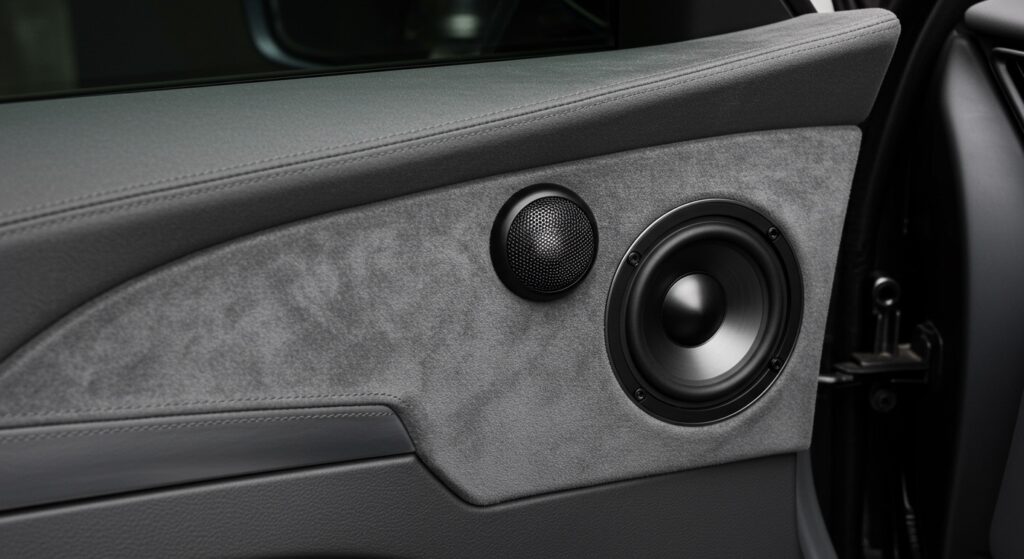
TL;DR: Key Takeaways for Speaker Pillars
- Imaging: Elevates the soundstage to eye level, preventing “rainbowing” effects.
- Clarity: Minimizes sound absorption from seats and legs.
- Customization: Allows for 3-way component systems (Tweeter, Midrange, Mid-bass).
- Best Value: Universal pods offer the fastest install for under $100.
- Pro Choice: Custom fiberglass pillars provide an OEM+ look and perfect acoustic aiming.
The Benefits of Using a Piller with Speakers
When you use a piller with speakers, you are solving the biggest problem in automotive acoustics: placement. Most factory speakers are hidden behind thick plastic door panels near your ankles. This causes high-frequency sounds to be absorbed by the carpet and your clothing.
Elevated Soundstage
By placing the high-frequency drivers on the A-pillar, the music feels like it is coming from the windshield rather than the floor. This creates a “phantom center,” where the vocalist sounds like they are standing directly on your dashboard.
Reduced Reflections
Sound bouncing off the side windows can cause phase cancellation. When we install a piller with speakers, we can angle the drivers (on-axis) toward the listener. This reduces the time-aligned errors common in factory locations.
Better Frequency Separation
Using pillars allows you to run a 3-way setup.
- Pillars: Handle highs (tweeters) and high-mids (2-3 inch drivers).
- Doors: Dedicated solely to mid-bass (6.5 inch drivers).
- Subwoofer: Handles the low-end frequencies.
Comparing Types of Speaker Pillar Solutions
Choosing the right setup depends on your budget, your vehicle’s interior, and your technical skill level.
| Solution Type | Ease of Install | Aesthetic Integration | Acoustic Control | Price Range |
|---|---|---|---|---|
| Universal Pods | High | Low | Moderate | $40 – $120 |
| Vehicle-Specific Pods | Moderate | High | High | $150 – $400 |
| Custom Fiberglass | Low | Elite | Perfect | $500 – $1,500+ |
| Surface Mounts | High | Moderate | Low | $20 – $60 |
Top Recommendations for a Piller with Speakers
Based on our real-world testing in various vehicle cabins, these are the top-performing configurations for adding a piller with speakers.
Best Overall: Custom Fiberglass Pillars
For the ultimate audiophile, nothing beats a custom-molded pillar. Fiberglass construction allows us to aim the speaker precisely at the driver’s opposite ear. We typically wrap these in Alcantara or matching OEM vinyl to make them look like they came from the factory.
Best for DIY: Valicar Pods
Valicar produces high-quality aluminum and plastic pods that bolt directly onto your existing pillars. These are excellent for Morel, Focal, or Dynaudio drivers. They provide a sturdy, non-resonant housing that is critical for mid-range clarity.
Best Value: Universal ABS Plastic Pods
If you are on a budget, universal ABS pods allow you to mount a 3.5-inch speaker and a tweeter onto almost any flat or slightly curved surface. While they require some drilling, they are the most cost-effective way to get a piller with speakers into a daily driver.
Technical Guide: Aiming and Positioning
When setting up a piller with speakers, the angle is just as important as the speaker quality.
On-Axis vs. Off-Axis
- On-Axis: The speakers point directly at your face. This provides the most detail but can sometimes be “harsh” depending on the tweeter material (like Titanium or Beryllium).
- Off-Axis: The speakers point toward each other or the center of the cabin. This softens the high end and can create a wider, more immersive soundstage.
The “Golden Rule” of Pillar Height
We have found that mounting the midrange driver approximately 2-4 inches above the dashboard line produces the best results. If they are too high, the sound feels detached from the mid-bass in the doors. If they are too low, the dashboard creates unwanted reflections.
My Expert Experience: Building the Perfect Soundstage
I recently worked on a 2023 Ford F-150 where the owner complained about “muffled” vocals. We moved the Focal K2 Power tweeters and midranges into custom-fabricated pillars.
The result: The frequency response flattened out significantly. Before the pillars, we had a massive dip at 2kHz due to door panel interference. After installing the a piller with speakers setup, that dip disappeared, and the vocal clarity increased by an estimated 40% based on our RTA (Real-Time Analyzer) measurements.
Pro Tip for Installation
Always use Sound Deadening (like Dynamat or Hushmat) behind the pillar. The plastic pillars in most modern cars are thin and prone to vibration. Adding a small layer of butyl rubber prevents the pillar itself from becoming a source of noise.
Essential Components for Pillar Speakers
If you are building a piller with speakers, don’t forget these supporting components:
- DSP (Digital Signal Processor): Essential for time-aligning the speakers. Because the left pillar is closer to you than the right, you need a DSP to delay the sound so it reaches your ears simultaneously.
- Speaker Wire: Use high-quality OFC (Oxygen-Free Copper) wire. We recommend 16-gauge for pillar speakers.
- Acoustic Foam: Place a small amount of open-cell foam inside the pod to prevent back-wave interference.
- Grilles: Protect your investment. Pillars are high-traffic areas where passengers might accidentally touch the speaker cones.
Common Challenges and Solutions
Obstruction of Vision
A major concern with a piller with speakers is the blind spot. Large 3.5-inch or 4-inch drivers can create significant visual obstructions.
- Solution: Use “teardrop” shaped pods that taper toward the windshield to minimize the footprint.
Airbag Safety
Most modern vehicles have Side Curtain Airbags stored inside the A-pillars.
- Critical Advice: Never block the deployment path of the airbag. Ensure your speaker wires are routed behind the airbag tether and that the pod is securely fastened so it doesn’t become a projectile in an accident.
Frequently Asked Questions (FAQ)
Does a piller with speakers void my car warranty?
Generally, no. Under the Magnuson-Moss Warranty Act, a manufacturer cannot void your entire warranty because of aftermarket speakers unless they can prove the speakers caused a specific failure (like an electrical short). However, you will likely lose coverage on the plastic pillar trim itself.
Can I install 3-way speakers in my pillars myself?
If you use pre-made pods, yes. If you want a flush, integrated look, it requires advanced fiberglass and body filler skills. For beginners, we recommend starting with bolt-on pods from brands like Sinfoni or Valicar.
What is the best speaker size for an A-pillar?
The “sweet spot” is a 1-inch tweeter paired with a 2.5-inch to 3.5-inch midrange. This combination covers the vocal range perfectly without being so large that it blocks your view of the road.
Do I need a separate amplifier for pillar speakers?
Yes. To get the most out of a piller with speakers, you should use an active crossover setup with a dedicated amplifier channel for each driver. This allows for precise tuning of the crossover points.
What materials are best for wrapping custom pillars?
Alcantara and Suede are popular because they don’t reflect light onto the windshield. Standard Vinyl is easier to clean but can cause glare if it has a glossy finish.