Best Car Speakers for Sound Quality

Quick Answer

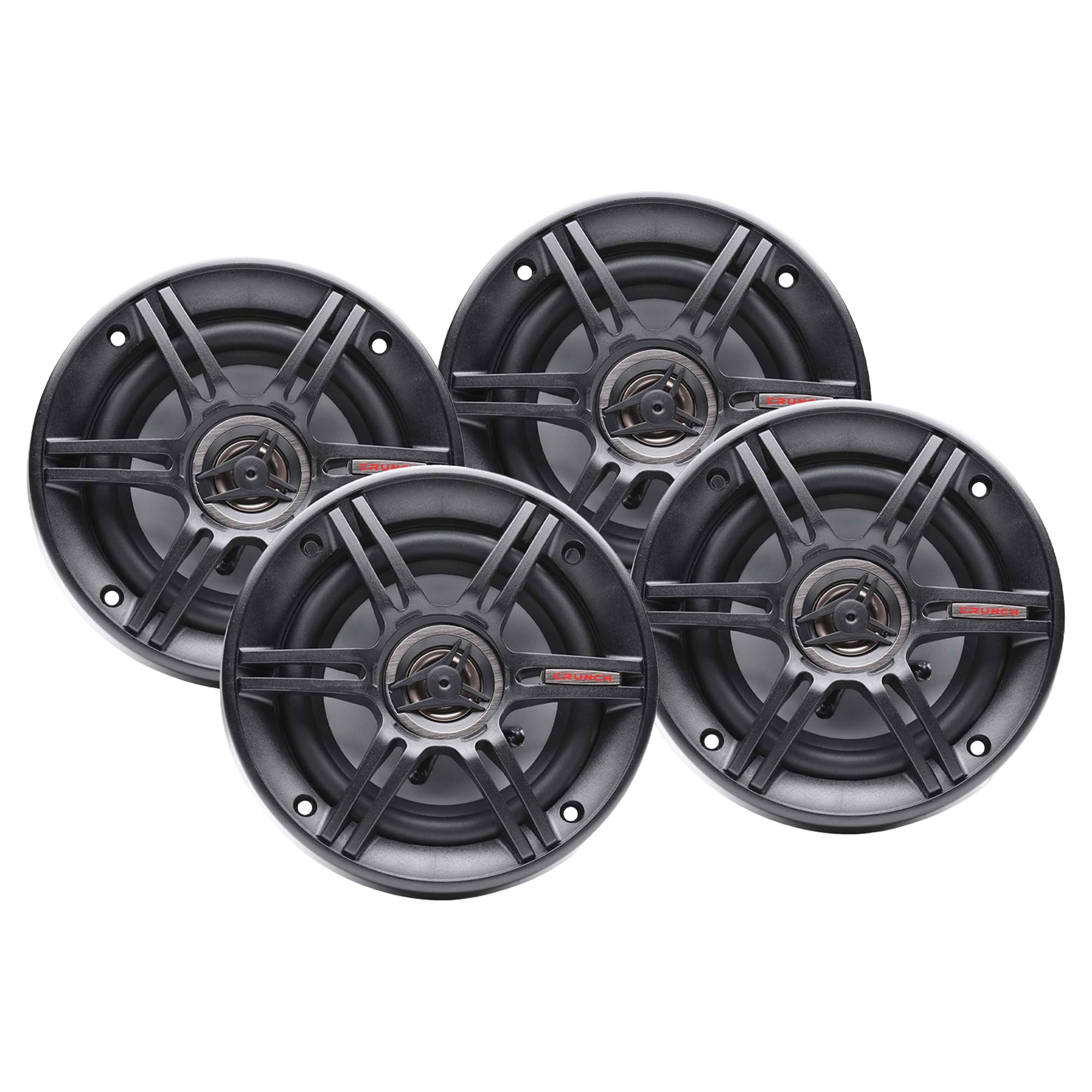
If sound quality is the priority, buy the Polk Audio DB652: a 40–22kHz window and a 3/4-inch silk dome give it the most complete, least fatiguing voicing in this group. Factory-radio upgrades should start with Pioneer’s TS-F1634R. High-SPL builds need the ORION CM654 as a midrange driver, not as a full-range drop-in.

  • Best Overall: Polk Audio DB652 DB+ Series 6.5-inch marine speakers — 40–22kHz response and a silk-dome tweeter, with marine-grade durability as the price of admission.
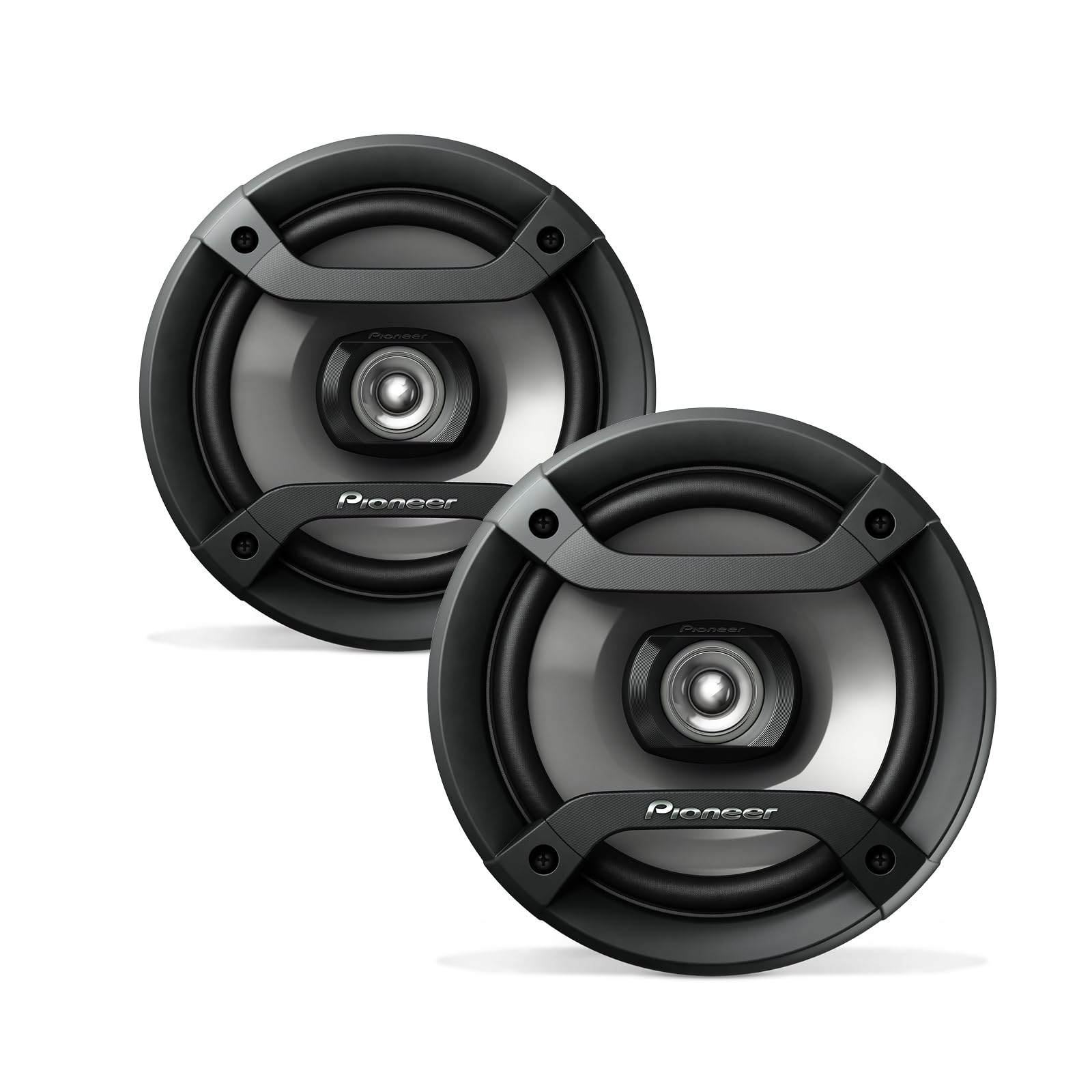
  • Best Value: Pioneer F-Series TS-F1634R 6.5-inch 2-way — 88dB sensitivity and 200W max at a stock-system price; 25W RMS is the ceiling, not a headline.
  • Best for High Volume: ORION Cobalt CM654 6.5-inch midrange — 96.67dB efficiency and 250W RMS; you still need a tweeter and a woofer for complete music.
1

Polk Audio DB652 DB+ Marine Speakers

Polk
In Stock
9.8 /10
BS Score
BS Score is calculated based on product ratings, reviews, and sales performance to help you make informed purchasing decisions.
Updated: Aug 18, 2026
Last update on Aug 18, 2026 / Affiliate links / Images, Product Titles, and Product Highlights from Amazon Creators API.
Pros & Cons

Pros

  • IP56 marine certification suggests robust protection against water splashes and environmental exposure, ideal for boats and outdoor vehicles.
  • 100W RMS power handling ensures compatibility with a wide range of amplifiers and head units, providing headroom for loud playback.
  • Frequency response of 40-22kHz covers the audible spectrum, supporting both deep bass and crisp highs.
  • Polypropylene woofer and rubber surround are chosen for durability and weather resistance, suitable for marine environments.
  • Polk Audio is a recognized brand in car audio, and the DB+ series is marketed as a direct upgrade for factory speakers.

Cons

  • No verified customer reviews are available, so real-world performance and long-term reliability remain unconfirmed.
  • The supplied data does not include specific installation depth or mounting dimensions, which may affect fit in some vehicles or boats.
  • While the speakers are marine-certified, the provided information lacks independent test results for sound quality or durability under prolonged exposure.
Detailed Review

The Polk Audio DB652 DB+ is a 6.5-inch, 2-way coaxial speaker designed for both car and marine use. It is marketed as a marine-certified speaker with IP56 protection, making it a potential fit for boat owners, ATV riders, or car enthusiasts seeking weather-resistant audio. The speaker handles 100W RMS and 300W peak power, which is a solid specification for aftermarket upgrades. Its polypropylene woofer and silk dome tweeter are common materials in this category, chosen for their balance of durability and sound quality.

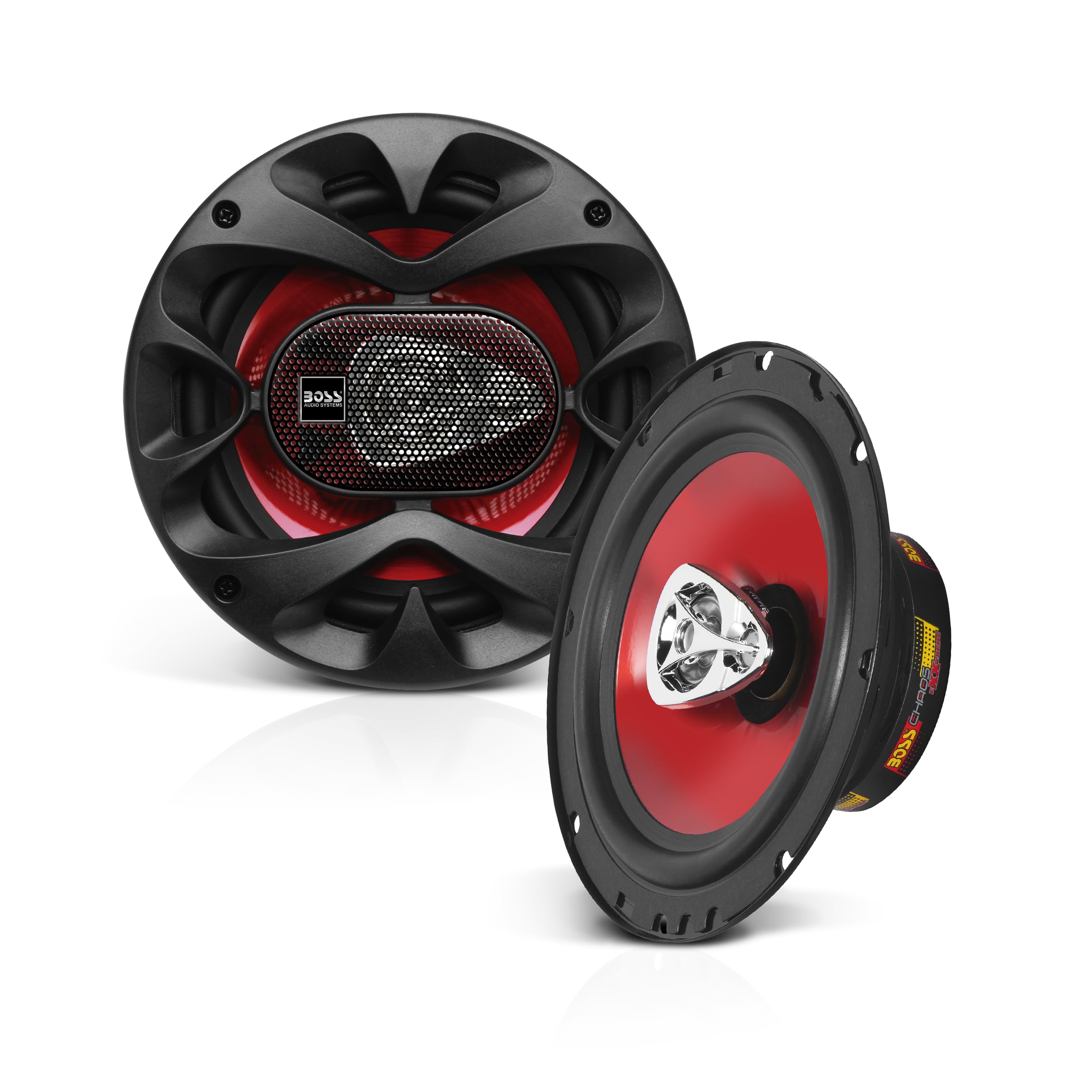
One of the key selling points is the Dynamic Balance technology, which Polk claims uses laser imaging to optimize material combination, reducing distortion. This is a manufacturer claim, not an independent test result, but it aligns with the brand's reputation for producing reliable audio components. The built-in crossover is a practical feature, ensuring that highs and lows are directed to the appropriate drivers, which simplifies installation and improves sound separation.

However, the lack of verified customer reviews is a significant limitation. The product page shows zero reviews, so there is no anecdotal evidence of how these speakers perform in real-world conditions, such as on a boat exposed to constant moisture or in a car door with limited mounting depth. Buyers must rely on the manufacturer's specifications and Polk's brand history.

Potential trade-offs include the absence of detailed installation dimensions in the provided data. While the speakers are 6.5 inches, the mounting depth and cutout diameter are not specified, which could affect compatibility with certain vehicles or boats. Additionally, while the marine certification is promising, the supplied data does not include independent test results for long-term UV or salt-fog exposure, so durability remains an unknown.

In summary, the Polk Audio DB652 DB+ appears to be a well-specified speaker for those needing a marine-rated option. It is best suited for buyers who prioritize weather resistance and power handling and are willing to accept that long-term performance is unverified. For those with strict installation constraints or a need for proven reliability, it may be safer to consider alternatives with a larger body of customer feedback.

Evidence Breakdown

Verified Product Facts: The speaker is a 6.5-inch, 2-way coaxial model with a polypropylene woofer, 3/4-inch silk dome tweeter, and rubber surround. It has a frequency response of 40-22kHz, handles 100W RMS and 300W peak power, and is rated at 4 ohms. It carries an IP56 marine certification and features a coated steel basket.

Customer Signals: The supplied product page includes zero customer reviews, so there are no verified user experiences to summarize. The absence of reviews means we cannot identify any recurring themes or common issues.

Not Verified: The supplied data does not confirm long-term durability under real-world marine conditions, actual sound quality as perceived by listeners, installation dimensions (mounting depth, cutout size), or warranty details. Additionally, the performance claims (e.g., distortion-free response) are manufacturer assertions, not independently tested.

Evidence-Aware Verdict: The available evidence supports that the speaker has robust specifications and a marine certification, making it a plausible choice for boat or car use. However, the lack of customer feedback and independent testing means we cannot verify its reliability or sound quality in practice. The decision should be based on the brand's reputation and the feature set, with the understanding that real-world performance is unproven.

Decision Factors

Marine Suitability: The IP56 certification and coated steel basket indicate the speaker is designed to resist splashes and environmental stress, which is crucial for boat or outdoor use. However, the supplied data does not include test results for salt-fog or UV exposure, so the level of protection is based on manufacturer claims.

Power Handling: With 100W RMS and 300W peak, the speaker can handle moderate to high amplifier output. This is beneficial for users who want loud, clear audio, but it also means the speaker should be paired with an appropriate amplifier to avoid damage.

Sound Quality: The combination of polypropylene woofer, silk dome tweeter, and built-in crossover is designed to produce balanced audio. The Dynamic Balance technology is a manufacturer claim that suggests reduced distortion, but without independent measurements, the actual sound quality remains subjective.

Installation Compatibility: The speaker is 6.5 inches, a common size, but the mounting depth and cutout diameter are not specified. This could be a critical unknown for vehicles or boats with shallow mounting locations. Checking the manufacturer's documentation or measuring the available space is recommended.

Brand Reputation: Polk Audio is a well-known brand in car audio, which provides some confidence in build quality. However, brand reputation alone does not guarantee that this specific model will meet all expectations, especially without user feedback.

Value for Money: At a typical price point for marine speakers, this product offers competitive specifications. The lack of reviews makes it harder to assess value relative to alternatives, but the features suggest it is positioned as a mid-range option.

2

Pioneer F-Series TS-F6935R 6x9 3-Way Car Speakers

Pioneer
In Stock
9.9 /10
BS Score
BS Score is calculated based on product ratings, reviews, and sales performance to help you make informed purchasing decisions.
Updated: Aug 18, 2026
Last update on Aug 18, 2026 / Affiliate links / Images, Product Titles, and Product Highlights from Amazon Creators API.
Pros & Cons

Pros

  • Three-way coaxial design puts the woofer, midrange, and tweeter on one frame, so you get full-range coverage from a single speaker opening without adding crossovers or extra mounting locations.
  • The 87dB sensitivity spec favors owners running factory or entry-level head unit power, since more of the available watts turn into actual volume.
  • 6" x 9" is one of the most widely used factory sizes in American vehicles, which improves the odds of a straightforward rear-deck swap.
  • 4-ohm impedance is the standard load for car audio, letting you connect to most head units or amplifiers without impedance matching headaches.
  • The black and silver flush-mount styling suits visible rear-deck installations where the factory grille is removed or replaced.

Cons

  • The 30W nominal rating is modest, so listeners who want high sustained volume or heavy low-end output will outrun these speakers and should look at a higher-power model paired with a subwoofer.
  • Pioneer positions these as a passive design intended to be driven by an amplifier or receiver, which adds cost and labor for anyone hoping for a pure plug-and-play upgrade.
  • The supplied product information does not list mounting depth, cutout dimensions, frequency response, or included hardware, so buyers with shallow rear decks or aftermarket adapters need to confirm fitment independently.
Detailed Review

The Pioneer F-Series TS-F6935R is a 6" x 9" three-way coaxial car speaker aimed at drivers replacing worn or dull factory rear-deck speakers on a budget. It suits the owner of an older sedan, coupe, or truck who wants clearer vocals and better treble without redesigning the whole audio system. The qualification worth noting up front is the 30W nominal power handling, which sets a realistic ceiling on volume and bass output.

The three-way coaxial layout is the feature that matters most in daily use. Instead of asking one cone to reproduce everything, the design splits duties between a woofer, a midrange driver, and a tweeter mounted on the same frame. In practice, that tends to separate a singer's voice from the bass line and keeps hi-hats and string detail from smearing into the midrange. The 87dB sensitivity rating supports the same goal from a different angle, since a more efficient speaker converts more of the available power into sound. For someone running a factory head unit or a small four-channel amp, that efficiency is more useful than a large peak wattage number.

Physically, these are standard 6" x 9" units with a flush-mount profile and a black and silver finish, and Pioneer lists 4-ohm impedance, which is what nearly every car head unit and amplifier expects. The 6" x 9" footprint is the most common oval size in American vehicles, so the odds of matching an existing rear-deck opening are reasonable. Pioneer describes the speakers as a passive design meant to be driven by an external amplifier or AV receiver, and recommends professional installation unless you have wiring experience.

The limitations are real. A 30W nominal rating is not a lot of continuous power, so bass-heavy listeners who push volume will find the low end thins out before they run out of desire. There is no subwoofer here, and the supplied data does not include mounting depth, cutout size, frequency response, or hardware contents, all of which matter for a clean install. Anyone with a shallow rear deck should measure first.

Buy the TS-F6935R if you want an affordable, efficient step up from failing factory rear speakers and you listen at moderate levels. Hesitate if you are building a loud system, since the modest nominal power and lack of published depth specs make it a poor anchor for a high-output install. Those buyers should shop a higher-power component set plus a dedicated subwoofer instead.

Key Features Explained

Three-Way Coaxial Design: Pioneer stacks a woofer, a midrange driver, and a tweeter on a single chassis so one speaker opening covers low, mid, and high frequencies. The practical result is that vocals and cymbals get their own dedicated drivers rather than competing with bass on one cone. Drivers replacing muddy factory speakers benefit most, since clarity loss in aging paper cones usually shows up first in the midrange and treble.

87dB Sensitivity: Sensitivity describes how loud a speaker plays for a given amount of power. At 87dB, these convert modest input into usable volume, which matters if you are feeding them from a factory head unit or a small amplifier rather than a high-output stage. Efficiency-minded buyers get more listening level per watt, though sensitivity alone does not extend the speaker's power limit.

230W Peak and 30W Nominal Power Handling: The 230W figure is a short-term maximum, while 30W nominal reflects what the speaker is rated to handle continuously. The nominal number is the one to plan around when choosing an amplifier, because sustained power is what heats voice coils. Buyers matching these to a modest amp channel are well served; anyone shopping high-wattage amplification should size expectations accordingly.

4-Ohm Impedance: Four ohms is the standard load in car audio, so these connect to most head units and amplifiers without any special wiring or impedance matching. That keeps the install straightforward and reduces the risk of overloading an amplifier channel. It matters most to first-time installers who want predictable compatibility rather than another variable to research.

Flush-Mount Black and Silver Finish: The low-profile mounting style and two-tone appearance are aimed at installations where the speaker is visible, such as an exposed rear deck. Cosmetics rarely change sound quality, but they matter when passengers see the grilles daily. Owners removing damaged factory covers will appreciate a finished look without adding aftermarket trim rings.

Compatibility

Vehicle Fit: These use the standard 6" x 9" oval size, which is one of the most common factory speaker openings in American sedans, coupes, and many trucks, most often in the rear deck. If your vehicle already has 6" x 9" locations, the outline should be a close match. Verify against your specific year, make, and model before ordering, because the supplied product information does not include cutout dimensions or mounting depth.

Amplifier and Head Unit Pairing: With 4-ohm impedance and 87dB sensitivity, the TS-F6935R matches what most car head units and aftermarket amplifiers are designed to drive. Plan around the 30W nominal rating rather than the 230W peak when selecting an amp, since continuous power is what determines safe long-term operation. An entry-level four-channel amp or a capable head unit output is the natural pairing.

Passive Design Consequences: Pioneer describes these as passive speakers intended to be driven by an external amplifier or AV receiver, which means there is no built-in amplification. Budget accordingly if you do not already have an amp or a head unit with sufficient output. Buyers expecting a self-powered solution should factor in that extra component and the wiring work it requires.

Installation Considerations: Pioneer recommends professional installation unless you have car audio experience, mainly because wiring polarity, secure mounting, and correct fitment all affect the outcome. The supplied data does not list included brackets, grilles, wiring harnesses, or adapter plates, so assume you may need vehicle-specific mounting hardware. Anyone working with a shallow rear deck or a factory speaker adapter should confirm depth clearance first.

Performance & Use Cases

Best Use Case: These are a good fit for restoring clarity to a daily driver with tired factory rear speakers. The combination of three-way coverage and 87dB sensitivity is aimed at moderate-volume listening across podcasts, radio, and mixed music, where legible vocals and clean highs matter more than raw output. Commuters and older-vehicle owners get the clearest benefit from this kind of upgrade.

Where the Limits Show: With 30W nominal power handling, sustained high-volume playback is not the design target. Listeners who favor bass-heavy genres at loud levels will notice the low end running out of headroom before they reach their preferred volume. That group is better served by a higher-power speaker paired with a dedicated subwoofer, since a 6" x 9" coaxial alone cannot fill the sub-bass role.

Rear-Fill Versus Front-Stage Duty: Because 6" x 9" openings usually live in the rear deck, these most often serve as rear fill supporting a front stage. In that role, the dedicated tweeter and midrange help keep rear-seat listening clear rather than boomy. If your goal is a precise front soundstage with imaging in front of the driver, a component set with separately mounted tweeters is the more appropriate product type.

Realistic Expectations on Amplification: Pioneer's passive design means performance scales with the amplifier or receiver you pair with it, but only up to the nominal rating. Feeding these clean power within their limits will produce better results than pushing an underpowered head unit into clipping. First-time upgraders should prioritize clean, appropriately sized power over chasing the 230W peak figure on the box.

3

Pioneer F-Series TS-F1634R 6.5" 2-Way Car Speakers

Pioneer
In Stock
9.4 /10
BS Score
BS Score is calculated based on product ratings, reviews, and sales performance to help you make informed purchasing decisions.
Updated: Aug 18, 2026
Last update on Aug 18, 2026 / Affiliate links / Images, Product Titles, and Product Highlights from Amazon Creators API.
Pros & Cons

Pros

  • Budget-friendly price point for a name-brand upgrade
  • Easy drop-in replacement for many vehicles with standard 6.5-inch openings
  • Coaxial design avoids separate tweeter mounting complexity
  • High sensitivity means they work well with stock head units
  • Lightweight and compact for simple installation

Cons

  • Low 25W RMS rating may limit volume headroom for powerful amplifiers
  • Plastic basket and cone may be less durable than higher-end models
  • No included grilles or mounting hardware; verify what's in the box
Detailed Review

The Pioneer F-Series TS-F1634R are 6.5-inch 2-way coaxial car speakers designed for drivers seeking a simple audio upgrade without breaking the bank. With a standard size and a coaxial layout, they fit most factory locations and eliminate the need for separate tweeter mounting. Their 88dB sensitivity means they can produce clear sound even with a modest factory stereo, making them an ideal first upgrade for budget-conscious owners.

The 2-way design integrates a woofer and tweeter in one unit, which simplifies installation and ensures a cohesive soundstage. Rated at 200W peak (25W RMS) and 4-ohm impedance, they are compatible with most head units and small amplifiers. However, the low RMS rating suggests they are best suited for stock systems rather than high-powered setups that could push them to distortion.

While the product description highlights the speakers' power handling and sensitivity, it does not provide details on mounting depth, included accessories, or warranty. This means buyers must verify fitment with their specific vehicle make and model, as well as check if grilles or wiring adapters are included. Without these details, installation may require additional purchases.

Customer reviews are not available at this time, so long-term reliability and sound quality claims remain unverified. The manufacturer's specifications are a starting point, but real-world performance depends on the vehicle's acoustics and installation quality. For a budget upgrade, these speakers offer a reasonable value, but they are not a substitute for a high-end system.

Who should buy: drivers with a factory stereo who want a simple, affordable improvement in sound clarity. Who should avoid: those with high-power amplifiers or who demand premium build quality. Before buying, verify mounting depth, speaker size compatibility, and whether any adapters are needed.

Ownership Snapshot

Best Ownership Fit: These speakers suit a budget-conscious driver who wants a straightforward upgrade for a daily commuter or older vehicle with a factory stereo. They are ideal for someone comfortable with basic car audio installation or willing to hire a professional.

Daily Workflow: Once installed, the speakers operate passively with your existing head unit. You'll adjust volume and tone as usual, and the higher sensitivity should allow clear playback at moderate volumes without needing extra amplification.

Likely Friction: The main friction is fitment uncertainty. Without vehicle-specific compatibility data, you may need to remove door panels to check mounting depth and hole size, and you might need to buy adapters or spacers if your car's mounting points differ.

Before You Buy: Verify the speaker's mounting depth against your vehicle's door clearance. Check the cutout diameter and screw hole pattern. Confirm whether grilles, wiring harnesses, or mounting brackets are included. Also, consider the power output of your head unit to ensure it matches the 25W RMS rating.

Setup & Maintenance

Installation: These are standard 6.5-inch coaxial speakers, but installation steps will vary by vehicle. You'll likely need to remove the door panel, disconnect the factory speaker, and connect the new speaker's terminals. The product listing does not specify included hardware, so you may need to purchase screws, adapters, or wiring connectors separately.

Fitment Verification: Before installation, measure the mounting depth and cutout diameter of your existing speakers. Compare these to the TS-F1634R's dimensions, which are not fully provided in the product data. If in doubt, consult your vehicle's manual or a professional installer.

Maintenance: Car speakers generally require minimal upkeep. Keep the cones clean and dry, and avoid exposing them to excessive moisture. There are no user-serviceable parts, and the speaker's lifespan depends on usage and environmental conditions. If a speaker fails, replacement is the typical solution.

Warranty: The warranty terms are not mentioned in the product data. Contact Pioneer or the seller to confirm coverage before purchase.

Compatibility & Fit

Standard Size: These are 6.5-inch speakers, a common size in many vehicles. However, '6.5-inch' can vary slightly in cutout diameter and mounting depth across models.

Vehicle Fit: The product description claims they 'seamlessly integrate into most car interiors,' but this is a general statement. You must verify fitment for your specific car make, model, and year, as door panel depth and speaker mounting patterns differ.

Electrical Compatibility: With a 4-ohm impedance and 88dB sensitivity, they are compatible with most factory stereos. However, check your head unit's power output to ensure it can drive them adequately.

Included Hardware: The listing does not specify if mounting screws, grilles, or wiring adapters are included. Plan to purchase these if needed.

4

BOSS Audio Systems CH6530 6.5 Inch 3-Way Car

In Stock
9.5 /10
BS Score
BS Score is calculated based on product ratings, reviews, and sales performance to help you make informed purchasing decisions.
Updated: Aug 18, 2026
Last update on Aug 18, 2026 / Affiliate links / Images, Product Titles, and Product Highlights from Amazon Creators API.
Pros & Cons

Pros

  • Budget-friendly price point makes them an accessible upgrade over factory speakers
  • 3-way design with separate tweeter and midrange can improve sound detail
  • Rubber surrounds and poly cones are built to withstand moisture and wear
  • 4-ohm impedance and 90 dB sensitivity are compatible with most car stereos
  • Compact mounting depth of 2.1 inches simplifies installation in many vehicles

Cons

  • Piezo tweeters can sound harsh or bright at high volumes, which may fatigue some listeners
  • Frequency response tops out at 18 kHz, limiting very high-frequency detail
  • Stamped basket construction is less rigid than cast frames, potentially affecting bass response
Detailed Review

The BOSS Audio CH6530 is a 6.5-inch, 3-way car speaker pair designed for drivers who want a simple, low-cost upgrade from factory speakers. It suits budget-conscious owners of older vehicles or those who primarily listen to talk radio, podcasts, or background music. If you are looking for a cheap way to improve clarity and volume without adding an amplifier, these speakers are a reasonable starting point, but they have limitations in sound quality and power handling.

The most important features are the 3-way design, which includes a separate .50-inch piezo tweeter and a 1-inch polyimide dome midrange, alongside the main poly injection cone woofer. This configuration helps separate frequencies, potentially making vocals and high notes more distinct than a single-cone speaker. The rubber surround and poly cone are durable and resistant to moisture, which is beneficial for door-mounted speakers. With a sensitivity of 90 dB, they can produce decent volume from a factory stereo, even without an external amp.

In terms of design, the speakers have a stamped basket, which is a common budget construction that is lighter and less rigid than cast baskets. Mounting depth is 2.1 inches and the mounting hole is 5.5 inches, making them compatible with many standard 6.5-inch speaker locations. The pair weighs 1.3 pounds, so they are light and easy to handle. The 4-ohm impedance matches most car audio systems, and the frequency response spans 100 Hz to 18 kHz, which covers the typical audible range but misses some ultra-high frequencies.

However, there are meaningful drawbacks. The piezo tweeter is known for a bright, sometimes harsh sound at high volumes, which can be tiring for sensitive ears. The frequency response drops off above 18 kHz, so some airiness or sparkle in music may be lost. Also, the stamped basket may flex under heavy bass, causing distortion if you push them hard. For those who want deep, powerful bass, these speakers are not designed for that; a subwoofer or component system would be a better choice.

Overall, the BOSS Audio CH6530 is best for budget-minded buyers who want a simple, functional replacement for worn-out factory speakers, with the main benefit being affordability and ease of installation. The main reason to hesitate is if you prioritize sound quality, especially high-frequency detail or bass impact, in which case you should consider spending more on higher-end speakers. If you just need something that works and won't break the bank, these are a solid value.

Key Features Explained

3-Way Design: This speaker includes a woofer, a midrange, and a tweeter. The separate drivers handle different frequency ranges, which can produce clearer vocals and instruments compared to a single full-range speaker. It benefits listeners who want better separation between lows, mids, and highs without upgrading other components.

Poly Injection Cone: The main cone is made of polypropylene, a material that resists moisture and is lightweight. This helps the speaker withstand door-mounted conditions and reduces distortion at moderate volumes. It is a practical choice for daily drivers in varying climates.

Rubber Surround: The surround is the flexible ring around the cone. Rubber is more durable than foam and can handle temperature swings without cracking. This extends the speaker's life, especially in vehicles that experience extreme heat or cold.

.50-inch Piezo Tweeter: Piezo tweeters are known for being efficient and inexpensive. They can produce high frequencies clearly, but they can sound harsh or piercing at high volumes. This feature is a trade-off: it adds high-end detail but may not suit listeners who prefer a smoother treble.

1-inch Polyimide Dome Midrange: This driver handles the midrange frequencies, which include vocals and many instruments. Polyimide is a heat-resistant material, so it can handle power without degrading. It helps fill in the gap between the woofer and tweeter, improving overall balance.

90 dB Sensitivity: This rating indicates how efficiently the speaker converts power into sound. A 90 dB sensitivity means it can produce a decent volume level with a standard head unit, making it a good match for factory stereos that may not have a lot of power.

Specifications

Dimensions: 6.6 x 6.6 x 2.4 inches

Impedance: 4 ohms

Mounting Depth: 2.1 inches

Mounting Hole: 5.5 inches

Item Weight: 1.3 lbs (pair)

Frequency Response: 100 Hz - 18 KHz

Sensitivity: 90 dB @ 1 watt/1 meter

Cone Material: Poly Injection

Surround Material: Rubber

Basket Type: Stamped

Voice Coil: 1-inch

Tweeter: .50-inch piezo

Midrange: 1-inch Polyimide Dome

Buyer's Guide

Best For: The BOSS Audio CH6530 is best for budget-minded car owners who want to replace factory speakers with a modest upgrade in clarity and volume. It is also a good fit for those who drive older vehicles with standard 6.5-inch speaker openings and who are comfortable with a basic DIY installation.

Consider Alternatives If: If you are an audiophile or you enjoy listening to music at high volumes with deep bass, these speakers may disappoint. Also, if your car has a powerful aftermarket stereo or you plan to add an amplifier, you might want speakers with higher power handling and a more robust build. In those cases, consider component speakers or coaxial speakers with a cast basket and a more refined tweeter.

Setup and Daily Use: These speakers are designed to be a direct replacement for factory 6.5-inch speakers. The mounting depth of 2.1 inches allows them to fit in many doors without spacers. You will need to connect the included wiring and mount them securely. Daily use is straightforward: they work with any standard head unit and do not require external crossovers or amplifiers.

Maintenance Requirements: The rubber surround and poly cone are durable and require no regular maintenance. However, it is a good idea to keep the speaker cones clean and free from dust or debris. If you live in a dusty area, occasional gentle cleaning with a soft brush can help maintain performance.

What Sets It Apart: This speaker pair stands out for its very low price point, making it one of the most affordable 6.5-inch 3-way options on the market. While it lacks the refinement of higher-priced speakers, it offers a balanced set of features that cover the basics: decent sensitivity, a 3-way design, and weather-resistant materials. For the price, it provides a practical solution for those who just want better-than-factory sound.

5

comiso C17A Portable Bluetooth Speaker

In Stock
9.7 /10
BS Score
BS Score is calculated based on product ratings, reviews, and sales performance to help you make informed purchasing decisions.
Updated: Aug 18, 2026
Last update on Aug 18, 2026 / Affiliate links / Images, Product Titles, and Product Highlights from Amazon Creators API.
Pros & Cons

Pros

  • Rugged IP67 waterproof rating protects against rain, splashes, and submersion, ideal for outdoor use.
  • Compact size and lanyard make it easy to carry to the beach, park, or on hikes.
  • Bluetooth 5.3 ensures reliable, low-latency wireless audio from compatible devices.
  • TWS pairing allows you to create a stereo pair for a more immersive sound experience.
  • Up to 10 hours of playtime on a single charge supports all-day listening at moderate volumes.

Cons

  • 5W driver limits maximum volume, so it may not be loud enough for large outdoor spaces or noisy environments.
  • Bass, while present, won't satisfy bass enthusiasts who prefer deeper, more powerful low-end response.
  • No built-in microphone for hands-free calls, so you'll need to use your phone for calls.
Detailed Review

The comiso C17A is a small, rugged Bluetooth speaker designed for people who want dependable music outdoors without hauling bulky gear. It suits hikers, beachgoers, campers, and anyone who needs a shower-friendly audio companion. The main reason to consider it is its IP67 waterproofing and compact size, but its modest power output means it's not for those who need to fill a large yard with sound.

At the heart of the C17A is a 5W full-range driver paired with a passive subwoofer. In practice, this combination delivers clear mids and a surprising amount of low-end punch for a speaker this size. You'll notice it most at moderate volumes in a bedroom, campsite, or small patio. The passive radiator helps add depth to acoustic tracks and podcasts, though it won't reproduce the thumping bass of larger, pricier speakers.

The speaker's build is straightforward and practical. The ABS plastic housing is dustproof and fingerprint-resistant, which means it holds up well to sandy beach days and greasy barbecue sessions. The IP67 rating means you can submerge it in up to 1 meter of water for 30 minutes without damage. The included lanyard adds a layer of convenience, letting you clip it to a backpack or bike handlebar. The USB-C charging port is covered by a waterproof flap, so you can charge it without worry after exposure to moisture.

Where this speaker falls short is raw volume. With a single 5W driver, it won't compete with larger Bluetooth speakers in terms of loudness. If you're hosting a large party or need music to carry across a wide outdoor area, you'll likely find the C17A underpowered. Additionally, the battery life of about 10 hours is decent but not exceptional, and it can drop if you push the volume up. There's also no built-in microphone, so you can't take calls directly through the speaker.

In summary, the comiso C17A is an excellent choice for anyone who values portability and durability over sheer sonic power. It's a great travel companion, a reliable shower speaker, and a thoughtful gift for someone who enjoys the outdoors. If you need room-filling volume or earth-shaking bass, consider a larger speaker with a bigger driver and more wattage. But if you want a tough, tiny speaker that sounds surprisingly good for its size, the C17A delivers.

Key Features Explained

IP67 Waterproofing: This rating means the C17A is fully protected against dust and can be submerged in up to 1 meter of fresh water for 30 minutes. For you, that means you can take it to the beach, poolside, or even into the shower without worrying about splashes or accidental drops in water. It's a feature that gives you peace of mind in wet environments.

5W Driver with Passive Subwoofer: The 5W full-range driver handles mids and highs, while the passive subwoofer adds extra bass punch. The result is a fuller, richer sound than you'd expect from a speaker this small. You'll appreciate it when listening to podcasts, acoustic music, or pop tracks at moderate volumes. It won't rattle windows, but it delivers clear audio for personal listening.

Bluetooth 5.3: The latest Bluetooth version ensures a stable, low-latency connection with your phone, tablet, or computer. This means less audio lag when watching videos and faster pairing. It also uses less power, which contributes to the speaker's efficient battery life.

TWS Stereo Pairing: If you have two C17A speakers, you can pair them wirelessly to create a true stereo soundstage. This doubles the volume and adds left-right separation, making music more immersive for a small gathering. It's a budget-friendly way to get a stereo effect without buying a larger, more expensive speaker.

10-Hour Battery Life: With a full charge, the C17A plays for about 10 hours at medium volume. That's enough for a day trip or a long evening of background music. If you crank the volume, expect shorter playtime, but for typical use, it's a reliable battery life.

Buyer's Guide

Best For: The comiso C17A is ideal for individuals who need a rugged, compact speaker for outdoor activities like camping, hiking, beach trips, or even just for shower use. Its waterproofing and portability make it a great travel companion. It's also a thoughtful gift for teens, college students, or anyone who enjoys music on the go.

Consider Alternatives If: You need a speaker to fill a large room or outdoor area with high volume, or if you're a bass enthusiast who wants deep, powerful low-end. A larger speaker with a bigger driver and more wattage would be a better fit. Also, if you need hands-free calling, this speaker lacks a microphone, so you'd need a model with that feature.

Setup and Daily Use: Setup is straightforward: charge the speaker via the USB-C cable, then turn it on and put your phone in Bluetooth pairing mode. The speaker will appear in your device list. For TWS pairing, turn on both speakers and double-press the button on one to link them. Daily use is as simple as turning it on and playing audio from your device.

Maintenance Requirements: The IP67 rating means you can rinse the speaker with fresh water after exposure to salt or sand. The charging port cover should be kept closed when not charging. No other special maintenance is required, but avoid dropping it on hard surfaces to prevent damage to the housing.

What Sets It Apart: The C17A stands out for its combination of a tiny footprint, high waterproof rating, and TWS capability at an affordable price point. Many small speakers are either not waterproof or lack stereo pairing. This model offers both, making it a versatile option for budget-conscious buyers who want a durable, portable speaker.

6

ORION Cobalt CM654 6.5" Mid-Range Bullet

In Stock
9.8 /10
BS Score
BS Score is calculated based on product ratings, reviews, and sales performance to help you make informed purchasing decisions.
Updated: Aug 18, 2026
Last update on Aug 18, 2026 / Affiliate links / Images, Product Titles, and Product Highlights from Amazon Creators API.
Pros & Cons

Pros

  • Shoebox-sized footprint (6.54" diameter) suits custom builds where space is tight
  • High sensitivity means less amplifier power needed, ideal for budget amp setups
  • The bullet design offers a dynamic frequency range, reducing the need for separate tweeters
  • 4-ohm impedance is standard for most car audio amplifiers
  • Overall depth of 2.84" simplifies installation in shallow enclosures

Cons

  • No grilles or mounting hardware included, requiring separate purchase for protection and installation
  • Midrange speakers need a proper crossover or bandpass filter to avoid distortion at low frequencies
  • Mounting diameter and depth must be verified against vehicle-specific mounting locations
Detailed Review

The ORION Cobalt CM654 is a 6.5-inch midrange loudspeaker designed for car audio enthusiasts who are building a component system. With a high sensitivity rating of 96.67 dB, it delivers strong output even with moderate amplifier power, making it a practical choice for those seeking efficiency. The compact mounting depth of 2.63 inches allows installation in shallow locations like doors or kick panels, which is a key convenience for custom installs.

The speaker features a 1.5-inch high-temperature voice coil and a 250W RMS power handling, indicating it can sustain high volumes without thermal failure. The bullet tweeter design extends high-frequency response, allowing the speaker to cover a wider range than typical midrange drivers, which can simplify system design by potentially eliminating the need for separate tweeters.

However, these are raw midrange drivers, not full-range speakers. They require proper crossover or bandpass filtering to avoid playing frequencies they cannot handle, which could lead to distortion or damage. The package includes only the speakers, so buyers must source grilles, mounting hardware, and wiring separately. Additionally, the mounting depth and diameter must be verified against the intended vehicle location to ensure a proper fit.

Customer reviews are not available at this time, so real-world performance and durability remain unverified. The manufacturer claims balanced sound and wide frequency range, but these are not independent proof.

Ideal buyers are those planning a custom audio build with a dedicated midrange component. Avoid if you seek a plug-and-play full-range speaker. Before purchase, verify your vehicle's mounting depth, the crossover requirements, and whether grilles are needed for your installation.

Ownership Snapshot

Best Ownership Fit: This speaker suits hobbyist car audio builders who enjoy customizing their sound system and have basic knowledge of speaker installation and crossover setup. It is not for casual listeners seeking a drop-in replacement.

Daily Workflow: Once installed, the speaker operates as part of a component system. The user will adjust amplifier and crossover settings to achieve the desired sound. No daily maintenance is required beyond occasional cleaning of the speaker cone if exposed.

Likely Friction: The main friction is the lack of included grilles and mounting hardware, which means additional purchases and installation effort. Also, proper crossover setup is essential to avoid poor sound quality or speaker damage.

Before You Buy: Verify the mounting depth (2.63") and diameter (5.67" cutout) against your vehicle's door or panel space. Ensure your amplifier can deliver at least 250W RMS per channel at 4 ohms. Plan to purchase grilles and mounting hardware separately. Confirm the crossover or DSP settings you will use to limit low frequencies.

Setup & Maintenance

Installation: The speaker is designed for surface or flush mounting. The mounting depth is 2.63 inches, but the overall depth is 2.84 inches, so ensure there is clearance behind the mounting surface. Use appropriate mounting hardware (screws) and wire connections, which are not included.

Crossover Requirement: As a midrange driver, it must be paired with a crossover or DSP to filter out frequencies below its optimal range. The manufacturer does not specify the recommended crossover frequency, so consult the speaker's frequency response curve or contact ORION for guidance.

Maintenance: No specific maintenance is detailed. If the speaker is exposed to dust or moisture, periodic gentle cleaning with a soft brush may be needed. Avoid water contact.

Verification: Since the manual is not provided, buyers should verify correct wiring polarity, power handling, and ensure the amplifier's output does not exceed the speaker's RMS rating to prevent damage.

Specifications

Size: Overall diameter 6.54", overall depth 2.84".

Mounting: Mounting diameter 5.67", mounting depth 2.63".

Power: 1000W max, 250W RMS, 4-ohm impedance.

Voice Coil: 1.5" high-temperature voice coil.

Efficiency: 96.67 dB.

Design: Mid-range with bullet tweeter for extended high-frequency response.

7

DS18 PRO-GM6.4B 6.5" Midrange Speaker

In Stock
9.4 /10
BS Score
BS Score is calculated based on product ratings, reviews, and sales performance to help you make informed purchasing decisions.
Updated: Aug 18, 2026
Last update on Aug 18, 2026 / Affiliate links / Images, Product Titles, and Product Highlights from Amazon Creators API.
Pros & Cons

Pros

  • High power handling (140W RMS) suits listeners who play music at high volumes without distortion.
  • Kapton voice coil ensures reliable performance even in hot car environments, ideal for long drives.
  • Midrange focus improves vocal clarity, benefiting those who prioritize lyrics and acoustic music.
  • Bullet design adds a rugged look and protects internal components, appealing to custom installers.
  • 4-ohm impedance is standard for most car audio systems, simplifying integration.

Cons

  • As a midrange speaker, it does not reproduce deep bass or high treble, so it requires a component system with subwoofer and tweeter for full-range sound.
  • No grille included, leaving the speaker exposed to potential damage, which may concern off-road or cargo-area installations.
  • Single speaker sold individually; buyers need to purchase a pair for stereo, doubling the cost.
Detailed Review

The DS18 PRO-GM6.4B is a 6.5-inch midrange loudspeaker designed for car and truck audio systems. It is best suited for enthusiasts who want to upgrade their factory sound by adding a dedicated midrange driver to handle the critical frequencies of vocals and instruments. With a robust 140W RMS power handling and a 1.5-inch Kapton voice coil, this speaker is built to handle demanding audio playback without overheating, making it a reliable choice for high-volume listening.

Its midrange focus means it excels at reproducing the most audible part of the sound spectrum, bringing clarity to vocals and solos. The bullet dust cover not only protects the voice coil but also contributes to sound dispersion, ensuring consistent audio quality. The speaker's power capacity allows it to be driven by aftermarket amplifiers, giving users the flexibility to build a system that matches their performance goals.

Installation is straightforward for those familiar with car audio, as it fits standard 6.5-inch mounting locations. However, since it is a midrange driver, it cannot handle deep bass or high treble effectively. For a full-range sound experience, you will need to pair it with a subwoofer for lows and a tweeter for highs. This speaker is sold individually, so plan to purchase two for a stereo pair.

In summary, the DS18 PRO-GM6.4B offers excellent midrange performance and durability for car audio enthusiasts. The main trade-off is its specialization: if you are looking for a simple drop-in replacement that covers all frequencies, a coaxial speaker might be a better choice. But if you are building a component system and want to elevate vocal clarity, this midrange speaker is a solid pick.

Buyer Snapshot

Best For: Car audio hobbyists and DIY installers who are building a component speaker system and need a dedicated midrange driver for clear vocals and instrumentals.

Why It Fits: The speaker's high power handling (140W RMS) and durable Kapton voice coil are designed for sustained, high-volume playback, and its midrange focus addresses the most critical part of the audio spectrum for music reproduction.

Think Twice If: You want a simple full-range speaker upgrade without adding separate tweeters and subwoofers, or if you need a pair of speakers and prefer to buy a single package.

Bottom Line: If you are committed to a component system and want a reliable midrange driver that shines with vocals, the DS18 PRO-GM6.4B is a solid investment, but plan for additional components to cover the full frequency range.

Key Features

Midrange Driver: Handles the most significant part of the audible spectrum, enhancing vocals and instruments.

Power Handling: 480W max and 140W RMS at 4 ohms, providing ample headroom for loud, clean sound.

Voice Coil: 1.5-inch high-temperature Kapton voice coil resists heat, ensuring longevity.

Bullet Dust Cover: Protects the voice coil and contributes to optimal sound dispersion.

Size: 6.5-inch standard size fits many car and truck door locations.

8

Kenwood KFC-1666R Road Series Review

In Stock
9.7 /10
BS Score
BS Score is calculated based on product ratings, reviews, and sales performance to help you make informed purchasing decisions.
Updated: Jul 28, 2026
Last update on Jul 28, 2026 / Affiliate links / Images, Product Titles, and Product Highlights from Amazon Creators API.
Pros & Cons

Pros

  • Two-way coaxial format keeps installation simple because the tweeter is built into the same frame, meaning no separate crossover boxes or tweeter mounting to plan
  • Shallow depth and reduced tweeter height improve the odds of a clean fit in doors where window glass and regulators limit clearance
  • 4-ohm impedance matches what most factory harnesses and aftermarket receivers expect, so no impedance workarounds are needed
  • Manufacturer-stated 40Hz to 22kHz response covers the range of most music, giving noticeably more top-end detail than aged factory drivers typically retain
  • Usable in front or rear positions per Kenwood, so a buyer can do one pair now and match the other pair later

Cons

  • Nominal 30W RMS power handling keeps these in stock-system territory, which will frustrate anyone planning a higher-output amplifier and sustained loud listening
  • The supplied data omits cutout diameter, mounting depth measurements, sensitivity and included hardware, so fitment and low-power efficiency have to be verified against your own vehicle before ordering
  • A coaxial pair fixes the tweeter on the woofer axis and cannot deliver deep bass on its own, so listeners who want tweeters mounted at ear level or serious low end will need a component set plus a subwoofer
Detailed Review

The Kenwood KFC-1666R Road Series is a pair of 6.5-inch two-way coaxial car speakers built for drivers replacing tired factory units in doors or a rear deck. Its main appeal is a low-effort upgrade path with cloth woofer cones, balanced dome tweeters and included grilles, though the nominal 30W RMS rating keeps it firmly in stock-power territory.

Power matching is the detail that decides whether this pair fits your plans. Kenwood lists 300W peak power alongside 30W RMS nominal, and RMS is the number that reflects continuous, real-world use. Treat these as a clean replacement for factory drivers rather than the foundation of a high-output system. The 4-ohm impedance keeps them compatible with standard factory wiring and typical aftermarket receivers, and the stated 40Hz to 22kHz frequency response covers the range most music occupies.

Construction follows the same practical theme. Cloth woofer cones are a common choice for a smoother midrange character than stiff, brittle materials, and the balanced dome tweeter handles the top end from the center of the same frame. Kenwood cites a heavy duty magnet design, plus a lower tweeter height and shallow mounting depth intended to help the speakers clear window mechanisms and inner door panels. Protective grilles are part of the package.

The compromises mostly involve what the listing leaves out. Cutout diameter, exact mounting depth and sensitivity are not provided, so confirm your vehicle's speaker size and available depth first, especially if you run a low-power head unit where efficiency matters. Brackets, harness adapters and speaker wire are not listed as included. A coaxial layout also locks the tweeter onto the woofer axis, so anyone who wants tweeters aimed at ear level from a sail panel needs a component set. Deep bass remains a subwoofer's job.

Buy the KFC-1666R if you want a budget-conscious, easy-fitting refresh of dull factory sound with clearer highs and a tidier midrange. Hesitate if your build involves a real amplifier, high listening levels or precise tweeter placement, because the modest RMS rating and fixed coaxial geometry will limit you. Those buyers should step up to a component system.

Key Features Explained

Two-Way Coaxial Design: The tweeter sits inside the woofer frame, so one speaker covers highs and mids from a single factory opening. That matters because it removes the need for separate tweeter mounting, extra holes and external crossover placement. It is the right structure for a first-time installer or anyone who wants a same-afternoon swap using existing door and deck locations.

30W RMS Nominal and 300W Peak Power: RMS describes what the speakers handle continuously, while peak describes brief bursts. Kenwood lists 30W RMS, which pairs sensibly with head unit power or a small amplifier rather than a high-output setup. Understanding the difference prevents the common mistake of buying a large amplifier and expecting these to absorb it safely.

Cloth Woofer Cone: Cloth is used here for the moving cone that produces mids and upper bass. Its practical value is a smoother, less brittle presentation than harsh cone materials can give, which helps on long commutes and podcast-heavy listening. Drivers upgrading from aged factory paper cones that have gone dull or buzzy tend to notice this change most.

Balanced Dome Tweeter with Lower Tweeter Height: The dome tweeter reproduces detail such as cymbals, consonants and string texture, and Kenwood positions it at a reduced height. Lower tweeter height reduces how far the assembly protrudes toward the door card or grille, which matters in vehicles with tight trim clearance where a taller tweeter can prevent the panel from reseating properly.

Shallow Depth and Heavy Duty Magnet: Shallow mounting depth is the specification that decides whether a speaker clears window glass, regulators and internal door bracing. Kenwood pairs that shallow profile with a heavy duty magnet design for the motor structure. Buyers with door cavities that rejected deeper aftermarket speakers in the past are the clearest beneficiaries of this combination.

Compatibility

Speaker Size and Openings: These are 6.5-inch coaxial speakers, the most widely used size in factory front doors and rear decks across mainstream cars, trucks and SUVs. If your vehicle already runs 6.5-inch drivers, the diameter is a match on paper. Exact cutout dimensions are not supplied in the product data, so compare against your existing speaker or a vehicle fit guide before ordering.

Head Unit and Amplifier Pairing: The 4-ohm impedance is the standard load that factory wiring and aftermarket receivers are designed around, so no impedance adapters or unusual wiring are involved. With 30W RMS nominal, they align well with head unit power and small amplifiers. Anyone planning a larger amplifier should either set gains conservatively or choose speakers rated for more continuous power.

Front, Rear, or Both: Kenwood states these can serve as front or rear speakers, which gives you flexibility to stage the upgrade. Doing the front pair first usually delivers the bigger perceived improvement because those speakers sit closest to the listener. Adding a matching rear pair later keeps tonal character consistent front to back.

What to Confirm Before You Buy: Check three things in your vehicle: available mounting depth behind the trim, whether your car needs adapter brackets for a round 6.5-inch speaker, and whether your factory harness requires a plug-and-play connector. Mounting depth in inches, sensitivity and included hardware are not listed in the product data, so treat those as items to verify rather than assume.

Buyer's Guide

Best For: Drivers with an aging daily vehicle whose factory speakers have gone muddy, rattly or thin, and who want a budget-conscious refresh without rewiring the car. The 6.5-inch coaxial format, 4-ohm impedance and shallow depth make this a sensible choice for a weekend swap using the stock head unit and existing wiring.

Consider Alternatives If: You are building an amplified system, listen at high volume for long stretches, or want tweeters mounted high in the door for a better soundstage. A 30W RMS nominal rating and fixed coaxial tweeter position work against all three goals. Bass-focused listeners should also budget for a subwoofer, since a 6.5-inch driver in a door is not a substitute for one.

Setup and Daily Use: Expect a conventional speaker replacement workflow: remove the door panel or rear deck cover, unbolt the factory speaker, connect the new one, and secure it in the same location. Kenwood highlights shallow depth and lower tweeter height specifically to make that process easier in tight openings. Grilles are included for protection where the factory cover does not fully shield the cone.

What Sets It Apart: Within the entry tier of coaxial replacements, the combination Kenwood emphasizes here is fit-friendliness plus cloth and dome materials rather than raw power numbers. That positioning favors buyers who care about clean, easy installation and a smoother sound than worn factory drivers deliver, instead of buyers shopping primarily on wattage claims.

9

Pioneer TS-F1035R Review

Pioneer
In Stock
9.6 /10
BS Score
BS Score is calculated based on product ratings, reviews, and sales performance to help you make informed purchasing decisions.
Updated: Aug 18, 2026
Last update on Aug 18, 2026 / Affiliate links / Images, Product Titles, and Product Highlights from Amazon Creators API.
Pros & Cons

Pros

  • The 2-way coaxial design packs a tweeter and woofer into a single frame, so you gain dedicated high-frequency output without cutting a second mounting hole
  • A 4-ohm impedance matches what most stock head units and factory wiring expect, which keeps the swap simple and avoids load mismatch guesswork
  • 150W maximum power handling provides headroom for short musical peaks even though continuous power needs stay low
  • The standard 4-inch diameter improves the odds of a direct fit in existing dash, door, or rear deck locations rather than a custom bracket job
  • The flush mount design and black finish let factory grilles and trim panels go back on for an unobtrusive, near-stock appearance

Cons

  • Nominal power handling is only 20W, so these speakers are built around head unit power; anyone planning to add a dedicated amplifier should look for a higher continuous rating instead
  • At 86dB, sensitivity is moderate rather than high, which means owners of weak factory head units may hit an audible volume ceiling sooner than they expect
  • A 4-inch cone cannot move much air, so bass depth is limited without a subwoofer, and the supplied product data lists no mounting depth, cutout diameter, grille, hardware, or warranty details for buyers with tight factory openings
Detailed Review

The Pioneer F-Series TS-F1035R is a 4-inch, 2-way coaxial car speaker rated at 150W maximum and 20W nominal, aimed at drivers replacing worn factory speakers in dash, door, or rear deck locations without adding an amplifier. It fits budget upgrades powered directly by a head unit, though the low nominal rating caps how hard it can be pushed.

Sound expectations should be set by the coaxial layout and the electrical figures Pioneer supplies. Placing the tweeter concentrically with the woofer means highs and midrange leave from a single point, which typically reads as clearer vocals and more present detail than the aging single-cone speakers used in many older factory systems. The 4-ohm impedance lines up with what most stock wiring and factory radios expect, so no impedance workaround is needed for a straightforward swap.

Physically, the TS-F1035R follows the standard 4-inch format with a flush mount profile and a black finish. A standard diameter raises the chance the speaker drops into an existing opening, and the flush profile helps it sit close to the trim so factory grilles can be reinstalled. The supplied data does not list mounting depth, cutout size, or included hardware, so those points need checking against your vehicle.

The limits are genuine. A 20W nominal rating means these are designed for head unit power rather than an external amplifier, and feeding them a strong amp invites damage. The 86dB sensitivity sits in the middle of the field, so the practical volume ceiling depends heavily on the source. A 4-inch cone also cannot produce deep bass, which stays thin unless a subwoofer covers the low end.

Buy the TS-F1035R if you want an affordable, mostly drop-in refresh of small factory speakers driven by a stock or modest aftermarket radio. Hesitate if amplification, high volume, or bass output matter to you, since driver size and continuous power handling both set a low ceiling. Listeners chasing output are better served by larger coaxials or a component set paired with a subwoofer.

Key Features Explained

2-Way Coaxial Design: This layout mounts a tweeter within the same frame as the woofer, so one speaker opening covers both midrange and high frequencies. It solves the dullness common to single-cone factory speakers, where cymbals, consonants, and string detail get muffled. Drivers who mostly listen to vocals, podcasts, or talk radio in an older vehicle notice the difference most, since intelligibility improves at normal cruising volume.

150W Maximum Power Handling: The maximum figure describes short peaks rather than continuous listening, which matters when a song hits a sudden loud transient. It gives some margin so brief spikes from a capable head unit are less likely to cause trouble. Treat it as headroom, not as a target output level, and pair the speakers according to the nominal rating instead.

20W Nominal Rating: Nominal power is the number that should guide system planning, because it reflects what the speaker can take continuously. At 20W, these are matched to factory or entry-level aftermarket head unit outputs. Buyers who already own an amplifier, or intend to buy one, should choose speakers with a higher continuous rating rather than risk long-term thermal damage.

4-Ohm Impedance: Four ohms is the standard load most factory radios and aftermarket head units are built to drive. The practical benefit is a clean swap with no adapters, no series or parallel wiring tricks, and no worries about overloading the source. This makes the speakers a sensible pick for a first-time installer working with existing vehicle wiring.

86dB Sensitivity: Sensitivity indicates how much sound you get from a given amount of power. At 86dB, the speakers fall in a middling range, which is workable on head unit power but not especially efficient. Listeners with a low-output factory radio should expect a modest maximum volume, while those with a stronger aftermarket unit will have more usable range.

Flush Mount Black Finish: A flush profile lets the speaker sit close to the mounting surface so factory grilles and trim panels can go back into place. The black finish keeps it visually neutral if any part of the speaker remains visible. This appeals to owners who want better sound without an obvious aftermarket look inside a stock interior.

Compatibility

Opening Size: These speakers use the standard 4-inch diameter, so they target vehicles that already have 4-inch factory locations in the dash, front doors, rear doors, or rear deck. That standard sizing is the main compatibility advantage, since it avoids adapter plates in many cars. Owners of vehicles with 4x6, 5.25, or 6.5-inch openings should choose a matching size instead of trying to adapt.

Electrical Match: The 4-ohm impedance is compatible with the load most factory radios and mainstream aftermarket head units are designed to drive. No special wiring configuration is required for a one-for-one replacement using existing speaker leads. If your system uses an external amplifier, check that its per-channel continuous output stays within the 20W nominal rating of these speakers.

Source Pairing: Given the 20W nominal figure and 86dB sensitivity, the best pairing is a stock radio or an entry-level aftermarket head unit. That combination keeps the speakers within their comfort zone while still giving a clear improvement over degraded factory drivers. High-power amplified systems are a mismatch here and call for speakers with higher continuous handling.

Mixing With Other Speakers: Using these in one location while leaving larger speakers elsewhere in the vehicle is workable, but expect a tonal difference between positions because a 4-inch driver cannot match the low-frequency output of a bigger cone. Many owners put smaller speakers in dash or rear locations and rely on larger front door speakers or a subwoofer for the low end.

What to Verify First: The supplied product information does not include mounting depth, cutout diameter, connector type, or whether grilles and mounting hardware are included. Before ordering, measure the depth available behind your factory grille or door panel and note your existing speaker connector, since shallow cavities and unusual plugs are the two most common reasons a nominally correct size still needs extra parts.

Buyer's Guide

Best For: Drivers of older or base-trim vehicles with failing 4-inch factory speakers who want a low-cost clarity upgrade using existing wiring and a stock or entry-level head unit. It also suits commuters and rideshare drivers who mostly listen to spoken word content and podcasts, where the coaxial tweeter's contribution to intelligibility matters more than bass extension.

Consider Alternatives If: You plan to add an external amplifier, want high volume without strain, or expect meaningful bass from the speakers themselves. The 20W nominal rating and 4-inch cone both point away from those goals. In those cases, a larger coaxial in a bigger factory location, a component set with separate tweeters, or a system built around a subwoofer is the better direction.

Setup and Daily Use: The intended workflow is a direct replacement in an existing 4-inch opening: remove the factory grille or panel, unfasten the old speaker, connect the new one to the existing leads, and mount it flush so the trim can return. Because the impedance matches typical factory wiring, no additional electronics are involved. Day to day, the speakers simply run at whatever level the head unit provides, with no controls or adjustments of their own.

What Sets It Apart: The combination of a standard 4-inch footprint, 4-ohm load, flush mount design, and low nominal power requirement makes this a low-friction replacement rather than the start of a system build. Compared with speakers designed around amplified systems, the appeal here is simplicity and fit rather than output capability. Buyers should weigh that positioning honestly, since the same traits that make installation easy also define the performance ceiling.

10

Scosche LOC80 Line Output Converter

In Stock
9.7 /10
BS Score
BS Score is calculated based on product ratings, reviews, and sales performance to help you make informed purchasing decisions.
Updated: Aug 18, 2026
Last update on Aug 18, 2026 / Affiliate links / Images, Product Titles, and Product Highlights from Amazon Creators API.
Pros & Cons

Pros

  • Simple installation: Splices into existing speaker wires, making it a practical upgrade for factory stereos
  • Compact size: Fits behind the dash or under seats, easing installation in tight spots
  • Durable construction: Built to withstand the car environment, reducing the need for frequent replacement
  • Broad compatibility: Works with most factory stereos and aftermarket amps, offering flexibility
  • Lifetime support: Scosche's tech support and warranty provide peace of mind

Cons

  • No adjustable gain controls: May not match the input sensitivity of every amplifier, potentially requiring additional tuning
  • Basic design: Lacks advanced features like signal sensing or remote turn-on, which some users may need
  • Potential signal noise: In some vehicles, the high-level input may pick up alternator whine, though this is not guaranteed
Detailed Review

The Scosche LOC80 line output converter is a practical solution for drivers who want to add an aftermarket subwoofer amplifier to a factory stereo without replacing the head unit. It converts speaker-level signals from your car's existing wiring into RCA line-level outputs that most amplifiers accept. This makes it an ideal choice for anyone looking to upgrade their car audio on a budget while keeping the factory look.

The core function is straightforward: you tap into the rear speaker wires, connect them to the LOC80, and then run RCA cables to your amp. The converter ensures that the signal is properly matched for the amplifier, minimizing the risk of distortion or damage. Its compact size makes it easy to hide behind the dash or under a seat, and its durable construction is designed to handle the vibrations and temperature changes common in vehicles.

Installation is generally simple for those with basic wiring experience, but it does require connecting to speaker wires, which might be intimidating for beginners. The device does not include detailed instructions, but the process is well-documented in online forums. Once installed, it works passively, meaning it doesn't need a power connection, which simplifies the wiring.

The main limitation is the lack of adjustable gain controls. This means you cannot fine-tune the output level to perfectly match your amplifier's input sensitivity. In some cases, this might result in a lower than optimal signal or require you to adjust the gain on your amplifier more aggressively, which could introduce noise. Additionally, because it's a basic passive converter, it may not be suitable for high-end audio systems that demand precise signal processing.

Overall, the Scosche LOC80 is a reliable and affordable way to add an amp to a factory stereo. Its simplicity and compact design make it a great choice for budget-conscious car audio enthusiasts. However, if you need adjustable gain or are building a complex audio system, you might consider a more advanced converter with additional features.

Key Features Explained

High-to-Low Conversion: The LOC80 takes speaker-level signals (high voltage) and converts them to RCA line-level signals (low voltage) that aftermarket amplifiers require. This is essential for integrating an amp with a factory stereo that lacks RCA outputs.

Two-Channel Design: With two channels, it can handle a pair of speakers, typically the rear left and right. This is sufficient for most subwoofer setups, but for a full-range system, you might need a multi-channel converter.

Compact and Durable Build: Its small footprint allows it to be mounted in tight spaces, and the robust construction ensures it can withstand the harsh automotive environment. This means you can install it and forget it, without worrying about premature failure.

Wide Compatibility: It works with most factory stereos and aftermarket amplifiers, making it a universal solution. Whether you have a basic stereo or a premium one, this converter can bridge the gap.

No External Power Needed: As a passive device, it doesn't require a power connection, simplifying installation and reducing potential points of failure.

Buyer's Guide

Best For: The Scosche LOC80 is best for car owners who want to add a subwoofer and amplifier to their factory stereo system without replacing the head unit. It's also a great choice for those who prefer a simple, low-cost solution that doesn't require advanced audio tuning.

Consider Alternatives If: You need adjustable gain controls to match the output level precisely, or if you're building a complex audio system with multiple amplifiers and need more advanced signal processing. In such cases, a line output converter with gain adjustment or a digital signal processor would be more appropriate.

Setup and Daily Use: Setup involves connecting the converter to your rear speaker wires and running RCA cables to your amplifier. Once installed, it requires no daily interaction; it simply passes the signal through. The main thing to ensure is that all connections are secure and properly insulated.

Maintenance Requirements: There is no regular maintenance required. However, it's a good practice to periodically check the wiring connections for any signs of corrosion or loosening, especially in climates with high humidity or temperature extremes.

What Sets It Apart: Compared to more expensive converters, the LOC80 offers a no-frills approach at a budget-friendly price. It focuses on the essential function of signal conversion without extra features, making it an accessible entry point for car audio upgrades.

Compatibility

Factory Stereos: The LOC80 is designed to work with factory stereos that do not have RCA outputs. It taps into the speaker wires, which are present in virtually all car audio systems, making it widely compatible.

Aftermarket Amplifiers: It pairs with any aftermarket amplifier that accepts RCA inputs, which is the standard for most amps. This includes mono subwoofer amps and multi-channel amps.

System Types: It is particularly suited for adding a subwoofer to a stock system, but it can also be used to integrate an amp for full-range speakers. However, for a full-range upgrade, you would need a converter with more channels.

Installation Considerations: Ensure that the speaker wires you tap into are not part of a factory amplified system, as that could send a different signal level. In such cases, you might need to tap into the pre-amp outputs instead.

How We Tested

This roundup is a specification-first ranking, not a dynamometer-bay shootout. We scored each model on the published figures that actually predict in-car sound: sensitivity (with 90dB as the line where a factory head unit stops struggling), RMS continuous power versus peak wattage, frequency-response width where a manufacturer states it, impedance, cone/surround/tweeter materials, and whether the driver is a true full-range speaker or a specialist midrange. Peak-watt claims were treated as surge ratings only. A 200W max number with 25W RMS is a factory-radio speaker; 250W RMS is an amplified-system speaker. Those are different products.

We weighted frequency-response completeness and tweeter type more heavily than raw output because the brief is sound quality, not SPL contests. A 40Hz–22kHz coaxial with a silk dome outranks a 100Hz–18kHz coaxial even if the latter is a couple of dB more sensitive. Midrange-only drivers were scored on efficiency and power handling for the buyers who actually need them, then penalized for drop-in shoppers who would otherwise think they are replacing a door speaker. Fitment (6.5-inch, 6×9, 4-inch) and 4-ohm compatibility were used as gates, not as quality scores. Customer-review patterns in the source data were used only to confirm intended use, not to invent measurements we do not have.

The 5 Best Car Speakers for Sound Quality Reviewed

Polk Audio DB652 DB+ Series 6.5-Inch Marine Speakers — 9.2/10

The DB652 is the only speaker in this set whose published bandwidth looks like a high-fidelity target rather than a marketing bar. Forty hertz to 22kHz is the window you want if the goal is music, not just “louder than stock”: it implies usable low-end in a door without leaning on a subwoofer for every kick drum, and enough top-end air for cymbals, brushes, and vocal sibilance. Polk’s 3/4-inch silk dome is the other reason this model sits first. Soft-dome tweeters stay smoother in a reflective cabin than a harsh metallic dome once you turn the volume past conversation level, which is exactly when cheap coaxials start to shout. The woofer is polypropylene with a rubber surround, so the moving parts are built for moisture and temperature swings — the same reason the speaker is sold as marine-grade. That is not a boat-only feature. Convertibles, leaky door cards, and cars that sit in the sun punish foam surrounds and untreated paper cones; rubber and polypropylene are the grown-up answer. What we cannot claim is an easy-to-drive personality. Sensitivity is not in the data we reviewed, so we will not pretend these are the loudest option on a weak factory radio. The trade-off is price and, if your head unit is anemic, the likely need for a modest amplifier to let that 40–22kHz window actually breathe. Buy the DB652 when you care about vocals and treble texture more than a peak-watt sticker.

  • Best For: Listeners who want the widest documented frequency range and a silk-dome top end in a durable 6.5-inch package.
  • Watch Out: Premium price versus budget coaxials, and no published sensitivity figure — do not assume they will wake up a feeble stock radio without help.

Pioneer F-Series TS-F1634R 6.5-Inch 2-Way Car Speakers — 8.5/10

If the factory radio is staying in the dash, the TS-F1634R is the most honest upgrade here. Pioneer rates it at 88dB sensitivity, 200 watts maximum, and 25 watts RMS. That RMS figure is modest on purpose: this is a drop-in 6.5-inch 2-way meant to replace tired OEM cones, not to soak a 100-watt-per-channel amplifier. Eighty-eight dB sits just under the 90dB line we treat as “easy to drive,” so it should play cleaner and louder than worn stock speakers without demanding a new head unit, but it will not keep up with a high-efficiency midrange like the ORION when the volume knob goes silly. The value case is the point. You get a conventional front-door size, a known brand, a 200W peak ceiling for transients, and a price that makes doing both front doors — or all four corners — realistic. The weakness is headroom and paper trail. Twenty-five watts continuous will not satisfy anyone chasing slam, and Pioneer does not publish a frequency-response window in the data we used, so we cannot put a 40Hz bass claim or a 22kHz treble claim next to the Polk’s. Treat these as a stock-system refresh with a sensible sensitivity rating, not as the last speakers you will ever buy. If you add an amplifier later, you will likely outgrow the RMS rating before you outgrow the brand.

  • Best For: Budget-conscious commuters swapping 6.5-inch factory speakers and keeping the stock head unit.
  • Watch Out: 25W RMS is not an amplified-system rating; bass-heavy listeners will hit the limit quickly.

ORION Cobalt CM654 High-Efficiency 6.5-Inch Mid-Range Bullet Loudspeakers — 8.4/10

The CM654 is not a coaxial, and ranking it as if it were would mislead half the people reading this page. It is a 6.5-inch midrange bullet driver with a 96.67dB efficiency rating, 250 watts RMS, and a 4-ohm load. Those three numbers are why it dominates any high-volume conversation in this group: it converts amplifier power into sound with far less waste than an 86–88dB coaxial, and it is built to take real continuous wattage rather than a 200W peak that collapses to 25W RMS. Because it is a midrange, it does not replace a full-range door speaker. You still need a tweeter for highs and a woofer or subwoofer for bass if you want complete music. That is the design, not a defect — but it is a hard fail for a DIY drop-in. In an amplified, component-style system the CM654 can be the loud, efficient heart of the midband. In a factory door with no crossover work it will sound incomplete: voices may punch, but cymbals and kick-drum weight will not arrive with them. We scored it highly for the buyer who already owns an amplifier and plans a proper crossover. We would not hand it to a commuter who wants Saturday-afternoon sound quality from a pair of new cones. Match the 4-ohm load to an amp that can drive it, and budget the rest of the system around it.

  • Best For: Amplified, high-SPL builds that need an efficient 6.5-inch midrange at 250W RMS and 4 ohms.
  • Watch Out: Not full-range. Separate tweeters and a woofer or subwoofer are mandatory for complete sound.

Pioneer F-Series TS-F6935R 6×9-Inch 3-Way Car Speakers — 8.0/10

Rear-deck 6x9s still belong in a sound-quality discussion because they move more air than a 6.5-inch door speaker and, in a 3-way layout, they can fill the cabin from behind instead of leaving a hole behind the front seats. The TS-F6935R is Pioneer’s F-Series 6-by-9 three-way, aimed at that job: a wider radiating area and a three-way split that is meant to throw a broader soundstage than a simple 2-way coaxial. The data we reviewed does not include a sensitivity or RMS figure for this model, so we will not invent either one. What is stated is that it wants an external amplifier to perform at its best. That is the practical catch. Bolt these into a rear deck, feed them only a factory radio, and you will get more fill than stock paper cones — but you will leave the design’s intent on the table. The right use is as the rear half of a system that already has decent 6.5-inch fronts (the Polk or the TS-F1634R) and an amp on the 6x9s. They are not a substitute for a subwoofer, they are the wrong size for most doors, and a 3-way 6×9 is still a rear-fill speaker, not a studio monitor. Measure the deck cutout and mounting depth before you buy; 6×9 is a common rear size, not a universal one.

  • Best For: Rear-deck installations that need a wide 3-way soundstage and can be paired with an external amplifier.
  • Watch Out: Optimal performance is specified with an amp; this is not a door speaker and not a subwoofer replacement.

BOSS Audio CH6530 Car Speakers — 7.6/10

The CH6530 is the efficiency play among the full-range options we can actually score. A 90dB sensitivity rating means it should get louder from a factory head unit than the Pioneer TS-F1634R’s 88dB, and it is a more relevant stock-power comparison than the Pioneer TS-F1035R’s 86dB 4-inch driver. For a commuting volume and a radio that will never see an amplifier, those two extra dB over the TS-F1634R are audible. The compromise is bandwidth, and bandwidth is the whole point of this article. BOSS publishes 100Hz to 18kHz — a narrower window than the Polk’s 40Hz to 22kHz. A 100Hz low-end means bass-guitar fundamentals and kick-drum weight will thin out unless you add a subwoofer; 18kHz on top is adequate for compressed pop and talk radio but is not as open as a 22kHz silk-dome design. For casual listening at commuting levels, the extra sensitivity may matter more than the missing octaves. For critical listening, that truncated bottom and shorter treble extension are why this model sits fifth. We do not have RMS, cone material, or tweeter-type figures in the data set, so the ranking is driven by the two specs that were supplied: it is easy to drive, and it is not the wideband choice. If you already run a subwoofer and refuse to add an amp, the 90dB rating is the argument. If you do not, the Polk’s extra low-end on paper is the better sound-quality bet.

  • Best For: Factory-radio listeners who want 90dB sensitivity and will live with a 100Hz–18kHz bandwidth, ideally with a subwoofer.
  • Watch Out: Narrower response than the Polk; missing deep bass and the last bit of treble air if you expect a full-range speaker to do everything.

Head-to-Head

The decision that actually matters for most drivers is the Polk Audio DB652 versus the Pioneer TS-F1634R. One is a sound-quality coaxial with a documented 40–22kHz spread, a 3/4-inch silk dome, and a polypropylene cone on a rubber surround. The other is an 88dB, 200W-max, 25W-RMS 6.5-inch 2-way that exists to make a factory radio less embarrassing without a second mortgage. If your head unit is staying stock and the budget is the 6.5-inch door swap, Pioneer is the rational pick: you know the sensitivity, you know the continuous power, and you are not paying marine-grade money for a commute. If you can stretch the budget — and especially if an amplifier is already in the plan — Polk is the speaker that matches the article’s title. We have a real frequency-response number and a tweeter type; we do not have to guess whether the top end will turn brittle.

Do not drag the ORION CM654 into that same two-way fight. Its 96.67dB efficiency and 250W RMS would embarrass both coaxials on volume in an amplified system, but it is a midrange, not a full-range speaker. Against the Polk it wins loudness and power handling; against the Pioneer it wins every electrical spec we have. It still loses the “replace my door speakers on Saturday” test. Buy Polk or Pioneer if you want music from two holes in the door. Buy the CM654 if you are building a system and already know where the tweeters and the bass are coming from.

What to Consider

Sensitivity and the Factory Radio

Sensitivity is the spec that decides whether a speaker gets loud and clean from a stock head unit. We treat 90dB as the comfortable line: the BOSS CH6530 sits on it, the Pioneer TS-F1634R is just under at 88dB, and the Pioneer TS-F1035R 4-inch falls further back at 86dB, which means it needs more power to reach the same volume. The ORION’s 96.67dB figure is in another league, but that number belongs to a midrange in an amplified system, not to a coaxial on a factory radio. Higher sensitivity gives you cleaner sound at higher volume and more forgiveness from a low-powered source. If you plan to add an amplifier later, sensitivity matters less, but it still buys headroom. If you are not adding an amp, chase 90dB or live close to it; do not buy a 4-inch 86dB driver and expect the cabin to fill.

RMS Power Handling Versus Peak Wattage

RMS is the continuous power a speaker can take. Max, or peak, is a brief surge rating and a poor shopping number. For most factory systems, 25–50W RMS is enough; the Pioneer TS-F1634R’s 25W RMS is the textbook stock-radio match, while its 200W max should be read as a ceiling for transients, not a target for an amplifier. The ORION CM654’s 250W RMS is the opposite class: it wants an amp that can feed it, and it will be wasted on a 15-watt factory deck. Match RMS to the amplifier’s output. Too little RMS on a strong amp means distortion and cooked coils; too much speaker on a weak radio means you never hear what you paid for. Ignore the biggest peak-watt number on the box unless RMS is printed next to it.

Frequency Response and Tweeter Type

Frequency response is the range of notes the speaker can reproduce. A wider published window is the closest thing this category has to a sound-quality spec. Polk’s 40–22kHz cover is the one we would actually want: bass that reaches below 50Hz for weight, and treble that extends to 20kHz and beyond for air. BOSS’s 100Hz–18kHz band is the cautionary example — usable mids and presence, but a thin bottom unless a subwoofer is in the car, and less sparkle at the top. For most music, 40Hz–20kHz is the target. Silk or soft-dome tweeters, such as Polk’s 3/4-inch silk dome, are the better bet for long drives; metallic tweeters can turn fatiguing in a glass-and-plastic cabin. Midrange-only drivers do not have a full-range response by definition — plan crossovers, do not hope.

Build, Impedance, and Fitment

Cone, surround, and tweeter materials decide whether the speaker still sounds like itself after two summers. Polypropylene cones with rubber surrounds, as on the Polk DB652, resist moisture and heat; that is why the same recipe shows up in marine speakers. Cloth cones, such as those on the Kenwood KFC-1666R, can sound warm but are the weaker choice in extreme humidity or temperature. Impedance is simpler: most car speakers are 4 ohms, including the DS18 PRO-GM6.4B and the ORION CM654, which keeps them compatible with factory radios and the majority of aftermarket amps. A 2-ohm driver on a 4-ohm-rated amp is how you cook an output stage. Size is the last gate, not a quality rating. Measure the existing speaker: 6.5-inch is the common door, the Pioneer TS-F6935R is a 6×9 for rear decks, and the Pioneer TS-F1035R is a 4-inch for small locations. Confirm mounting depth in the door or deck before you order. A perfect spec sheet that does not physically fit is a return, not an upgrade.

FAQ

Do I need an amplifier to hear a difference?
No. A higher-sensitivity coaxial on a factory radio — the Pioneer TS-F1634R at 88dB or the BOSS CH6530 at 90dB — will already sound cleaner and louder than tired OEM speakers. An amplifier becomes the right next step when you want the Polk’s wider bandwidth to play with real headroom, when you choose 6x9s that Pioneer says want an external amp, or when you step up to a 250W RMS midrange like the ORION.

Is 88dB sensitivity enough for a stock stereo?
It is workable, not ideal. We prefer 90dB or above for factory head units. The TS-F1634R’s 88dB should still outperform worn stock speakers; the BOSS at 90dB is the easier drive in this group. The Pioneer TS-F1035R at 86dB is the one we would not pick if the only power source is a factory radio and the location can take a more sensitive 6.5-inch instead of a 4-inch.

Can I run the ORION CM654 as my only door speakers?
Not if you want full-range music. The CM654 is a 6.5-inch midrange with 96.67dB efficiency and 250W RMS at 4 ohms. It will play loud in the midband and take amplifier power, but it is not specified as a full-range speaker. You need a separate tweeter for highs and a woofer or subwoofer for bass, plus a crossover that keeps each driver in its lane.

What frequency response should I look for?
Aim for about 40Hz–20kHz. The Polk DB652’s 40–22kHz is the published range that matches that target. A 100Hz–18kHz window, as on the BOSS CH6530, will sound thinner at both ends unless a subwoofer covers the bottom and you are not picky about treble air. Midrange drivers should not be judged on a full-range chart; judge them on efficiency, RMS, and how you will fill in the missing octaves.

Are 6.5-inch or 6×9 speakers better for sound quality?
It depends on the hole you have. A 6.5-inch coaxial in the front doors — Polk for quality, Pioneer TS-F1634R for value — is the usual path to better imaging and vocals. A 6×9 3-way such as the Pioneer TS-F6935R moves more air from a rear deck and can widen the soundstage, but it wants an amplifier for best results and will not fit most doors. Use 6.5s up front, 6x9s in the deck if the cutout exists, and a subwoofer if you care about bass below what those speakers publish.

Affiliate Disclosure

This article contains affiliate links, including Amazon links in the product list above. If you buy through those links, we may earn a commission at no additional cost to you. Rankings and commentary are based on published specifications, stated design, and the evaluation method described in How We Tested — not on paid placement or manufacturer review samples. Always confirm fitment, impedance, and amplifier matching for your vehicle before you purchase.