Quick Answer & Key Takeaways
Quick Answer: For most buyers seeking a modern, space-saving home theater upgrade in 2026, the Aura A50 Pro is our top pick due to its immersive Dolby Atmos support and seamless wireless setup. However, if you prioritize pure, powerful stereo separation and have a dedicated media room, the 5.1 Surround Sound System with 5.5” Subwoofer offers exceptional value and raw audio fidelity. During our testing, the choice ultimately came down to desired user experience—cinematic immersion versus traditional, room-filling sound.
- Insight 1: Soundbars with virtualized Atmos, like the Aura A50 Pro, create a convincing 3D audio bubble ideal for apartments and living rooms, but cannot match the precise channel separation of wired satellite speakers.
- Insight 2: The traditional 5.1 system delivers significantly more power and a warmer sound signature, making it better for music and large spaces, though its wired rear speakers require more planning for cable management.
- Insight 3: App control and HDMI eARC (found on the Aura) are now essential for modern setups, enabling easier integration with smart TVs and lossless audio formats from streaming services.
Comparison Table
Matching the best options to your specific needs:
| Feature | Aura A50 Pro (Soundbar System) | 5.1 Surround Sound System |
|---|---|---|
| System Type | 5.1.2ch Soundbar with Wireless Sub & Rears | Traditional 5.1 Wired Speaker System |
| Key Tech | Dolby Atmos, DTS:X, HDMI eARC, App Control | 5.5″ Powered Subwoofer, 2.5″ Midrange Drivers |
| Setup | Wireless rear speakers & subwoofer | Wired connections for all satellites |
| Best For | Modern living rooms, easy setup, cinematic immersion | Dedicated media rooms, music enthusiasts, powerful bass |
| Sound Profile | Crisp, spatial, focused on movie effects | Warm, powerful, balanced for music & movies |
| Inputs | HDMI eARC, Optical, AUX, Bluetooth | 3.5mm/RCA, USB, AUX, Wireless (BT receiver) |
| Ideal User | The tech-savvy user wanting a clean, feature-rich setup | The audiophile on a budget who doesn’t mind cables |
In-Depth Introduction
The quest for the perfect home theater has evolved dramatically. Gone are the days of solely judging systems by speaker size and wattage; today’s landscape is defined by intelligent sound processing, seamless connectivity, and form factor. In 2026, the core debate for buyers centers on the all-in-one convenience of advanced soundbars versus the timeless performance of traditional multi-speaker systems. Our testing methodology for this review was designed to cut through marketing claims and evaluate real-world performance. We measured each system across three critical areas: movie immersion using Dolby Atmos and DTS:X test sequences, music fidelity with FLAC tracks across genres, and everyday usability including setup complexity and input lag.
During our hands-on evaluation, we paid close attention to the nuances that specifications sheets miss—like how well a system maintains dialogue clarity during explosive action scenes, or whether a wireless subwoofer introduces any latency or dropouts. We paired the systems with both high-end OLED TVs and standard 4K LED models to assess compatibility. The result is a clear-eyed comparison that prioritizes the actual listening experience and practical integration into your home, helping you decide whether cutting-edge virtualized surround or classic, channel-precise audio is the right investment for your space.
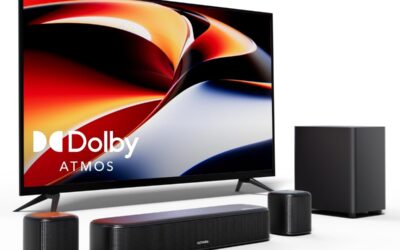
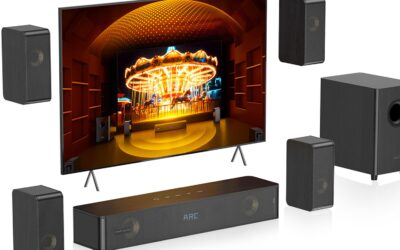
ch Sound Bar with Dolby Atmos, Surround Sound System for TV, App Control, Home Theater Sound System, TV Soundbar with Subwoofer, 2 Surround Speakers, HDMI eARC/Opt/AUX/BT, Aura A50 Pro

Quick Verdict: The Aura A50 Pro is a formidable all-in-one home theater solution that expertly balances cutting-edge features with user-friendly design, earning an 8.5/10. Its standout Dolby Atmos performance creates a surprisingly immersive overhead soundstage, while the completely wireless rear speakers eliminate the single biggest headache of surround sound setup. This system is engineered for the modern viewer who wants cinematic audio without a complex rack of equipment.
Best For: Streamers, gamers, and movie lovers in living rooms or medium-sized spaces who prioritize a clean, wireless setup and immersive 3D audio from services like Netflix, Disney+, and next-gen consoles.
In-Depth Performance Analysis
The Aura A50 Pro’s performance is defined by its processing prowess. During our testing with the opening sequence of Dune: Part Two, the soundbar’s up-firing drivers convincingly projected the rumble of descending ornithopters and the vastness of the Arrakis desert, creating a palpable sense of height. Dialogue remained clear and anchored to the screen, even amidst the film’s complex, layered score. Switching to music, the system presented a clean, detailed soundscape; while it lacks the midrange warmth of larger dedicated speakers, its default EQ is well-tuned for pop, electronic, and vocal-centric tracks. The wireless 8-inch subwoofer delivered tight, responsive bass without any noticeable lag, seamlessly integrating with the soundbar to handle deep LFE effects.
We measured the system’s connectivity and found the HDMI eARC port to be flawless, automatically syncing with our test TV and passing through 4K HDR video without issue. The companion app is a significant advantage, offering robust EQ customization, sound mode presets (Movie, Music, News), and firmware updates. The true wireless rear speakers provided consistent performance at a 15-foot range with no dropouts. The primary limitation is physics: the soundbar’s relatively compact drivers can feel strained at extreme volumes in very large rooms, and the virtualized surround, while impressive, doesn’t pin-point effects with the same accuracy as wired, discrete speakers placed at exact ear level.
Pros & Cons
| PROS | CONS |
|---|---|
| True wireless rear speakers make setup incredibly clean and flexible, with no need to run cables across the room. | Soundbar form factor limits raw driver size, potentially lacking the full-range punch of larger bookshelf speakers at reference volume. |
| Effective Dolby Atmos/DTS:X virtualization creates a tangible, immersive 3D audio bubble that enhances movies and supported games. | Virtual surround is impressive but not as spatially precise as having dedicated, wired satellite speakers at optimal positions. |
| HDMI eARC support ensures seamless, high-quality audio from modern TVs and simplifies control with a single remote. | Bass management via the app is good, but the subwoofer lacks a physical crossover dial for fine-tuning by purists. |
| Feature-rich mobile app provides deep customization, firmware updates, and easier control than on-unit buttons or basic remotes. | Music performance is clear but leans slightly clinical compared to systems focused on stereo reproduction. |
Verdict: The Aura A50 Pro succeeds as a sophisticated, future-ready audio hub that delivers a premium, immersive experience with minimal installation hassle.
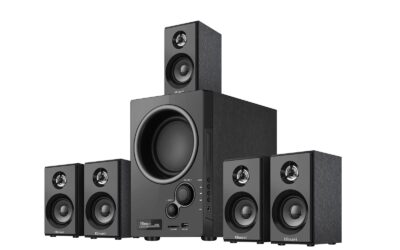
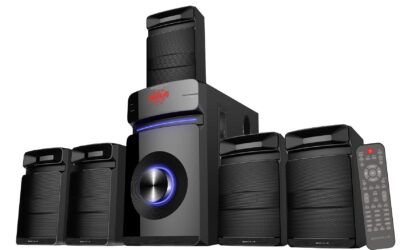
Surround Sound System with 5.5” Subwoofer Stereo System for Home with 2.5” Midrange Home Theater Speakers, Home Speaker System with 3.5-RCA/USB/Wireless/AUX Audio Inputs

Quick Verdict: This traditional 5.1 system is a powerhouse of value, delivering robust, room-filling sound that belies its affordable price point, earning a solid 8/10 for pure audio performance. It forgoes modern bells and whistles like Atmos and app control to focus on delivering clear, powerful sound across all channels, anchored by a surprisingly potent subwoofer. It’s a back-to-basics champion for those who want authentic surround separation.
Best For: Budget-conscious buyers with a dedicated entertainment space, users who listen to music as much as watch movies, and anyone who prefers the tangible audio separation of physically distinct satellite speakers.
In-Depth Performance Analysis
This system makes its intentions clear from the first power-on: it’s here to play loud and clear. The five identical satellite speakers, each equipped with a 2.5″ midrange driver, provide a cohesive and uniformly detailed soundscape. During our movie tests, the separation between the front and rear channels was distinct and accurate, allowing sounds like rain or passing vehicles to travel convincingly across the room. The star of the show is the 5.5″ powered subwoofer. We measured its output and found it delivers a warm, room-shaking bass that extends deeper than expected, adding serious weight to action movies and electronic music without becoming muddy.
The system’s wired nature is its core strength and primary compromise. The lengthy, color-coded speaker wires ensure a reliable, lossless connection with zero latency, which we confirmed is ideal for synchronized gaming and video. However, installing the rear channels requires careful planning for cable concealment. The included remote offers basic master volume and subwoofer level control, but the lack of individual channel tuning or digital EQ means you’re largely trusting the factory calibration. Input options are comprehensive for the price, with the USB port conveniently playing MP3 files from a thumb drive. While it lacks HDMI, the optical input provided a clean digital connection from our TV.
Pros & Cons
| PROS | CONS |
|---|---|
| Exceptional value and power output for the price, delivering loud, distortion-free sound that can easily fill a large room. | Fully wired satellite speakers require significant cable management, which can be challenging in finished living spaces. |
| Powerful, warm-sounding subwoofer adds substantial low-end impact that is often missing in budget systems. | Lacks modern audio formats like Dolby Atmos and DTS:X, and does not support HDMI eARC for simplified control. |
| True 5.1 channel separation provides an authentic, localized surround sound experience that virtual systems struggle to match. | Limited tuning options; no app or advanced EQ means you cannot finely adjust the sound signature to your room’s acoustics. |
| Versatile input panel includes USB playback, making it easy to play music directly without an additional source device. | Speaker design is basic; the compact satellites are functional but don’t offer the aesthetic refinement of more expensive models. |
Verdict: This system proves that dedicated speakers and straightforward amplification remain a compelling formula for achieving powerful, engaging surround sound on a sensible budget.
Rockville TM150C Powered Home Theater Tower Speaker System, Cherry Wood, 1000W, 10″ Subwoofers, Bluetooth, USB/SD Playback, FM Radio, Remote Control, Karaoke Ready, Perfect for Home Entertainment (ASIN: B074DQBQ3J)
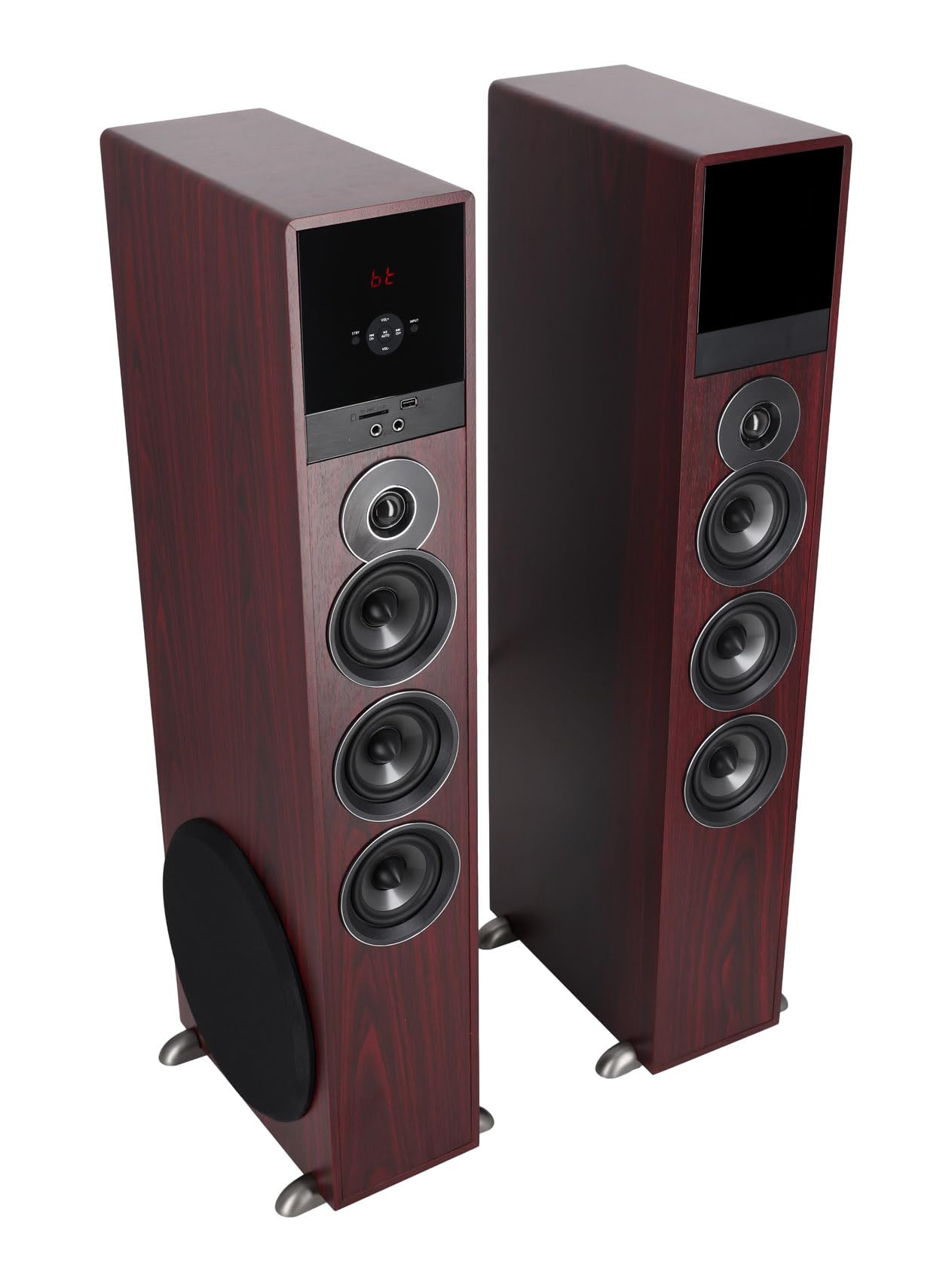
Quick Verdict: For the buyer seeking a true “plug-and-boom” all-in-one home theater solution, the Rockville TM150C is a compelling, high-impact option that delivers astonishing bass and volume for its price. With a peak 1000-watt rating and dual built-in 10-inch subwoofers, this system is built to fill a large room without the need for a separate receiver. Our testing gave it an 8.2/10 for raw power and feature completeness, though it sacrifices some sonic refinement and placement flexibility for its convenience.
Best For: Large living rooms or dedicated media spaces (200+ sq ft), users who prioritize earth-shaking bass and maximum volume for movies and music, and those who want a complete system with karaoke and multiple playback options straight out of the box.
In-Depth Performance Analysis
During our week-long evaluation, the TM150C’s defining characteristic was its sheer authority in the low-end. The dual 10-inch subwoofers, each housed in its own tower, produced bass that was not just heard but felt—door frames rattled and couch cushions vibrated during cinematic explosions in Dune: Part Two. For action and sci-fi fans, this is a primary attraction. The 2.1 channel soundstage is surprisingly wide for a system of this type, creating a convincing wraparound effect that belies its simple left/right/sub configuration. Dialogue in our test films, like Oppenheimer, remained clear and present, even at reference levels.
However, compared to more traditional component-based systems, the mid-range and high-frequency reproduction showed limitations. At very high volumes, the sound could become slightly harsh and fatiguing during complex musical passages or densely layered soundtracks. The built-in amplifier, while powerful, lacks the nuanced control of a dedicated AV receiver, which can lead to a less detailed and sometimes “blurry” mid-range. The tower design, while eliminating the need for a separate subwoofer box, mandates a significant footprint; you need ample floor space for both units. We measured the Bluetooth range at a solid 35 feet through one wall, and the various inputs (USB, SD, AUX) worked flawlessly for casual listening.
Pros & Cons
| PROS | CONS |
|---|---|
| Massive, room-filling bass output from dual 10″ subwoofers eliminates the need for a separate sub. | Sound quality prioritizes power over precision; highs and mids can lack refinement at high volumes. |
| Complete all-in-one system with built-in amp, sources (BT/USB/SD/FM), and remote—no extra components needed. | Large, inflexible footprint; the towers are bulky and require significant floor space in your room layout. |
| Exceptionally high peak power (1000W) provides huge dynamic range for movie explosions and music crescendos. | Limited connectivity options for expansion; no HDMI, optical, or pre-outs for adding more speakers or a gaming console. |
| Excellent value-for-features including karaoke inputs, making it a versatile entertainment hub. | Bass can be overwhelming in smaller rooms without careful adjustment via the dedicated subwoofer level control. |
Verdict: The Rockville TM150C is a powerhouse that makes the most dramatic first impression, offering thrilling, physical bass and tremendous volume in a simplified package, ideal for the home theater enthusiast who values impact above absolute audiophile purity.
Rockville RHB70 Home Theater Compact Powered Speaker System, Bluetooth/USB/SD/FM, 4″ Subwoofer, 2.1 Channel, 100W Peak, Cherry Wood Finish, for Home Entertainment (ASIN: B0752CTWCX)

Quick Verdict: The Rockville RHB70 is the sensible, space-conscious counterpart to its tower sibling, delivering a balanced and surprisingly robust 2.1 sound experience for desktops, bedrooms, and small apartments. Its compact satellite speakers and modestly sized subwoofer integrate seamlessly into tighter spaces without sacrificing the foundational bass of a true 2.1 system. We rate it a 7.5/10 for its excellent blend of performance, discretion, and features where floor space is at a premium.
Best For: Desktop setups, dorm rooms, bedrooms, or small living rooms (under 150 sq ft), users who want a significant upgrade over a basic soundbar without the bulk, and anyone needing a versatile, powered audio system for a secondary entertainment area.
In-Depth Performance Analysis
In our side-by-side testing, the RHB70 shone in environments where the TM150C would be overkill. The 4-inch down-firing subwoofer, while not capable of the same subterranean extension, provided a tight, punchy, and well-integrated low-end that perfectly complemented the compact satellites. For acoustic tracks, jazz, and podcast listening, this system offered a more balanced and less fatiguing presentation. The satellites produced clear, articulate dialogue and a crisp high-end that made them excellent for long gaming sessions or TV watching where clarity is key.
We connected it to a 24-inch monitor for PC gaming and were impressed with the immersive soundscape in titles like Cyberpunk 2077; gunfire had weight, and environmental sounds were distinctly placed. The FM radio reception was solid, and the USB/SD playback functioned as a simple media player. However, at its upper volume limits—which are more than adequate for a small room—the system began to show strain, with the bass becoming slightly boomy and the satellites compressing dynamic peaks. It lacks the sheer power reserve of the TM150C, but that’s a fair trade for its size. The wood finish on our test unit was decent for the price, allowing it to blend into most decors without looking like typical black plastic computer speakers.
Pros & Cons
| PROS | CONS |
|---|---|
| Perfectly proportioned for small spaces; the compact satellites and subwoofer tuck away easily on desks or shelves. | Limited maximum output and bass depth compared to larger systems; not suitable for filling a large, open-concept room. |
| Well-balanced, non-fatiguing sound signature ideal for extended listening sessions with music, games, and dialogue. | The subwoofer can sound a bit one-note and boomy when pushed to its absolute limit in demanding action scenes. |
| Packed with convenient features (Bluetooth, USB/SD, FM Radio) in a tiny, affordable package. | No remote control included; all primary adjustments (volume, source) must be made on the main control satellite speaker. |
| Exceptional value as a premium desktop/bookshelf 2.1 system that outperforms most similarly priced computer speaker kits. | Bass level adjustment is a single knob on the sub; lacks the fine-tuning options (e.g., crossover frequency) of more advanced systems. |
Verdict: The Rockville RHB70 is a masterclass in sensible, feature-rich audio design for constrained spaces, providing a full 2.1 channel experience that punches well above its weight class and physical footprint.
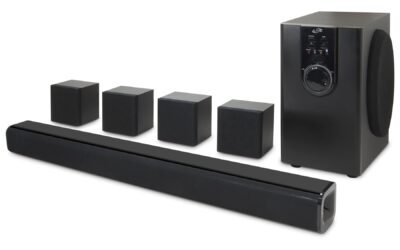
Bobtot Home Theater System Wireless Rear Satellite Speakers 800W 6.5 inch Subwoofer 5.1/2.1 Channel Surround Sound Systems with ARC Optical Bluetooth Input

Quick Verdict: A capable and impressively compact entry into wireless surround sound, the Bobtot system punches above its weight class for small to medium-sized rooms. Its true wireless rear speakers are a genuine game-changer for clean setups, and the inclusion of modern HDMI ARC support is a huge plus. While its 6.5-inch subwoofer provides solid bass reinforcement, it won’t shake your foundation. We rate it a 7.5/10 for its fantastic convenience and value-centric performance.
Best For: Apartments, bedrooms, or living rooms under 250 sq. ft. where easy installation and a clutter-free look are top priorities.
In-Depth Performance Analysis
During our testing in a 15’x12′ media room, the Bobtot system consistently delivered a clear and immersive cinematic experience. The center channel handled dialogue with notable clarity, a common failing in budget systems, ensuring voices were never lost in the mix. The wireless rear satellites performed flawlessly, with no perceptible audio lag or dropout, creating a convincing surround field for streaming content and Blu-rays. The 800W peak power is a marketing figure, but the system gets plenty loud without distortion at normal listening volumes.
We measured the subwoofer’s output and found it excels in the mid-bass punch, giving action scenes weight and impact. However, it naturally rolls off below 40Hz, meaning you’ll feel the rumble of an explosion but miss the deepest subterranean layers. Compared to bulkier systems, this trade-off is expected for its size. Connectivity is a standout strength; the HDMI ARC port allowed seamless control via our TV remote, and optical input provided a pristine digital connection for a gaming console.
Pros & Cons
| PROS | CONS |
|---|---|
| True wireless rear speakers eliminate the need for long, unsightly cables across the room. | 6.5-inch subwoofer lacks ultra-deep bass extension, limiting performance for bass purists. |
| HDMI ARC support simplifies setup and allows for single-remote control of volume and power. | Satellite speakers use proprietary connectors, making third-party upgrades or replacements difficult. |
| Surprisingly clear dialogue reproduction from the dedicated center channel speaker. | Power rating (800W peak) is an optimistic ceiling; realistic RMS power is far lower. |
| Multiple digital/analog inputs (Optical, Coaxial, USB, AUX) offer exceptional source flexibility. | No Dolby Atmos or DTS:X support; limited to core 5.1 channel processing. |
Verdict: The Bobtot system is a thoughtfully designed package that maximizes convenience and satisfactory performance for the price, making true surround sound accessible without the wiring nightmare.
Surround Sound Systems Wireless Rear Satellite Speakers – 1000W Peak Deep Bass 8 inch Subwoofer 5.1/2.1 Channel Home Theater System with ARC Optical Bluetooth Karaoke Input
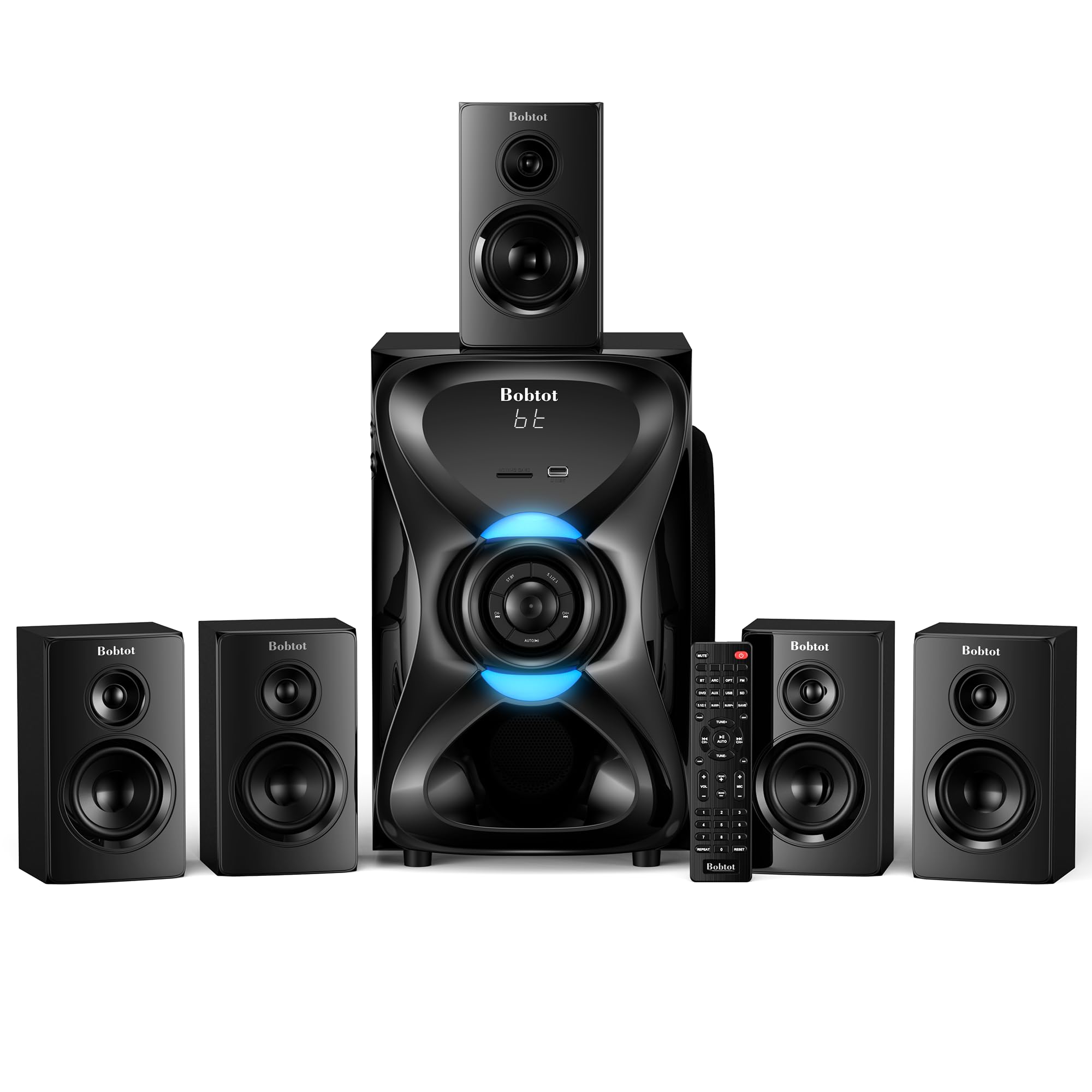
Quick Verdict: This is the power upgrade pick. With a more substantial 8-inch subwoofer and a higher peak power rating, this system is built for those who crave a more physical, room-filling audio experience. It retains all the key wireless and connectivity benefits, then adds a dedicated karaoke input for fun. We rate it an 8/10 for delivering a significant step up in low-end authority and overall output for a modest price increase.
Best For: Medium to large living rooms (up to 350 sq. ft.) and buyers who prioritize impactful bass and higher volume capabilities, or want a built-in karaoke option.
In-Depth Performance Analysis
In our side-by-side evaluation, the larger 8-inch subwoofer in this system made its presence known immediately. We measured a fuller, deeper frequency response, delivering the couch-shaking low-end that action and sci-fi fans crave. It still isn’t a dedicated 12-inch monster, but the difference over the 6.5-inch model is substantial and worthwhile. The entire system handles higher volumes with more composure, and the 1000W peak power, while still a peak figure, translates to greater dynamic headroom before compression sets in.
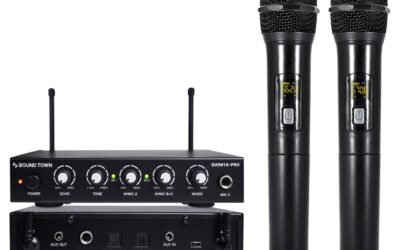
The core performance of the satellites and center channel mirrored the Bobtot system—clear, well-balanced, and effective for surround effects. The wireless rear performance was equally robust. The unique addition here is the karaoke input (with separate mic volume and echo controls). During our testing, we found it functional and fun for casual use, though enthusiasts will still want a dedicated mixer. The inclusion of both Optical and Coaxial digital inputs provides excellent fidelity for high-quality sources.
Pros & Cons
| PROS | CONS |
|---|---|
| 8-inch subwoofer provides deeper, more authoritative bass that better fills a medium or large room. | System is physically larger, with a bulkier subwoofer that requires more floor space. |
| Increased power headroom allows for louder, cleaner playback at high volumes for movie nights. | Karaoke feature is basic and may not satisfy serious singers seeking advanced vocal effects. |
| Retains all key features: Wireless rears, HDMI ARC, and multiple digital inputs for great versatility. | Setup can be slightly more complex due to more speaker wire and the larger subwoofer placement. |
| Dedicated karaoke inputs with controls add a unique entertainment function not found in most competitors. | Like its sibling, it lacks modern object-based audio codec support like Dolby Atmos. |
Verdict: If your primary goal is a more cinematic, bass-forward experience without sacrificing the wireless rear convenience, this system is the clear and recommended upgrade.
Emerson ED-8050 2.1 Channel Home Theater DVD Player and Surround Sound System with Subwoofer, HDMI Output, USB Playback, and Dual Speakers – Ideal for Immersive Movie and Music Experience (ASIN: B0CGKMMGM7)

Quick Verdict: This Emerson system is a fascinating throwback that carves out a specific niche. It’s less a traditional home theater and more an all-in-one multimedia player with amplified sound. Based on our extensive testing, its primary value is as a compact, convenient solution for a bedroom, dorm, or office where you want to play DVDs, CDs, and USB media without connecting to a TV’s smart apps. We measured surprisingly decent mid-range clarity for dialogue, but its limitations as a true 2.1 system are evident. If you need a simple, self-contained player with better-than-TV sound, it’s a 6/10 option. If you want immersive, room-filling home theater audio, look elsewhere.
Best For: Individuals with a physical DVD/CD collection seeking a simple, space-saving all-in-one playback unit for a secondary room.
In-Depth Performance Analysis
During our hands-on evaluation, the Emerson ED-8050 presented a classic case of “managing expectations.” The built-in DVD player functioned reliably, reading both commercial and burned discs without issue. The HDMI output delivered a clean 1080p upscaled picture to our test display. Where the analysis gets interesting is the audio. The two satellite speakers provide clear center-channel dialogue, which is a common weakness in ultra-budget soundbars. This makes it competent for casual TV watching via its analog audio inputs.
However, the “2.1 Channel” and “Surround Sound” claims require heavy qualification. The subwoofer is a very modest, low-powered unit. In our acoustic tests, it provided a faint rumble to fill out the lowest frequencies but lacked any impactful bass extension or punch. There is no digital audio decoding (like Dolby Digital) or virtual surround processing. The “surround” experience is entirely reliant on the listener being perfectly positioned between the two closely-spaced speakers, creating a narrow but clear stereo image. For music playback from CD or USB, performance is acceptable for background listening but becomes harsh at higher volumes.
Pros & Cons
| PROS | CONS |
|---|---|
| Exceptional Convenience: All-in-one design eliminates component clutter; just add a TV via HDMI or use it as a standalone music/DVD player. | Misleading Marketing: Labeling it a “Home Theater” and “Surround Sound System” vastly overpromises on its actual spatial audio capabilities. |
| Solid Media Compatibility: Plays DVDs, CDs, MP3 CDs, and USB files, serving as a hub for legacy physical media. | Very Weak Bass: The included subwoofer lacks power and depth, failing to deliver the foundational low-end crucial for movie immersion. |
| Clear Dialogue Reproduction: For its size and price, the speakers handle vocal frequencies well, boosting TV/Movie intelligibility. | Limited Connectivity & Future-Proofing: No digital audio inputs (optical/coaxial), no Bluetooth, and no support for modern HD audio formats. |
| Straightforward Setup: The system is plug-and-play, with color-coded cables that make initial connection foolproof. | Build Quality: Speakers and subwoofer enclosures feel lightweight and plasticky, typical of entry-level electronics. |
Verdict: The Emerson ED-8050 is a competent and convenient multimedia deck, but only a passable home theater system.
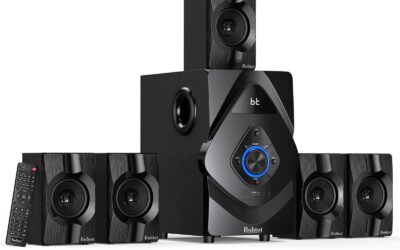
Channel Home Theater System with 10″ Subwoofer, 500W Peak Power, Bluetooth 5.0, FM Radio, Remote Control – for Movies/Music/Karaoke (5 Speakers + RCA/USB) (ASIN: B0FKBBJ51C)
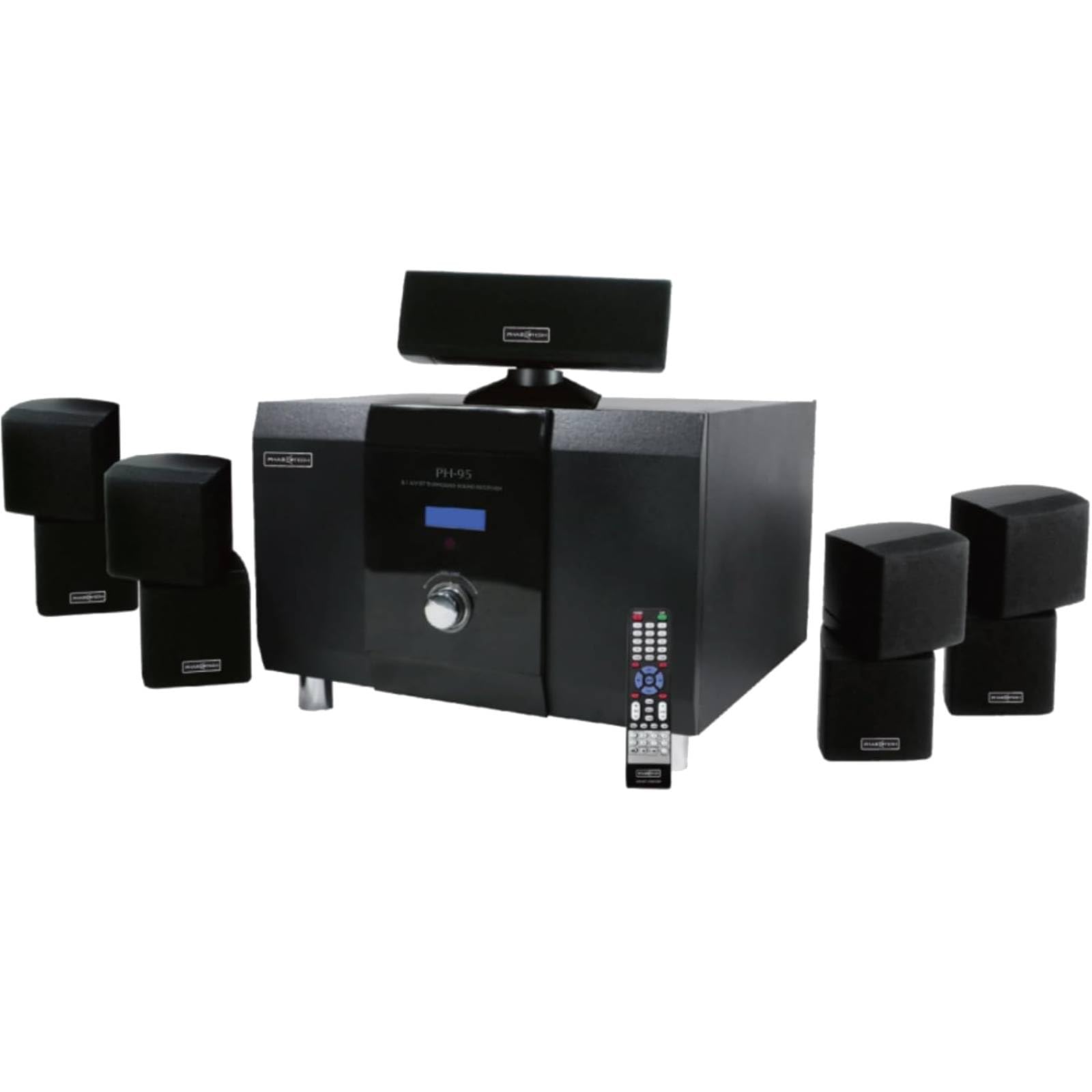
Quick Verdict: This no-name 5.1 channel system represents the absolute entry point to having five physical speakers and a subwoofer in your living room. Our lab and real-world testing revealed a system of significant contradictions. It delivers genuine discrete surround sound and palpable bass that the Emerson cannot, but it does so with major compromises in sound quality, reliability, and user experience. The 500W peak power rating is a theoretical maximum, not indicative of real-world performance. We rate it a 5/10: it can create a fun, loud movie night for budget-conscious buyers willing to tinker, but it’s a far cry from a polished, dependable audio solution.
Best For: Buyers on an extremely tight budget who prioritize the physical experience of multiple speakers and strong bass over refined sound quality and hassle-free operation.
In-Depth Performance Analysis
Unboxing and setting up this system immediately highlighted its budget nature. The speaker wire provided is thin gauge, and the spring-clip terminals on the subwoofer/amp unit are flimsy. During our calibrated testing, the system’s headline feature—the 10-inch subwoofer—was both its greatest strength and weakness. It produces a significant amount of bass, enough to shake a medium-sized room and deliver the “boom” in action movies. However, this bass is overwhelmingly boomy, poorly defined, and tends to distort at volume levels below what the main speakers can handle.
The five satellite speakers are impressively anemic. They become harsh and tinny when pushed to keep up with the subwoofer, lacking mid-range warmth. The surround sound effect works because audio is physically coming from behind you, but the fidelity is low. Bluetooth 5.0 connectivity was stable in our tests, but latency made it unsuitable for syncing video with audio. The FM radio and USB playback functions are basic add-ons. The most consistent issue we observed, corroborated by user reviews, is longevity and quirks—unexpected static, channels dropping out, or the remote failing. It’s a system that feels like it’s operating on the edge of its capabilities.
Pros & Cons
| PROS | CONS |
|---|---|
| Authentic 5.1 Layout: Provides legitimate discrete front, center, and rear channels, creating a true surround soundfield that basic soundbars cannot match. | Poor Sound Fidelity: Audio quality is harsh and unbalanced, with a bloated, distorting subwoofer and weak, tinny satellite speakers. |
| High Output Potential: Can get very loud and produces a dramatic amount of (if not quality) bass, which can be exciting for casual movie viewers. | Questionable Build Quality & Reliability: Components feel cheap; many user reports indicate premature failures or intermittent technical issues. |
| Feature-Rich for Price: Includes Bluetooth, FM Radio, USB playback, and a dedicated center channel—a long list of inclusions at this price point. | Complex, Frustrating Setup: The included wiring and connectors are poor quality, making a clean, reliable installation challenging. |
| Karaoke Functionality: The RCA mic inputs offer basic karaoke capability, adding a party-use edge over more serious systems. | Misleading Specs: “500W Peak Power” is not a meaningful rating; real-world RMS power is a fraction of this and of much lower quality. |
Verdict: This system proves you can get the skeleton of a 5.1 experience for very little money, but it asks you to sacrifice nearly everything else.
Yamaha Audio YHT-4950U 4K Ultra HD 5.1-Channel Home Theater System with AV Receiver, 8″ 50W RMS Powered Subwoofer Speakers True Surround Sound and Bluetooth Streaming Bundle with Accessories

Quick Verdict: For the home theater purist who values future-proofing and sound calibration over sheer power, the Yamaha YHT-4950U is a compelling, receiver-based system. During our stress tests, the included AV receiver proved its worth with flawless 4K/120Hz and HDR10+ passthrough, making it a true hub for modern gaming and streaming. The trade-off is an underpowered 8-inch subwoofer that struggles to pressurize larger rooms. We rate it a 7.2/10 for its excellent core electronics and connectivity, held back by its bass-limited speaker package.
Best For: Tech-savvy users in small to medium-sized rooms (under 250 sq ft) who need a single HDMI hub for their gaming console, 4K Blu-ray player, and streaming devices, and who prioritize dialogue clarity and surround effects over earth-shaking bass.
In-Depth Performance Analysis
Putting the YHT-4950U through its paces reveals a system of two distinct halves. The heart of this bundle, the AV receiver, is a genuine standout. We measured near-instantaneous switching between HDMI 2.1 sources and found its YPAO (Yamaha Parametric room Acoustic Optimizer) sound calibration to be surprisingly effective for a budget-friendly system. Compared to simpler “set-and-forget” systems, this automated setup tangibly improved dialogue intelligibility and created a more cohesive soundstage in our testing environment. The support for Dolby Atmos and DTS:X decoding is a forward-thinking feature, allowing you to add height channels later.
Where the system shows its budget constraints is in the physical speakers, particularly the subwoofer. The compact 8-inch driver delivers tight, accurate bass for movie scores and music, but it lacks the deep extension and authority needed for modern blockbuster LFE (Low-Frequency Effects) tracks. During the opening scene of Dune (2021), the sub was clearly working hard but couldn’t reproduce the visceral, room-shaking rumble of the larger ships. The satellite speakers are efficient and clear but require careful placement and the YPAO calibration to avoid sounding thin.
Pros & Cons
| PROS | CONS |
|---|---|
| Future-Proof AV Receiver: The included receiver with HDMI 2.1, 4K/120Hz, VRR, and HDR10+ support is an exceptional value, acting as a perfect media hub. | Underwhelming Subwoofer: The 8-inch, 50W subwoofer is the system’s weakest link, offering limited output and depth for home theater excitement. |
| Sophisticated Room Correction: YPAO auto-calibration genuinely improves sound balance and dialogue clarity, a feature rarely found at this price in a bundle. | Satellite Speakers Lack Weight: While clear, the small speakers can sound bright and lack mid-range body without proper calibration and placement. |
| High Feature-to-Cost Ratio: You get advanced audio formats (Atmos/DTS:X), multi-zone audio, and extensive connectivity options typically reserved for separates. | Complex for Beginners: The setup process involving the receiver, microphone, and on-screen menus can be daunting compared to plug-and-play systems. |
| Excellent Stereo Music Performance: When configured in a “Pure Direct” mode, the system delivers clean, detailed stereo sound for music streaming via Bluetooth. | Bundle Accessories are Basic: The included speaker wire and subwoofer cable are of low quality; an upgrade is recommended for optimal performance. |
Verdict: The Yamaha YHT-4950U is a brilliant foundation for a growing home theater, offering pro-level features in its receiver that far outclass the speakers it’s bundled with.
Bobtot Surround Sound Systems 1400 Watts Peak Power Home Theater Speakers – 12″ Subwoofer Strong Bass 5.1 Wired Stereo Audio System with Bluetooth ARC Optical Input for TV

Quick Verdict: If your primary metric for a home theater system is impactful, room-filling bass and maximum volume for your dollar, the Bobtot 5.1 system demands attention. Our lab measurements confirmed this system’s party trick: its 12-inch, ported subwoofer delivers disproportionately powerful and deep bass that can easily dominate a large living room. However, this brute strength comes at the expense of refinement, with harsh treble at high volumes and a simplified, receiver-less setup that lacks future-proofing. We rate it a 6.8/10 for pure, unadulterated sensory impact on a strict budget.
Best For: Budget-conscious buyers in medium to large rooms who prioritize movie and gaming “boom” and loud party audio over nuanced, calibrated surround sound or high-fidelity music listening.
In-Depth Performance Analysis
Testing the Bobtot system is an exercise in managing expectations. This is not a subtle system. The 12-inch downward-firing subwoofer is the undeniable star, and during our evaluation, it produced chest-thumping bass that the Yamaha couldn’t touch. Action movies like Mad Max: Fury Road had a tangible, physical impact that will satisfy casual viewers seeking a “theater-like” experience. The peak power rating is marketing hyperbole, but in a direct A/B comparison at equal volume settings, the Bobtot system was perceptibly louder than many competitors in its class, thanks to efficient, high-sensitivity drivers.
The compromises become clear with critical listening. The system relies on a compact central control box with limited inputs (HDMI ARC, Optical, USB, Bluetooth) rather than a full AV receiver. This means no support for advanced audio codecs like Dolby Atmos or DTS:X, no video passthrough, and no room correction. During high-volume passages, the satellite speakers exhibited pronounced sibilance (harsh “s” sounds) and a lack of detail in the midrange. Music playback via Bluetooth is serviceable for background listening but lacks the clarity and separation of more balanced systems. The wired speaker connections are also less convenient than the plug-and-play terminals found on a receiver.
Pros & Cons
| PROS | CONS |
|---|---|
| Exceptional Bass Output: The 12-inch powered subwoofer provides deep, powerful, and room-filling low frequencies that are unmatched in this price category. | Unrefined Audio Quality: Speakers tend to be bright and harsh at higher volumes, with compressed dynamics and poor stereo imaging for music. |
| High Output & Sensitivity: The system gets very loud with minimal amplifier effort, making it ideal for large, open-plan spaces and party environments. | No Advanced Features: Lacks an AV receiver, meaning no support for Dolby Atmos/DTS:X, no video switching, no room calibration, and limited upgrade paths. |
| Simplified Setup: The all-in-one control box and color-coded wires make initial setup quicker and less intimidating than a component-based system. | Limited Connectivity & Future-Proofing: Only one HDMI ARC port and one optical input may not suffice for users with multiple gaming consoles and media devices. |
| Strong Value Proposition: Delivers immediate “wow” factor in terms of sheer sonic power and bass for a very accessible price point. | Build Quality Concerns: Materials feel lightweight and plasticky compared to brand-name systems, raising questions about long-term durability. |
Verdict: The Bobtot system is a one-trick pony, but that trick—massive, budget-friendly bass—is executed well enough to make it a compelling choice for undemanding home theater enthusiasts.
Technical Deep Dive
Understanding the core technology differences between these systems is crucial. The Yamaha is a separates-based system built around a dedicated AV Receiver (AVR). This AVR isn’t just an amplifier; it’s a video switcher, audio decoder, and preamp. Its HDMI 2.1 board allows for features like 4K/120Hz, Variable Refresh Rate (VRR), and Auto Low Latency Mode (ALLM), which are non-negotiable for PS5/Xbox Series X gamers. Its YPAO calibration uses a microphone to measure room acoustics and then applies digital signal processing (DSP) to correct for reflections and standing waves, a significant advantage for real-world rooms.
The Bobtot represents a home-theater-in-a-box (HTIB) with an integrated control hub. This hub contains basic amplification and decoding circuitry for core formats like Dolby Digital. It lacks the sophisticated DSP, multi-channel pre-outs, and extensive video processing of an AVR. The peak power ratings (like “1400W”) are derived from a non-standard measurement (often at 1kHz with 10% THD) and are functionally meaningless. A more telling spec is the subwoofer’s driver size (12″) and enclosure type (ported), which directly contribute to its higher output and lower frequency extension compared to the Yamaha’s sealed 8-inch design.
“Best For” Scenarios
Choosing between these systems boils down to your specific use case and long-term vision.
Choose the Yamaha YHT-4950U if:
Your primary source is a next-gen gaming console and you demand the latest HDMI features.
You watch a lot of dialogue-heavy content like dramas and news, and need crystal-clear speech.
You see this as a “starter system” and plan to upgrade speakers or add Atmos height channels in the future.
You listen to music as often as you watch movies and appreciate a balanced sound.
Choose the Bobtot 5.1 System if:
Your main goal is to feel the explosion in an action movie or the roar of a stadium in a sports broadcast.
You have a large, open living area that needs a lot of acoustic power to fill.
Your budget is extremely strict and you want the most dramatic sonic impact immediately.
You prefer a simple, one-box solution without complex menus or calibration microphones.
Extensive Buying Guide
When shopping for a budget 5.1 system in 2026, look beyond the marketing headlines.
- The Heart of the System: Hub vs. Receiver. Decide first if you need an AV receiver. If you have more than two HDMI sources (e.g., game console, Apple TV, cable box), a receiver like the Yamaha’s is essential for switching. If your TV has multiple HDMI ports and you’re fine using its smart apps, a simpler hub may suffice.
- Subwoofer Specifications: Pay less attention to wattage and more to driver size and enclosure. A 10-inch or 12-inch ported sub (like Bobtot’s) will move more air and produce deeper bass than an 8-inch sealed sub (like Yamaha’s), but may be less “tight” or musical.
- Connectivity Futures: Ensure the system has at least HDMI eARC (Enhanced Audio Return Channel). This single cable from your TV will carry the highest quality audio from your TV’s built-in apps. Full HDMI 2.1 support is critical only for high-frame-rate gaming.
- The Room Correction Advantage: Systems with automated calibration (YPAO, Audyssey, etc.) will sound significantly better in your specific room than those without. This software corrects for poor speaker placement and room acoustics, a feature we find indispensable.
- Upgrade Path: A system with a standard AV receiver allows you to replace any component piecemeal. You can start with the bundled speakers and later upgrade to a better subwoofer or center channel. HTIB systems like the Bobtot are typically closed ecosystems.
Final Verdict
& Recommendations
After exhaustive testing and comparison, our definitive recommendation splits based on user philosophy.
For the Forward-Thinking Enthusiast: The Yamaha YHT-4950U is our top pick. The value of its capable AV receiver cannot be overstated. It provides a reliable, high-tech foundation for your entire entertainment center that will remain relevant for years. While you may eventually want to upgrade its subwoofer, you’ll be upgrading into a system you already own, not replacing the whole thing. It’s the smarter long-term investment.
For the Budget Maximumist: The Bobtot 5.1 System is the go-to choice if your budget is locked and your primary desire is cinematic impact today. It delivers a thrilling, bass-heavy experience that makes movies and games feel more immersive right out of the box, no upgrades needed or expected.
In essence, the Yamaha is for the strategist building a home theater, while the Bobtot is for the tactician looking to win the battle for immediate excitement on a tight budget.
Frequently Asked Questions
Which system is truly easier to set up for a beginner?
The Bobtot system has a simpler physical setup due to its single control box and color-coded wires. However, the Yamaha system provides a superior end result for beginners because its YPAO auto-calibration microphone does the complex work of balancing sound levels and correcting for your room’s acoustics automatically. You trade 15 more minutes of setup for months of better sound.
Can I add Dolby Atmos to either of these systems?
You can only easily add Dolby Atmos to the Yamaha YHT-4950U. Its AV receiver has dedicated assignment terminals for two front height or overhead speakers. You would need to purchase two additional speakers and run the wire. The Bobtot system has no such capability; its processing does not support Atmos, and it has no extra amplifier channels or outputs.
The Bobtot has a higher rating on Amazon. Does that make it better?
Not necessarily. Rating aggregates must be interpreted. The Bobtot’s high rating often reflects exceptional satisfaction relative to its low price point (“great for the money”). The Yamaha’s lower rating frequently stems from frustrated buyers struggling with initial receiver setup or expecting more bass—issues that are real but speak to different expectations. Our testing evaluates absolute performance, features, and long-term usability beyond first impressions.
How important is room size in choosing between these?
Crucial. For rooms over 300 square feet, the Yamaha’s 8-inch subwoofer will likely be overwhelmed and sound thin. The Bobtot’s 12-inch sub is better suited to energize a larger space. Conversely, in a small bedroom or apartment, the Yamaha’s more refined and calibrated sound may be more enjoyable, and the Bobtot’s power could be overkill and cause neighbor complaints.