Why Bookshelf Speakers Are the Secret to High-End Home Theater
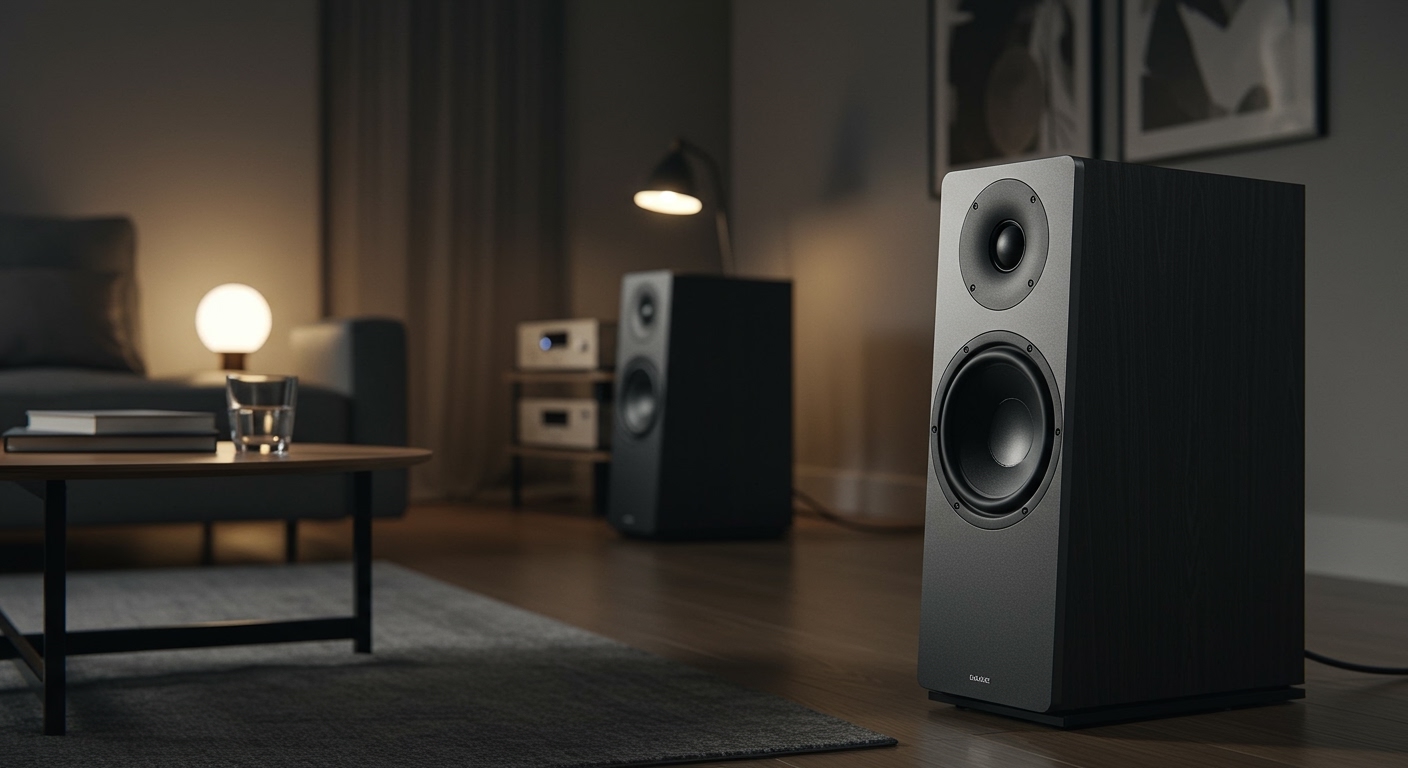
Many audio enthusiasts wonder: can bookshelf speakers be used as front speakers? The short answer is a resounding yes. In fact, in many small to medium-sized rooms, high-quality bookshelf speakers often outperform bulky floorstanding towers by providing superior imaging, clarity, and a more precise soundstage.
Whether you are building your first 5.1 system or downsizing a dedicated media room, understanding how to integrate these compact powerhouses is essential. Using bookshelf speakers as your primary Left and Right channels allows for greater placement flexibility and often a better “price-to-performance” ratio for your investment.
Expert Summary: Key Takeaways
Versatility: You can use bookshelf speakers for front channels or surround channels interchangeably, provided they are powered correctly.
Imaging: Bookshelf speakers typically offer better “point-source” characteristics, leading to a more accurate soundstage.
Subwoofer Synergy: When you can i use bookshelf speakers as front speakers, pairing them with a powered subwoofer is crucial to handle frequencies below 80Hz.
Placement is King: Proper height (tweeters at ear level) and distance from walls significantly impact performance.
Step 1: Evaluate Your Room and Equipment Compatibility
Before you begin the physical setup, you must ensure your gear is up to the task. Not all bookshelf speakers are created equal, and their ability to act as the “anchor” of your system depends on their sensitivity and power handling.
Determine if your speakers fit the “Front” role
If you are asking, “can i use bookshelf speakers as front speakers,” look at the driver size. Ideally, a front-channel bookshelf speaker should have at least a 5.25-inch or 6.5-inch woofer to move enough air for dynamic movie soundtracks.
Tools and Materials Needed for Setup
| Tool/Material | Purpose | Expert Recommendation |
|---|---|---|
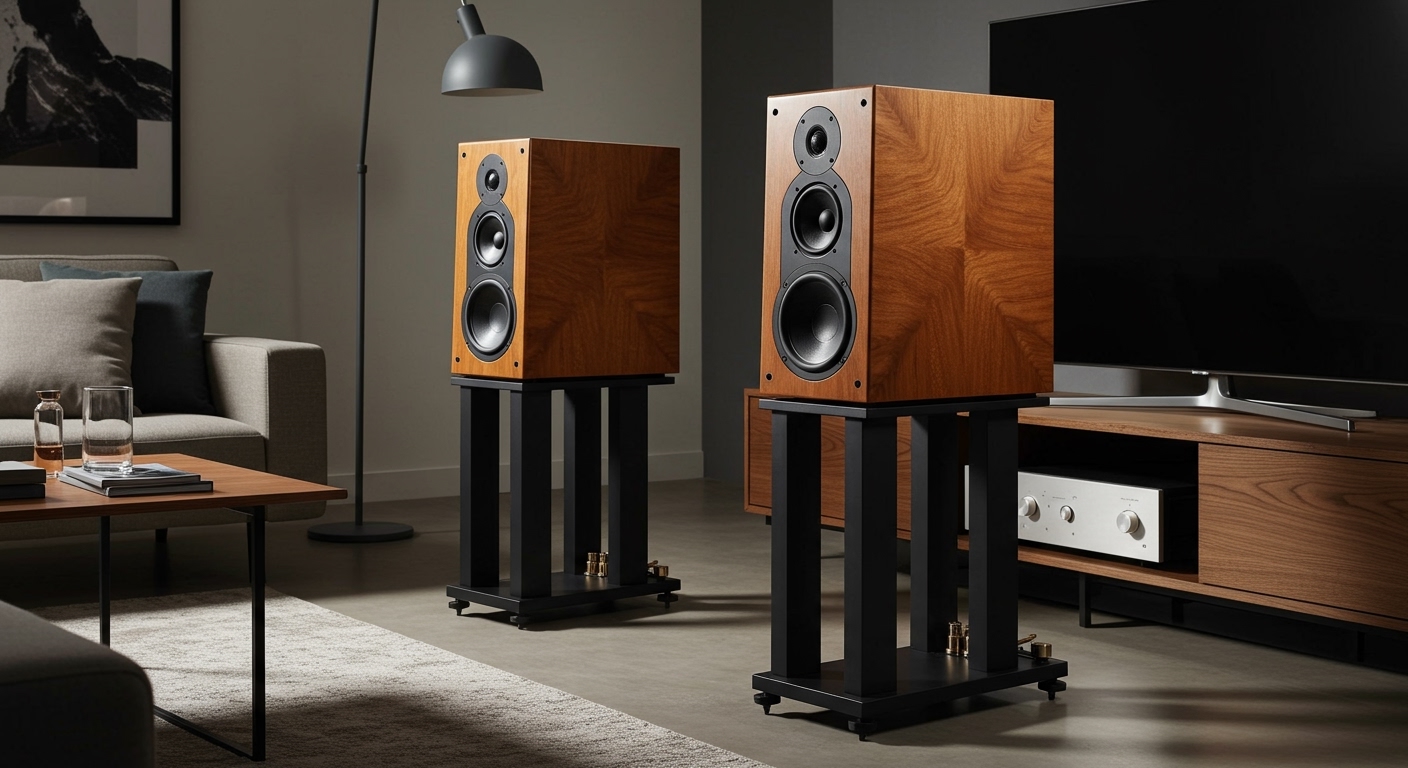
| Speaker Stands | Elevate speakers to ear level | Heavy-duty steel or wood (24-30 inches) |
| Speaker Wire | Transfer audio signal | 14 AWG or 16 AWG Oxygen-Free Copper (OFC) |
| Banana Plugs | Secure and clean connections | Gold-plated closed-screw type |
| Isolation Pads | Reduce vibrations/resonance | Sorbothane or high-density foam |
| Tape Measure | Ensure symmetrical placement | Standard 25ft retractable tape |
Step 2: Optimal Placement for the Front Soundstage
The most common mistake when people can bookshelf speakers be used as front speakers is placing them inside an enclosed cabinet or directly against a wall. This creates “boomy” bass and muddies the mid-range frequencies.
Achieve the “Equilateral Triangle”
For the best stereo imaging, your listening position and the two front speakers should form an equilateral triangle. If your speakers are 8 feet apart, you should sit approximately 8 feet away from them.
Tweeter Alignment
Always ensure the tweeters (the small high-frequency drivers) are at ear level when you are seated. If your stands are too short, use angled isolation wedges to tilt the speakers upward toward your ears.
Managing “Boundary Gain”
Keep your speakers at least 6 to 12 inches away from the front wall. This prevents the bass ports (usually located on the back) from reflecting sound waves too aggressively, which can distort the clarity of dialogue and music.
Step 3: Wiring and Physical Connection
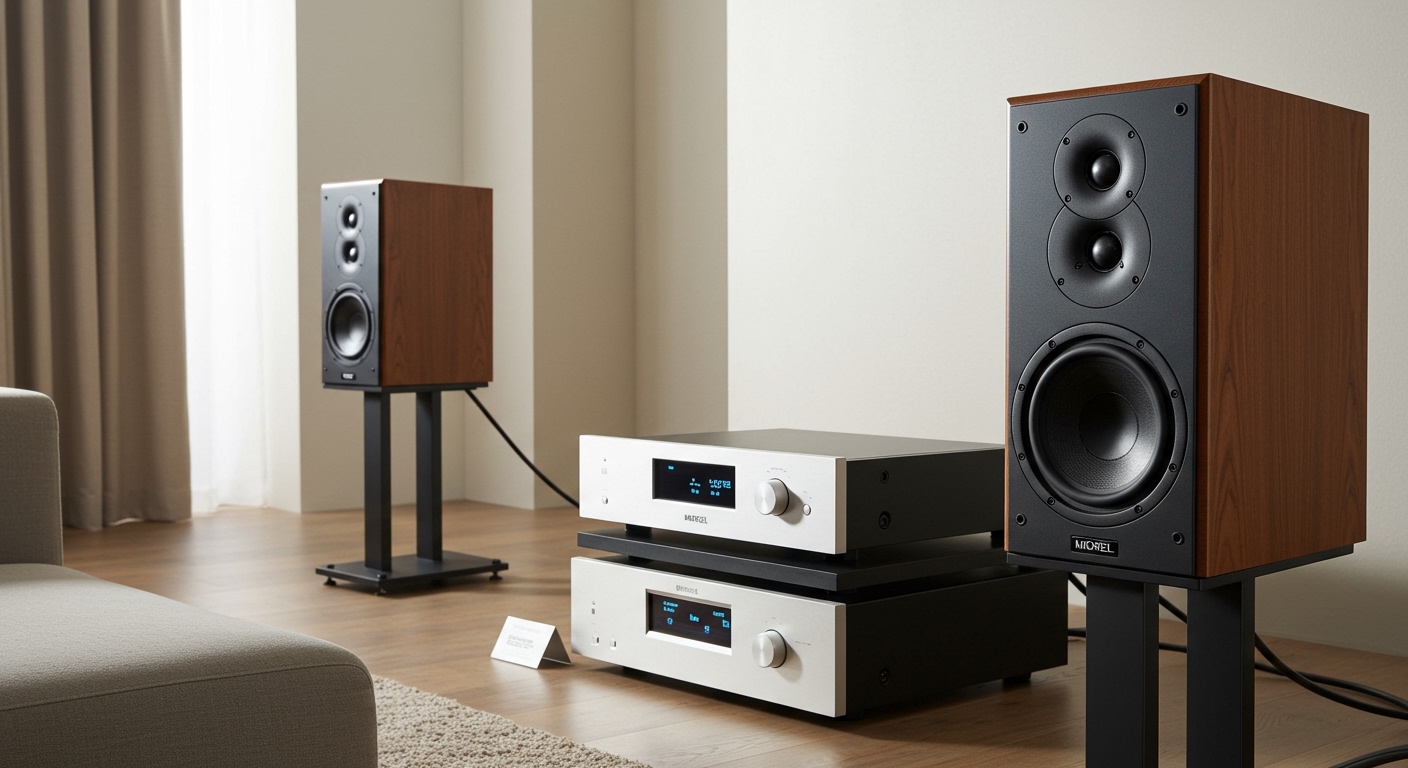
Once your speakers are positioned, it is time to connect them to your AV Receiver (AVR) or integrated amplifier. High-quality connections prevent signal loss and protect your equipment from short circuits.
How to wire your front speakers:
- Measure and Cut: Cut two equal lengths of 14 AWG speaker wire. Using equal lengths ensures the electrical resistance is identical for both the Left and Right channels.
- Strip the Ends: Remove about half an inch of insulation from each lead.
- Attach Banana Plugs: Twist the copper strands tightly and insert them into the banana plugs. This provides a much more stable connection than “bare wire” into spring clips.
- Observe Polarity: Connect the Red (+) terminal on the speaker to the Red (+) terminal on the receiver. Do the same for the Black (-) terminals. Out-of-phase wiring will result in a total loss of bass.
Step 4: Configuring the AV Receiver Settings
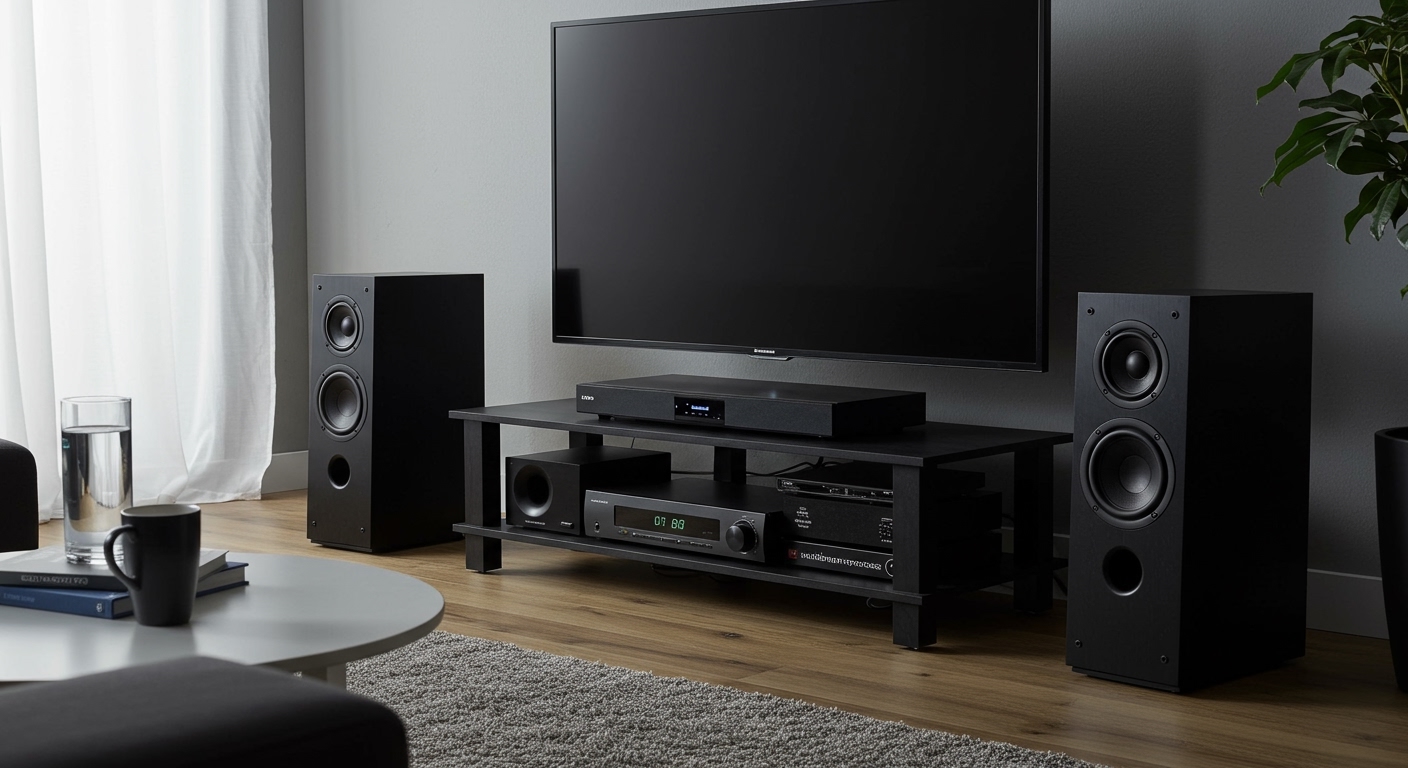
When you can i use bookshelf speakers as front speakers, you must tell your receiver how to handle the bass. Most modern receivers have a “Small” or “Large” setting for speakers.
Set Speakers to “Small”
Even if your bookshelf speakers are physically large, set them to “Small” in the AVR menu. This engages the Crossover, sending the heavy low-frequency work to your subwoofer and allowing your bookshelf speakers to play louder with less distortion.
Choose the Right Crossover Frequency
The industry standard is 80Hz (THX Standard). This is the “sweet spot” where the subwoofer takes over the deep thumps, and the bookshelf speakers handle the vocals and instruments.
Step 5: Integrating Surrounds and Satellites
A common follow-up question is: can bookshelf speakers be used as surround speakers? Absolutely. In fact, using the same brand or series of bookshelf speakers for both front and surround channels creates a “timbre-matched” environment where sound pans seamlessly around the room.
Mixing Different Speaker Types
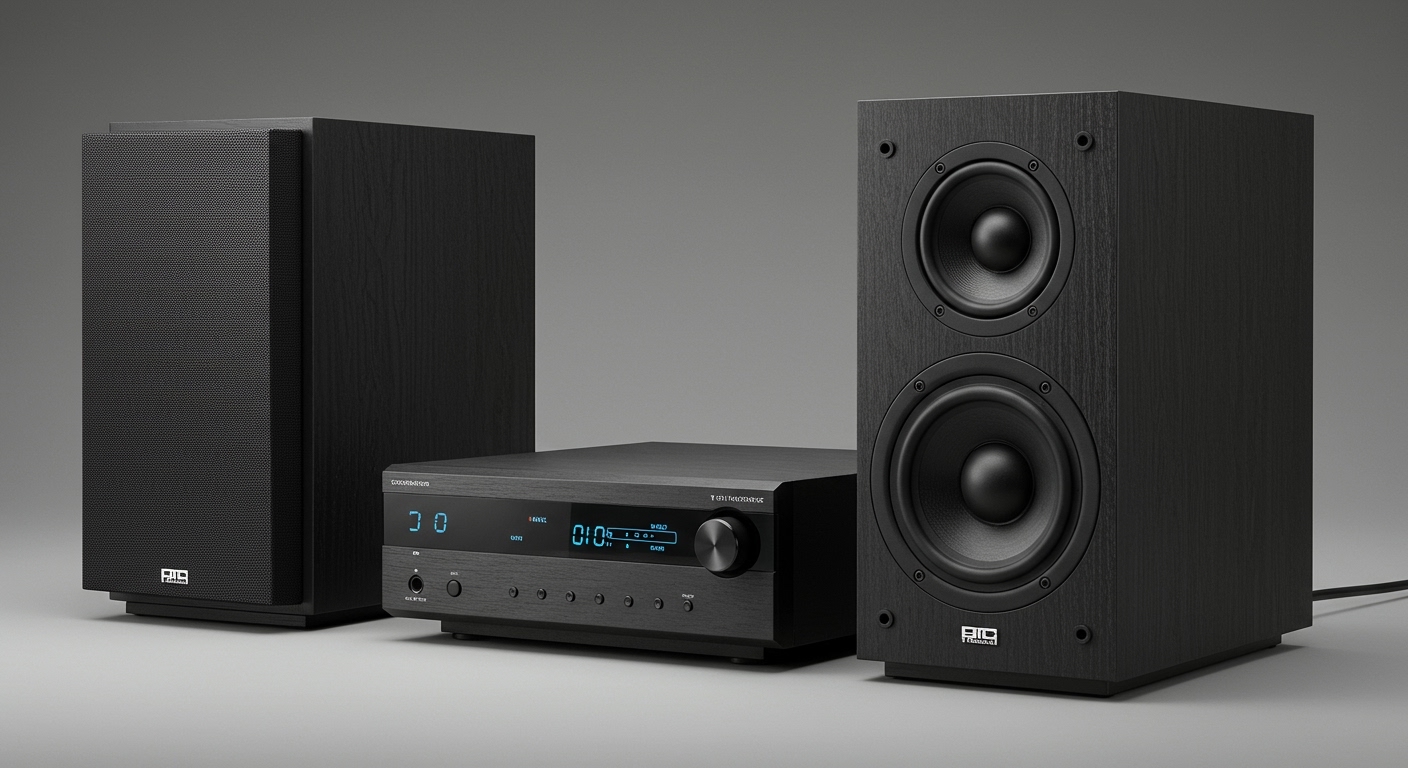
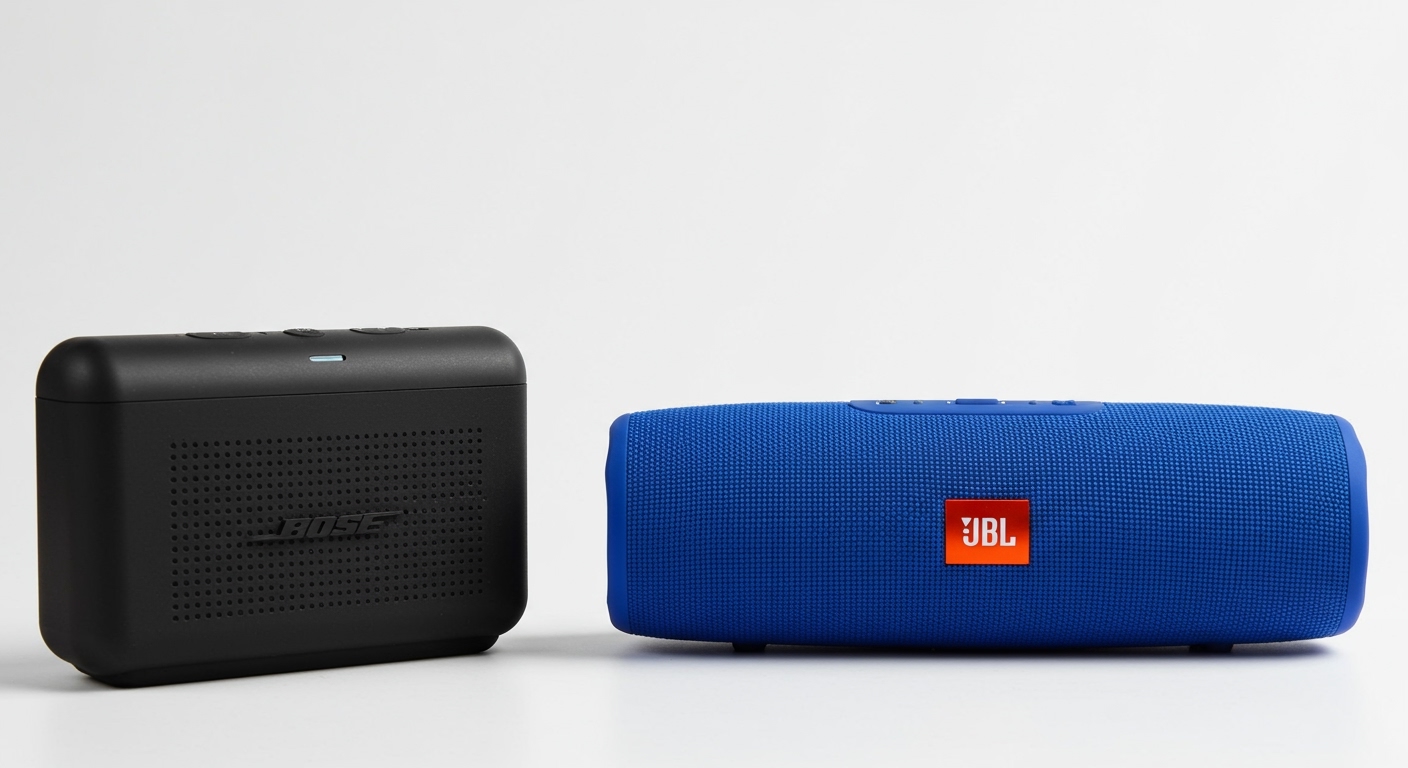
Can i mix bookshelf with satellite speakers for surround? Yes, you can. Many users use high-end bookshelf speakers for the front (where 80% of the audio happens) and smaller satellite speakers for the rear or height channels to save space.
Placement for Surrounds
When you can you use bookshelf speakers for surround, place them to the sides or slightly behind the listening position. Unlike front speakers, surrounds should be placed about 1 to 2 feet above ear level to create a more diffuse, atmospheric sound.
Pro Tips for Maximum Performance
Use Blue-Tack: Apply a small amount of Blue-Tack or adhesive putty between the speaker and the stand. This prevents the speaker from sliding and adds a layer of vibration decoupling.
Toe-In Your Speakers: Angle your front speakers slightly inward so they point directly at your shoulders. This sharpens the center image, making it sound like the singer is standing right in front of you.
Room Calibration: Use the microphone included with your receiver (like Audyssey or YPAO). It will automatically adjust the timing and volume levels to compensate for your room’s unique acoustics.
Avoid “Chuffing”: If your speakers are rear-ported and must be close to a wall, consider using the foam “port bungs” that often come in the box to dampen the bass output.
Common Mistakes to Avoid
Placing Speakers on the Floor: Never place bookshelf speakers directly on the carpet. You will lose all high-frequency detail, and the bass will become muddy.
Hiding Them in Bookshelves: Despite the name, putting them inside a bookshelf surrounded by books creates resonance issues. If you must use a shelf, pull the front of the speaker out so it sits slightly past the edge of the shelf.
- Ignoring the Center Channel: If you use bookshelf speakers for the fronts, ensure your Center Channel speaker is from the same manufacturer to ensure the “voice” of the actors doesn’t change as they move across the screen.
FAQ: Optimizing Your Speaker Configuration
Can bookshelf speakers be used as surround speakers?
Yes, can i use bookshelf speakers as surround speakers is one of the most common upgrades for home theaters. They provide a much fuller sound than tiny satellite speakers, making movie effects like rain or fly-overs feel more realistic.
Are bookshelf speakers surround speakers by default?
No, are bookshelf speakers surround speakers is a matter of application, not design. A bookshelf speaker is a full-range (or near full-range) device that can function as a front, surround, or even a rear-height channel depending on where you plug it into your receiver.
Can you use bookshelf speakers for front channels in a large room?
While you can you use bookshelf speakers for front roles in large rooms, they may struggle to fill the space without straining. In large open-concept living rooms, you may need a high-sensitivity bookshelf (like those from Klipsch or SVS) and a very powerful subwoofer.
Can i use bookshelf speakers for surround sound if they are different brands?
Yes, you can you use bookshelf speakers for surround sound even if they don’t match your front speakers. While “timbre-matching” is ideal for the front three speakers (Left, Center, Right), the surround channels are less critical for exact tonal matching.
Conclusion: Elevate Your Audio Experience
In summary, can bookshelf speakers be used as front speakers? Not only can they, but for many users, they are the smarter choice. They offer incredible detail, take up less visual space, and allow you to allocate more of your budget toward a high-quality subwoofer or a better receiver.
By following the steps of proper stand mounting, 80Hz crossover calibration, and symmetrical placement, you can achieve a “wall of sound” that rivals much larger systems. Don’t be afraid to experiment with mixing bookshelf with satellite speakers to find the perfect balance for your home.
Ready to upgrade your sound? Start by measuring your room and investing in a solid pair of stands. Your ears will thank you.