Yes, You Can Plug Computer Speakers Into a Headphone Jack
Yes, can i plug computer speakers into headphone jack ports is one of the most common questions for home office setups, and the answer is a definitive yes. Most modern computer speakers and devices use the standard 3.5mm TRS (Tip-Ring-Sleeve) analog connector, making them cross-compatible.
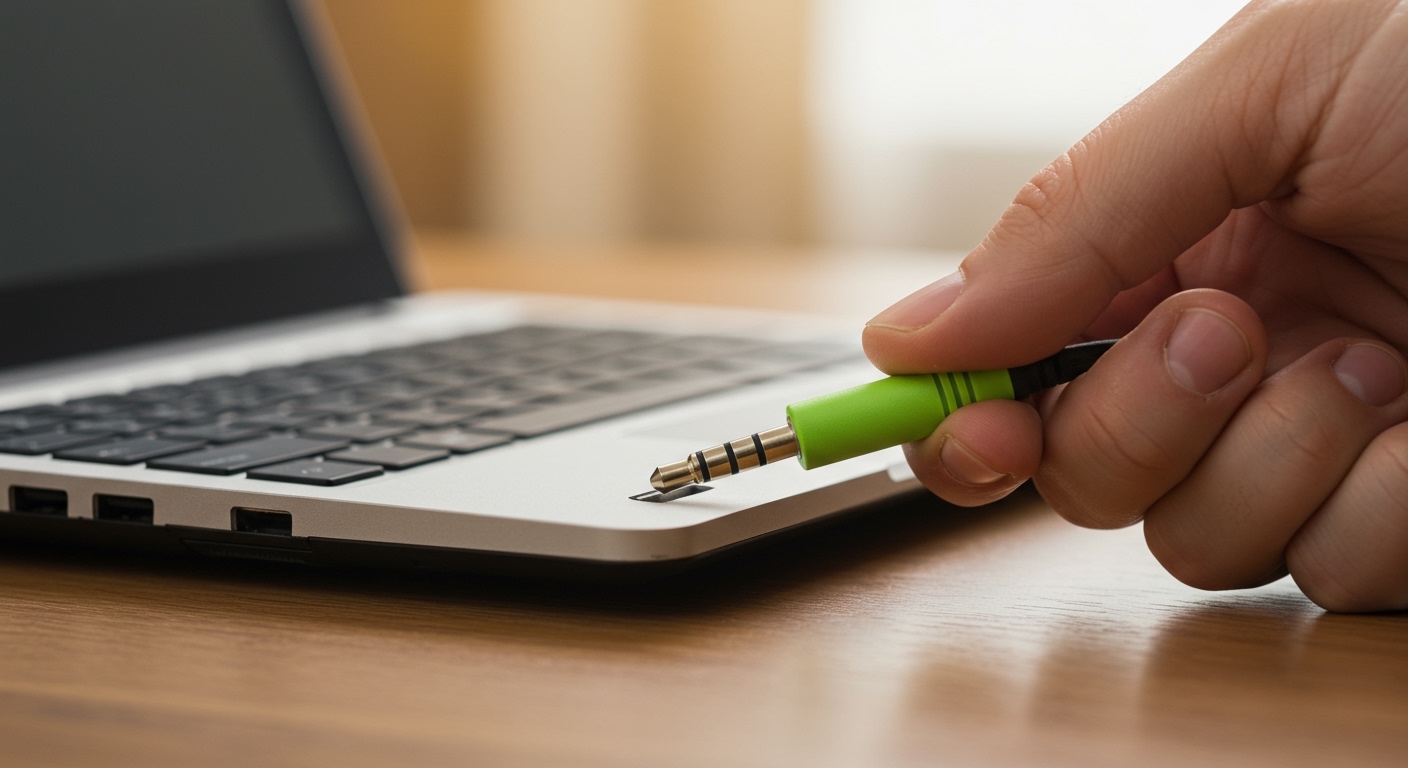
Whether you are using a MacBook, a Windows laptop, or a desktop PC, the headphone jack acts as a “Line Out” port that sends an audio signal to your speakers. However, to get the best sound quality without damaging your hardware, you need to understand the difference between powered (active) and unpowered (passive) speakers.
💡 Expert Summary: Key Takeaways
Universal Compatibility: Almost all active computer speakers use a 3.5mm jack that fits perfectly into a standard headphone port.
Plug-and-Play: In 99% of cases, no special software or drivers are required for the connection to function.
Active vs. Passive: Only plug powered speakers (those with their own power cord) into a headphone jack. Unpowered speakers will be too quiet or may not work.
Volume Management: Set your computer volume to around 70-80% and use the physical knob on the speakers to control the final output for the cleanest sound.
Required Tools and Materials
Before you begin, ensure you have the right hardware. Most computer speakers come with the necessary cables attached, but you might need an adapter for older high-end equipment.
| Item | Purpose | Compatibility |
|---|---|---|
| Active Speakers | Speakers with an internal amplifier. | Required for 3.5mm jacks. |
| 3.5mm Male-to-Male Cable | Connects the speaker input to the device. | Standard for most PC setups. |
| 3.5mm to RCA Adapter | Connects older “bookshelf” speakers. | Used for Red/White inputs. |
| USB Power Cable | Provides power to small desktop speakers. | Required if speakers aren’t wall-plugged. |
| External DAC (Optional) | Improves audio processing quality. | Recommended for audiophiles. |
Yes, You Can Plug Computer Speakers Into a Headphone Jack
Yes, can i plug computer speakers into headphone jack ports is one of the most common questions for home office setups, and the answer is a definitive yes. Most modern computer speakers and devices use the standard 3.5mm TRS (Tip-Ring-Sleeve) analog connector, making them cross-compatible.
Whether you are using a MacBook, a Windows laptop, or a desktop PC, the headphone jack acts as a “Line Out” port that sends an audio signal to your speakers. However, to get the best sound quality without damaging your hardware, you need to understand the difference between powered (active) and unpowered (passive) speakers.
💡 Expert Summary: Key Takeaways
Universal Compatibility: Almost all active computer speakers use a 3.5mm jack that fits perfectly into a standard headphone port.
Plug-and-Play: In 99% of cases, no special software or drivers are required for the connection to function.
Active vs. Passive: Only plug powered speakers (those with their own power cord) into a headphone jack. Unpowered speakers will be too quiet or may not work.
Volume Management: Set your computer volume to around 70-80% and use the physical knob on the speakers to control the final output for the cleanest sound.
Required Tools and Materials
Before you begin, ensure you have the right hardware. Most computer speakers come with the necessary cables attached, but you might need an adapter for older high-end equipment.
| Item | Purpose | Compatibility |
|---|---|---|
| Active Speakers | Speakers with an internal amplifier. | Required for 3.5mm jacks. |
| 3.5mm Male-to-Male Cable | Connects the speaker input to the device. | Standard for most PC setups. |
| 3.5mm to RCA Adapter | Connects older “bookshelf” speakers. | Used for Red/White inputs. |
| USB Power Cable | Provides power to small desktop speakers. | Required if speakers aren’t wall-plugged. |
| External DAC (Optional) | Improves audio processing quality. | Recommended for audiophiles. |
Step 1: Identify Your Speaker Type
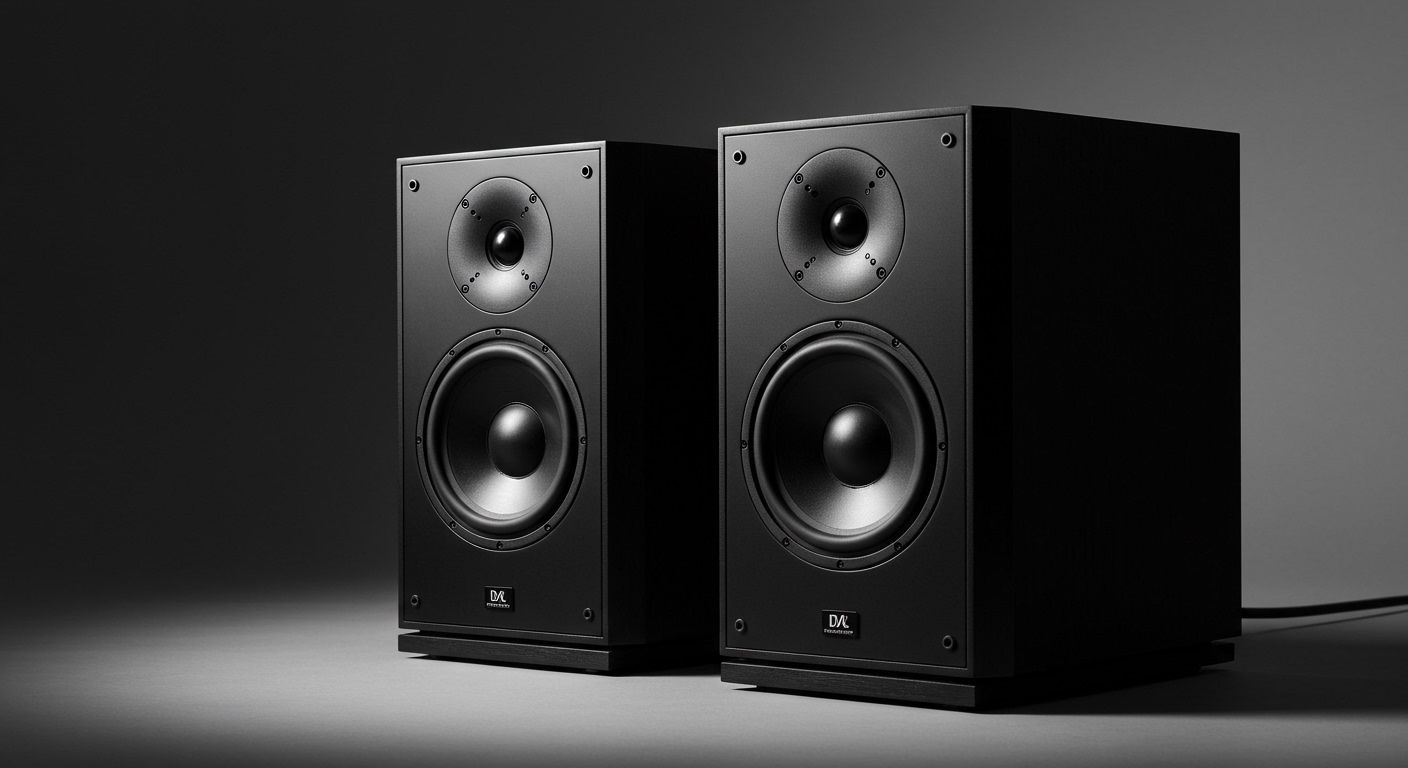
Before you plug speakers into a headphone jack, you must confirm they are Active Speakers. These are speakers that have their own power source, either via a wall outlet or a USB port.
Headphone jacks provide a low-voltage signal intended for the tiny drivers inside headphones. They do not provide enough “juice” to move the large cones of a traditional speaker. Active speakers take that weak signal and amplify it using their own internal power.
If your speakers do not have a power cord or a USB plug, they are passive. Connecting passive speakers directly to a headphone jack will result in extremely low volume and potential distortion.
Step 2: Physical Connection on Laptops and PCs
The process for how to connect speakers to a headphone jack is straightforward but requires identifying the correct port, especially on desktop computers.
On a Laptop
- Locate the 3.5mm port on the side or front of your laptop. It is usually marked with a small headphone icon.
- Take the 3.5mm audio cable from your speakers and insert it firmly into the jack.
- Ensure the speakers are plugged into a power outlet and turned on.
On a Desktop PC
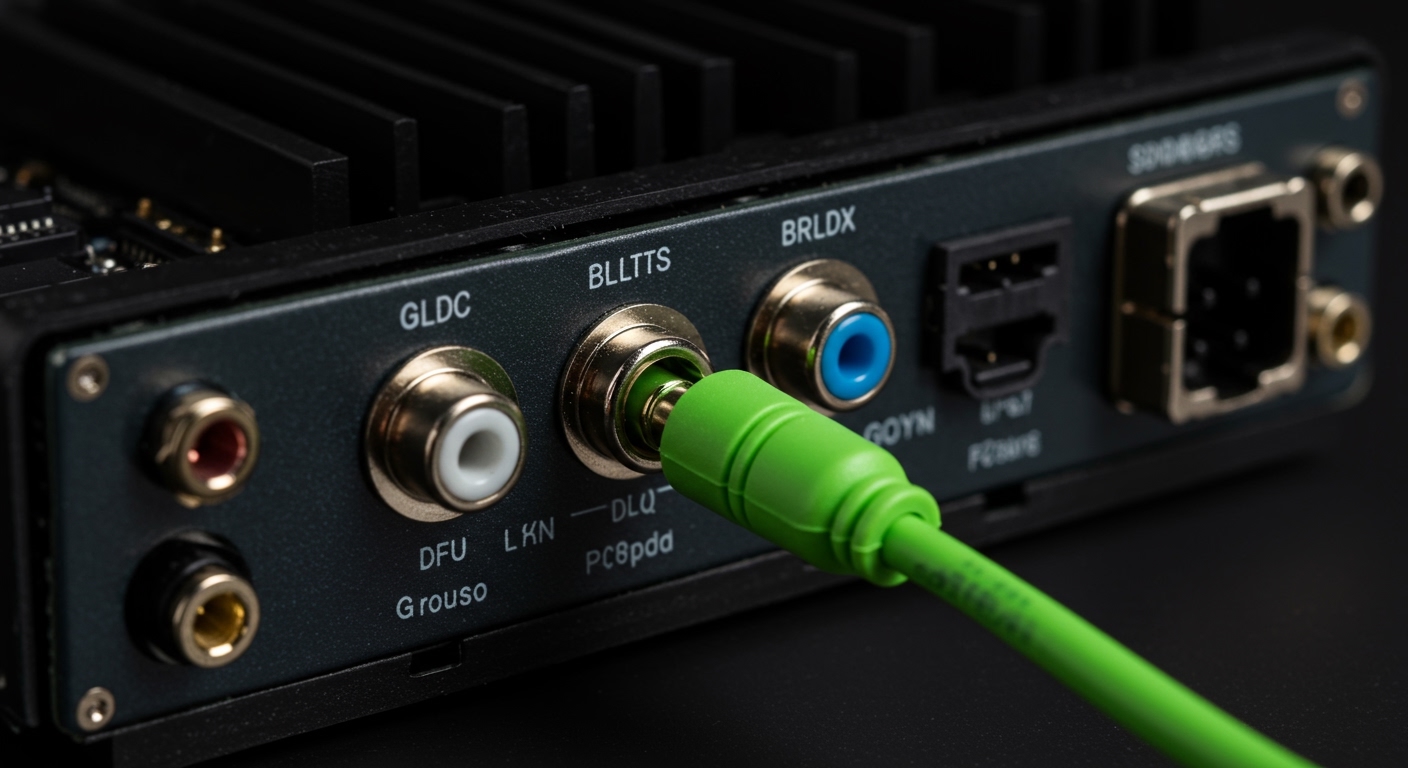
- Look at the back of your PC tower. You will see several colored ports.
- The Lime Green port is the standard Line Out/Headphone jack.
- Can speakers plug into headphone jack ports on the front of the case? Yes, but the rear green port often provides a cleaner signal with less electrical interference from the motherboard.
Step 3: Configure Software Settings (Windows & Mac)
Sometimes, your computer won’t automatically switch the audio output. You may need to “allow” the speakers to take over from the internal ones.
Windows 10/11 Configuration
- Right-click the speaker icon in the bottom right taskbar.
- Select Sound Settings.
- Under the Output section, click the dropdown menu and select “Speakers (High Definition Audio)” or “Headphones.”
- Test the audio by adjusting the volume slider.
macOS Configuration
- Click the Apple Menu and select System Settings.
- Navigate to Sound and then click the Output tab.
- Select “External Headphones” or “Line Out” from the list of devices.
Step 4: Connecting to Other Devices
The versatility of the 3.5mm connector means can you connect tv speakers to headphone jack ports as well? Absolutely.
Connecting to a TV
Many modern TVs still include a 3.5mm “Service” or “Audio Out” jack. You can plug speakers into headphone jack ports on a TV to bypass the often-tinny internal TV speakers.
However, be aware that some TVs disable the internal speakers entirely once a jack is plugged in. You will need to use the speaker’s physical remote or knob to control volume if the TV’s “Fixed Output” setting is enabled.
Expert Advice: Optimizing Your Audio Quality
As a professional who has set up dozens of home studios, I’ve found that the “plug and play” method is just the start. To avoid the common “hissing” sound (static floor), follow these expert tips:
The 80/20 Rule: Set your Windows/Mac volume to 80%. Use the physical volume knob on your speakers to reach your desired loudness. This prevents “clipping” from the computer’s internal amp.
Avoid Front Panel Jacks: On desktop PCs, front-panel jacks are often unshielded. This leads to hearing “buzzing” sounds when you move your mouse. Always use the Rear Green Port for the best experience.
Check for TRS vs TRRS: Most speakers use TRS (two rings on the plug). If your speakers have a built-in microphone, they might use TRRS (three rings). Some older headphone jacks struggle with TRRS plugs; a simple splitter can fix this.
Common Mistakes to Avoid
Plugging into the Mic Jack: The Pink port on a PC is for microphones. If you plug speakers into a headphone jack that is actually a mic port, you will hear nothing, or worse, a loud screech.
Using Passive Speakers: As mentioned, never try to drive large unpowered bookshelf speakers directly from a laptop. You will need a small Class D Amplifier in between.
Cables Near Power Bricks: Keep your audio cables away from large power bricks or Wi-Fi routers. This prevents electromagnetic interference (EMI) from ruining your music.
Can I Plug Headphones Into Speakers?
A common follow-up question is: can i plug headphones into speakers?
Most mid-to-high-end computer speakers (like those from Logitech or Creative) feature a “Headphone Pass-through” jack on the front or side. This is extremely convenient.
When you plug your headphones into the speaker, the speaker automatically mutes itself and sends the signal to your ears. This keeps you from having to reach behind your computer every time you want to switch to private listening.
Frequently Asked Questions
(FAQs)
Can I plug speakers into a headphone jack without damaging the computer?
Yes, it is perfectly safe. The electrical signal sent to a headphone jack is “Line Level” or slightly amplified for headphones, which is exactly what active computer speakers are designed to receive. There is no risk of “blowing out” your computer’s sound card.
Why are my speakers so quiet when plugged into the headphone jack?
This usually happens if you are using passive speakers that lack an internal amplifier. It can also happen if your computer’s “Output Power” is limited by software (check your SmartAmp or Realtek settings to ensure “Headphone Impedance Sensing” isn’t accidentally lowering the volume).
Can you plug speakers into headphone jack laptop ports while charging?
Yes, but you might experience a “ground loop” hum. This is a low buzzing sound caused by the laptop’s power adapter. If this happens, try plugging the speakers and the laptop into the same power strip, or use a Ground Loop Noise Isolator.
Can you allow speakers in headphone jack settings to work simultaneously with internal speakers?
Generally, no. Most hardware is designed to mechanically or digitally cut off the internal speakers when a 3.5mm jack is detected. However, software like Voicemeeter or Audio Hijack (on Mac) can allow you to output audio to multiple devices at once.
Is the sound quality better through a headphone jack or USB?
USB speakers often provide better sound because they bypass the computer’s cheap internal digital-to-analog converter (DAC). However, for most users, the difference between a 3.5mm jack and USB is negligible unless you are using high-end audiophile equipment.
Conclusion
Connecting your audio gear shouldn’t be a headache. Whether you’re wondering can you connect speakers to a headphone jack for a better gaming experience or simply to watch movies on your laptop, the answer is a resounding yes. Just remember to use powered speakers, plug them into the green port on desktops, and manage your volume levels to avoid distortion.
By following this guide, you’ve transformed your basic device into a much more capable media center. If you found this helpful, consider upgrading your cables to shielded gold-plated 3.5mm connectors for an even cleaner, pro-level sound experience.