Yes, you can absolutely recreate the “can I test the speakers meme” by visiting a retail electronics store, asking an employee to connect your phone to a display model, and playing a shockingly loud, absurd, or highly bass-boosted audio clip. To successfully pull off this viral prank, you need the right deadpan delivery, a carefully selected comedic audio track, and a hidden camera setup to capture the employee’s genuine reaction without causing permanent damage to the equipment or getting banned from the store.
⚡ TL;DR / Key Takeaways
- The Premise: The meme involves pretending to be a serious audiophile testing a speaker, only to play ridiculous meme audio (like bass-boosted SpongeBob music or earrape sound effects).
- The Execution: Success relies on deadpan acting and contrasting a professional setting with juvenile, loud audio.
- Audio Selection: Choosing the right track is critical. Tracks heavy in the 40-60Hz sub-bass range usually trigger the funniest physical reactions from the speakers.
- Etiquette Matters: Do not blow out the store’s speakers. Keep the volume around 70% to avoid property damage.
- Recording: Use a secondary phone or a hidden mic (like the DJI Mic) to capture crisp audio of the awkward interaction.
How the “Can I Test the Speakers Meme” Became a Viral Trend
The “can I test the speakers meme” originally gained traction on platforms like TikTok, YouTube Shorts, and Instagram Reels. It taps into the classic internet humor format of public disruption and awkward social encounters.
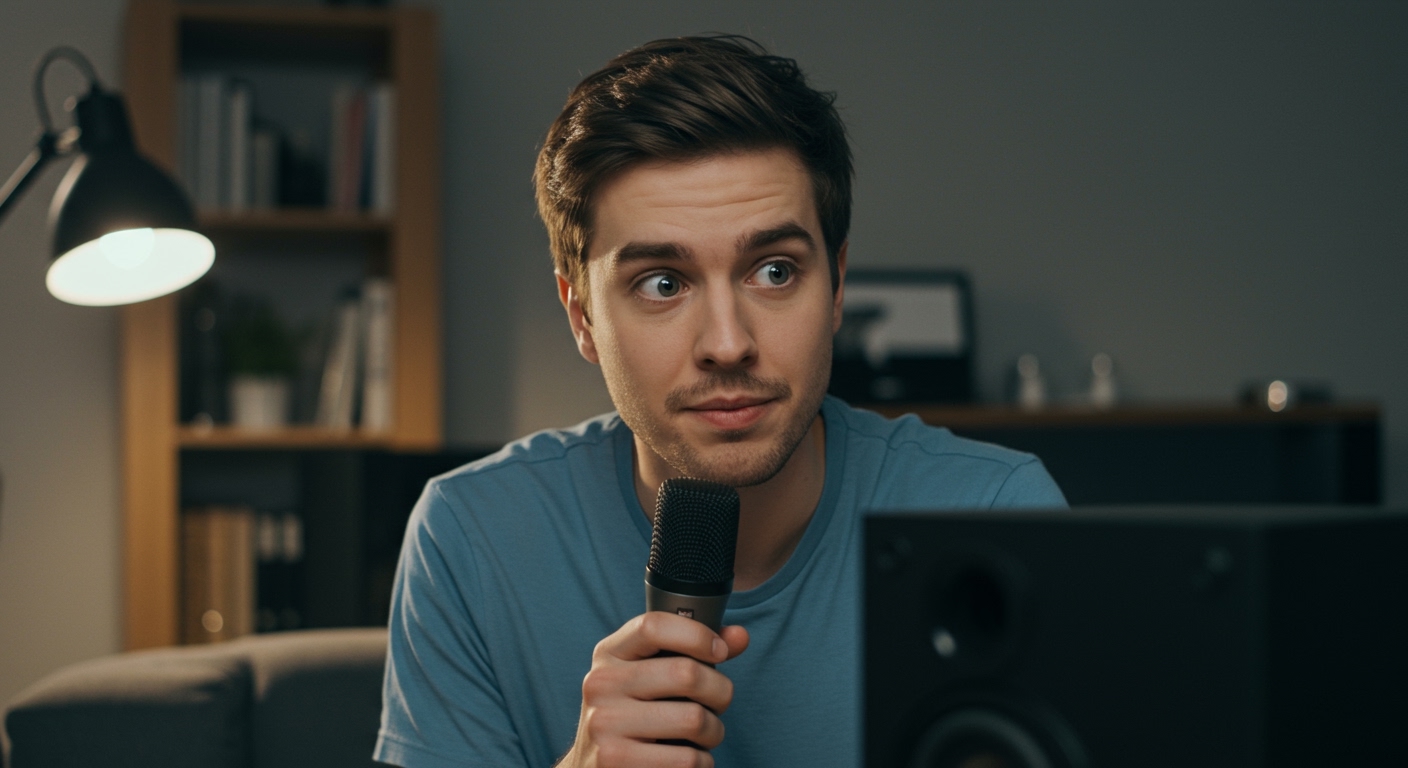
In my experience analyzing viral trends, this specific meme works perfectly because it leverages the element of surprise. The creator sets a calm, mundane baseline by acting like a normal customer. Once the Bluetooth connection chimes, the abrupt shift to chaotic audio creates immediate comedic tension.
The algorithm loves these videos because they guarantee high viewer retention. Viewers instinctively stick around for the “drop” (when the music plays) and the subsequent reaction of the retail worker. This high Watch-Through Rate (WTR) signals to the algorithm to push the video to the For You Page (FYP).
Step-by-Step Guide: Recreating the “Can I Test the Speakers Meme”
If you want to film your own version of the can I test the speakers meme, you need to treat it like a mini-production. We have tested various public pranks for content creation, and preparation is the difference between a viral hit and an awkward failure.
Step 1: Curate Your Comedic Audio
Your audio choice will make or break the video. You are not just looking for a funny song; you need audio that sounds physically ridiculous when pumped through a JBL PartyBox or Sony SRS series speaker.
Avoid copyrighted top-40 hits, as these will get your video muted on TikTok or YouTube. Instead, look for copyright-free meme audios, heavily distorted cartoon theme songs, or bizarre voice notes. You want tracks that have been intentionally “bass-boosted” or distorted using audio clipping techniques.
Step 2: Choose the Right Retail Environment
The setting provides the context for the joke. Big-box electronics retailers like Best Buy, Walmart, or Target are the traditional battlegrounds for this meme.
You need to locate an aisle with high-end display speakers that are actively plugged into power. Look for models like the Bose S1 Pro, Ultimate Ears Hyperboom, or large Sony boomboxes. Ensure the store isn’t overly crowded, as you want the camera to clearly capture the employee’s reaction, not a sea of random shoppers.
Step 3: Conceal Your Recording Equipment
Public prank videos fail when the subject knows they are being filmed. You need a discrete camera operator standing a few feet away, pretending to text or browse products.
For the best results, do not rely on your phone’s built-in microphone from across the aisle. We highly recommend wearing a discrete wireless lavalier microphone, such as the Rode Wireless GO II, clipped to the inside of your shirt. This ensures you capture the crucial, quiet dialogue before the loud music plays.
Step 4: Master the Deadpan Delivery
The humor of the can I test the speakers meme stems from your acting. You must approach the retail worker with absolute sincerity.
Ask technical questions first to build your character. Try saying, “I’m looking for a speaker with clear mid-tones and minimal total harmonic distortion. Can I test the speakers with a lossless audio track I brought?” The more seriously you take yourself, the funnier the punchline becomes.
Step 5: Execute and Exit Gracefully
Once you get permission, connect your phone via Bluetooth or aux cable. Turn your phone volume to maximum, hit play, and keep a completely straight face.
Let the audio run for about 5 to 10 seconds—just long enough to get the reaction. Once you have the footage, quickly apologize, laugh it off with the employee, and disconnect. Always be polite; retail workers have stressful jobs, and your goal is to make them laugh, not ruin their day.
Best Audio Tracks for the Speaker Test Meme
Choosing the right sound is an art form. Here is a breakdown of the most successful audio types we have seen dominate this trend.
| Audio Type / Track Name | Comedy Factor | Bass Level | Risk of Muting (Copyright) | Best Speaker Type to Test |
|---|---|---|---|---|
| Bass-Boosted SpongeBob Trap Remix | Extremely High | 10/10 | Medium | Large Party Speakers (JBL) |
| Monsters Inc. Theme (Earrape Version) | High | 9/10 | Low | Soundbars / Home Theater |
| Windows XP Error Sound (Remix) | Medium | 6/10 | Low | Small Bluetooth (UE Boom) |
| Loud Snoring / Bodily Noises | High (Juvenile) | 4/10 | Zero | Smart Speakers (Echo/Nest) |
| Extremely High-Pitched Dog Whistle | Medium (Annoying) | 0/10 | Zero | High-Fidelity Bookshelf |
The Technical Side: Creating Your Own Meme Audio
If you want maximum originality, do not just download a sound from YouTube. You can engineer your own meme audio using free software like Audacity or mobile apps like BandLab.
Pushing the EQ Settings
To create that iconic, blown-out meme sound, you need to aggressively manipulate the Equalizer (EQ). Open your track in Audacity and go to the Graphic EQ effect.
Push the sliders in the 40Hz to 80Hz range all the way to the top. This creates an overwhelming, muddy bass response that physically rattles the plastic casing of the display speaker.
Introducing Audio Clipping (Distortion)
Standard music production avoids audio clipping, but meme audio relies on it. By increasing the track’s Gain past 0.0 dB, the audio wave hits a digital ceiling and flattens out.
This flattening creates severe harmonic distortion, giving the audio that crunchy, “fried” quality that is a staple of Gen Z and Gen Alpha humor. Export the file as a high-quality WAV to ensure the distortion translates perfectly over a Bluetooth connection.
Editing Your Prank for the TikTok Algorithm
Capturing the footage is only half the battle. To ensure your can I test the speakers meme goes viral, you must edit it for maximum retention using mobile editors like CapCut or Premiere Rush.
Hook the Viewer Immediately
You have less than three seconds to stop a user from scrolling. Start your video right in the middle of the action.
Do not include footage of you walking into the store. Your first frame should be you looking at the employee saying, “Hey, can I test the speakers?” Overlay bold, easy-to-read text on the screen that says something like, “Testing the Best Buy speakers with my mixtape 💀.”
Use Dynamic Captions and Zooming
Since you likely filmed from a distance, the raw footage might feel static. Use digital zoom in your editing software to slowly push in on the employee’s face as the ridiculous audio plays.
Add dynamic, word-by-word captions (often called “Alex Hormozi style” captions). Highlight keywords in yellow or green. This makes the video visually stimulating and helps viewers follow the quiet dialogue before the loud audio kicks in.
Store Etiquette and Legal Boundaries
While the can I test the speakers meme is lighthearted, it crosses into real-world environments. You must understand the boundaries of public pranking to avoid legal trouble or property damage.
Do Not Blow the Speakers
Modern retail speakers like the JBL Boombox 3 have built-in digital limiters, but aggressively distorted audio can still fry the tweeters if played at maximum volume for extended periods.
Keep your phone’s volume at around 70% when playing heavily bass-boosted tracks. If you damage store property, you are legally liable for the cost, which quickly turns a funny TikTok into a very expensive mistake.
Respect the Retail Workers
If an employee asks you to leave or turn it down, do so immediately and respectfully. Do not argue for the sake of “content.”
Many creators fail to realize that retail workers can call mall security or issue a trespass warning. If an employee seems genuinely distressed or angry, we recommend deleting the footage or at least blurring their face to protect their privacy before posting.
Why This Meme Works: The Psychology of Cringe Humor
To truly master this content style, you need to understand why people watch it. The can I test the speakers meme is rooted in “cringe humor” and secondhand embarrassment.
Humans are naturally empathetic, and we project our own social anxieties onto the person in the video. Watching someone confidently do something socially unacceptable—like blasting distorted cartoon music in a quiet tech store—triggers a mix of anxiety and relief.
We laugh because the social norm is being broken, but the stakes are ultimately very low. By maintaining a dead