Can You Daisy Chain Speakers? The Definitive How-To Guide
Staring at a single amplifier output but needing to power multiple speakers can feel like a sound system puzzle. Whether you’re setting up for a live gig, a backyard party, or just want to expand your sound, you’ve probably wondered if you can just plug one speaker into another. So, can you daisy chain speakers?
Yes, you absolutely can daisy chain speakers. This method, common in professional audio, allows you to connect multiple speakers in a sequence from a single amplifier channel. However, doing it incorrectly with passive (unpowered) speakers is one of the fastest ways to damage your amplifier. The key is understanding a crucial electrical principle called impedance. This guide will walk you through the safe and correct way to do it for both passive and active speaker systems.
Key Takeaways: Daisy Chaining Speakers
- Yes, It’s Possible: Daisy chaining speakers is a standard practice, especially with PA systems, to increase sound coverage with minimal cable runs.
- Impedance is Critical: For passive (unpowered) speakers, the total impedance of the connected speakers must not fall below the minimum stable impedance rating of your amplifier. This is the most important rule.
Wiring Method Matters: Daisy chaining usually creates a parallel circuit, which decreases* total impedance as you add more speakers.
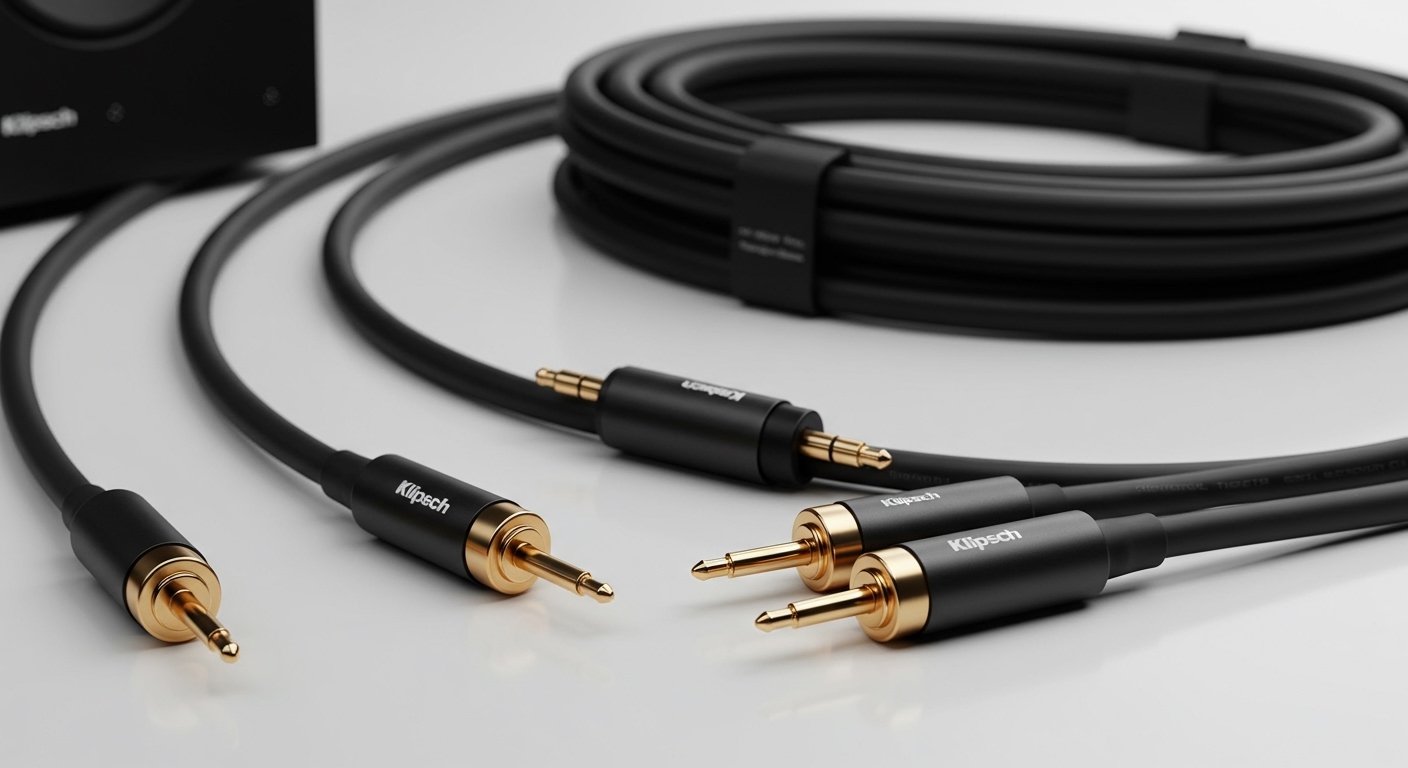
- Check Your Connectors: Look for speakers that have both an “Input” and an “Output,” “Thru,” or “Link” jack. Common connectors include Speakon and 1/4-inch jacks.
- Active vs. Passive is a Different Game: The process for active (powered) speakers is much simpler and safer because you’re only linking a line-level audio signal, not amplifier power.
What Does “Daisy Chain Speakers” Actually Mean?
Daisy chaining is the process of connecting a series of devices in a sequence. In the audio world, it means running a cable from your amplifier to the first speaker, then a second cable from the first speaker’s output to the second speaker’s input, and so on.
Think of it like old-fashioned holiday lights—power goes into the first bulb, and then continues from that bulb to the next one down the line.
The main reasons to daisy chain speakers are:
- Expanded Coverage: To power more speakers than you have amplifier channels.
- Simplified Wiring: To reduce the number of long cable runs going back to your amplifier or mixer.
- Convenience: It’s often faster and cleaner for temporary setups like mobile DJ rigs or live bands.
The #1 Rule: Understanding Speaker Impedance
Before you plug a single cable, you must understand impedance. If you ignore this, you risk permanently damaging your amplifier.
Impedance (measured in ohms, symbolized by Ω) is essentially the electrical resistance a speaker presents to an amplifier. A lower impedance value means less resistance, which allows more electrical current to flow from the amplifier.
Think of it like a garden hose. A low-impedance speaker (like 4Ω) is a wide-open hose