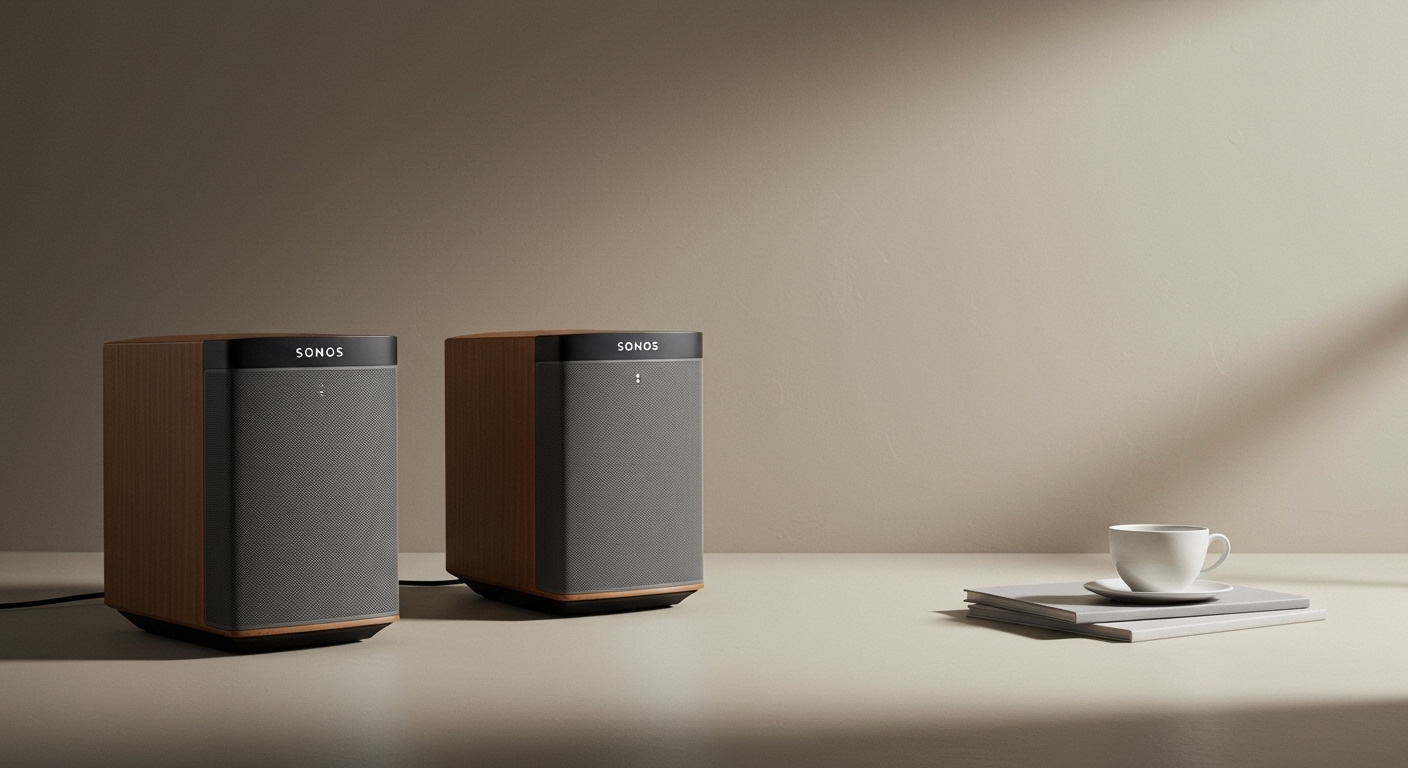
The Short Answer: Can You Put Speakers in a Cabinet?
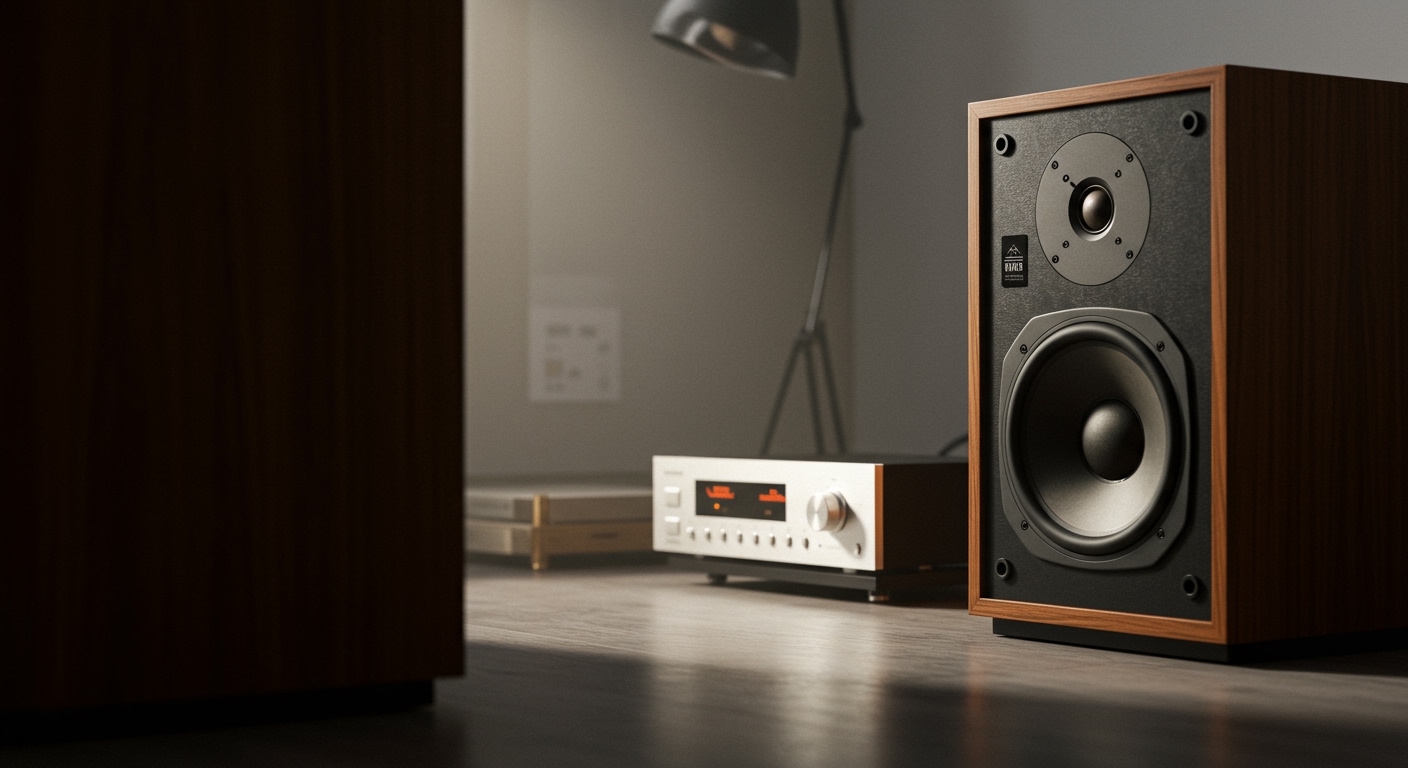
Wondering, can you put speakers in a cabinet without destroying your audio quality? The short answer is yes, you absolutely can place your speakers inside a media console, bookshelf, or custom enclosure. However, simply stuffing them into a wooden box will result in muffled mids, distorted bass, and potential overheating.
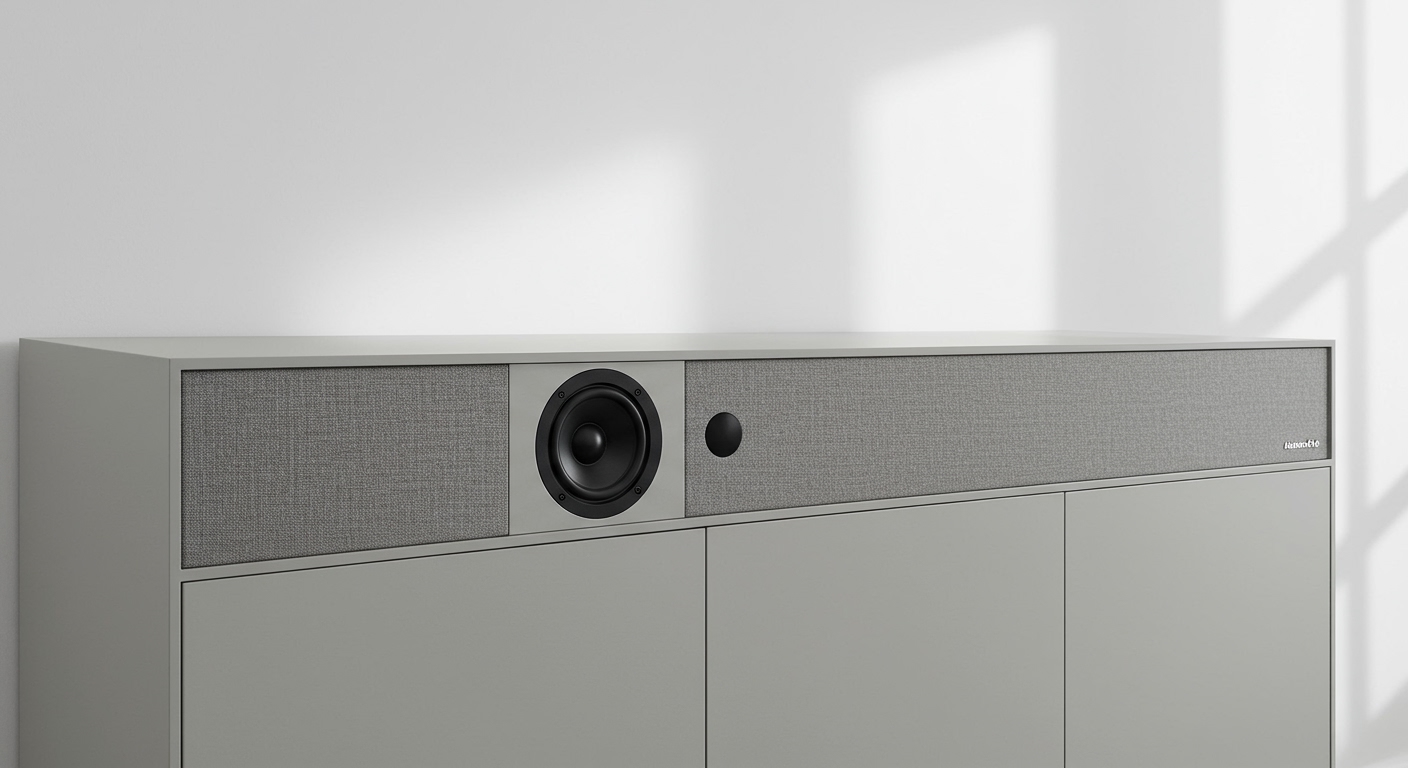
As a sound engineer who has integrated audio systems into custom furniture, I know firsthand that cabinet resonance and boundary gain are your biggest enemies. To achieve high-fidelity sound, you must use proper acoustic isolation, ensure adequate ventilation, and choose the correct speaker type.
KEY TAKEAWAYS / TL;DR:
- Yes, but with caveats: You can hide speakers in cabinets, but it requires strategic acoustic planning.
- Speaker Type Matters: Sealed or front-ported speakers perform best in enclosed spaces. Avoid rear-ported speakers unless modified.
- Decoupling is Non-Negotiable: You must use isolation pads or sorbothane feet to prevent the furniture from vibrating and buzzing.
- Ventilation is Crucial: Active (powered) speakers and A/V receivers generate heat and require active cooling fans like AC Infinity.
- Room Correction helps: Software like Dirac Live or Audyssey can artificially flatten the EQ spikes caused by cabinet placement.
Why “Can You Put Speakers in a Cabinet” is a Complex Question
When clients ask me, “can you put speakers in a cabinet?“, they usually envision a clean, minimalist living room. Unfortunately, acoustic physics rarely agrees with interior design.
Placing a speaker inside a hollow wooden box creates an acoustic chamber. When a speaker pushes sound waves forward, it also generates acoustic energy backward and sideways. In an open room, this energy dissipates naturally.
Inside a cabinet, these low-frequency sound waves bounce off the rigid wooden walls. This phenomenon is known as Boundary Gain (or the baffle step effect). The result is a massive, artificial boost in bass frequencies that makes dialogue sound muddy, thick, and boomy.
Furthermore, the physical cabinet itself will absorb vibrations from the speaker chassis. This causes the wood to resonate, adding a highly unpleasant rattling or buzzing noise to your music and movies.
The Best Speaker Types for Enclosed Spaces
If you are planning to hide your audio equipment, your choice of hardware is the single most important factor. Not all speakers are engineered to operate in tight, enclosed spaces.
Front-Ported Speakers
Many traditional bookshelf speakers feature a “port” (a circular hole) that exhausts air pushed by the woofer. Front-ported speakers have this exhaust hole on the front baffle. Because the air pushes forward into the open room, these are highly recommended for cabinet placement.
Sealed Enclosure Speakers (Acoustic Suspension)
Sealed speakers have no ports at all. They rely on the internal air pressure of their own chassis to control the woofer. These are the absolute best choice for putting inside a cabinet because they do not exhaust highly pressurized air into the surrounding furniture. They offer tight, controlled bass that won’t overwhelm an enclosed space.
Rear-Ported Speakers (Proceed with Caution)
Rear-ported speakers vent their bass energy out the back. If you place a rear-ported speaker two inches from the back wall of a cabinet, the bass waves will crash into the wood, creating a muddy sonic mess. If you already own rear-ported speakers, you must plug the ports with foam port bungs to convert them into sealed speakers before putting them inside furniture.
Speaker Type Comparison for Cabinet Use
| Speaker Design Type | Suitability for Cabinets | Acoustic Behavior in Enclosed Spaces | Required Modifications |
|---|---|---|---|
| Sealed (No Port) | Excellent | Tight, controlled bass. Minimal boundary reflection. | None. Plug and play. |
| Front-Ported | Great | Bass exhausts forward into the room. | Requires 1-2 inches of side clearance. |
| Rear-Ported | Poor | Bass exhausts backward, causing severe cabinet boom. | Must use foam port plugs and EQ adjustment. |
| Bottom-Ported | Terrible | Bass fires directly into the cabinet shelf. | Do not use in cabinets. |
Step-by-Step: How Can You Put Speakers in a Cabinet Successfully?
If you are determined to hide your audio gear, follow this professional step-by-step integration process. Implementing these exact steps will ensure your hidden setup sounds just as good as a free-standing system.
Step 1: Optimize the Cabinet Architecture
Not all cabinets are created equal. A flimsy, thin-backed media console from a big-box store will rattle violently. You need solid, dense furniture.
If your cabinet has a flimsy fiberboard backing, remove it entirely. Leaving the back open prevents trapped air pressure and completely resolves the rear-ported bass issue. Furthermore, ensure the speaker sits as close to the front edge of the cabinet shelf as possible to prevent sound from bouncing off the cabinet’s internal floor.
Step 2: Implement Acoustic Decoupling
When considering if can you put speakers in a cabinet, decoupling is your most critical step. Decoupling means physically separating the speaker chassis from the furniture so vibrations cannot transfer between them.
Never place a speaker directly on bare wood. I highly recommend using high-density acoustic isolation pads, such as Auralex MoPADs or IsoAcoustics Iso-Pucks. Alternatively, applying adhesive Sorbothane hemispheres to the bottom of the speaker will absorb up to 90% of structural vibrations.
Step 3: Apply Internal Acoustic Treatment
To stop high and mid-frequency sound waves from bouncing around inside the cabinet cavity, you must line the interior walls.
Purchase adhesive-backed acoustic foam panels or high-density felt. Line the left, right, top, and back walls of the specific cubby where the speaker sits. This absorbs rogue soundwaves before they can bounce back and smear the audio clarity, drastically tightening your soundstage.
Step 4: Ensure Thermal Ventilation
Heat is the silent killer of audio electronics. If you are placing active speakers (which have built-in amplifiers) or an A/V receiver inside a cabinet, you must plan for airflow.
Passive speakers do not generate heat. However, amplifiers can easily reach temperatures exceeding 120°F (49°C), which will fry internal capacitors over time. Install a specialized cabinet cooling system, like the AC Infinity Aircom, to quietly pull hot air out of the enclosure and push fresh air in.
Step 5: Master Cable Management
Running thick speaker wire through custom furniture can be incredibly frustrating. Drill your cable routing holes at the lowest possible point in the back of the cabinet to keep wires out of sight.
Use banana plugs on the ends of your speaker wire. Working inside a cramped, dark cabinet makes screwing down bare wire into binding posts nearly impossible. Banana plugs allow you to simply click the connection into place by feel.
Step 6: Utilize Digital Room Correction (DSP)
Even with perfect physical setup, the cabinet will alter the speaker’s frequency response. This is where modern technology saves the day.
Run your A/V receiver’s room calibration software, such as Audyssey MultEQ XT32, Dirac Live, or YPAO. These systems use a microphone to measure the acoustic anomalies caused by the cabinet. The software then applies a digital EQ curve to perfectly flatten out the “boominess,” restoring the speaker’s natural sound profile.
The Problem with Subwoofers in Cabinets
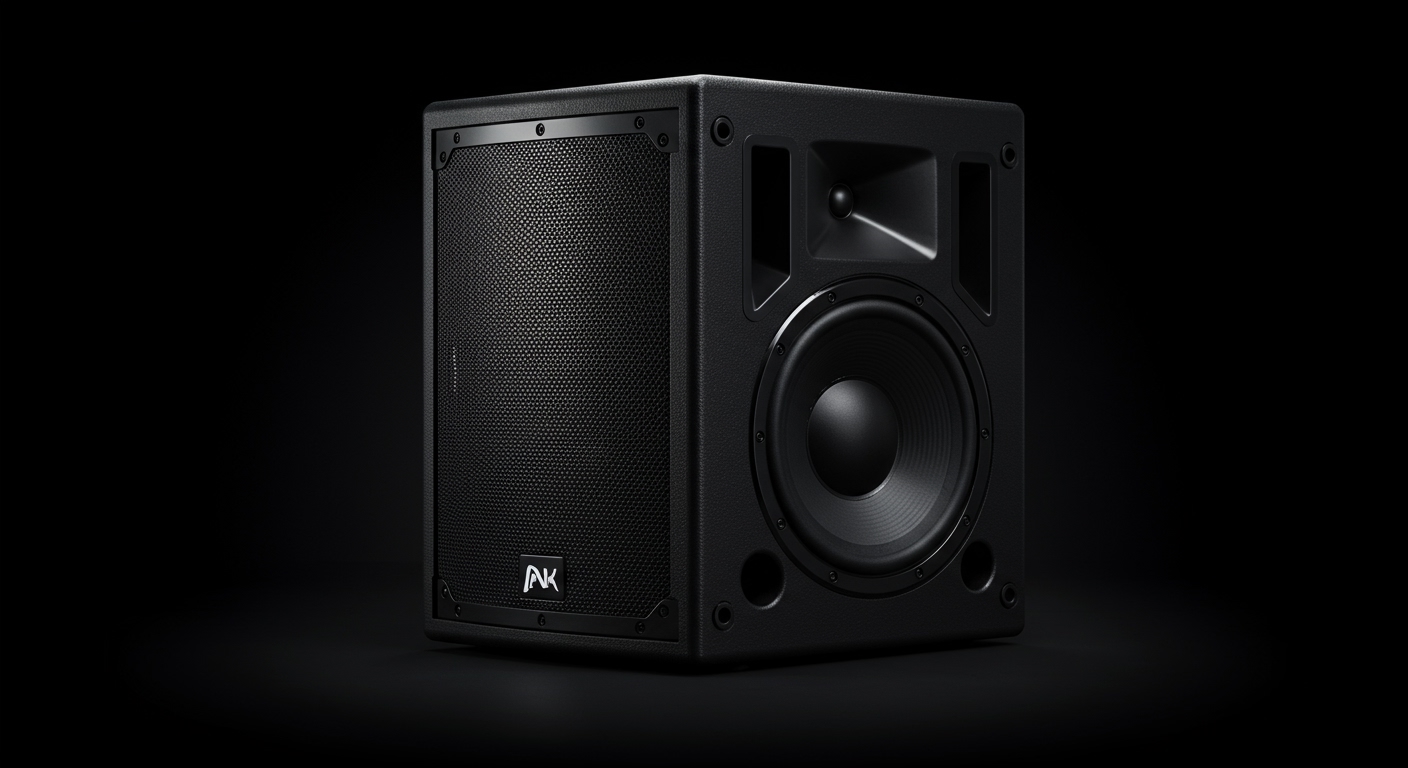
While we have thoroughly answered “can you put speakers in a cabinet,” subwoofers are an entirely different beast. A subwoofer’s sole purpose is to move massive amounts of air to create deep, low-frequency pressure waves.
Placing a standard subwoofer inside a wooden cabinet is a recipe for disaster. The immense acoustic energy will turn the furniture into a giant, rattling resonating chamber. It will shake your TV, rattle your glassware, and destroy the bass definition.
If you absolutely must hide a subwoofer, you have to build a custom “cabinet within a cabinet.” This involves a structurally reinforced, heavily braced MDF enclosure lined with dynamat or mass-loaded vinyl (MLV). For 99% of users, I strongly advise keeping the subwoofer on the floor and out of the furniture entirely.
Modifying Cabinet Doors for Audio Transparency
Many homeowners want to close the cabinet doors entirely to hide the speakers from view. Solid wood or glass doors will block 100% of the high and mid frequencies.
To achieve a true “stealth” look, you must modify the cabinet doors. Remove the center wood or glass panels and replace them with acoustically transparent speaker grill cloth.
Speaker cloth is woven specifically to let sound pass through without muffling the high frequencies. You can purchase this fabric in dozens of colors—from charcoal grey to vintage woven tweed—allowing you to match your living room decor while letting the audio shine through unimpeded.
How Cabinet Placement Affects Soundstage and Imaging
In high-end audio, “imaging” refers to the speaker’s ability to create a 3D illusion of sound—making it feel like the singer is standing right