If You Are Wondering, Do All Car Speakers Fit All Cars? The Answer Is No
Have you ever purchased a new set of speakers, popped off your door panel, and realized they simply don’t align with the factory mounting holes? If you are asking yourself, do all car speakers fit all cars, the direct answer is absolutely not. Every vehicle manufacturer uses different speaker shapes, mounting depths, bolt patterns, and wiring harnesses.
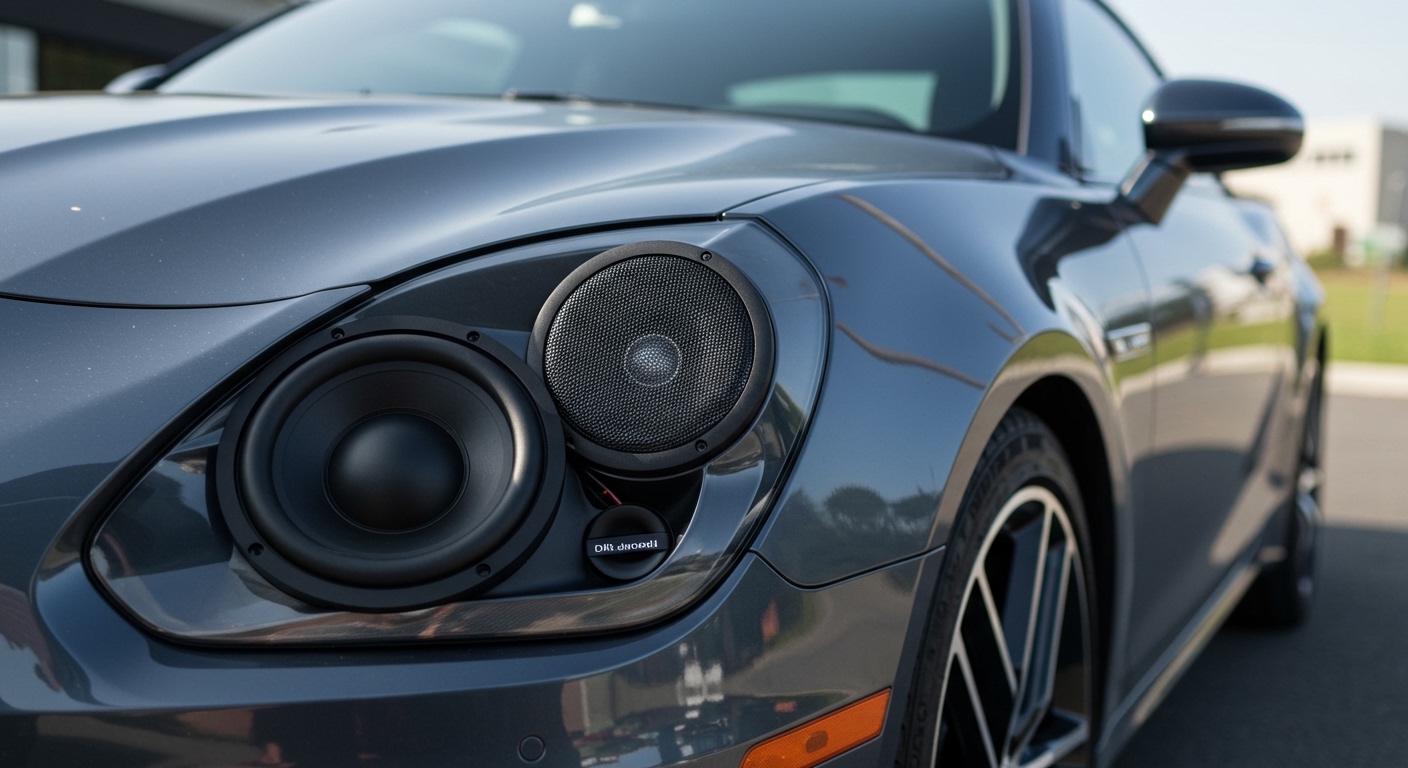
In our years of professional audio installation, we have seen countless DIYers try to force the wrong speaker into a tight door cavity. This usually leads to rattling door panels, broken window tracks, or damaged audio equipment. To get the perfect audio upgrade, you must match your vehicle’s specific physical and electrical constraints.
TL;DR / Key Takeaways:
- Size Variations: Cars use a wide range of speaker sizes, from 3.5-inch dash tweeters to massive 6×9-inch door woofers.
- Mounting Depth: Aftermarket speakers often have larger magnets. If they are too deep, they will block your car windows from rolling down.
- Impedance Matching: Factory amplifiers often run at 2-ohms or 3-ohms. Putting standard 4-ohm aftermarket speakers in without checking can ruin your volume output.
- Mounting Brackets: You will almost always need aftermarket speaker adapter brackets to fit circular speakers into factory cutouts.
- Wiring Harnesses: Never cut your factory wires. Always use a vehicle-specific wiring harness adapter for a plug-and-play installation.
The Physical Anatomy of Car Speaker Compatibility
When upgrading your sound system, physical space is your biggest enemy. Automakers design their doors, dashes, and rear decks to hold highly specific, lightweight factory speakers.
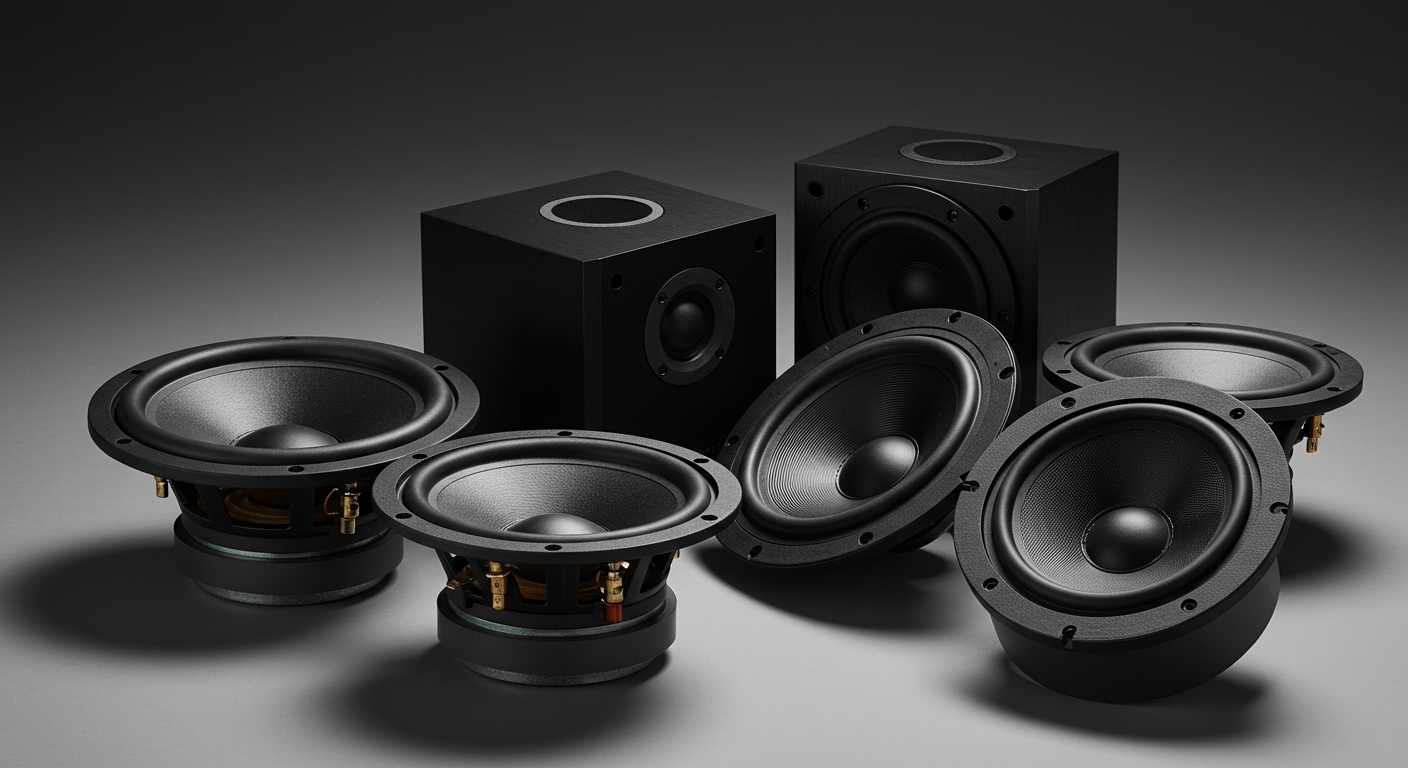
Aftermarket options, which feature heavier ferrite magnets and rigid polypropylene cones, take up far more space. Understanding the physical dimensions of a speaker is the first step to ensuring a proper fit.
Speaker Diameter and Cutout Size
The most obvious factor in speaker fitment is the overall diameter. You cannot fit a 6.5-inch speaker into a hole designed for a 5.25-inch speaker without cutting sheet metal.
However, even if two speakers share the same stated diameter, their cutout diameters may differ. The cutout diameter refers to the actual hole in your door frame where the speaker basket sits. Always compare the cutout requirements of your new speaker with the physical hole in your vehicle.
Top-Mount Depth vs. Bottom-Mount Depth
Mounting depth is the silent killer of DIY car audio installations. Top-mount depth measures how far the back of the speaker extends into the door cavity.
If this depth is too long, the speaker’s magnet will strike the glass window when you roll it down. Bottom-mount depth measures the distance from the mounting surface to the front of the speaker grille. If this is too long, you will not be able to snap your plastic interior door panel back into place.
The Role of Bolt Patterns
Factory car speakers rarely use a standard four-hole mounting pattern. Companies like Honda, Toyota, and General Motors often use proprietary three-hole brackets or clip-in designs.
Because aftermarket speakers use a universal ring of screw holes, they rarely line up directly with the metal in your car door. This is exactly why custom installation brackets are so essential.
Common Car Speaker Sizes and Where They Belong
To understand the sheer variety of audio components, we need to look at industry standards. While no single size is universal, there are several common profiles you will encounter.
Here is a breakdown of standard sizes and their typical locations in modern vehicles.
| Speaker Size | Typical Vehicle Location | Common Vehicle Brands Using This Size | Primary Audio Function |
|---|---|---|---|
| 3.5″ & 4″ | Dashboard, Upper Door, Pillars | BMW, Chrysler, Dodge | Highs and upper mid-range frequencies. |
| 5.25″ | Rear Doors, Kick Panels | Jeep, Older Honda, Ford | Mid-range frequencies, mild mid-bass. |
| 6.5″ & 6.75″ | Front Doors, Rear Doors | Honda, Toyota, Nissan, GM | Excellent mid-bass and overall full-range sound. |
| 6×8″ & 5×7″ | Front Doors, Rear Deck | Ford, Mazda | Oval design provides more bass without cutting doors. |
| 6×9″ | Rear Deck, Large Front Doors | Dodge, Chrysler, Toyota | Deepest bass response for standard cabin speakers. |
Since the Answer to “Do All Car Speakers Fit All Cars” is No, How Do You Find the Right Fit?
Now that we know speakers are not universal, you need a reliable method to find the right components for your vehicle. Guessing or eyeballing sizes is a guaranteed way to waste time and money.
Follow this exact step-by-step process we use in our shop to ensure a flawless installation every single time.
Step 1: Utilize an Online Vehicle Fitment Tool
The easiest way to check compatibility is to rely on massive databases compiled by car audio retailers. Websites like Crutchfield or Sonic Electronix offer highly accurate “Outfit My Car” tools.
You simply input your vehicle’s make, model, year, and trim level. The database will immediately filter out any speakers that do not meet your vehicle’s exact diameter and depth constraints.
Step 2: Manually Measure the Cutout (For Older or Custom Cars)
If you drive a classic car, or your vehicle isn’t listed in online databases, you must measure the space yourself. First, use a panel removal tool to safely detach your interior door card without breaking the plastic retaining clips.
Once the factory speaker is exposed, use a tape measure to check the distance from screw hole to screw hole across the center. Next, roll your window all the way down and measure the distance from the mounting metal to the glass to determine your maximum mounting depth.
Step 3: Check for Factory Tweeters and Component Systems
Before buying new gear, determine if your car has a coaxial or component speaker system. If you see a small speaker grill near your side mirrors or on your dashboard, you likely have a component system.
Component systems separate the tweeter (highs) from the woofer (lows) for better sound staging. If you buy standard drop-in coaxial speakers for a car wired for components, your sound stage will suffer.
Step 4: Verify the Need for Mounting Adapters
Once you have selected a speaker size, you must determine how