[Your Article Content in Markdown — START directly with ## H2 headings]
Struggling to hear the crisp details in your favorite songs? If your current speakers make everything sound muddy or artificially boomy, you’re not alone. Many music lovers hit a wall with consumer-grade audio and start wondering about the gear professionals use. You’ve likely heard of studio monitors, but the big question remains: are monitor speakers good for listening to music, or are they just for creators?
The answer is a resounding yes. Monitor speakers are exceptional for listening to music if your goal is to hear your favorite tracks with absolute accuracy and clarity, exactly as the artist and producer intended them to sound in the studio. They are designed for one purpose: to reproduce sound without adding or subtracting anything. This guide will demystify studio monitors, explain how they differ from traditional Hi-Fi speakers, and walk you through setting them up for the ultimate listening experience.
Key Takeaways
- Ultimate Accuracy: Monitor speakers provide a “flat” frequency response, meaning they don’t artificially boost bass or treble. You hear the pure, uncolored sound of the recording.
- Revealing Detail: Their precise nature reveals subtle details, textures, and stereo placements in music that are often lost on consumer speakers.
- “Brutal Honesty”: This accuracy is a double-edged sword; they will expose flaws in poorly recorded or low-quality audio files.
- Setup is Crucial: Unlike regular speakers, monitors require specific placement (an equilateral triangle) to achieve their optimal performance.
- Built-in Amplification: Most studio monitors are “active,” meaning the amplifier is built-in, simplifying your setup and ensuring the components are perfectly matched.
What Makes Monitor Speakers Different from Regular Speakers?
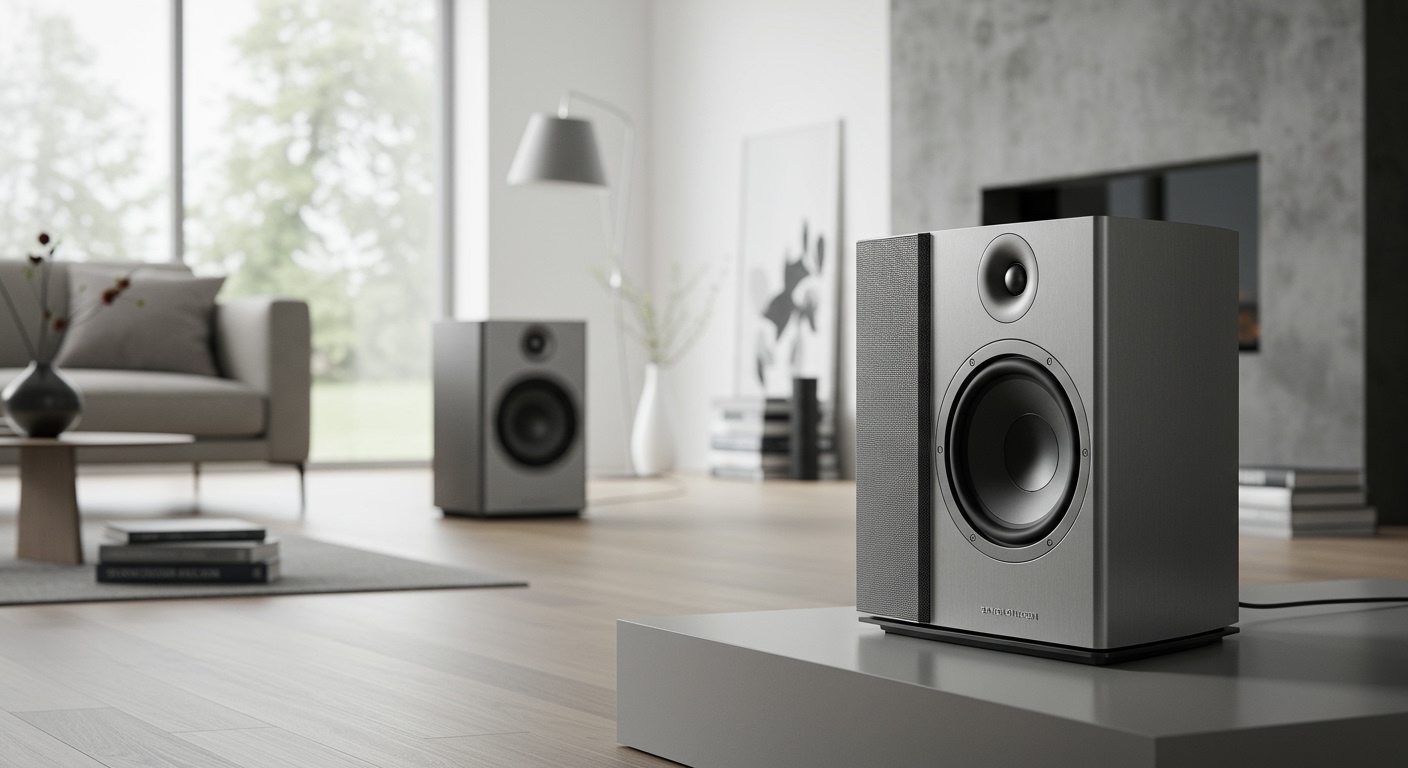
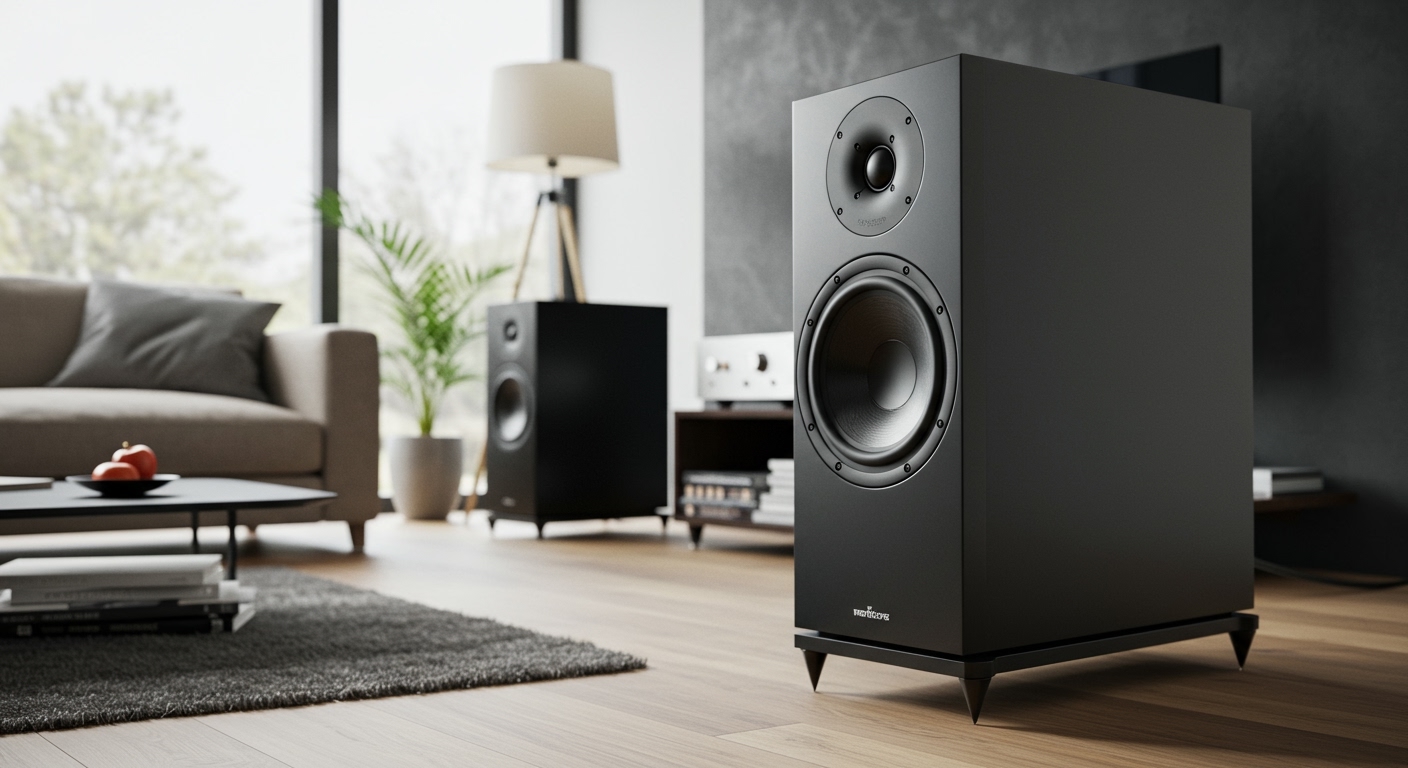
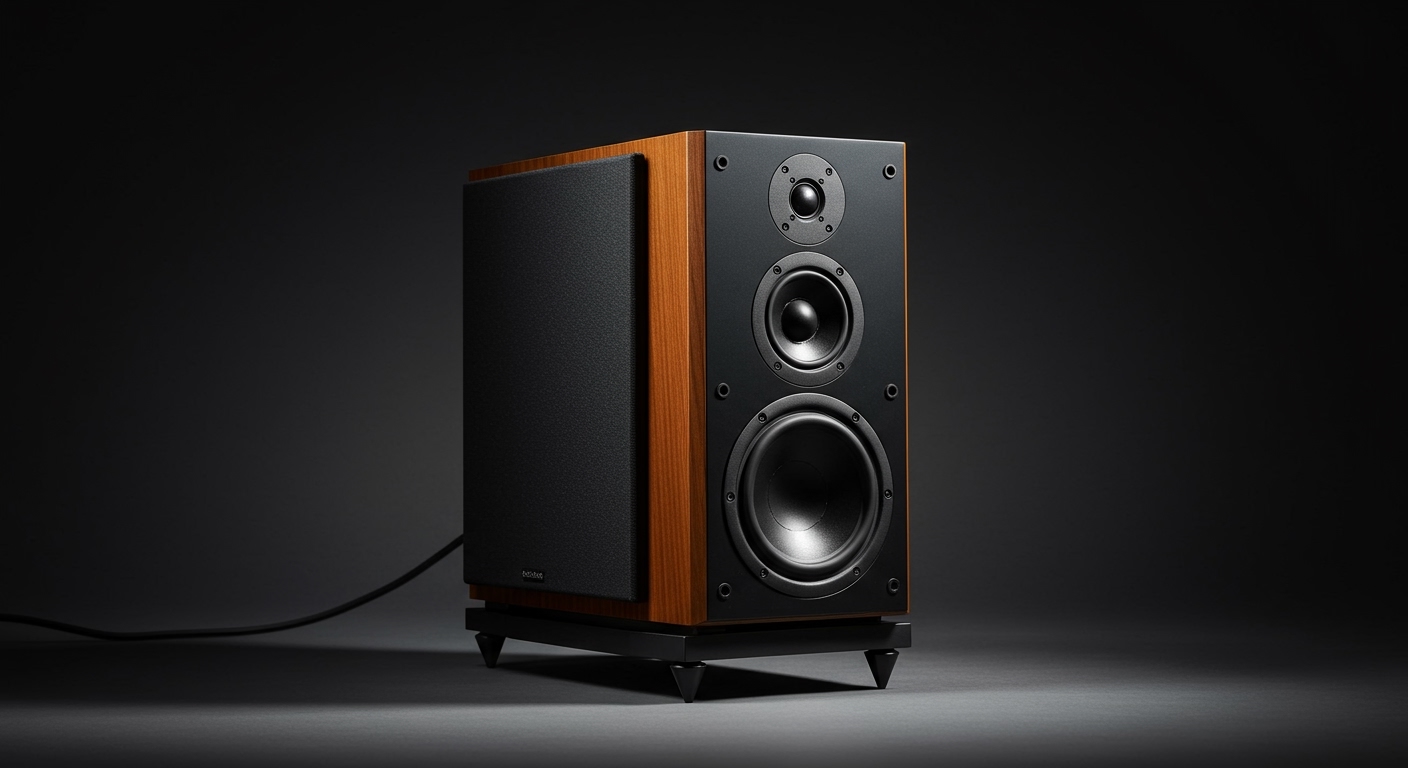
At first glance, a monitor speaker might look like any other bookshelf speaker, but their internal design philosophy is fundamentally different. It all comes down to their intended purpose: critical analysis versus casual enjoyment. I’ve spent years in both recording studios and home listening environments, and the distinction is night and day.
The Concept of a “Flat” Frequency Response
The single most important characteristic of a studio monitor is its flat frequency response. This is the holy grail for audio professionals and the primary reason monitor speakers are good for listening to music accurately.
- What it means: A speaker with a flat response reproduces all audible frequencies—from deep bass to sparkling highs—at a relatively equal volume. It doesn’t “color” the sound by emphasizing certain frequencies.
- The TV Analogy: Think of it like a television. A professional color-grading monitor is calibrated to show colors exactly as they are. A consumer TV often comes out of the box in “Vivid Mode,” which oversaturates colors to look more impressive. Studio monitors are the calibrated screen; Hi-Fi speakers are often in “Vivid Mode.”
This uncolored sound allows you to hear the music precisely as the mixing engineer heard it while making critical decisions about volume, panning, and effects.
Active vs. Passive Design
Another key difference is how they are powered.
- Studio Monitors (Usually Active): The vast majority of modern studio monitors are active. This means each speaker has its own built-in amplifier(s)