Can Heat Damage Speakers? The Short Answer is Yes
If you are wondering, can heat damage speakers, the answer is an absolute yes. Extreme temperatures can permanently warp speaker cones, melt vital adhesives, degrade rubber surrounds, and cause internal voice coils to burn out entirely.

Whether you left a portable Bluetooth speaker baking in direct sunlight, or your car audio system is trapped in a 150°F (65°C) vehicle cabin during the summer, thermal stress is an audio system’s worst enemy. As an audio technician with over a decade of experience repairing blown and melted equipment, I have seen first-hand how quickly environmental and internal heat can destroy expensive gear.
In this comprehensive guide, we will break down exactly how heat destroys audio equipment and provide a step-by-step system to protect your investment.
TL;DR / Key Takeaways
- Direct Sun is Deadly: UV rays and solar radiation dry out foam surrounds and warp plastic speaker cones.
- Adhesives Fail Fast: The glue holding your speaker’s voice coil to the cone can melt at temperatures as low as 140°F (60°C).
- Magnets Lose Power: Excessive heat can cause Neodymium magnets to permanently lose their magnetic charge.
- Internal vs. External Heat: Speakers generate their own heat; combining loud volumes with a hot environment guarantees thermal failure.
- Prevention is Simple: Use UV protectants, ensure proper amplifier ventilation, and never leave portable speakers in hot cars.
The Science: How Can Heat Damage Speakers?
To understand exactly how thermal damage occurs, we need to look at the anatomy of a loudspeaker. A speaker is not just a plastic box; it is a complex electromagnetic engine.
When an electrical audio signal passes through the voice coil, it creates a magnetic field that pushes and pulls against a permanent magnet. This movement creates sound waves. However, the laws of physics dictate that this process is highly inefficient. In fact, a staggering 95% to 99% of the electrical energy sent to a speaker is converted into heat, not sound.
When you combine this massive internal heat generation with extreme external weather, catastrophic failure is only a matter of time.
Voice Coil Burnout (Thermal Failure)**
The most common way speakers die is through voice coil failure. The voice coil is wrapped in fine copper or aluminum wire, coated in an insulating lacquer.
- When a speaker is overdriven or exposed to extreme ambient heat, this lacquer melts.
- Once the insulation melts, the internal wires short-circuit together.
- This drops the electrical resistance (impedance) to zero, immediately frying the speaker and potentially blowing your amplifier.
Adhesive and Glue Degradation**
Speakers are held together by specialized industrial glues. The spider (the suspension system), the surround, and the cone are all bonded using adhesives.
- In hot environments, particularly in car trunks during summer, these adhesives soften.
- As the speaker plays and vibrates vigorously, the softened glue gives way.
- The components separate, leading to a horrible rattling or “slapping” sound known as mechanical failure.
Demagnetization of Permanent Magnets**
Every speaker relies on a permanent magnet (usually Ferrite or Neodymium) to push the voice coil. Magnets have a thermal threshold known as the Curie temperature.
- Neodymium magnets are incredibly sensitive to heat.
- If they surpass temperatures of 176°F (80°C), they can begin to permanently lose their magnetic strength.
- A weaker magnet means your speaker will sound muddy, quiet, and lack punchy bass.
How Different Environments Pose Thermal Threats
Many people ask, can speakers be damaged by heat in everyday scenarios? The risk varies wildly depending on the type of speaker and where it lives. Let us break down the three most common environments where heat damage occurs.
Car Audio Systems: The Greenhouse Effect
Car speakers endure the most brutal temperature swings of any audio equipment. On a 90°F (32°C) summer day, the dashboard of a car can easily reach 160°F (71°C) within an hour.
- Dash Speakers: Direct sunlight through the windshield bakes the cones, causing plastics to become brittle and crack.
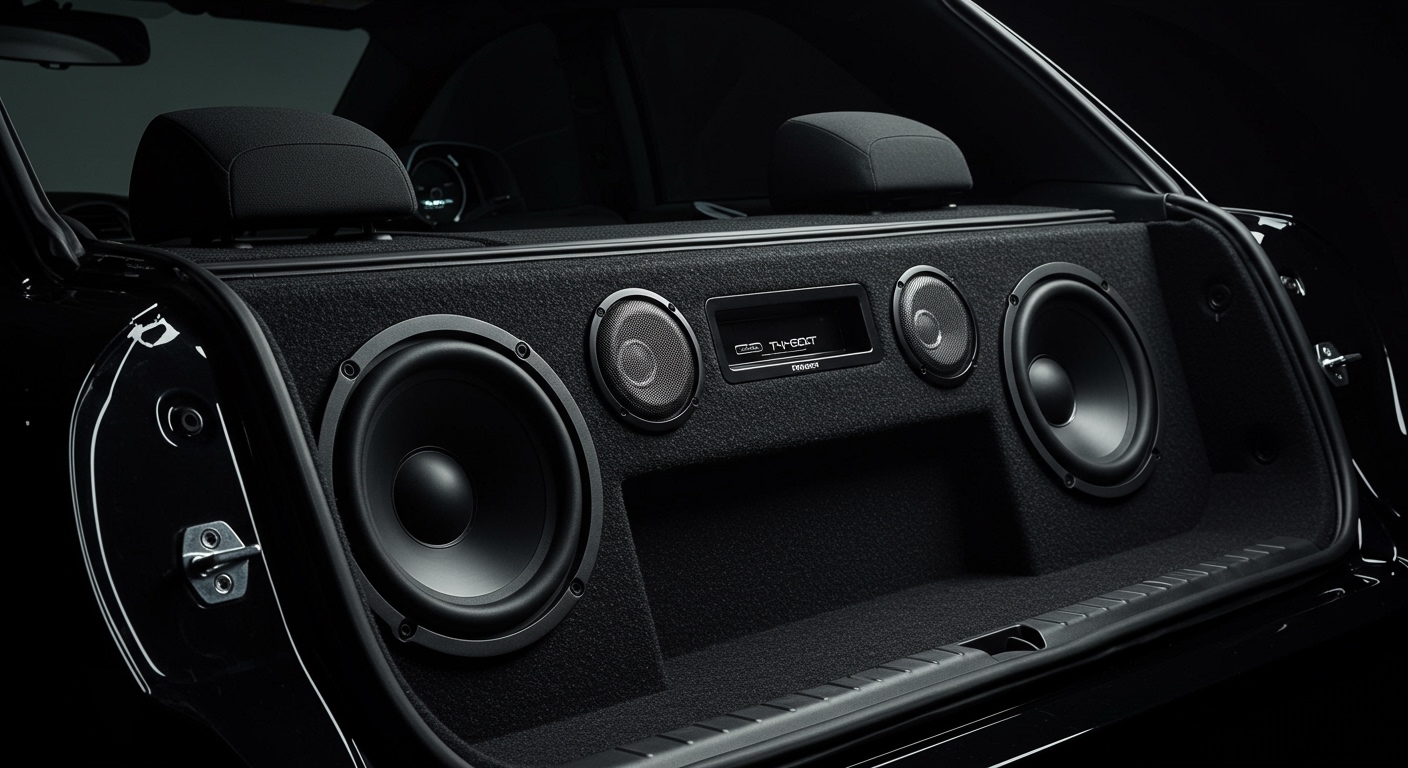
- Subwoofers in the Trunk: Trunks act like ovens. Subwoofers naturally generate massive heat. Trapped in an unventilated trunk, the voice coils cannot cool down, leading to rapid thermal failure.
Portable Bluetooth Speakers: Battery Dangers
Taking a portable speaker to the beach or the pool is a great time, but leaving it sitting on a hot towel is dangerous.
- Bluetooth speakers contain Lithium-ion batteries.
- These batteries degrade rapidly when exposed to temperatures over 113°F (45°C).
- Extreme heat can cause the battery to swell, which cracks the speaker casing from the inside out. In severe cases, thermal runaway can cause the battery to catch fire.
Home Theater and PA Systems: Amplifier Overheating
Indoor speakers are usually safe from the weather, but they fall victim to poor ventilation.
- If you cram your A/V Receiver or amplifier into a tight TV cabinet, the heat cannot escape.
- The amplifier overheats and begins sending a distorted, “clipped” signal to the speakers.
- This clipped signal forces the speaker’s voice coil to hold maximum voltage for too long, causing it to overheat and burn out almost instantly.
Material Vulnerability: Which Speaker Parts Fail First?
Not all speakers are created equal. The materials used in manufacturing dictate how well the unit will survive in a hot environment. Below is a breakdown of common speaker materials and their heat resistance.
| Speaker Component | Common Material | Heat Resistance Level | Primary Thermal Vulnerability |
|---|---|---|---|
| Speaker Cone | Treated Paper | Moderate | Can dry out and crack over time. |
| Speaker Cone | Polypropylene (Plastic) | Low to Moderate | Warps and loses shape in direct sunlight. |
| Speaker Cone | Kevlar / Carbon Fiber | Extremely High | Highly resistant to heat; used in premium gear. |
| Surround | Foam | Low | Rots and disintegrates rapidly in hot, humid conditions. |
| Surround | Butyl Rubber | High | Withstands high temps but can stiffen over decades. |
| Magnet | Neodymium | Low | Loses magnetic charge starting at 176°F (80°C). |
| Magnet | Ferrite / Ceramic | High | Retains magnetism well past 400°F (200°C). |
Step-by-Step Guide: How to Protect Speakers from Heat Damage
Prevention is always cheaper than replacing blown equipment. Based on my years of installing and repairing audio setups, here is an actionable, step-by-step system to ensure you never have to ask “can heat damage speakers” again.
Step 1: Strategically Shade Car and Outdoor Speakers
If you have speakers exposed to the elements, block the sun. Direct UV rays are worse than ambient heat.
- For Cars: Always use a reflective windshield sunshade when parking outdoors. Consider installing UV-blocking window tint (ceramic tint is highly effective at rejecting heat).
- For Boats/Outdoors: Buy marine-grade speakers that feature UV-resistant grilles and waterproof coatings. Keep them covered when not in use.
Step 2: Ensure Proper Amplifier Ventilation
Your amplifier is the heart of your system. If it overheats, it will destroy your speakers via clipped signals.
- For Home Theaters: Never stack equipment directly on top of your A/V receiver. Leave at least 3 to 4 inches of open space above the vents.
- For Car Audio: Do not bury your subwoofer amplifier under thick carpeting or pile luggage on top of it. Mount amplifiers on racks or use cooling fans to ensure constant airflow.
Step 3: Condition and Protect Speaker Surrounds
Just like human skin, speaker surrounds need moisture and protection to survive harsh climates.
- Inspect your speaker surrounds (the flexible ring around the cone) annually.
- For rubber surrounds, apply a light coat of a specialized rubber conditioner or 303 Aerospace Protectant.
- This prevents the rubber from drying out, cracking, and tearing during high-excursion bass notes.
Step 4: Manage Your Volume Levels in the Heat
Because speakers generate internal heat, you must compensate when the external temperature is high.
- If you are driving a hot car, do not instantly crank the volume to maximum.
- Allow the vehicle’s air conditioning to cool the cabin down first.
- Lowering the volume by just 10% to 15% drastically reduces the amount of thermal energy the voice coil has to dissipate.
Identifying the Warning Signs of Heat Damage
How do you know if the damage is already done? Heat damage rarely happens instantly; it usually builds up over time. If you notice any of these symptoms, power down your system immediately.
- The Smell of Burning Electronics: This is the most obvious sign. If your speakers emit an acrid, metallic, or burning plastic smell, the voice coil lacquer is melting.
- Scratchy, Distorted Audio: Gently press the speaker cone inward with your fingers (spread your fingers evenly around the dust cap). If you hear or feel a scratchy, scraping sensation, the voice coil has warped from heat and is rubbing against the magnet.
- Visual Warping: Take the speaker grille off. If the plastic cone looks wavy, melted, or asymmetrical, the ambient heat has deformed the structural integrity