Can Speakers Freeze? The Ultimate Guide to Cold Weather Audio Care
That sinking feeling when you realize you left your expensive speakers in the car overnight during a deep freeze is all too common. You start to wonder, can speakers freeze and is my audio gear permanently ruined? The short answer is yes, freezing temperatures can severely damage your speakers, but not in the way you might think. The real danger isn’t the speaker turning into a block of ice, but rather the materials becoming brittle and the destructive effects of condensation when they thaw.
As an audio technician with over a decade of experience repairing gear that’s seen the worst of winter, I’ve learned that prevention and patience are your best tools. The most critical damage doesn’t happen when the speaker is sitting frozen, but when you try to use it too soon or warm it up improperly. This guide will walk you through exactly what happens to your speakers in the cold and the step-by-step process to safely recover them.
Key Takeaways: Protecting Speakers from Cold
- Yes, speakers can be damaged by freezing temperatures. The primary risks are from materials like rubber and foam surrounds becoming brittle and cracking when used.
- Condensation is the silent killer. When a cold speaker is brought into a warm room, moisture forms on its internal components, which can cause short circuits in active speakers and corrosion on voice coils.
- Never play a frozen speaker. This is the fastest way to cause permanent physical damage. The stiff, brittle components can’t flex and will likely tear or shatter.
- Acclimation is crucial. Always allow speakers that have been in the cold to sit at room temperature for at least 12-24 hours before powering them on or playing audio.
- Car speakers are more resilient but not immune. While built for a wider temperature range, can car speakers freeze and get damaged? Absolutely. Always warm up your vehicle and start audio at a low volume.
- The issue of “can bad speakers freeze computer” is a software or electrical problem, not a thermal one. It’s typically caused by faulty drivers or a short circuit, and has nothing to do with the ambient temperature.
How Freezing Temperatures Actually Damage Your Speakers
To understand how to protect your speakers, it’s important to know what’s happening on a microscopic level when the temperature drops. A speaker is a complex assembly of different materials—metal, paper, rubber, plastic, and adhesives—that all react to cold in different ways.
The Science of Cold on Speaker Components
When a speaker gets cold, several things happen simultaneously that create a perfect storm for damage.
- Material Contraction and Brittleness:
* The Surround: This is the flexible ring (usually foam or rubber) connecting the speaker cone to the basket. In the cold, it loses its elasticity and becomes stiff and brittle. Think of it like a rubber band left in a freezer—if you try to stretch it, it will snap instead of flexing.
* The Cone (Diaphragm): The cone, which moves to create sound, also becomes much stiffer. Paper cones are particularly vulnerable as they can absorb tiny amounts of ambient moisture, which then freezes and can weaken the paper’s fibers.
* Adhesives: The specialized glues holding the voice coil, cone, and surround together can also become brittle, potentially leading to component separation under stress.
- The Critical Mistake: Playing Music While Frozen
This is the moment most damage occurs. When you send an audio signal to a frozen speaker, the voice coil tries to move the cone back and forth rapidly. However, the surround and cone are too stiff to move correctly.
* The brittle surround can crack or tear completely away from the cone or basket.
* The cone itself can fracture.
* The voice coil, unable to move as intended, can overheat or even scrape against the magnet assembly, causing irreparable damage.
- The Thawing Process: Danger of Condensation
Even if you avoid playing the speaker while it’s frozen, you’re not out of the woods. When you bring a very cold object into a warmer, more humid room, condensation immediately forms on its surfaces.
* Moisture will bead up on the metal magnet structure, terminals, and the fine wire of the voice coil.
* For active speakers (with built-in amplifiers), this condensation can form on circuit boards, leading to short circuits when you power them on.
* Over time, this moisture can cause corrosion on speaker terminals and degrade the voice coil, leading to fuzzy, distorted sound or total failure.
Can Car Speakers Freeze? A Special Case
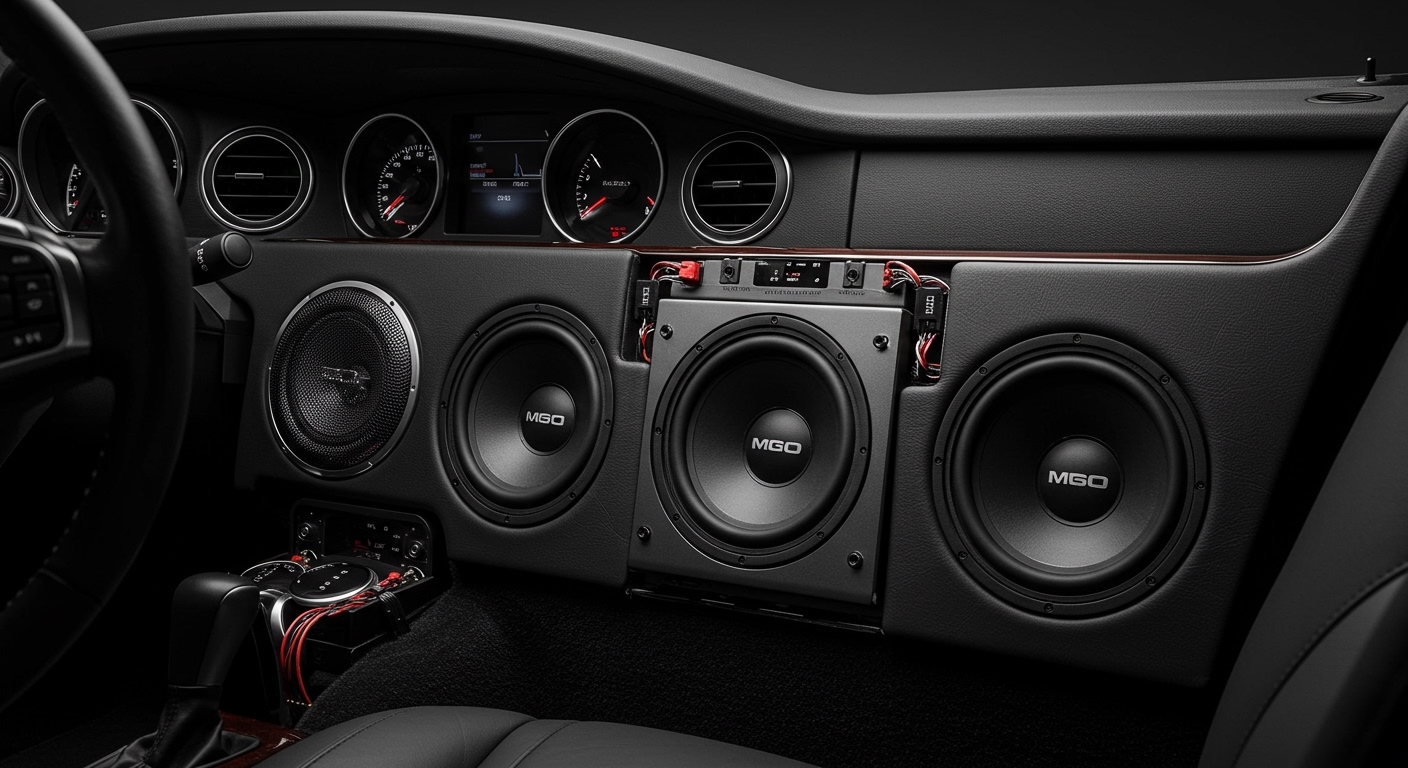
Your car is one of the harshest environments for any electronic device, with temperatures swinging from scorching hot to well below freezing. The question “can car speakers freeze” is a valid concern for any car audio enthusiast.
Manufacturers know this, so speakers designed for automotive use are generally more robust than their home audio counterparts.
- Materials: They often use polypropylene cones and butyl rubber surrounds, which are far more resistant to temperature extremes and moisture than the paper cones and foam surrounds found in some home speakers.
- Construction: The adhesives and overall build quality are designed to handle the vibrations and temperature fluctuations of a vehicle.
However, they are not invincible. In a severe cold snap (well below 0°F / -18°C), even rugged car speakers can become brittle. The same rules apply: the real damage happens when you try to blast music through them while they are still frozen solid.
My Personal Experience with Frozen Car Audio
I once made the mistake of trying to show off a new subwoofer I had installed in my trunk during a particularly cold winter morning. The temperature was around 10°F (-12°C). I turned up a bass-heavy track, and instead of a deep boom, I heard a sickening thwack followed by a rattling sound. I had completely shattered the brittle rubber surround. It was an expensive lesson in patience.
Actionable Advice for Car Audio in Winter:
- Warm Up the Car First: Let your car’s heater run for 5-10 minutes to bring the cabin temperature up before you turn on the stereo.
- Start at Low Volume: Once you do turn it on, keep the volume very low for the first few minutes of your drive. This allows the mechanical parts of the speaker to warm up gradually through their own movement without putting them under extreme stress.
- Avoid Max Volume in Extreme Cold: Even after warming up, be mindful that the speakers may not be performing at their peak in very cold