Yes, can you use any subwoofer with speakers? The short answer is yes, you can generally use almost any powered subwoofer with any set of speakers, provided your AV receiver or amplifier has the correct output connections (like an LFE or RCA Sub-Out). However, simply plugging them in doesn’t guarantee great sound; you must manually match the crossover frequencies and volume levels so the bass seamlessly blends with your main speakers.
If you have ever suffered through muddy, overpowering bass or a weak, disconnected low-end, you already know the pain of a poorly matched system. Over my 15 years of building custom home theaters and live sound rigs, I have learned that the secret isn’t necessarily matching brands. It all comes down to connectivity, proper placement, and precise acoustic tuning.
Here is everything you need to know about pairing different subwoofers and speakers for the perfect audio experience.
TL;DR: Key Takeaways
- Connectivity is King: As long as your amplifier has a dedicated Subwoofer Output (RCA/LFE) or your subwoofer has High-Level (Speaker Wire) inputs, you can mix and match brands.
- Active vs. Passive: Ensure you know whether your subwoofer is Active (has a built-in amplifier) or Passive (needs an external amplifier). 95% of home audio subs are active.
- The Crossover Matters: You must set a crossover point (usually around 80 Hz) so your main speakers handle the mids/highs, and the subwoofer handles the deep bass.
- Brand Matching is a Myth: You do not need to buy the same brand of subwoofer as your speakers. In fact, specialized subwoofer brands like SVS, REL, or HSU Research often perform better than standard speaker brands.
- PA Systems Differ: Live sound setups require stricter attention to built-in DSP (Digital Signal Processing) and external crossovers to protect the gear.

The Core Question: Can You Use Any Subwoofer With Speakers?
When audio enthusiasts ask can you use any subwoofer with speakers, they are usually worried about brand synergy or blowing out their equipment. You absolutely can mix brands without damaging your gear. A subwoofer’s only job is to reproduce low-frequency effects (LFE), typically anything below 120 Hz.
Because low frequencies are omnidirectional, human ears cannot easily localize where the bass is coming from. This means the “timbre” or “voice” of the subwoofer does not need to perfectly match the tonal signature of your main bookshelf or tower speakers. You can pair a bright-sounding Klipsch speaker with a deep, rumbling SVS subwoofer, and they will sound incredible together.
The only real barrier to using any subwoofer with any speaker is how your equipment physically connects. You must ensure your power source (the amp) can send the correct audio signal to the bass unit.
Active Subwoofers vs. Passive Subwoofers
To understand compatibility, you must know what type of equipment you own. Active subwoofers have their own internal amplifiers built right into the cabinet. They only need an audio signal from your receiver and a standard wall outlet for power.
Passive subwoofers, on the other hand, do not have a built-in amp. They require an external amplifier to push power through standard speaker wire to move the heavy bass driver. Most modern home theater subwoofers are active, while passive subwoofers are usually found in custom in-wall installations or cheap “Home Theater in a Box” systems.
Understanding Compatibility: Can I Use Any Speakers With Subwoofers?
People often flip the question and ask, can i use any speakers with subwoofers? Yes, you can pair massive floor-standing tower speakers or tiny desktop satellite speakers with a subwoofer. The size of your speakers simply dictates how you configure the system’s “brain” (the AV receiver).
If you are using small satellite speakers (like the Cambridge Audio Minx), they cannot produce mid-bass. You will need to rely heavily on the subwoofer to cover a wider range of frequencies, sometimes up to 150 Hz.
If you are using large tower speakers (like the KEF Q950), they already produce great bass. In this case, the subwoofer only steps in for the ultra-low, cinematic rumbles (sub-bass below 40 Hz).
The Three Main Connection Types
To successfully pair unmatched speakers and subs, you need to use one of three connection methods. Here is a breakdown of how they work:
| Connection Type | How It Works | Best Use Case | Equipment Required |
|---|---|---|---|
| LFE / RCA Pre-Out | Sends an unamplified, low-frequency signal from the receiver directly to the active subwoofer. | Modern Home Theaters (5.1, 7.1, Dolby Atmos) | AV Receiver with a “Sub Out” port, RCA Cable. |
| High-Level (Speaker Level) | Runs standard speaker wire from the amp to the sub, then out to the speakers. The sub siphons off the bass signal. | Vintage stereo receivers with no dedicated subwoofer output. | Stereo Amp, Subwoofer with High-Level Input/Output clips. |
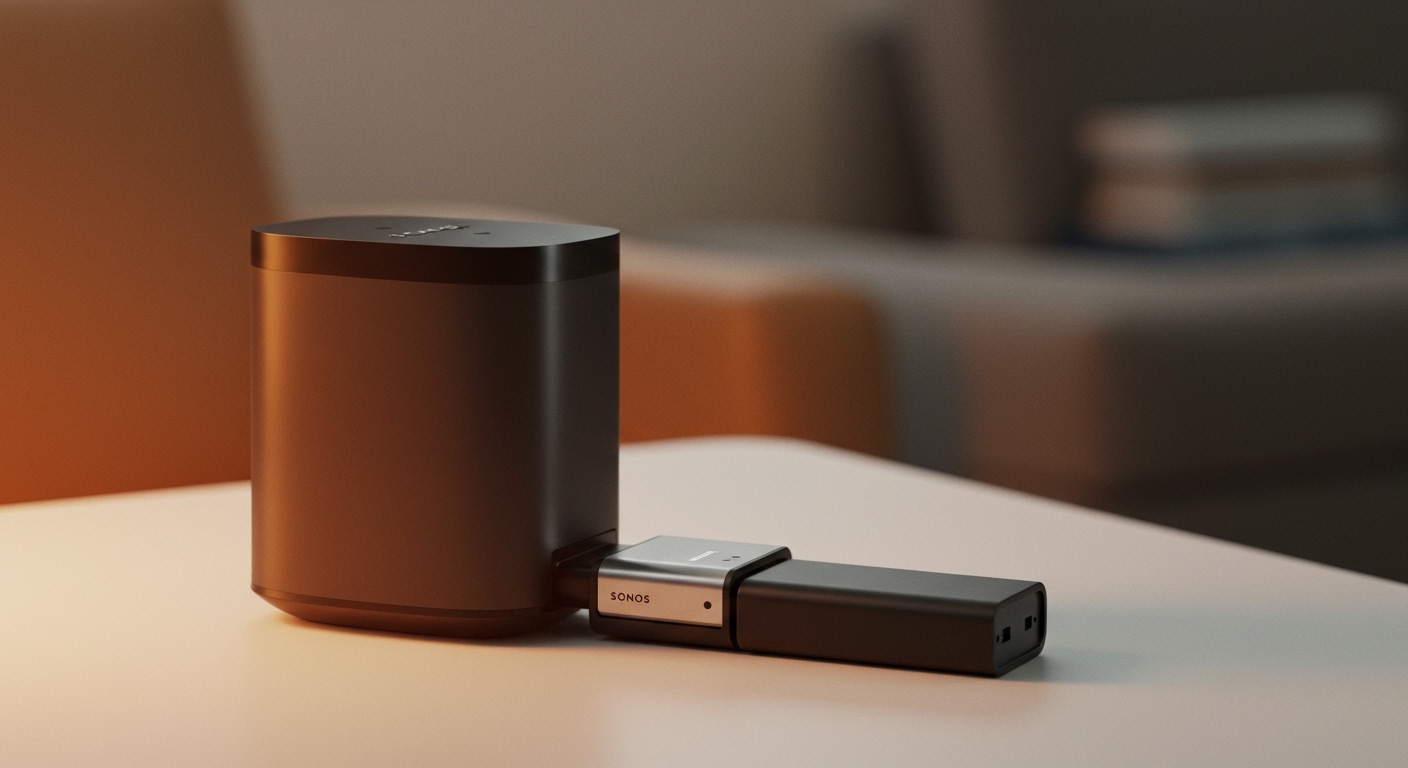
| Wireless Transmitter | Uses a 2.4GHz wireless dongle connected to the receiver’s Sub-Out to beam the signal to the subwoofer. | Clean living rooms where running long cables is impossible. | Wireless Subwoofer Kit (e.g., SVS SoundPath). |
PA Systems vs. Home Audio: Can I Use Any PA Speakers With Any Subwoofers?
Moving out of the living room and onto the stage, musicians and DJs frequently ask, can i use any pa speakers with any subwoofers? The answer is yes, but the rules of live audio are much stricter than home theater.
In live sound (Public Address systems), playing music at 100+ decibels creates massive stress on speaker cones. If you send full-range audio (including deep bass) to a 10-inch PA top speaker, it will distort or blow the woofer. Therefore, you must use an active Crossover Network or Loudspeaker Management System (like the DriveRack PA2).
Matching Active PA Gear
Most modern DJ setups use active PA speakers and active PA subwoofers (e.g., QSC K12.2 tops with a KS118 subwoofer). To pair any brand together, you simply run an XLR cable from your mixing board into the Subwoofer.
The active subwoofer usually has a built-in DSP crossover. It keeps the bass frequencies for itself and passes the mid/high frequencies out through another XLR output, which you then run to your PA top speakers. As long as your top speakers and subwoofers both have standard balanced XLR connections, you can mix a Yamaha sub with JBL tops flawlessly.
Matching Passive PA Gear
If you are using passive PA gear, you must rely on external rack-mounted amplifiers. In this scenario, you absolutely must match the RMS Wattage and Ohms (Impedance) of the subwoofer to the amplifier channel driving it. Failing to match the impedance (usually 4 Ohms or 8 Ohms) can cause the amplifier to overheat and fail mid-performance.
Exploring the Details: Can You Pair Any Subwoofr With Speakers Successfully?
Even if we excuse the common typo when people search can you pair any subwoofr with speakers, the core intent remains the same: how do we make them sound good together? Simply plugging them in is only 10% of the job.
The other 90% is acoustic tuning. Bass frequencies are notorious for bouncing around rooms, causing “standing waves.” This happens when bass waves crash into each other, creating “nulls” (dead spots with no bass) and “peaks” (boomy, rattling spots).
To make any subwoofer work with any set of speakers, you have to align them acoustically. This means addressing Crossovers, Placement, and Phase.
Step-by-Step Guide: How to Connect and Tune Your Subwoofer to Any Speakers
Over the years, I have tested dozens of mismatched audio setups. Whether I am connecting an ultra-premium MartinLogan sub to budget Sony bookshelf speakers, I always follow this exact 5-step process.
Step 1: Physical Connection and Power
First, identify your connection path. If you have an AV receiver, locate the RCA jack labeled Subwoofer Pre-Out or LFE. Connect a high-quality, shielded RCA cable from this port to the LFE Input on the back of your subwoofer.
If your stereo receiver does not have a subwoofer output, you must use Speaker-Level inputs. Run standard copper speaker wire from the amplifier’s left and right speaker terminals directly into the subwoofer’s “High-Level In” terminals.
Step 2: The “Subwoofer Crawl” (Crucial for Placement)
Do not just shove the subwoofer into an empty corner. Corner placement increases overall volume but often results in muddy, indistinct bass. Instead, perform the Subwoofer Crawl, an industry-standard acoustic trick.
Place the subwoofer directly in your primary seating position (literally right on the couch). Play a bass-heavy track (I highly recommend “Limit to Your Love” by James Blake). Now, literally crawl around the perimeter of your room on your hands and knees.
Listen closely to the bass. You will notice it sounds punchy and tight in some spots, and totally hollow in others. Find the spot on the floor where the bass sounds the tightest