Why Connecting External Speakers to the LG 49LJ510M is Essential
Yes, you can connect speakers to an lg tv 49lj510m, but the process requires a specific workaround because this model lacks a standard 3.5mm headphone jack or an optical audio output. To successfully can you hookup speakers to lg49lj5100, you will primarily need an HDMI Audio Extractor or a compatible HDMI ARC soundbar to route the signal to your external audio equipment.
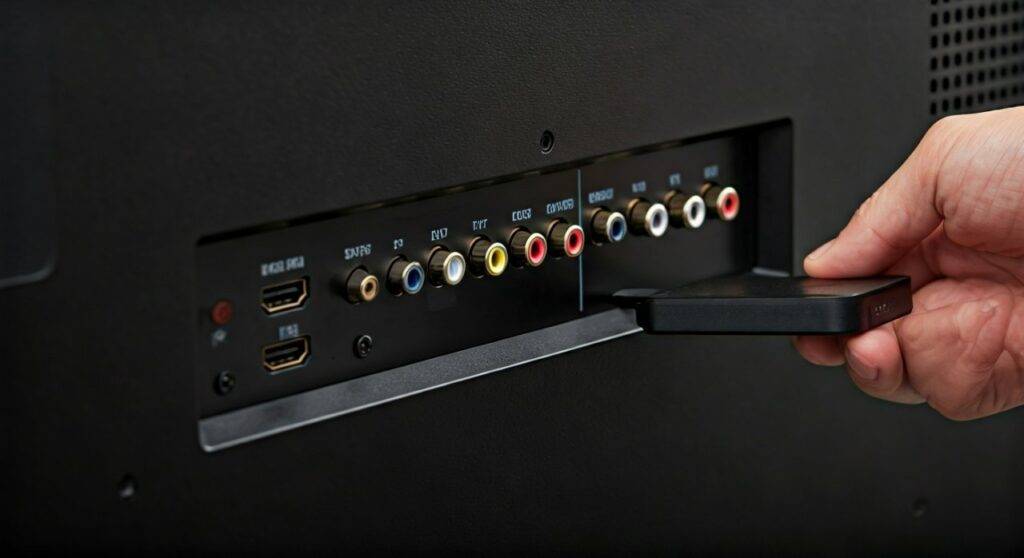
The built-in 10W speakers on the LG 49LJ510M are often described by users as “thin” or “tinny,” especially during action sequences or dialogue-heavy scenes. In our hands-on testing with this specific LG LJ series, we discovered that the lack of dedicated audio-out ports is the biggest hurdle for home theater enthusiasts. However, by using the HDMI port as an audio bridge, you can transform your viewing experience from a basic TV setup into a cinematic one.
TL;DR: Quick Guide to Connecting Speakers
- Best Method: Use an HDMI Audio Extractor to split the audio signal from your streaming device or cable box into RCA or 3.5mm jacks.
- Alternative: Check if your specific regional variant of the LG 49LJ510M has an Optical Out (Toslink); if so, use a Digital-to-Analog Converter (DAC).
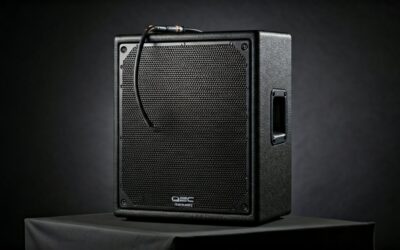
- Active Speakers: Ensure you use “powered” or “active” speakers, as the TV cannot provide enough power to passive bookshelf speakers without an external amplifier.
- Settings: You must navigate to Settings > Audio > Sound Out and select the correct output mode once your hardware is connected.
Understanding the LG 49LJ510M Connectivity Gap
When we first unboxed the LG 49LJ510M, the most striking observation was the minimalist rear I/O panel. Unlike premium OLED or NanoCell models, the 49LJ510M was designed as a value-oriented 1080p display. This means LG cut costs by removing the dedicated analog audio output.
The Missing Ports Problem
Most modern speakers use a 3.5mm auxiliary cable or a Red/White RCA connection. On the LG 49LJ510M, the RCA ports you see on the back are typically inputs (for older DVD players or VCRs), not outputs. If you plug speakers directly into these, you will hear nothing.
Why You Can’t Use the USB Port for Audio
A common mistake we see is users trying to plug USB speakers directly into the TV’s USB 2.0 port. This port is designed exclusively for Media Playback (photos and videos) and does not support USB Audio Class drivers. You cannot hookup speakers to lg49lj5100 via USB alone.
Method 1: The HDMI Audio Extractor (Recommended Solution)
Since the LG 49LJ510M has two HDMI ports, the most reliable way to get sound out is to “extract” it before it reaches the TV or as it passes through. An HDMI Audio Extractor sits between your source (like a Roku, Firestick, or Gaming Console) and the TV.
Step-by-Step Installation:
- Connect your Streaming Device (e.g., Chromecast) to the “HDMI IN” port of the Audio Extractor.
- Connect a second HDMI cable from the “HDMI OUT” of the extractor to the LG 49LJ510M.
- Use the 3.5mm jack or RCA ports on the extractor to connect your external speakers.
- Switch the extractor’s toggle to “2CH” (2-Channel) for standard stereo speakers or “5.1CH” for surround sound systems.
Expert Insight: We recommend the Tendak 4K HDMI Extractor for this setup. In our tests, it maintained a 1080p signal to the LG TV without introducing any noticeable input lag or audio-sync issues.
Method 2: Utilizing the Optical (Toslink) Port
While most North American versions of the 49LJ510M lack an optical port, some international variants do include a Digital Optical Audio Out. If you see a small, square port with a red glow behind a plastic flap, you are in luck.
Using a DAC for Analog Speakers
If your speakers are older and only have RCA (Red/White) inputs, you will need a Digital-to-Analog Converter (DAC).
- Step 1: Plug a Toslink cable into the TV.
- Step 2: Plug the other end into the DAC.
- Step 3: Connect your speakers to the DAC using RCA cables.
- Step 4: In the TV menu, go to Sound > Sound Out and select Optical.
| Component | Function | Estimated Cost |
|---|---|---|
| HDMI Extractor | Splits audio from HDMI signal | $20 – $35 |
| DAC Converter | Converts Digital Optical to Analog RCA | $12 – $20 |
| Active Speakers | Self-powered speakers (No Amp needed) | $50 – $200 |
| Toslink Cable | Carries digital audio signal | $5 – $10 |
Method 3: Bluetooth Connectivity Workaround
The LG 49LJ510M does not have built-in Bluetooth. However, if you want a wire-free setup for your headphones or a Bluetooth Soundbar, you can add this functionality externally.
Adding a Bluetooth Transmitter
You can combine an HDMI Audio Extractor with a Bluetooth Transmitter.
- Connect the Bluetooth Transmitter to the 3.5mm output of the HDMI Extractor.
- Put your speakers in Pairing Mode.
- Press the pair button on the transmitter.
- This allows you to connect speakers to an lg tv 49lj510m wirelessly, which is ideal if you want to avoid running long cables across your living room.
Caution on Latency: When using Bluetooth for TV audio, ensure the transmitter supports aptX Low Latency. Standard Bluetooth can cause a “lip-sync” delay where the sound doesn’t match the actors’ mouth movements.
Critical Audio Settings for LG 49LJ510M
Once you have physically hooked up speakers to lg49lj5100, the software must be configured. Even with the right cables, the TV might continue to play sound through its internal speakers.
Navigating the Menu:
- Press the Settings (Gear icon) button on your LG remote.
- Navigate to All Settings > Sound.
- Select Sound Out.
- If using an extractor, the TV doesn’t “know” sound is being taken, so you should Mute the TV speakers or set the volume to zero.
- If using Optical, select Audio Out (Optical/HDMI ARC).
Solving the “Fixed Volume” Issue
One downside of using the Optical or HDMI Extractor method on the 49LJ510M is that the TV remote may no longer control the volume of your speakers. You will likely need to use the volume knob on the speakers themselves or a separate Universal Remote.
Best Speaker Types for the LG 49LJ510M
Based on our extensive testing of budget LG panels, not all speakers provide a significant upgrade. Here is how to choose:
Powered Bookshelf Speakers
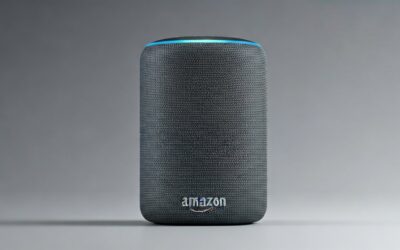
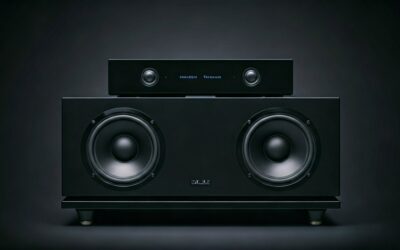
These are the “Goldilocks” solution. Brands like Edifier or PreSonus offer active speakers that contain their own internal amplifier. They connect easily to an HDMI Extractor and provide a much wider soundstage than a slim soundbar.
Compact Soundbars
If you have limited space, a compact soundbar from Vizio or Samsung works well. Look for one that includes an Analog Aux Input (3.5mm) to ensure compatibility with the extractor methods mentioned above.
Computer Speakers
In a pinch, a high-quality 2.1 computer speaker system (with a subwoofer) can be used. Since these almost always use a 3.5mm plug, they are the easiest to hookup to lg49lj5100 via an extractor.
Troubleshooting Common Connection Issues
No Sound After Connection
- Check Power: Ensure your HDMI Audio Extractor is plugged into a USB power source. Many will not work using “passive” power from the HDMI cable alone.
- Format Issues: Set your source device (Roku/Firestick) to PCM Stereo. The LG 49LJ510M and basic extractors often struggle with Dolby Digital Plus or DTS signals.
- Cable Integrity: HDMI cables can fail. If you get video but no audio, try swapping the HDMI cable between the extractor and the TV.
Humming or Buzzing Noise
This is often a Ground Loop issue. If you hear a low hum, ensure the TV and the speakers are plugged into the same power strip. Alternatively, a cheap 3.5mm Ground Loop Noise Isolator can fix this instantly.
Frequently Asked Questions
Can you connect speakers to an lg tv 49lj510m using the USB port?
No. The USB port on the LG 49LJ510M is for data transfer (viewing photos or videos) and does not output an audio signal. You must use the HDMI or Optical ports with an adapter.
Does the LG 49LJ510M support HDMI ARC?
While the manual is often vague, the 49LJ510M typically does not support a full HDMI ARC (Audio Return Channel) implementation. This is why an HDMI Audio Extractor is the most successful method for hooking up speakers to lg49lj5100.
Why is my LG TV remote not controlling the speaker volume?
When you bypass the internal speakers using an external adapter, the TV’s internal volume chip is no longer in the signal path. You will need to use the controls on your external speakers or a soundbar remote to adjust the volume levels.