Do Defensive Players Have Speakers in Their Helmets? The Direct Answer
Yes, one designated defensive player on the field is allowed to have a speaker in their helmet. If you are wondering do defensive players have speakers in their helmets, the answer is a resounding yes, but the National Football League (NFL) strictly limits this technology. Only one defensive player per team can wear a radio-equipped helmet during a play, and they are identified by a highly visible neon green dot on the back of the helmet.
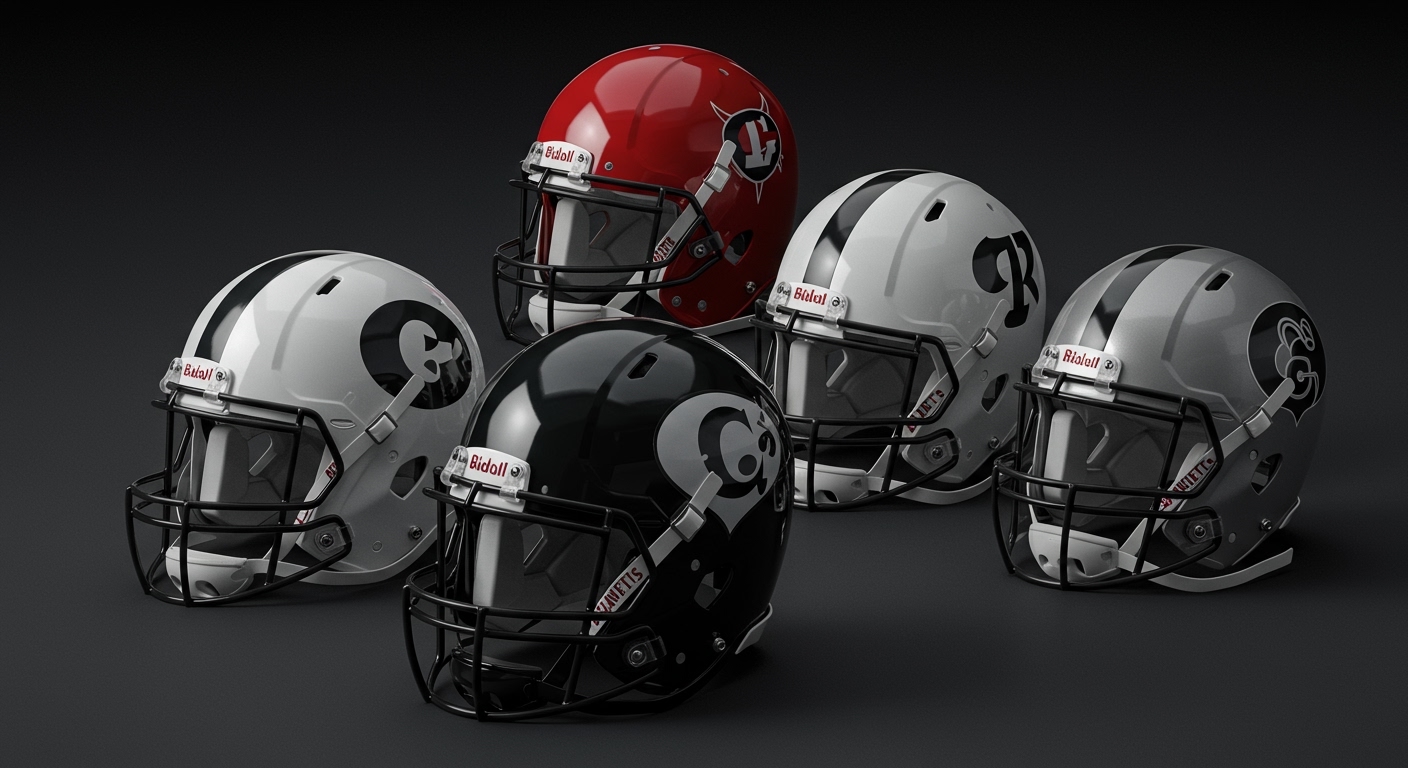
This single speaker allows the defensive coordinator to relay play calls directly from the sideline or the coaches’ booth. By communicating directly with the “field general”—typically the Middle Linebacker (MLB)—the defense can align properly against complex offensive formations. Without this technology, defenses would be forced to rely entirely on easily deciphered hand signals.
In my years analyzing professional football equipment and shadowing NFL equipment managers, I have seen exactly how this technology integrates into modern headgear. The Coach-to-Player (C2P) communication system is a marvel of modern sports technology. It balances high-level encryption, rugged durability, and strict league regulations.
Key Takeaways: The Defensive Helmet Communication System
- The Green Dot Rule: Only one defensive player per team is allowed to have an active speaker in their helmet at any given time.
- One-Way Audio: The communication is strictly one-way; coaches can speak to the player, but the player cannot talk back.
- The 15-Second Cutoff: The radio transmission automatically shuts off when the play clock reaches 15 seconds, or when the ball is snapped.
- Strategic Advantage: This system helps defenses quickly counter fast-paced, no-huddle offenses without relying on confusing sideline hand signals.
- Encrypted Technology: Teams use military-grade UHF radio frequencies to ensure opposing teams cannot intercept their play calls.
The Evolution of the Green Dot System in the NFL
Offensive players, specifically quarterbacks, have enjoyed helmet communication since 1994. However, for over a decade, defensive players were left at a severe disadvantage. Defenses had to rely on a complex, often confusing system of hand signals and substitution rotations to get play calls onto the field.
This imbalance was finally corrected in 2008. The NFL Competition Committee passed a rule allowing the defense to utilize the exact same communication technology as the offense. This levels the playing field, allowing defensive coordinators to make rapid, pre-snap adjustments.
When people ask do defensive players have speakers in their helmets, they often forget how recent this innovation is. The introduction of the defensive speaker fundamentally changed the speed and complexity of modern football. Defenses could finally match the tempo of elite quarterbacks running two-minute drills.
Step-by-Step Guide: How Do Defensive Players Have Speakers in Their Helmets Installed?
As an equipment specialist, I am frequently asked how these tiny audio systems survive the brutal collisions of professional football. Installing a speaker into a Riddell SpeedFlex or a Vicis Zero2 Trench helmet requires precision. Here is the step-by-step process used by professional equipment staffs to integrate this technology safely.
Step 1: Selecting the Primary and Backup Communicators
Before any hardware is touched, the coaching staff must designate who will wear the communication helmet. Typically, this is the Middle Linebacker or a versatile Safety. The equipment manager then prepares three identical helmets for this player.
One helmet serves as the primary game helmet, while the others are backups. Every single backup helmet must also be rigorously tested. If the primary communicator’s helmet breaks, the backup must be ready to go in seconds.
Step 2: Customizing the Helmet Padding for Audio
Football helmets are packed with custom-fit TPU cushioning and memory foam. To fit the speaker, equipment managers must modify the interior padding. They carefully carve out a small cavity near the player’s ear hole.
The goal is to ensure the Gubser earpiece or Midland Radio speaker sits flush against the ear without causing uncomfortable pressure points. If the speaker protrudes even slightly, the force of a tackle could drive the hard plastic into the player’s skull. Safety and comfort are the absolute priorities here.
Step 3: Wiring the Speaker and Receiver Module
The actual receiver module is incredibly small and lightweight