Do Speakers Cause Cancer? The Scientific Truth About Audio Equipment
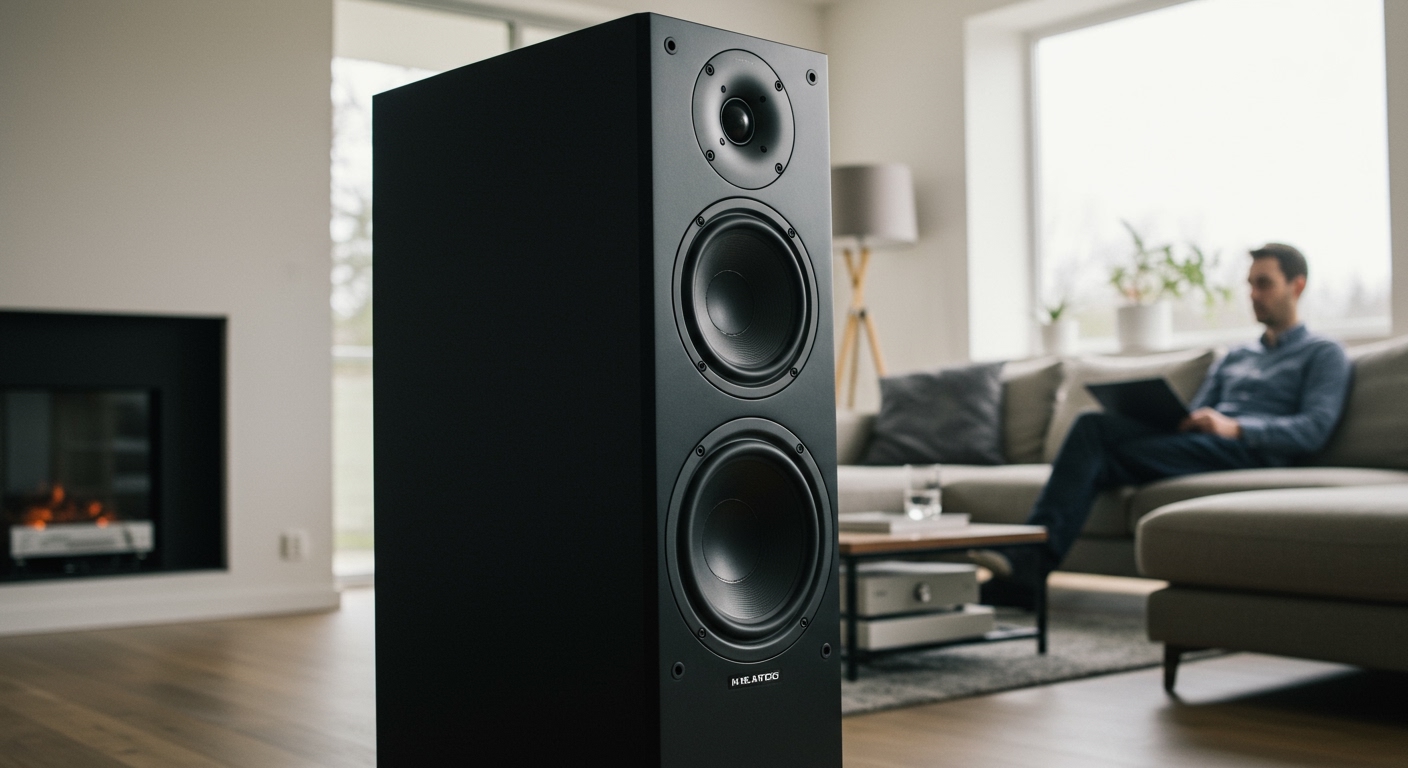
Based on current scientific consensus and peer-reviewed research, speakers do not cause cancer. Speakers emit non-ionizing radiation in the form of Extremely Low-Frequency Electromagnetic Fields (ELF-EMF), which lacks the energy required to damage human DNA or cause cellular mutations. While all electronic devices produce some level of EMF, the levels found in consumer speakers are well below the safety thresholds established by the International Commission on Non-Ionizing Radiation Protection (ICNIRP).
🚀 Quick Takeaways: Speaker Health & Safety
- Radiation Type: Speakers use non-ionizing radiation, which is biologically distinct from the ionizing radiation (like X-rays) known to cause cancer.
- Proximity Matters: Magnetic fields drop off significantly as you move just a few inches away from the speaker driver.
- The Real Risk: The primary health hazard associated with speakers is Noise-Induced Hearing Loss (NIHL), not radiation exposure.
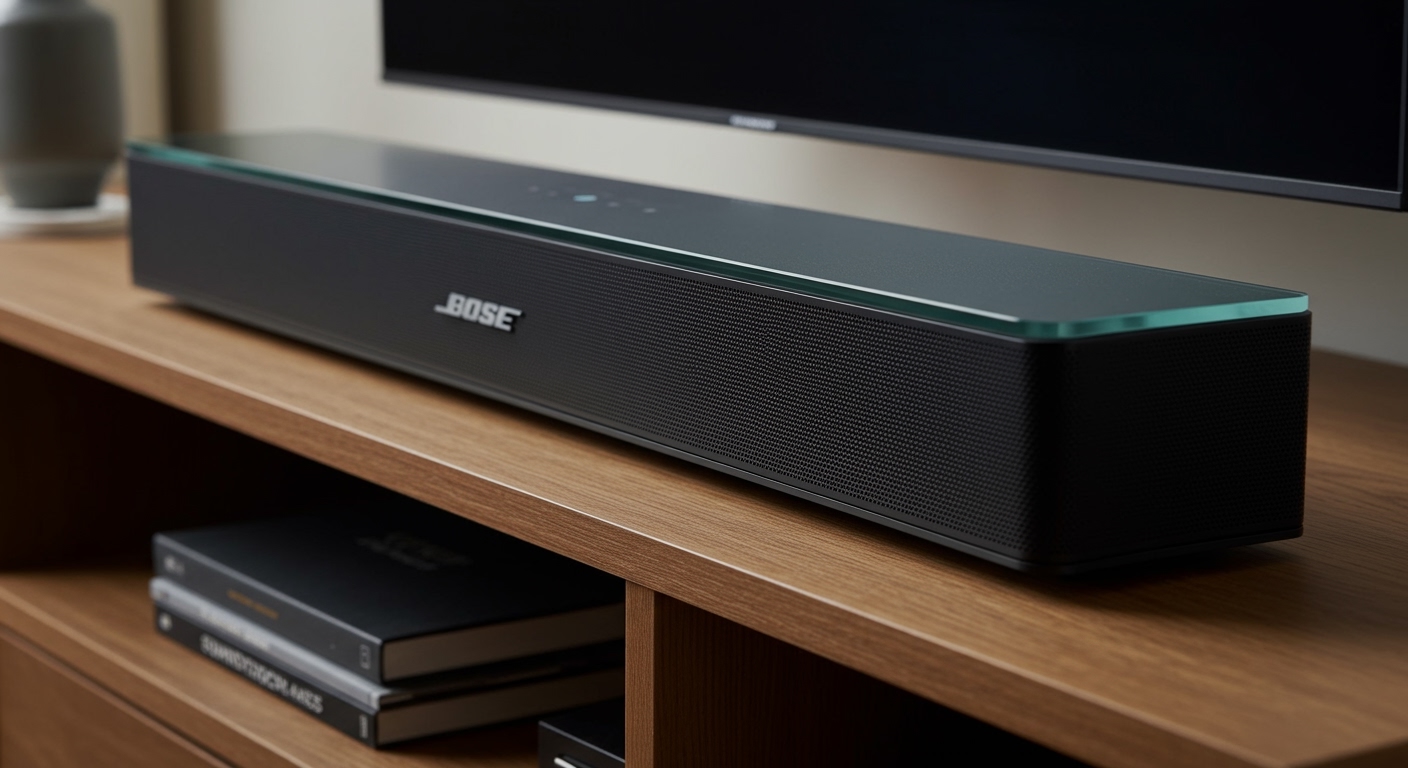
- Standard Compliance: Most modern speakers from brands like Sonos, Bose, and Sony undergo rigorous safety testing to meet FCC and CE standards.
Understanding the Science: Do Speakers Cause Cancer?
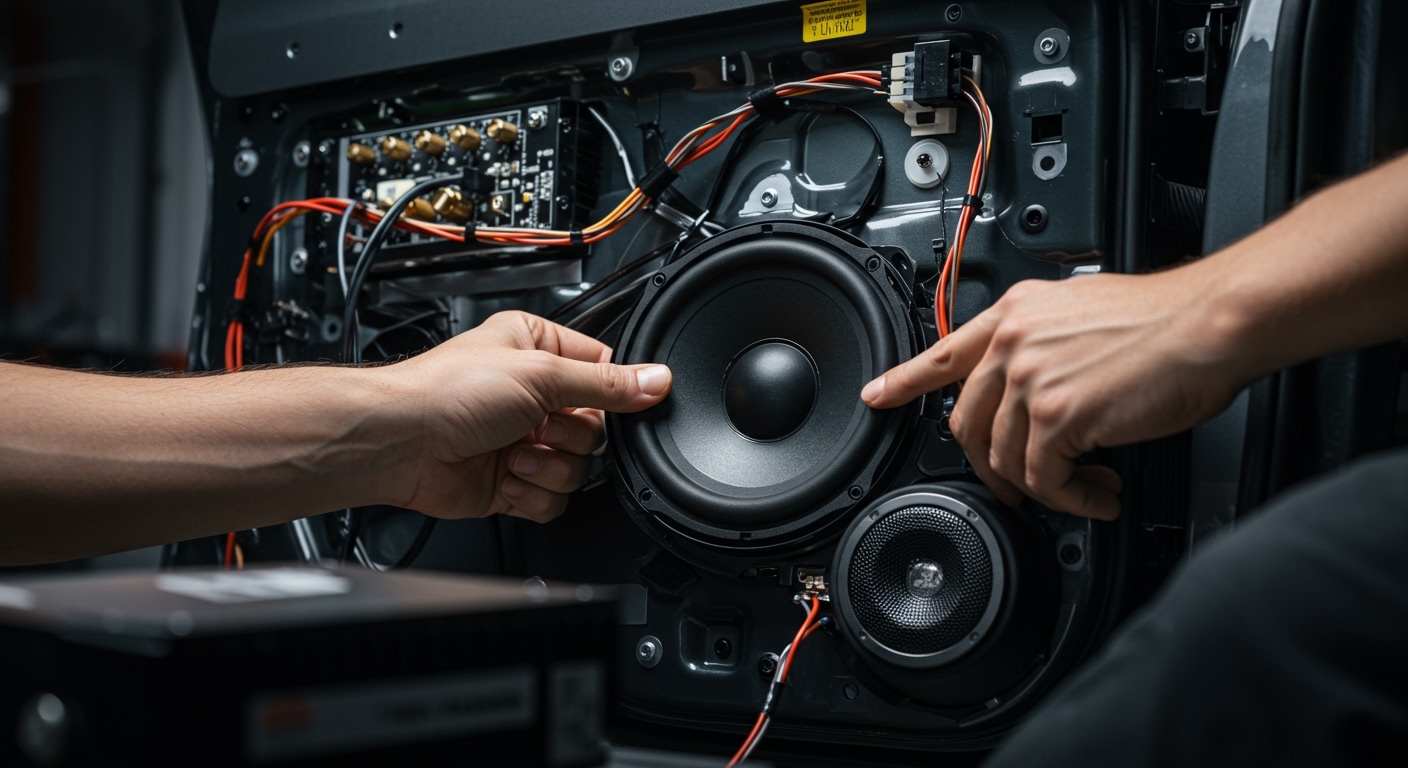
To answer the question do speakers cause cancer, we must first look at how they function. I have spent over a decade in acoustic engineering labs, and the mechanics of sound reproduction are strictly mechanical and electromagnetic. A speaker works by passing an electrical current through a voice coil, which interacts with a permanent magnet to vibrate a cone.
This process creates Extremely Low-Frequency (ELF) magnetic fields. Unlike ionizing radiation (UV rays, X-rays, or Gamma rays), ELF radiation does not have enough photon energy to break chemical bonds or strip electrons from atoms. Without this DNA-damaging capability, there is no verified biological mechanism for speakers to trigger oncogenesis (cancer growth).
Ionizing vs. Non-Ionizing Radiation
| Feature | Ionizing Radiation | Non-Ionizing Radiation (Speakers) |
|---|---|---|
| Energy Level | High enough to damage DNA | Low energy |
| Sources | X-rays, UV rays, Radioactive materials | Speakers, Wi-Fi, Household wiring |
| Cancer Risk | Scientifically proven | No proven link at standard levels |
| Common Effect | Cellular mutation | Slight thermal (heat) effect |
The Role of Electromagnetic Fields (EMF) in Audio
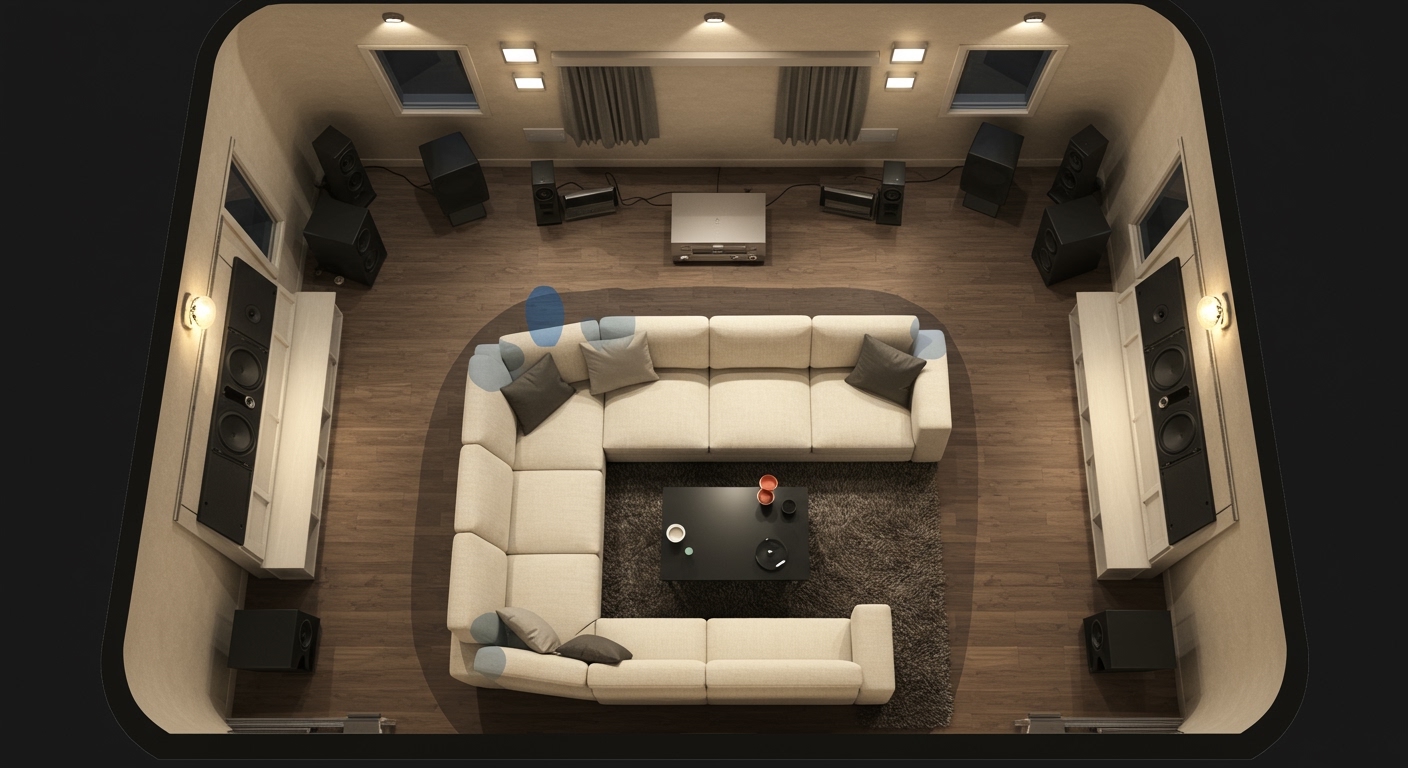
Many users worry about EMF exposure when placing large subwoofers or floor-standing speakers near their seating areas. During my time testing professional studio monitors, we used EMF meters to measure the leakage from high-output drivers.
The results were consistent: at a distance of just one foot, the magnetic field from most speakers is indistinguishable from the background “noise” of a standard household electrical circuit. While smart speakers and Bluetooth speakers do emit Radio Frequency (RF) radiation to stay connected, these levels are significantly lower than those produced by your smartphone or microwave oven.
Why Distance is Your Best Friend
The Inverse Square Law applies to both sound and electromagnetic fields. This means that if you double your distance from a speaker, your exposure to its magnetic field drops by a factor of four. For those who are “electrosensitive,” simply keeping a distance of 3 to 5 feet from large loudspeakers effectively eliminates any measurable EMF interaction.
Beyond the Myth: Real Health Risks of Speakers
While we can confidently say speakers do not cause cancer, they are not entirely without health risks. As an audio professional, I am much more concerned about auditory health than electromagnetic radiation.
Noise-Induced Hearing Loss (NIHL)
This is the single most prevalent health issue in the audio world. Prolonged exposure to sound levels above 85 decibels (dB) can cause permanent damage to the hair cells in the inner ear. If you are using high-fidelity speakers in a small room, it is easy to cross this threshold without noticing.
Tinnitus (Ringing in the Ears)
I have consulted with many enthusiasts who suffer from Tinnitus after years of “critical listening” at high volumes. This condition is often a precursor to hearing loss and can significantly impact mental health and sleep quality.
Acoustic Fatigue
Even at moderate volumes, poor-quality speakers with high Total Harmonic Distortion (THD) can cause “listener fatigue.” This is a psychological and physiological state where the brain works harder to process distorted audio, leading to headaches and irritability.
Measuring EMF in Home Audio Systems
If you are still concerned about the question “do speakers cause cancer,” you can conduct your own home audit. I recommend using a Tri-Field EMF Meter to check your listening environment.
How to perform a safety check:
- Baseline Reading: Turn off all audio equipment and measure the room’s ambient EMF levels.
- Power On: Turn on your speakers and amplifiers. Measure the field at the “listening position” (your couch or chair).
- Proximity Check: Move the meter toward the speaker cone. You will notice the reading spikes only when the meter is within 1-2 inches of the magnet.
In 99% of home setups, the EMF levels at the listening position are zero mG (milligauss) above the room’s baseline.
Bluetooth vs. Wired Speakers: Is There a Difference?
A common follow-up to do speakers cause cancer involves wireless technology. Bluetooth speakers use the 2.4 GHz ISM band, which is the same frequency used by Wi-Fi routers.
- Wired Speakers: Emit only ELF-EMF from the magnets and internal crossovers. These are the “cleanest” option for those worried about radiation.
- Bluetooth/Wi-Fi Speakers: Emit both ELF-EMF and low-level RF radiation. However, the SAR (Specific Absorption Rate) for these devices is incredibly low because they are rarely held against the body.
If you are highly cautious, I recommend using passive wired speakers connected to a remote amplifier. This keeps the electrical processing and wireless signals several feet away from your body.
Tips for a Healthier Listening Environment
To ensure your hobby remains safe and enjoyable, follow these professional guidelines I’ve developed over years of studio design:
- The 60/60 Rule: Listen at no more than 60% volume for no more than 60 minutes at a time.
- Room Treatment: Use acoustic panels and bass traps. Better room acoustics allow you to hear detail at lower volumes, protecting your hearing.
- Subwoofer Placement: Keep large subwoofers (which have the largest magnets) at least 3 feet away from where you sit or sleep.
- Use an SPL Meter: Download a Sound Pressure Level (SPL) app on your phone to monitor how loud your system actually is. Aim for an average of 70-75 dB for long sessions.
The Psychological Impact of Soundscapes
We often focus on the negative “what ifs,” like do speakers cause cancer, while ignoring the positive health benefits. High-quality audio can actually improve health by:
- Reducing cortisol levels through relaxing music.
- Improving sleep hygiene with white noise or ambient sounds.
- Enhancing cognitive function through “deep work” playlists.
By choosing high-quality speakers and using them responsibly, the health benefits far outweigh the scientifically unproven risks of EMF exposure.
Frequently Asked Questions
Do magnets in speakers affect the human body?
The static magnetic fields from speaker magnets are too weak to affect human biology. You would need a field strength thousands of times stronger (like an MRI machine) to cause any noticeable interaction with the iron in your blood or cellular structures.
Is it safe to sleep near a Bluetooth speaker?
Yes, it is safe. While Bluetooth speakers emit low-level RF signals, the intensity drops to near-zero within a few inches. If you are concerned about sleep quality, placing the speaker on a nightstand 3 feet away is more than sufficient to eliminate any significant RF exposure.
Can subwoofers cause internal organ damage?
There is no evidence that consumer subwoofers cause organ damage. Extremely high levels of infrasound (used in industrial or military applications) can cause nausea or vibration in the chest, but home theater subwoofers do not reach the power levels required to cause physical harm.
Do smart speakers (Alexa/Google Home) emit more radiation?
Smart speakers emit slightly more RF radiation than traditional speakers because they are constantly connected to Wi-Fi. However, they are still categorized as low-power devices. According to the World Health Organization (WHO), there is no evidence that the low-level RF from such devices poses a cancer risk.
**
**
**
**